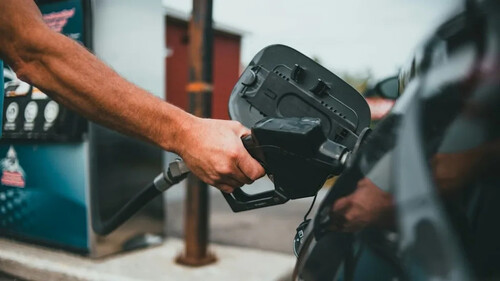
Samuel Turner · 6 months ago@samuelturner287Does your car actually need premium gas, or are you paying for nothing (or worse)? Liked by+71 othersPost commentRelated PostsMust-Have New Car Features: 5 Upgrades Actually Worth The MoneyAva Lewis · 15 days agoEurope's $8-a-gallon gas, smaller cars, and cheaper EVs help explain the US gapCharlotte Carter · 11 days ago9 analog GT cars enthusiasts quietly pay premiums for 66 · Lily Clark · 4 months agoThe Best New-Car Features You’ll Actually Use Every Day 62 · Noah Macdonald · 16 days agoGas cars fall below 50% of global sales for the first timeVictoria Green · 12 days ago2027 Ford F-150 Refresh Boosts V8 Availability, Exactly What We Need When Gas Is Over $4 A Gallon 47 · Abigail Campbell · 1 months agoThe CR-V’s Hybrid Premium Needed 159,000 Miles To Pay Off In January, Not Anymore 79 · Mia Tremblay · 4 months agoMazda Says Its Next Rotary Engine Will Actually Power the Car 50 · Alexander Harris · 18 days agoDual-EV household fills ICE rental car for first time, says gas prices 'hits different'Abigail Fortin · 12 days ago2027 XC40 Adds Much-Needed Updates to Volvo’s Cheapest Gas SUV 89 · Nathan Wright · 1 months agoUsed EVs Look Like A Steal, Until You Pay Repairs And Insurance Premiums 18 · Zoë Walker · 5 months agoYouTubers Bought a Giant “Flying Car” From Temu, And It Actually Flew—Until It Didn’t 59 · Ryan Nelson · 19 days agoAmericans are learning to love smaller cars as gas pump pain deepensOliver Lewis · 15 days agoYour Gas Tank (Likely) Doesn't Need To Be Cleaned - It's A Common Mechanic Scam 29 · Oliver Turner · 1 months agoYouTuber Builds a Jet-Powered RC Car Worth More Than His Actual Car 19 · Mia Wright · 19 days agoEPA Built Its Smog Rule Around EVs That Aren’t Coming. Now It Wants Two More Years for Gas CarsHenry Turner · 15 days agoWho Needs Natural Gas Power Plants When Grid Solutions, VPPs, And DERs Are Here? 96 · William Pelletier · 2 months ago'Seriously Though How Does It Know?': Woman Pays For 'Premium' Car Wash. Then Driver Behind Her Selects 'Basic' 70 · Nathan Wilson · 8 months agoThe top 3 reliable 100W car chargers that can actually power your laptop on the road 66 · Jacob Hall · 20 days agoHow Long Do Electric Vehicle Batteries Last Vs. Gas Cars?Camille Tremblay · 15 days ago




 +71 others