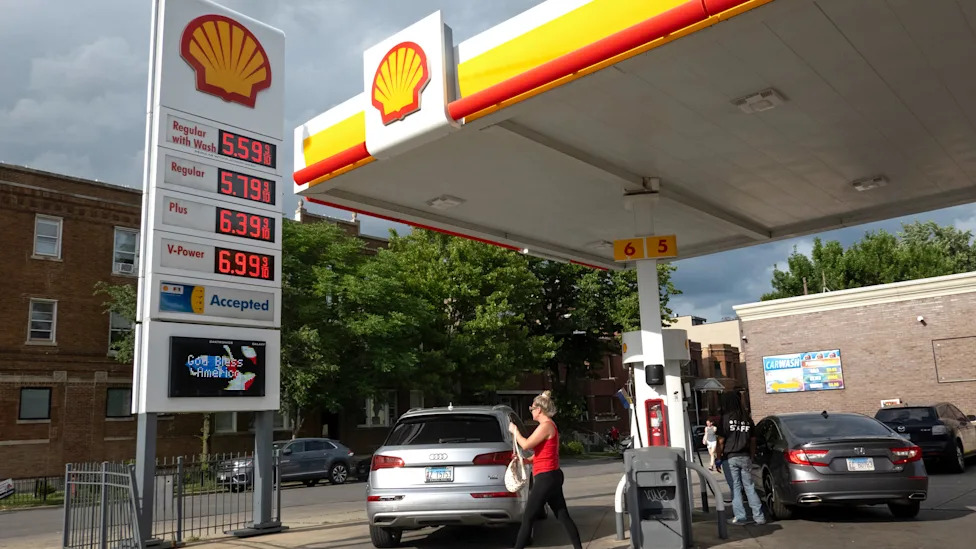
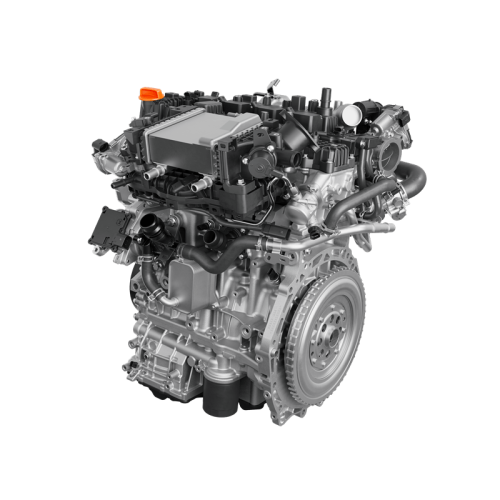
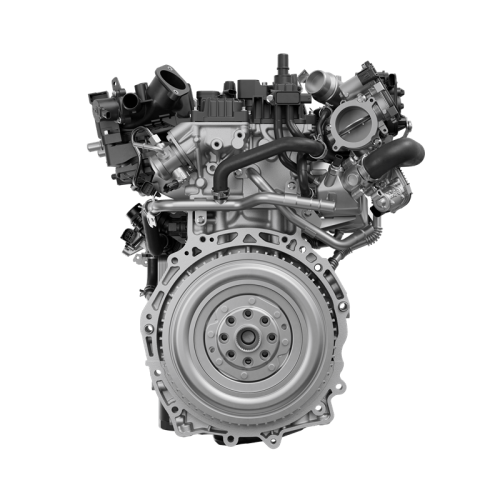
Jump LinksOctane Rating ExplainedSetting The Standards For Octane RatingsBenefits Of Premium GasDisadvantages Of Premium GasCan Any Engine Use Premium Gas?Premium Gas vs. Regular GasWhen pulling up to the gas pump, you're immediately forced to make a choice: Regular, Midgrade, or Premium gas? For the most part, it's quickly and easily decided that Regular is the way to go. But is premium gas worth it? Does premium gas last longer, or help your car achieve the same fuel economy figures as a Toyota Prius? Perhaps more exciting performance - turning your MX-5 into a Toyota GR Supra? After all, they do call it "premium" gas for a reason.This article takes a deep dive into gasoline, its composition, and the standardized octane ratings that we are all somewhat familiar with - here's what 'premium gas' really means and how it could affect your car's performance.Gas prices and differences in price between regular gas and premium vary based on location. Not all engines have or will experience some or all of the symptoms or problems listed below because of low-octane gas usage. If your vehicle is experiencing any of these problems, it is advisable to have a trained automotive technician inspect your vehicle for an accurate diagnosis and repair. Putting Numbers To Pump Gas Octane Rating Explained We all know it as gasoline, but it's so much more complicated than a single word could possibly describe. If gasoline had a food grade ingredients label, it would read like gibberish and make little sense (unless you're a chemical engineer).In a typical blend of gasoline there are hundreds of different hydrocarbon compounds. Gasoline is an insanely complex blend of hydrocarbon, ethanol, and some additives. These additives include lubricants, rust inhibitors, detergents and stabilizers. A large proportion of these hydrocarbons are broken down into what is referred to as the PIANO analysis: Paraffins, Isoparaffins, Aromatics, Naphthenes, and Olefins. These are all very unfamiliar terms to us, but are all building blocks in the fuel that we use every day.Octane, however, is a familiar term — it's the name of a group of hydrocarbons that has an atomic formula of 8 carbon atoms and 18 hydrogen atoms. Octane has 18 isomers, or 18 different ways that it can be structured or branched. One of those 18 different isomers, is called 2-2-4 Trimethylpentane, also called iso-octane. Iso-octane has a huge importance for this topic, as it is the reference standard for 100-octane rating, thanks to its superior resistance to engine knock, or detonation. Setting The Standards For Octane Ratings Engin Akyurt/Unplash As engines and the components of their fuel systems become more advanced, they require a higher quality of fuel. Octane specifications, overall fuel quality standards, and volatility specifications, are mostly created by the American Society for Testing and Materials, or ASTM International. To maintain compliance with EPA mandates and to maintain air quality, these standards are widely used across many states.Generally, our vehicles are designed to run on a specific octane of gas dictated by the manufacturer. The gasoline that many vehicles operate on is 87 octane. What that means, is that the carefully engineered mix of gasoline that flows from the 87-octane pump at the gas station has a resistance rating of 87 out of 100. This rating is also known as a gasoline Anti-Knock Index or AKI.This AKI rating is a standardized, common method of measurement that has been defined by organizations that manage industry standards. This AKI measurement and rating is enforced by government regulators and state agencies. Simplified, if there were an AKI rating of "0", that would mean the fuel would have little to no resistance to knock, and a rating up to "100", a fuel would be highly knock resistant. A higher knock resistance is preferred. Premium Gas: Pros And Cons Benefits Of Premium Gas Toyota The benefits of plus or premium gas (AKI rating at or above, usually 88) cannot be felt by every engine. However, some engines require the use of these more expensive fuels; engines that have higher compression ratios or have forced induction systems like turbos and/or superchargers benefit from the use of higher octane fuels.As air entering the combustion chamber is compressed, it gets hotter, ultimately raising the combustion chamber temperature as well. Since higher octane fuels are less volatile, they don't combust as easily and are less likely to knock or detonate with the increased cylinder temperatures. Since premium or higher octane gas is less likely to auto-ignite, the fuel/air mixture can withstand higher compression, more advanced timing and boost without knocking or detonation.This offers more performance for an engine that is built for that purpose or requires high-octane fuel from the factory. Basically, higher octane gas may not produce more horsepower by itself, but it unlocks or increases the ability to safely do so by means of forced induction, higher compression ratios, and advanced ignition timing. Disadvantages Of High Octane Fuel Michael Noel / Pexels High octane or premium fuel has many more advantages than it does disadvantages - for the right engine. First, the disadvantage of premium gas for any engine is higher cost. Premium gasoline, on average, runs roughly $0.30–$0.70 cents higher per gallon than regular gas. But for engines that are designed to run on premium gas, that's where the disadvantages stop. Engines that are designed to run on 87 octane, or another story. These engines make no measurable gains from the use of premium gas. Some common myths that surround the use of premium gas center on improved performance, better fuel economy, and superior cleaning characteristics. The truth is, premium fuel allows for more ignition timing, which can produce more horsepower - but on an engine with moderate compression that was designed for daily use, the performance gains would be negligible. The same goes for fuel economy, with the only gains made being the cost to fill the tank. As far as premium fuel offering superior engine cleaning properties, as of 1996, the EPA set forth standards for minimum acceptable levels of detergent in gasoline for use on public roads. This minimum applies to all octane levels, low grade through premium. Searching for the fuel with the best cleaning properties is more about the brand and not so much the octane rating. Premium Gas Applications Can Any Engine Use Premium Gas? DodgeThe popular phrase "Just because you can, doesn't mean you should", comes to mind when considering the use of premium gas in an engine that doesn't require it. Although it is possible to use it and it will not cause any damage, it's just unnecessary. On the other hand, if you drive a car that requires it, it's imperative that you adhere to filling up with premium gas every time you visit the pump.The ramifications of running a fuel that is too volatile can not only be irritating, but costly and catastrophic. The terms knock and detonation have been thrown around quite often throughout this article. Knock and detonation are often used interchangeably: Engine knock or detonation is a post spark event that occurs when there is a spontaneous combustion of the remaining or unburnt fuel/air mixture. This creates a shockwave in the combustion chamber, which produces a pinging or knocking sound as it bounces around in the combustion chamber. If this problem persists, larger issues can develop down the road, such as burnt pistons, valve seat damage, and carbon buildup on the valves themselves.An engine running the wrong type of fuel can or will experience these conditions: Loss of power Knocking or pinging sounds from the engine Check engine light Poor fuel economy Premium Gas vs. Regular Gas FordIn the debate between premium vs regular gas, it really depends on the engine. In the case of a daily driven car that doesn't require it by the manufacturer, it's not worth spending on premium fuel. However, many late model cars that we use for daily driving have moved away from larger, normally aspirated six and eight-cylinder engines, towards smaller, more fuel-efficient turbocharged power plants. These engines will all most likely require the use of premium fuel to tolerate the higher combustion chamber pressures and higher heat without knock.Thankfully, engines are equipped with knock sensors that constantly monitor the engine for knocks. Once a knock is detected, the computer will back the ignition timing down to stop the problem. It is of utmost importance to check your owners' manual or, in some cases, your gas cap to make sure you're using the proper fuel to avoid costly problems in the future.





















 +67 others