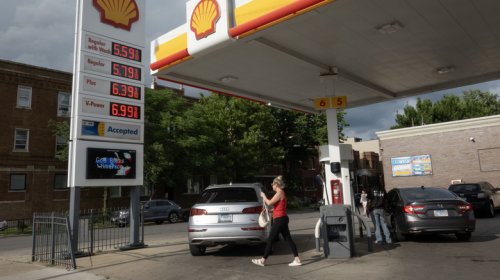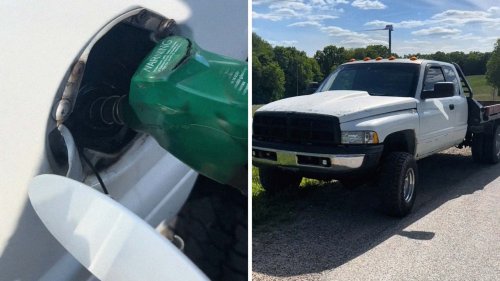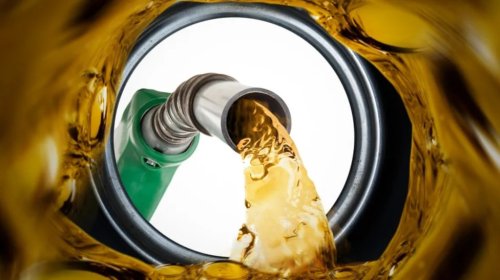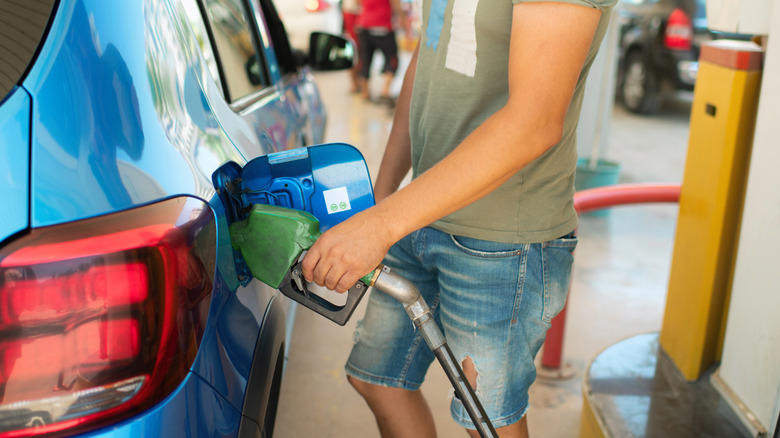




















Artmarie/Getty Images Soaring fuel prices have made the comparison between regular and premium gas more timely than ever. At the time of writing, AAA has monitored national average gas prices at $4.166 for regular and $5.041 for premium. The $0.875 difference may seem negligible, but the savings suddenly make sense in the long run. In publicized testing by Consumer Reports, a vehicle with an average fuel economy of 30 mpg can save its owner $351 annually (assuming 12,000 driven miles per year) by using regular instead of premium gas. The cost difference is more glaring for vehicles that get 20 or 15 mpg, since owners can save around $526 to $702 each year, respectively. That's not to say that premium fuel is bad, and many of our favorite cars (the manual-equipped Toyota GR Supra, the two-seat Mazda Miata, the Dodge Charger and Challenger, and more) require a steady diet of 91 to 94 octane fuel. There's nothing inherently wrong with filling up with premium gas, as long as the manufacturer specifically requires premium-blend fuel. However, if the owner's manual or the label on the fuel filler door says "regular fuel required, premium fuel recommended," your car won't go faster, rev higher, or suddenly turn into a brawny muscle car just from using premium gas. Simply put, you're throwing money away. Some cars need premium gas, and that's fine Heritage Images/Getty Images Some modern vehicles need premium fuel to enable their engine to produce more power. The turbocharged four-banger in a 2026 Mazda3 2.5 Turbo Premium Plus produces 227 horsepower and 310 pound-feet of torque on regular unleaded gas. Fill it up with premium 93 octane, however, and the engine whips out 250 horsepower and 320 pound-feet of torque. This is one of those rare cases where a manufacturer has put out actual numbers to advertise the benefits of using premium gas in a factory-spec vehicle. It's also one of those instances when premium gas is worth the extra dollar. What that means is your Mazda3 turbo should run fine on regular gas, but using premium will give it more oomph. But for other vehicles, that's not the case. Consumer Reports found that using premium gas in vehicles that require lower-octane regular fuel produced no discernible improvements in performance, acceleration, and fuel economy. The only difference is paying more for something your car doesn't need. The octane rating of gasoline has more to do with fuel stability, or a measure of its ability to resist engine knock (anti-knock index), than anything else. It has nothing to do with the energy content of the fuel either. If your car's engine runs smoothly on regular, it won't gain superpowers by burning premium. On the other hand, if you have a performance car and the manufacturer requires premium fuel, intentionally filling up with regular gas to save cash may hamper performance and, in some cases, damage the engine.