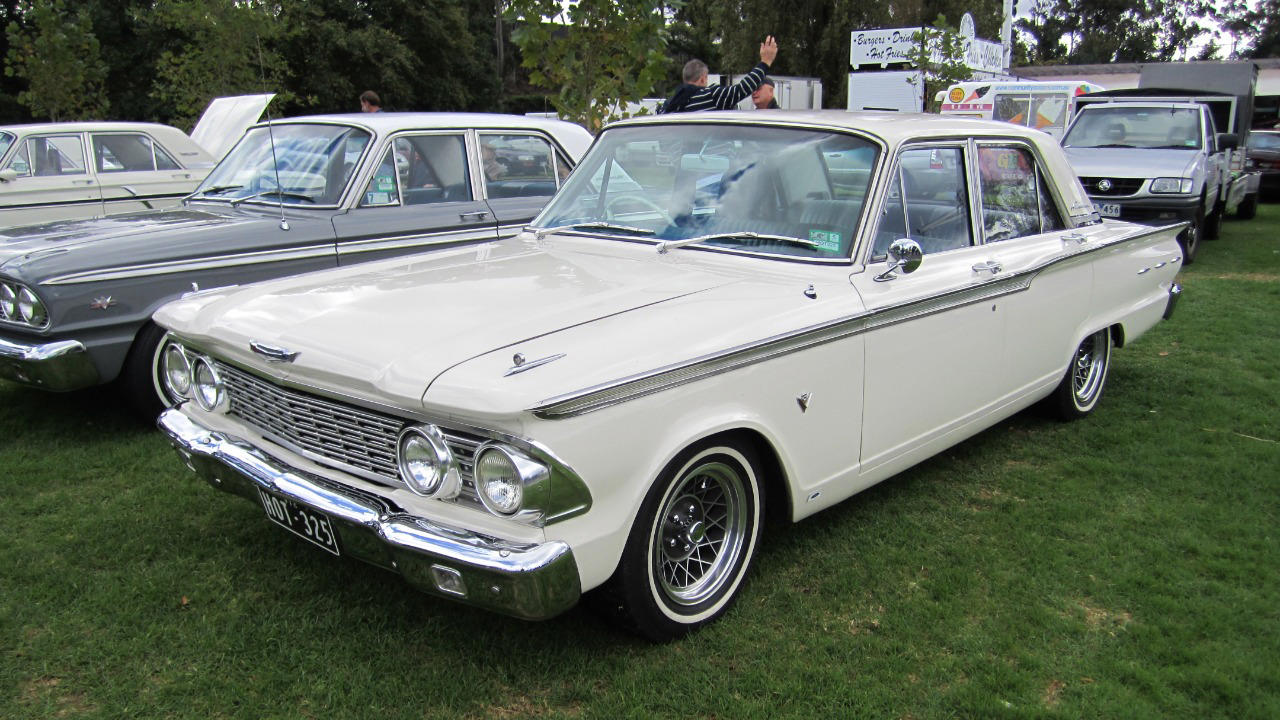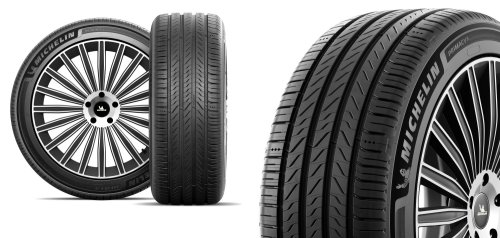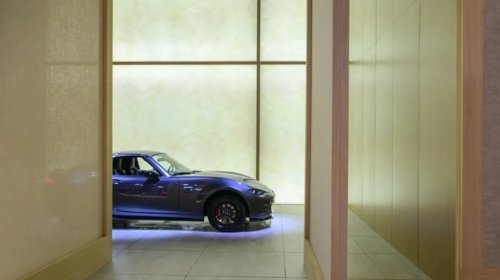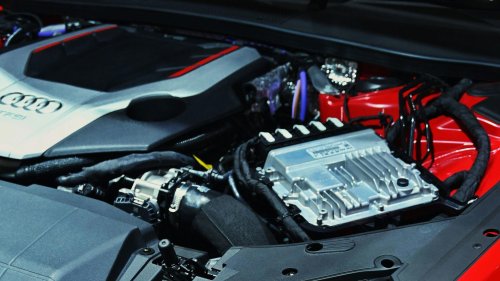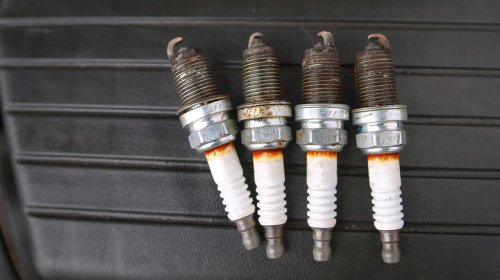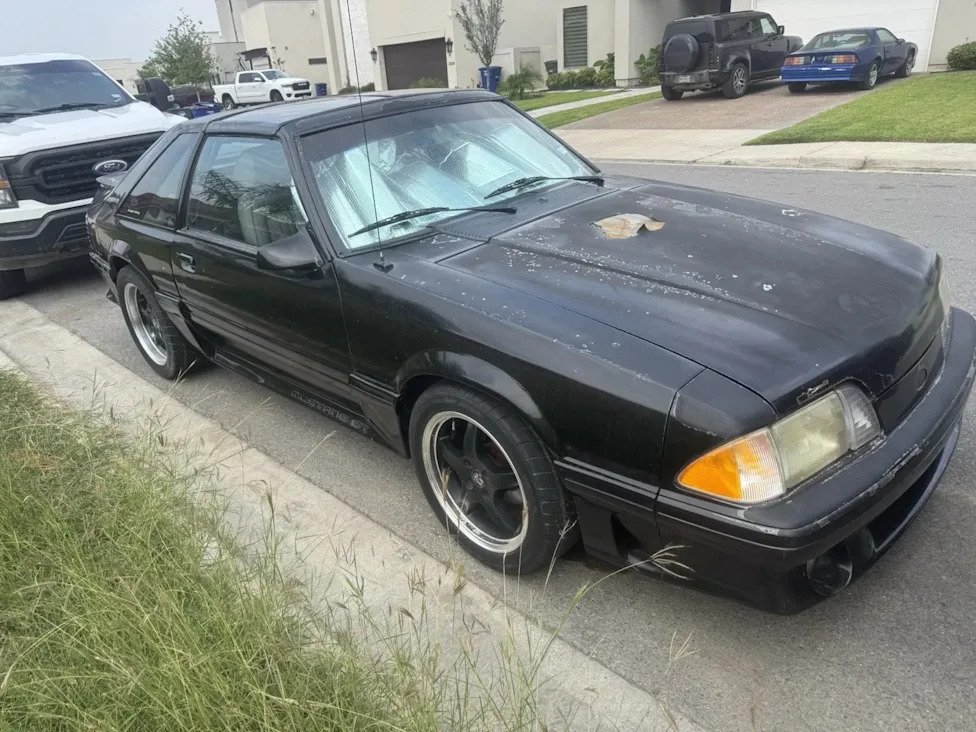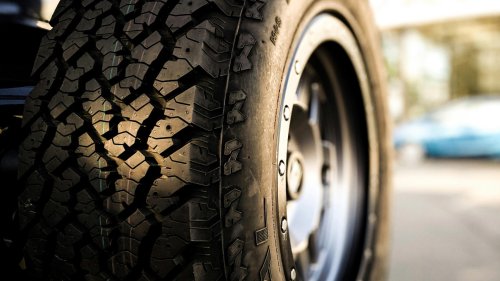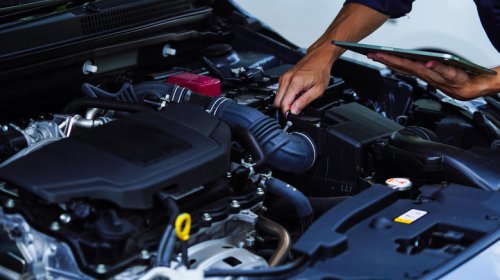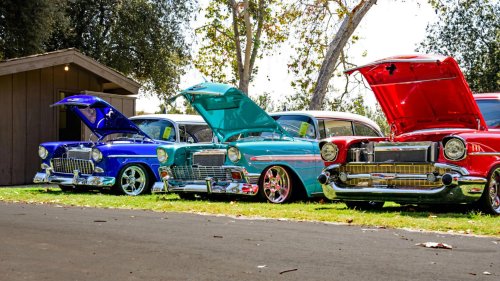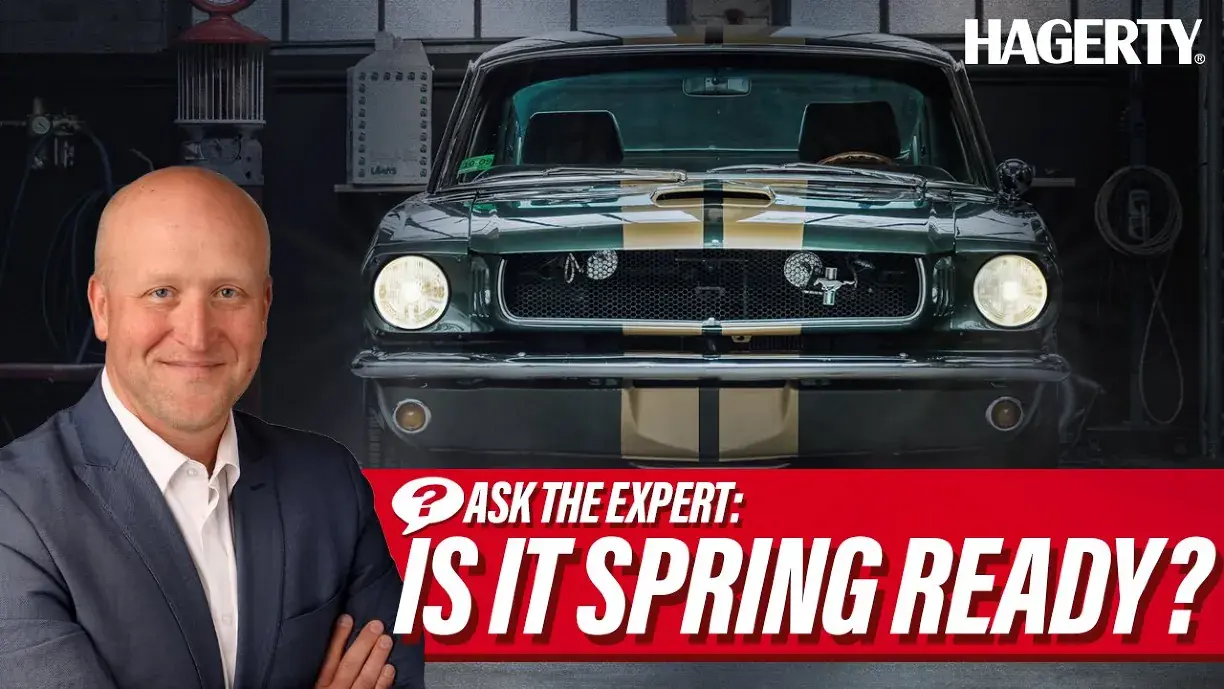



















Spring is nearly here. You’ve spent the long winter waiting for the salt to clear and the temperature to rise, dreaminSpring is nearly here. You’ve spent the long winter waiting for the salt to clear and the temperature to rise, dreaming of that first drive. However, "waking up" a stored vehicle requires more than just turning the key. Whether you're pulling out a vintage muscle car or a modern weekend toy, skipping the proper preparation can turn an exciting day into a mechanical nightmare.To help you hit the road with confidence, AutoGuide partnered with Bryant Kolle from Hagerty to address common concerns from our forum community regarding springtime vehicle reactivation.1. The "Driveway Disaster": Don't Ignore the BrakesThe most common mistake owners make is getting ahead of themselves. Bryant warns that long-term storage can lead to surface rust on brake rotors or a loss of hydraulic pressure.The Risk: Rushing to put the car in gear on a sloped driveway can lead to a total loss of stopping power, resulting in costly damage to your home or other vehicles.Expert Tip: Before shifting into gear, pump your brake pedal several times to rebuild pressure and test its responsiveness on perfectly level ground.2. The Fuel Question: Did You Forget Stabilizer?If you neglected to add fuel stabilizer before storing your car in November, don't panic. Modern high-octane fuels are generally stable for three to six months. If your car only sat through a standard winter, you can likely just top off the tank with fresh fuel and take a long drive to cycle it through the system. Only if the fuel has been sitting for a year or longer should you consider draining the tank.3. Check for Uninvited GuestsA pristine exterior doesn't mean your vehicle is secure. Rodents often seek shelter in parked cars during the winter. Perform a thorough visual inspection under the hood and check your exhaust tips. Look for signs of nests, particularly near the cabin air filter—which can cause odors—and carefully inspect your wiring harnesses for any evidence of chewing.4. Is Your "Modern" Car Actually a Classic?You don't need a vintage vehicle from the 1960s to benefit from collector insurance. Bryant highlights that many "analog modern" vehicles from the 1990s and 2000s, and even some brand-new enthusiast models, qualify for specialized collector coverage. This often provides better protection at a significantly lower cost than a standard commercial auto policy.Want to Learn More?From the importance of "priming" your oil pressure to identifying if your tires have developed permanent flat spots, there is a lot to consider before your first cruise of the season.