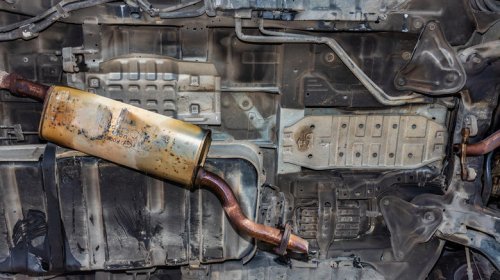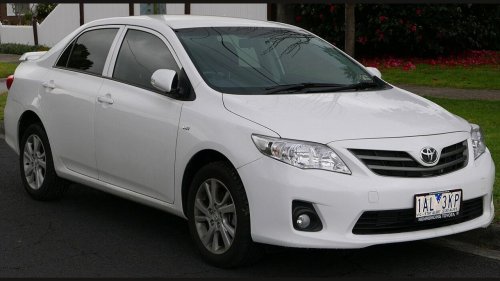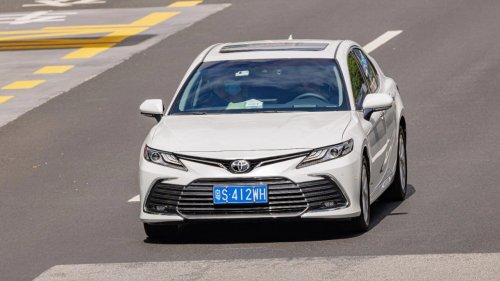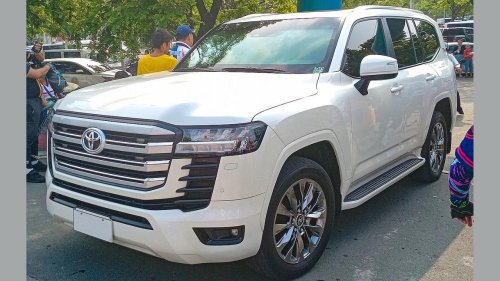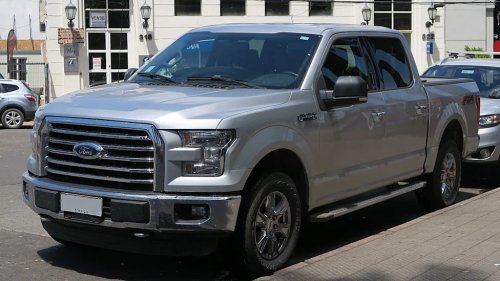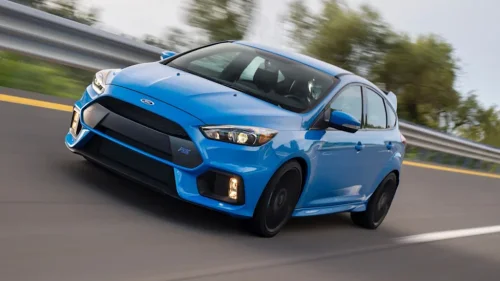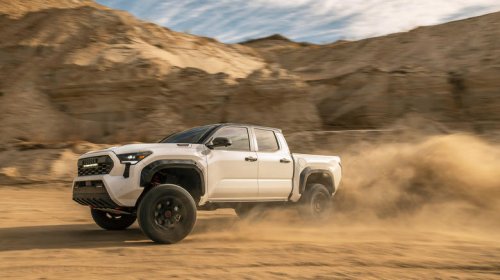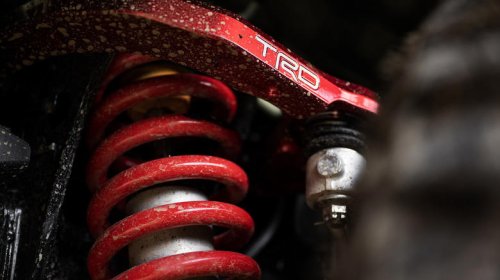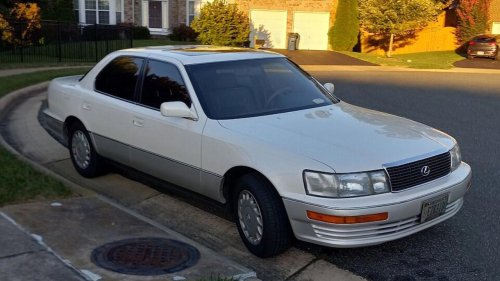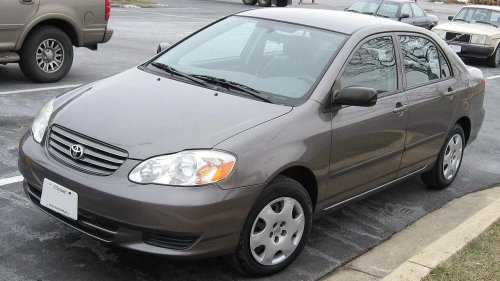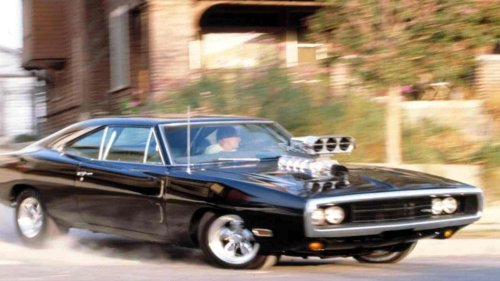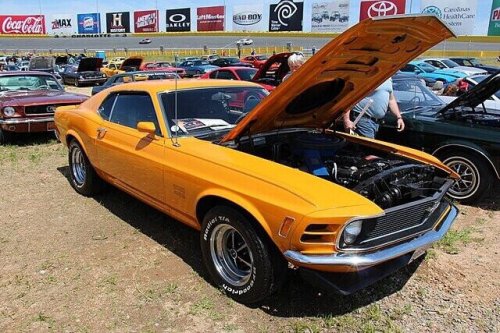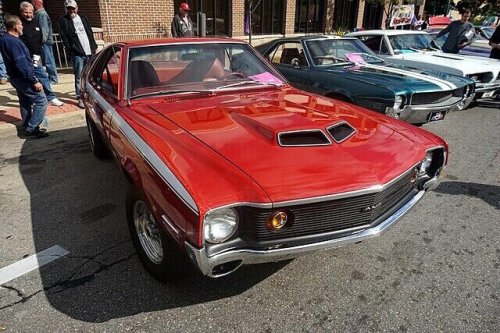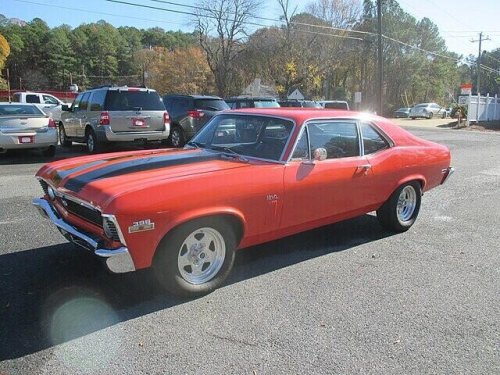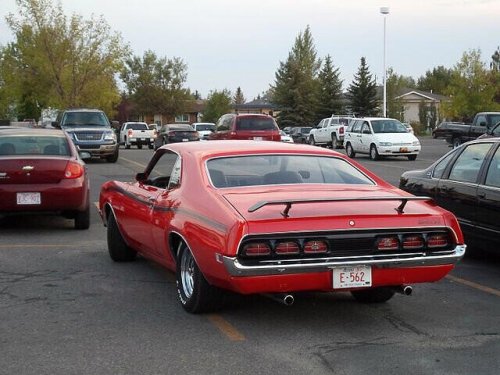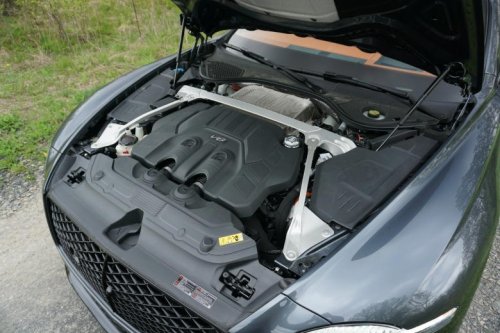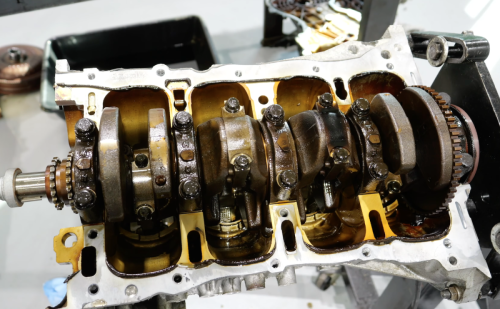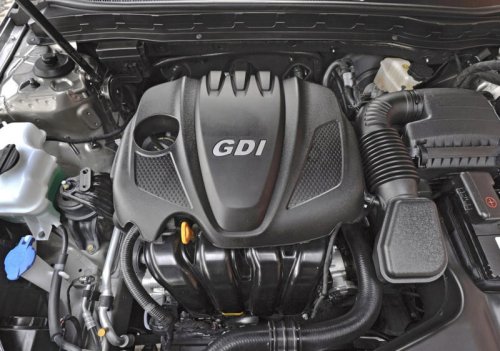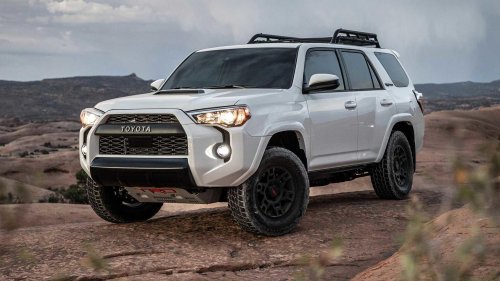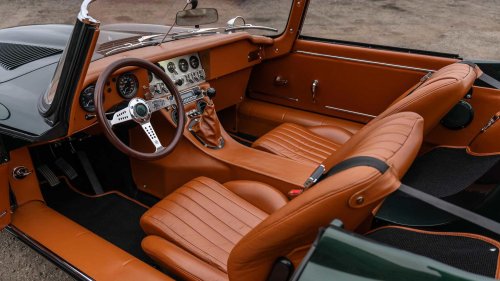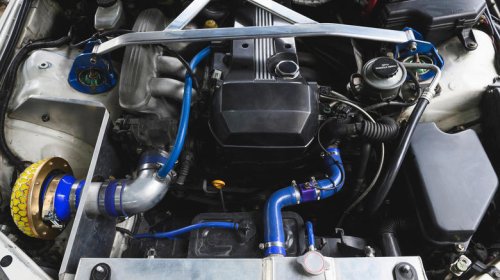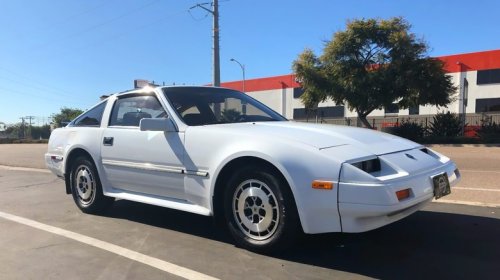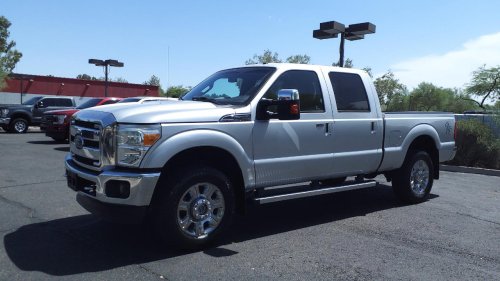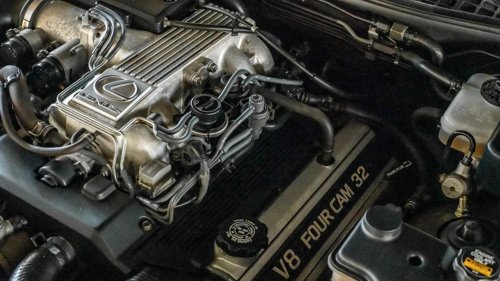
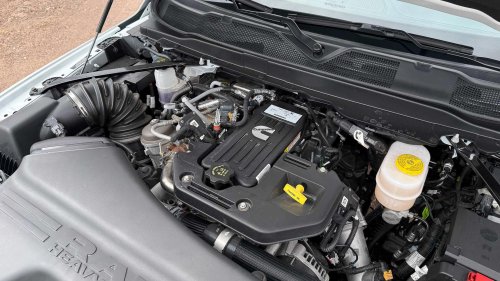
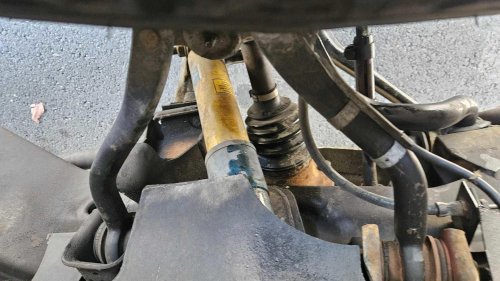
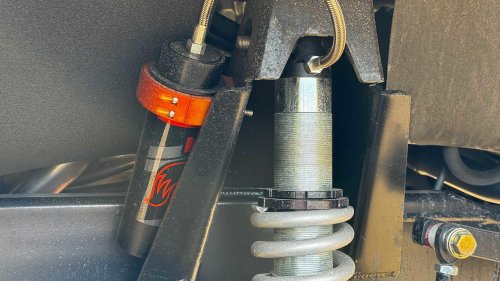
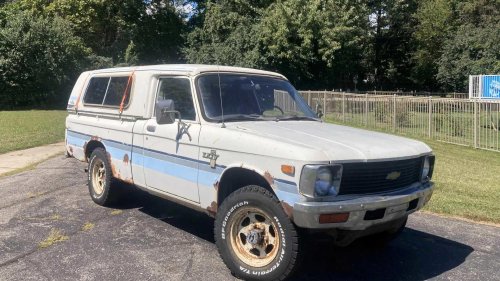
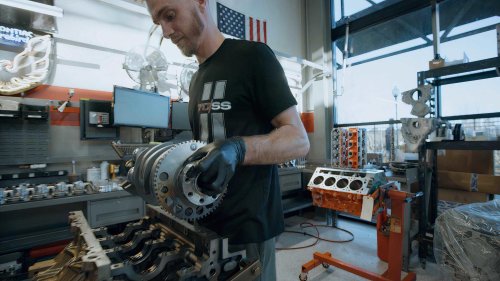

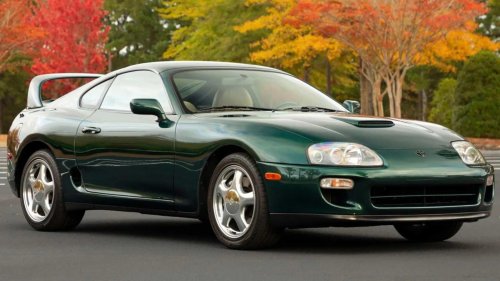























There is no denying that some cars, SUVs, and trucks are built to last forever with proper maintenance. We have seen literally thousands of vehicles reach the 100,000- and 200,000-mile mark, and we have seen some very dedicated owners take mileage even further. Models from the ever-hardy Toyota, like some Corollas and Land Cruisers, can breeze past 300,000 miles with very little in the way of heavily involved maintenance. Some models from the likes of Ford, Honda, BMW, Volvo, and Mercedes-Benz have all seen over a million miles put on them.However, if you come across an alluringly cheap truck, SUV, or car at an auction or online that advertises it has over 300,000 miles on the odometer, should you buy it and give it a new lease of life? Some will no doubt be worth taking a punt on, but there is a lot more you should consider before committing to a project with huge mileage on it.To give you the most up-to-date and accurate information possible, the data used to compile this article was sourced from various manufacturers and other authoritative sources, including RepairPal, Project Farm's YouTube Channel, and Classic.com. Common Problems You're Going To Find With 300,000-Mile Vehicles If you see a 300,000+ mile Honda Civic or Toyota Tacoma, you may be tempted to buy it, even if it does look a little rough. The engines that both of them boast (the K Series and the 1GR-FE) are known to keep going with proper maintenance; we have seen some huge-mileage models still cruising around.You may think that, surely, a bit of flaking paint won't matter, and the scuffs on the bumper will cut out. It is worth noting, though, that even if it looks as if problems are just on the surface, a lot more could be going on deeper down that will turn your cheap used bargain into a money pit. Faulty, Worn-Out Engines And Transmissions Bring A Trailer Depending on what you are looking at, at 300,000 miles, it is almost guaranteed that the engine and transmission have seen better days. Of course, it is also dependent on how previous owners have looked after their vehicles, but this is a general overview of what you could find.Seyth MiersmaDiesel engines are generally tougher, but of course, they are not invincible. At high miles, high-pressure injectors can wear out, turbos start leaking oil, developing play in the shaft, and bearings inside the block can be good for the junkyard. Exhaust components like the EGR and DPF can also clog up with soot, hence you see a lot of diesel models coughing out black smoke.Some transmissions won't fare much better, with manual boxes and synchronizers wearing out and auto boxes suffering from slipping clutches, weak torque converters, or delayed gear engagement. Some things can be sussed out on a test drive, but some things you won't find out until you get your hands dirty. Underside And Suspension Issues Bring A TrailerThe underside of any vehicle that has seen hundreds of thousands of miles tells the real story of its life and how it has been used, looked after, and stored. Underbody and wheel-arch rust are some of the biggest things to look out for, especially if you are looking at a high-mileage vehicle in an area that gets a lot of snow, has a lot of salt on the roads (for example, coastal towns), or is a wet region.Frames, subframes, and mounting points can weaken from corrosion; fuel and brake lines can corrode as well, and even if the body looks decent, the structure could be hiding weak points that could make things either unsafe or very costly to repair.Garret Donahue Regardless of what vehicle you are looking at, it is likely that the suspension has taken a beating (if it is the original rig that hasn't been replaced). Shock and struts could well be past their sell-by dates thanks to thousands of miles of bouncing down a road, while worn ball joints, bushings, and tie rods can lead to sloppy steering. If you are looking at a used SUV or truck that has clearly seen a bit of a rough life, the suspension is likely to be in a shoddier state than that of a car, especially if it has been used for towing or a lot of trail riding.You are also likely to get some clunks and vibrations from a model with this kind of mileage, especially if it hasn't been looked after properly or some maintenance tasks have been left undone. This could mean there is a component that is loose or broken. Cosmetic Damage And Rust Are Likely Bring A TrailerUnless you find a truly loved and looked-after 300,000-mile model, superficial damage to the body is likely to be present. We don't tend to see many new vehicles hit this kind of mileage (though there are some exceptions, like Phil Marsella's F-250, which hit a million miles in just four years), so faded paint, scratches, dents, chipped paint, and peeling paint are going to be an almost given.Inside, the story won't likely be much better, especially for high-mileage work trucks. Seat tears, cushion sagging, faulty electrical systems, tatty interiors, and cracked dashes are likely to take center stage.Rust can also play a big part here. We have seen that while some high-mileage bodywork may look like it has weathered life pretty well, if you look out for bubbling in the paint and poke the area with a screwdriver, it could tell you that rust has gotten onto the body (we wouldn't recommend doing this before buying the vehicle, though; the seller won't be happy). If the screwdriver goes through, there is corrosion, which likely means that there will be more spots that are just as knackered. Be aware, if you poke a screwdriver through the bodywork and don't end up fixing it, the resale value is going to plummet. What You Should Consider Before Rebuilding A High-Mileage Model If the long list of things to look out for when buying a used vehicle with high mileage hasn't put you off, there are a lot of things you should still consider once you have either bought or taken a good look over one. From how the vehicle has previously been used, whether you can get the parts you need, and if the money you are about to pump into your project is financially worth it, to whether you have the skill set to fix the major problems and how you want the vehicle to look, the things to consider before settling on a 300,000-mile project is as long as the potential problems you are going to run into. Parts Costs And Availability Trans AM Worldwide If you have found yourself a 1960s muscle car or an American truck that is perfect for a restoration job that has somehow managed to rack up over 300,000 miles, yes, it would make for a very cool project, but unless you have an unlimited budget to get parts made, it is worth thinking about how much you have to spend on new parts and how readily available they are.On the more frugal side of things, Toyota Camry models have been known to go on forever, and parts (for most years in the last 15–20 years) are pretty easy to get hold of. According to RepairPal, if you aren't doing the work yourself, something like an engine front gasket cover replacement is going to cost up to $2,529. Smaller jobs will cost less, and compared to higher-end brands like BMW, parts and labor are relatively affordable (depending on what you need).For something like a Ford F-150, parts are everywhere for a lot of MYs. The F-Series is again the most popular truck in the U.S.A., and Ford and aftermarket suppliers have warehouses full of spare parts for them. Maintenance and repair costs can be higher compared to something like a Camry, courtesy of heavier-duty parts needed for a lot of components, but it again depends on what you need. Some of the most common repairs that are needed for a Ford F-150 include:Brake hose replacement: $235 — $300 Seat heater replacement: $311— $408 Airbag sensor replacement: $445 — $473 Headlight control module replacement: $929 — $998 Radiator replacement: $1,311—$1,609 The Problem List And What Engine It Boasts CarBuzz Maybe one of the biggest things to consider is whether the model you are looking at boasts an engine that can last the miles. While all engines can technically last forever if they're looked after, take Irv Gordon's Volvo P1800S and Guy Newmark's '64 Porsche 356 C; both are sports cars that were likely never expected by many to see over a million miles. But there is no escaping the fact that some engines are much more renowned for it.Engines like the Toyota 2JZ-GE, as found under the hood of the Lexus GS 300 and the Toyota Supra, are renowned for being bulletproof; the same goes for the Ford 4.6-liter Modular V8, which is showcased in the Crown Victoria and Mustang GTs up to the 2010 MY.Bring A TrailerOn the other hand, if you like the look of something such as the Chrysler 300M, which does boast a powerful 3.5-liter V6 good for around 250 horsepower and some decent sleeper moves, you could be in for more trouble than it's worth. The SOHC EG Chrysler mill has garnered a reputation for oil sludging, timing belt failures, and coolant leaks. Whether you find a model like the 300M with such huge numbers on the odometer is another matter, but it may not be the best start for a high-mileage project.The key is to find a high-mileage vehicle that has a good track record of going the distance with minimal jobs required, and with plenty of parts available. It will make your life a lot easier in the garage. Your Skills, Budget, The Vehicle's Previous Life, And How Much The Vehicle Is Worth Subaru Without hands-on experience with engines, bodywork, and tools, we aren't saying that undertaking a rebuild is impossible, but it certainly won't be as simple as if you have some. You can save a lot of money on labor costs if you know what you are doing, but if you don't, you run a risk of making something ten times more expensive to fix by a professional. So, knowing the limitations of your mechanical knowledge could mean saving money on extra labor and replacing parts that don't need replacing.Your budget is, of course, one of the main considerations to have. If you spend $4,000 on a high-mileage model that needs $5,000 worth of work on it, is it worth doing? We say that logically. If you have found your dream car, and it needs a new engine and a whole new underside, but it really is the only car you want to be seen in, who is to tell you that it isn't worth rebuilding?Car Cave USAWhat the vehicle's past life was is worth thinking about as well. The Chevy Suburban is the most reliable American SUV in terms of high-mileage models. It is famously used as a big taxi and as a livery vehicle, so if you find a high-mileage model, there could be a chance that it has lived a relatively easy life compared to something like a Ford Bronco that is too much not to take off-road and down the trails.If you fall in love with the idea of rebuilding a high-mileage Land Rover Defender or Land Cruiser, there is a good chance that it has taken a bit more of a beating and could need a lot more structural work and suspension work carried out. Our Verdict: Is It Worth Rebuilding A 300,000-Mile Vehicle? Screenshot from HOT ROD Network's YouTube Channel It can be worth it; it can be a terrible idea. Everything comes down to the vehicle you look at, how much there is to do on it, how much you can properly do yourself, what you are going to use the vehicle for, and what your budget is. It is worth noting, though, that even a cheap used high-mileage model can end up costing you more than a slightly more expensive used model with fewer miles on the clock.If you find a collectible classic car that hasn't been kept as a garage queen and has seen real life on the road, finding replacements for worn-out parts could be quite challenging. The same goes for knowledge of how to fix it (depending on its age). But who knows? It could be one of the classic cars we are seeing that make for a good investment, so your time and money could be well spent on one.Porsche If you find a model that has a famously tough engine, and you have checked over it, or brought a mech along to help, then a cheap bargain that needs little work or a bit of TLC could again make for a good buy. Especially as, like we have mentioned, newer vehicles tend not to have hundreds of thousands of miles on them at the moment, so you could end up with a unique older model. Likewise, with the body and undercarriage condition, if you have checked over it properly before buying it, and you see that there is only a bit of work to be done, you could end up with something interesting.Buying any vehicle, new or used, comes with risks, and you never know exactly what you are going to end up with. The risks of taking on a 300,000+ mile vehicle are notably more than buying something with a guarantee from a dealer, though. But, if you do your homework on the model you want, you know how to do a fair amount of the work, you know the limitations of buying something with such high mileage, and you know that there is a risk that it could all go wrong and cost you a load of money, then there is no reason why taking on a high-mileage project shouldn't be done.