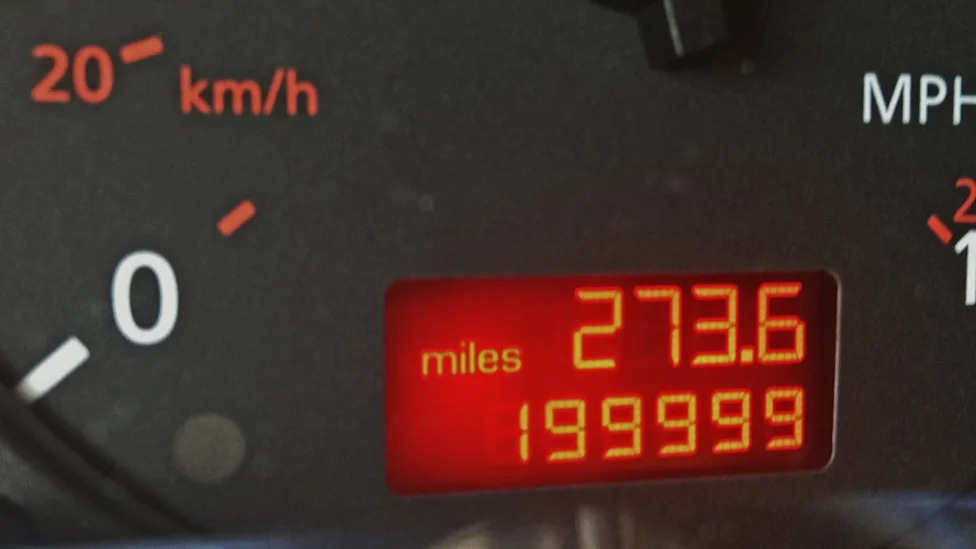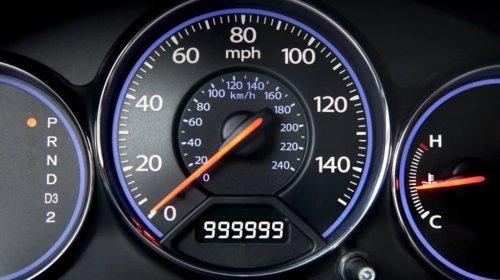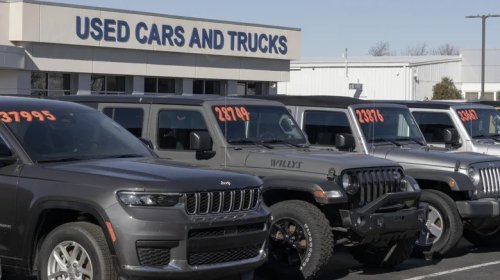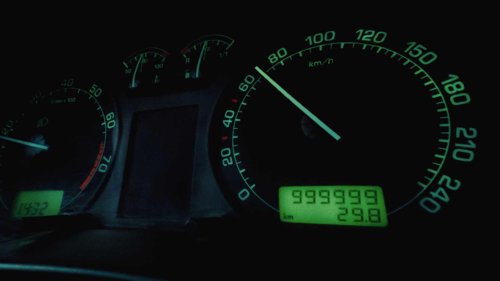
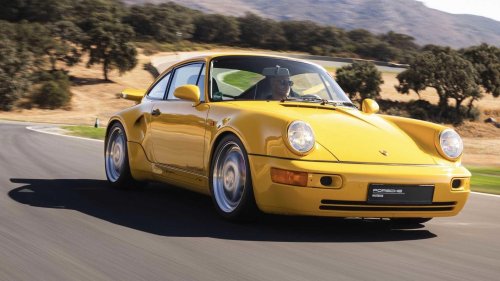

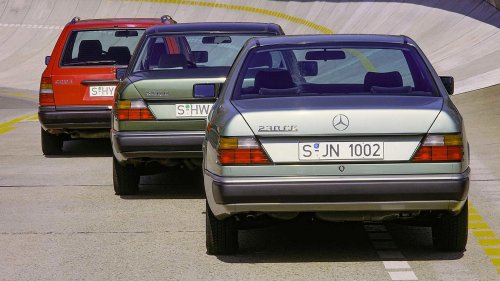



















Jump LinksIs A Lot Of Miles On A Car Really Such A Bad Thing?Shop And Choose CarefullyDon't Be Afraid To Use Your CarEveryone has different standards when shopping for a car, especially one from the secondhand market, which is awash with cutcost Toyota Corollas and Tesla Model 3s. It pays to do your due diligence when inspecting any potential used vehicle purchase, but some criteria may also be required to narrow down which examples you want to focus on before making the important decision of handing over your money. These range from what optional equipment is featured, to the color, model year, how reliable it is, and, crucially, the indicated mileage.The general impression is that your money is best spent pursuing those with the lowest possible, or fairly low, indicated mileage on the odometer, but is it bad to get a car with high mileage? We discuss this in further detail and, depending on what type of vehicle you are targeting, buying a car with high mileage may be something you are more open to exploring.We provide some reasons why high indicated.reported mileage on any secondhand vehicle should not be a liability. However, we recommend exercising due diligence when shopping for any secondhand vehicle, regardless of mileage. This can extend to having a pre-purchase inspection performed by a qualified service technician or mechanic, which will allow you to get as much transparency about the true condition of the vehicle you are looking to buy. Definition: What Is ‘High Mileage’ On A Used Car? Skoda Everyone has their different opinions on what is considered ‘high mileage’ on any given vehicle, but the consensus in the secondhand market, especially from a buyers’ or mechanics’ viewpoint, is that high mileage typically starts anywhere from 100,000 miles and above; though some may also judge high mileage to start lower, between 80,000–90,000 miles. In extreme cases, (very) high mileage can begin when the odometer shows 150,000–200,000 miles and beyond.Mileage, whether indicated or reported by the seller/s, plays a significant role in how much a used car is worth on the market, especially when attempting to sell it to potential buyers. Alongside factors like factory specification, body/upholstery color, original market (gray import versus locally delivered), and general condition (aesthetically and mechanically), mileage helps establish how used the vehicle has been over the years before it has entered the market."Mileage holds an important place in valuing classic cars, as it provides vital information about the car’s usage and wear over time. Generally, the lower the mileage, the more desirable and valuable a classic car becomes. This is because low-mileage vehicles are often seen as being in better condition."- The Vault Classic CarsIn summary, cars that have low reported mileage are worth more, under the impression that they have experienced less wear and are still close to their original factory state. By contrast, those reporting high mileage are judged (on initial impressions) to have been used heavily and may not be worth as much as an equivalent, ‘mint-condition’ example. This can especially apply to high-end exotic cars, like a Ferrari 458 Italia, as buyers typically enter the market looking to acquire a car that is still relatively in good shape and can hold its value when the time comes for them to sell in the future. Pros Of Buying A High-Mileage Car Is A Lot Of Miles On A Car Really Such A Bad Thing? Porsche There are some positives that come with exploring the possibility of buying a car with high mileage, especially if a certain vehicle from a specific era or time period (production, model year/s) is taking center stage. Higher likelihood of being maintained up-to-date: most manufacturers stipulate scheduled maintenance intervals, especially after 100,000 miles. Provided the car's service records confirm that upkeep has been performed (especially on important items like timing belts, transmission components, and brakes/tires), buying a car with high mileage usually translates to buying a car that has been maintained up-to-date, meaning future owners could be spared some expensive maintenance bills. Instills confidence in its long-term, mechanical (working) condition: high mileage is typically an indicator that the car has been driven and used, which, from a buyer's perspective, should add peace of mind (when combined with a comprehensive service history) that the car is in peak health and can drive normally without any major problems. Indicates regular use of the vehicle: no matter what value or type of car, from a daily driver to high-end sports coupe, it's important to remember that these are still machines that need to be driven and used as they were originally intended and built to do. Consequently, any number of their mechanical components, from engine to suspension and brake parts, can degrade if the vehicle is left sitting unused for extended periods. This can also affect any internal fluids and, depending on outside factors (temperature, etc.), may cause them to become contaminated or become dirty over time. Appropriate for certain models (especially renowned classic cars): on certain classic models, such as 80s/90s (Sacco-era) Mercedes-Benzes, classic Volvos, or models built by Japanese brands (Toyota/Lexus), high mileage is deemed fitting for the car's character, especially as a working example of how attentive engineers were towards these 'Youngtimers' (modern classics) compared to modern cars. High mileage can also add a degree of provenance to applicable cars that have gained recognition by the manufacturers themselves or online stardom. Relatively more affordable to purchase: higher mileage tends to reflect a more ‘affordable’ price point for most cars, both regular models and some that hold collectible value. This can work to a buyer's advantage if they are not fully obsessed with getting their maximum resale value back when the time inevitably comes to sell the car (under their ownership). Cons Of Buying A Car With High Mileage Shop And Choose Carefully Skoda While purchasing a high-mileage car isn’t entirely a liability, it’s still important to exercise due diligence and know what you’re getting into. Just as there are upsides, there can be some disadvantages to buying a car with high mileage you should be aware of. Remaining lifespan of the powertrain: vehicles that use internal combustion engines, petrol or diesel with high mileage will likely have experienced greater wear of their powertrain components, with the engine included. Depending on the type of usage it has been subjected to, a replacement engine may have to be factored in as a potential maintenance expense to keep the car running, which can be costly. Even plug-in hybrid, gasoline hybrid, or electric vehicles have a shelf life when it comes to their drivetrain components that require replacement after a certain point (batteries, motors). Remaining life of the transmission: just like engines, transmissions (manual/automatic) experience wear over time, and high mileage can hint that they may also have more wear accumulated on them. High indicated mileage can also significantly impact confidence when purchasing a car equipped with more complex transmissions, such as single/electronically-operated clutch units or CVTs (Continuously Variable Transmissions), which utilize more delicate, fragile components that require more attentive upkeep. More visible cosmetic wear: high-mileage cars still wearing their original bodywork or interiors will typically display more apparent wear on the paint and upholstery materials, respectively; unless they have received prior preservation (paint-protection film) or undergone refurbishment. More maintenance/upkeep is required: while some models are renowned and have reputations for being relatively trouble-free (even after accumulating high mileage), other cars may not be built to the same standards and can sustain themselves for extended periods, or use overtime. Certain 2000s-era luxury models, for instance, with complex drivetrain systems or air suspension setups heavily reliant on computers, may not have been built to be roadworthy for the long run and will require far more fastidious upkeep if an owner wishes to keep them running. "High-mileage classic cars may have undergone extensive repairs, restorations, or modifications over the years... additional usage also increases likelihood of wear and tear on various components. Consequently, high-mileage vehicles may require more maintenance, which can impact their value."- The Vault Classic Cars Should You Buy A Car With High Mileage? Don't Be Afraid To Use Your Car Mercedes-Benz Depending on the type of vehicle you are targeting, buying a car with high mileage may not be a factor in discounting it altogether from your shortlist. While low miles on the surface may reflect a higher premium (and potential return on investment upon resale) and a car that still has plenty of life remaining, this approach, largely observed on collectible supercars/limited-edition models on the used market, doesn't necessarily translate to a car that is 'turn-key' ready and able to be used immediately (without preventative maintenance). Don't forget that components break down if left unused, and some experts even state that reselling a low-mileage car can have its own difficulties, especially with classic or vintage models."While you should aim for low classic car mileage to preserve its value, you still need to drive your (classic) car regularly. Otherwise, your engine may rust, and other internal components can become more fragile... A car with too few miles may be a red flag for buyers because it means the vehicle remained idle for long periods. "- Classic Auto InsuranceStandards will vary across different types of secondhand vehicles, as high mileage on a car destined to be used for road trips or extensive use on the road (e.g., courier transport, taxi service in remote areas) is not the same context as what is perceived as 'high mileage' on a collectible supercar. Ultimately, it's important to remember that, when considering any used car, its past use, how regularly it's been maintained, and evidence that it's been cared for by past keepers all contribute to deciding whether it's worth your money and effort. In other words, “you are buying the seller's (trust), not the car.” It’s worth being open to considering a high-mileage vehicle, provided due diligence is exercised with enough service documentation and any supplementary materials to back up confidence in its longevity.