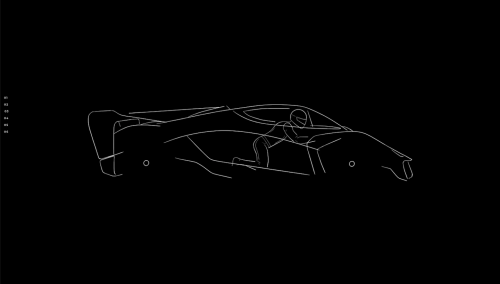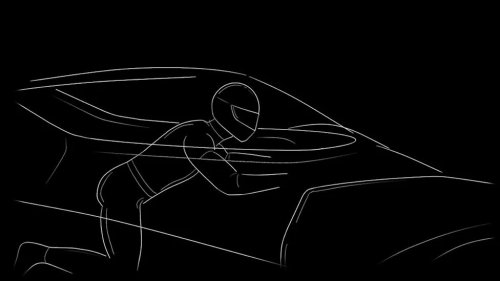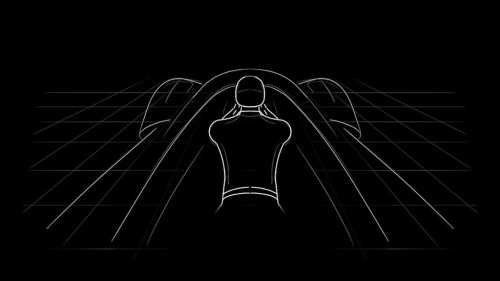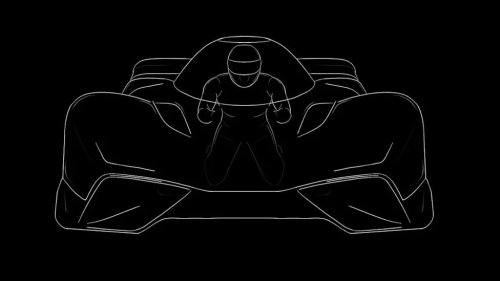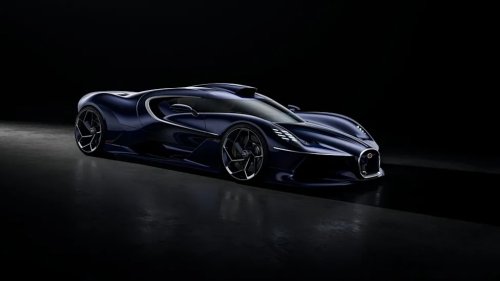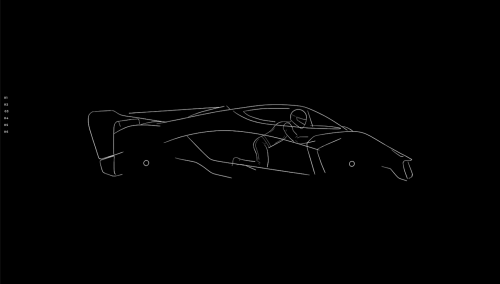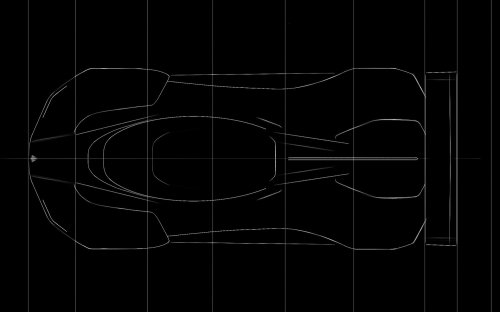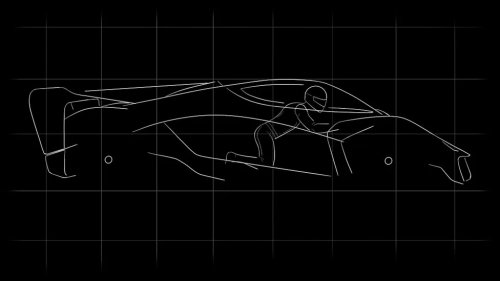
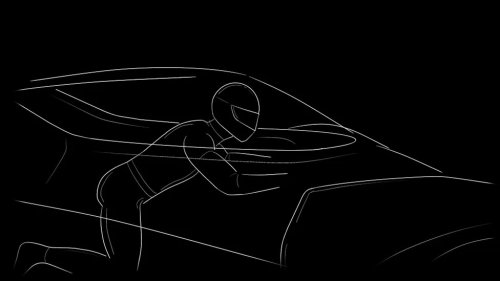
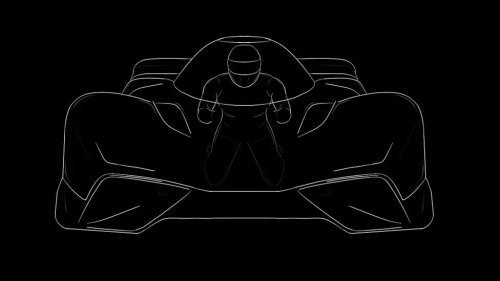
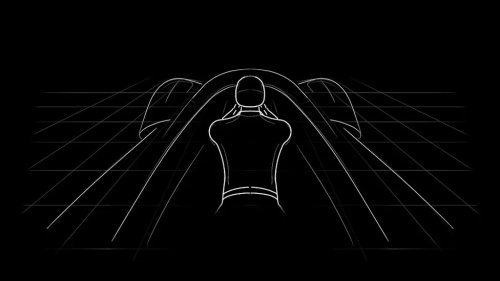



















Image Credit: Sanrivatti.The hypercar world is no stranger to bold ideas, but a newly revealed startup may be preparing one of the most unconventional concepts the industry has seen in years. A company called Sanrivatti has unveiled details of a future hypercar project that abandons traditional seating arrangements in favor of a driving position inspired by high-performance motorcycles.Known as the "Apex Position," the concept places the driver in a forward-focused, centrally mounted position designed to create a more direct connection between human and machine. Rather than sitting upright in a conventional seat, the driver adopts a posture that resembles that of a superbike rider tucked in behind a windscreen.Sanrivatti believes this radical layout can fundamentally change how drivers experience acceleration, braking, cornering, and vehicle feedback. The startup argues that modern performance cars have become increasingly isolated through layers of technology, electronic systems, and packaging constraints.AdvertisementAdvertisementWhether the concept ultimately proves practical remains an open question. What is certain is that Sanrivatti has already captured the attention of enthusiasts by challenging one of the most basic assumptions in automotive design: how a driver should sit inside a car.The Inspiration Comes From SuperbikesImage Credit: Sanrivatti.The idea behind the Apex Position originated with Sanrivatti founder and CEO Santiago Sanchez Rivero, who drew inspiration from the world of high-performance motorcycles.According to the company, motorcycle riders experience a uniquely direct relationship with their machines. Changes in body position, balance, and movement immediately influence how the vehicle responds, creating a level of engagement that many modern cars struggle to replicate.Sanrivatti's solution is to move the driver closer to the center of the action. The driver sits in a central position within the cockpit while adopting a forward-leaning posture intended to improve awareness and enhance physical connection with the vehicle.AdvertisementAdvertisementThe company says the arrangement allows occupants to move more naturally with the car during dynamic maneuvers while providing a heightened sense of balance and control.A Hypercar Designed Around the DriverImage Credit: Sanrivatti.Most modern supercars and hypercars are engineered around packaging requirements, aerodynamic targets, and powertrain placement. Sanrivatti claims it is approaching the problem from the opposite direction.The startup says the human element serves as the foundation of the vehicle's architecture, with the rest of the car designed around the driver's position and experience. The goal is to make the driver a more active participant rather than a passive occupant surrounded by technology.Early teaser images suggest the vehicle will feature a central seating layout beneath a fighter-jet-style canopy. The design also appears to incorporate a dramatic wedge-shaped profile, muscular rear haunches, and an integrated rear wing intended to generate high-speed downforce. At this stage, however, Sanrivatti has revealed very few technical details about the vehicle itself.Experienced Industry Veterans Join the ProjectImage Credit: Sanrivatti.Although the company is still in its early stages, Sanrivatti has assembled a team with experience from some of the industry's most respected performance brands.AdvertisementAdvertisementAmong the notable appointments is Paul Arkesden, who previously held engineering leadership roles at McLaren Special Operations and Singer Vehicle Design. Arkesden also played a significant role in the development of the McLaren P1 hypercar.The company has also enlisted Geoff Dowding as a commercial strategic advisor. Dowding brings experience from senior positions at Bentley, Lotus, Harley-Davidson, and Al Habtoor Motors.Those additions suggest Sanrivatti is serious about transforming its ambitious concept into a production-ready vehicle rather than simply presenting an eye-catching design study.Plenty of Questions RemainFor now, many of the most important details remain unknown. Sanrivatti has yet to reveal information about the vehicle's powertrain, performance targets, chassis design, or production timeline.AdvertisementAdvertisementThe startup has also not disclosed whether the vehicle will use an internal combustion engine, a hybrid system, or a fully electric architecture. Teaser images hint at a possible mid-engine layout, but the company has not confirmed any mechanical specifications.That uncertainty is understandable given the company's early stage of development. The automotive industry is filled with examples of ambitious startups that generated excitement but never reached production.Reinventing the Driving ExperienceEven so, Sanrivatti's proposal stands out because it focuses less on outright speed and more on driver engagement. In an era when many hypercars compete through increasingly extreme horsepower figures and advanced electronics, the startup is attempting to rethink the physical relationship between driver and machine.The concept may not appeal to everyone. Some enthusiasts will undoubtedly question whether a face-forward riding position can deliver meaningful advantages over traditional sports-car seating arrangements.AdvertisementAdvertisementYet innovation often begins with ideas that initially seem unconventional. If Sanrivatti can successfully translate its motorcycle-inspired philosophy into a functional hypercar, it could offer one of the most distinctive driving experiences in the modern performance car landscape. Whether that vision becomes reality remains to be seen, but it is certainly one of the more intriguing concepts to emerge from the hypercar world in recent years.If you want more stories like this, follow Guessing Headlights on Yahoo so you don't miss what's coming next.