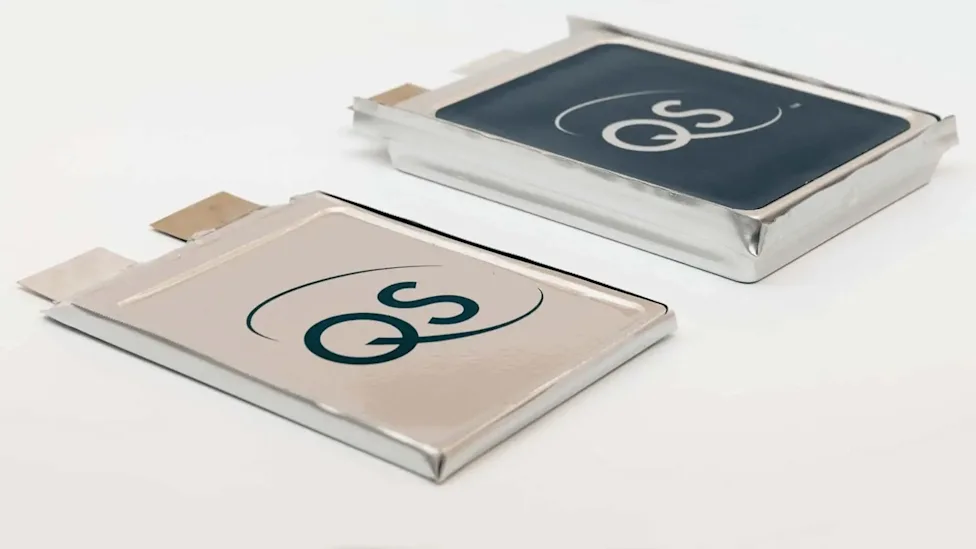
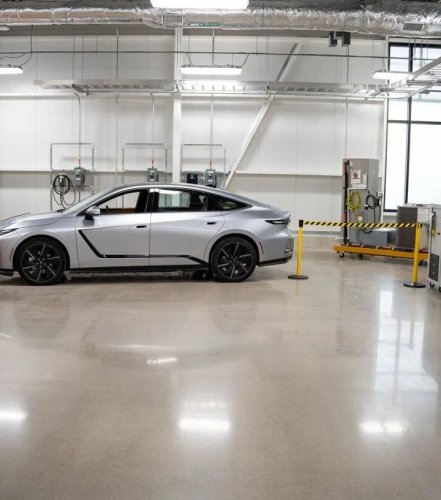
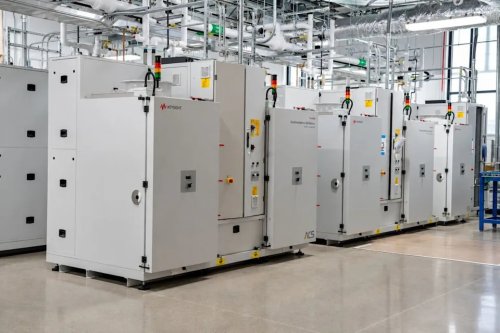
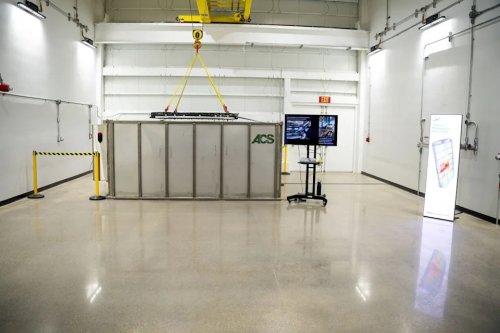
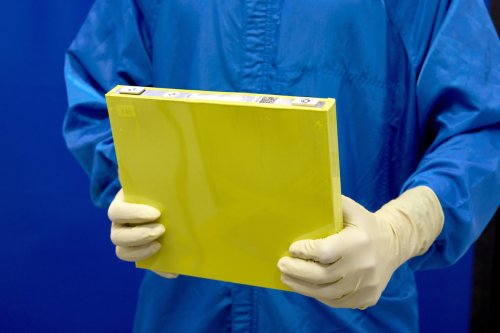
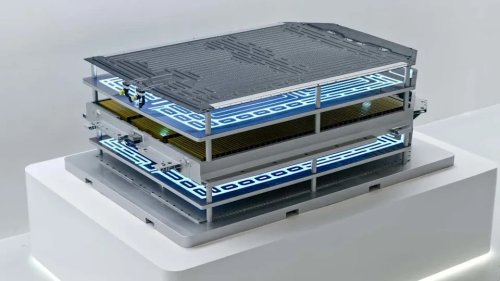
Photo Credit: QuantumScapeHonda's latest EV push includes a new solid-state battery partnership with startup QuantumScape.What happened?Honda and QuantumScape have entered a joint research deal centered on solid-state battery cells and the challenge of producing them at scale, as InsideEVs reported.Behind the scenes, Honda had reportedly been evaluating QuantumScape's technology, but the company has now decided to make the partnership public. QuantumScape said the agreement "includes a multi-year plan focused on solid-state battery development and associated manufacturing processes."AdvertisementAdvertisementEven though Honda had to cancel the development of a planned lineup of EVs earlier this year, they remain enthusiastic about this new partnership. Beyond passenger vehicles, Honda said it sees "a range of applications, including automotive" for QuantumScape's cells. This collaboration reflects a broader industry effort to bring innovative battery technology out of the lab and into commercial production. The announcement comes as the race to commercialize next-generation EV batteries intensifies, with automakers seeking breakthroughs to improve range, safety, and charging speed for customers.QuantumScape recently began a pilot run of lithium-metal cells on an automated manufacturing line in San Jose. Rather than supplying batteries directly through a traditional model, the company has said it wants automakers to license its intellectual property and manufacturing process. Why does it matter?The Honda and QuantumScape partnership is significant because solid-state batteries are viewed as one of the most promising advances in EV technology. The appeal of solid-state batteries comes from a basic materials change: instead of the liquid electrolyte used in today's lithium-ion batteries, they use a solid one. AdvertisementAdvertisementThis could lead to safer packs, greater energy density, and faster charging, leaving many in the EV community to call them the technological "holy grail" of batteries.Back in 2024, Honda stated that its solid-state batteries could be half the size, 35% lighter, and 25% less expensive to make than current cells, while delivering 620 miles on a full charge. If those gains materialize, drivers could see easier road trips, fewer charging stops, and potentially lower vehicle prices if manufacturing costs fall.Honda has also indicated the technology may have uses beyond cars, which could open the door to additional applications.The biggest challenge, however, remains scaling the technology and producing it reliably in high volumes. But as development moves forward, this partnership could mark a step in the right direction towards faster, more reliable solid-state EV batteries reaching the commercial market in the future.AdvertisementAdvertisementGet TCD's free newsletters for easy tips, smart advice, and a chance to earn $5,000 toward home upgrades. To see more stories like this one, change your Google preferences here.



















 +27 others















![Watt's up, doc? Huddig hybrid loader gets a big battery boost [video]](https://cdn.topcarnews.net/thumb/id/aHR0cHM6Ly9pMC53cC5jb20vZWxlY3Ry-ZWsuY28vd3AtY29udGVudC91cGxvYWRz-L3NpdGVzLzMvMjAyNi8xMC9odWRkaWct-aHlicmlkX21haW4uanBnP3c9MTUwMCZh-bXA7cXVhbGl0eT04MiZhbXA7c3RyaXA9-YWxsJmFtcDtzc2w9MQ/ea51c544798341190a5eed718aab1ee3.jpg?t=20261004&post_id=67784)