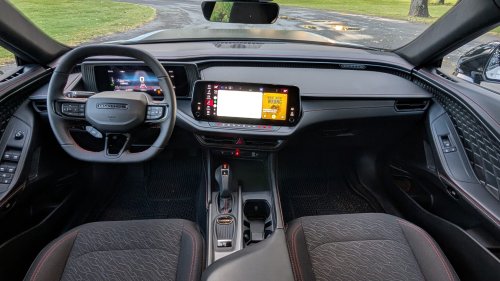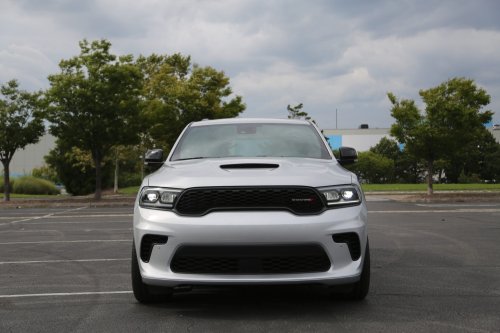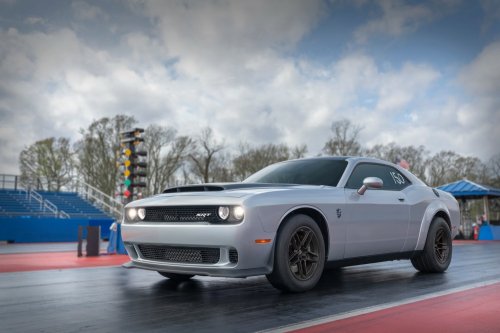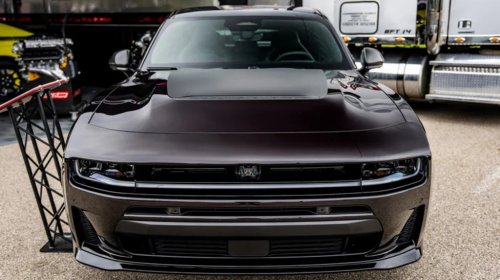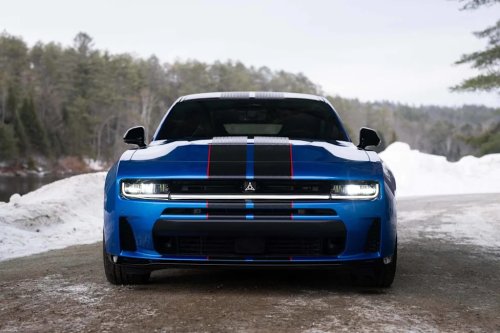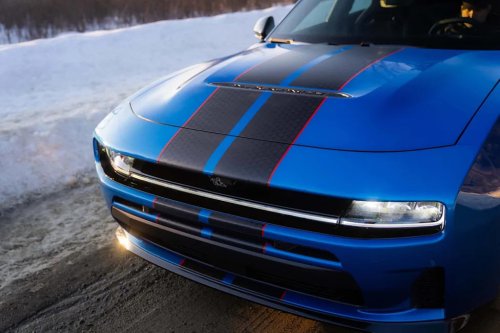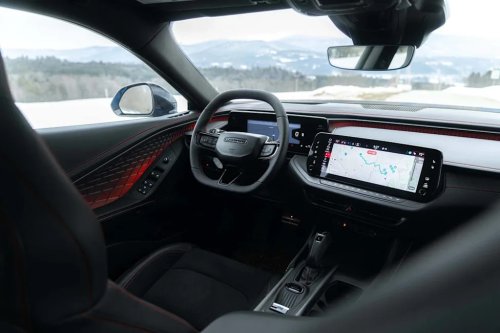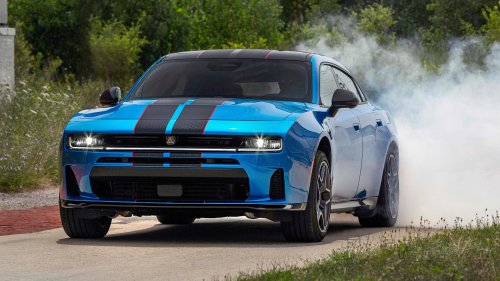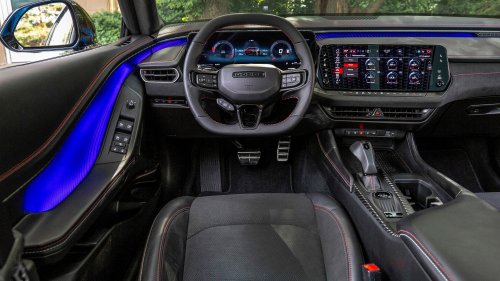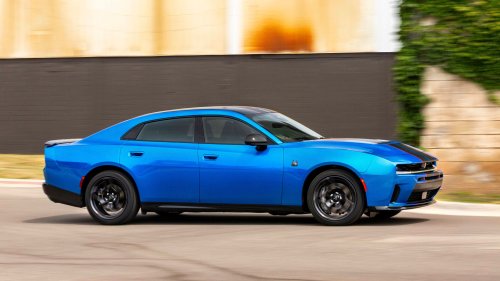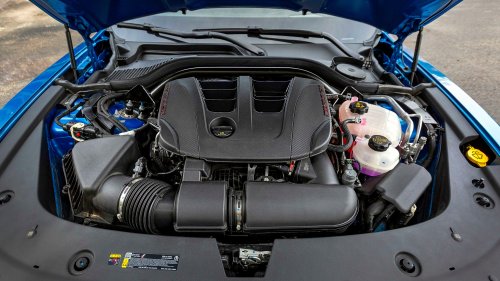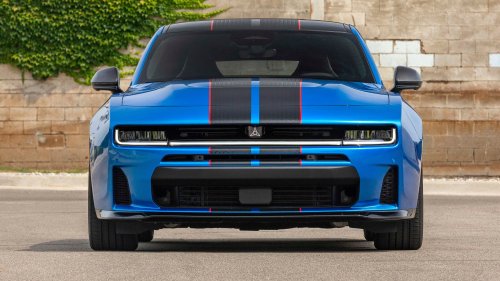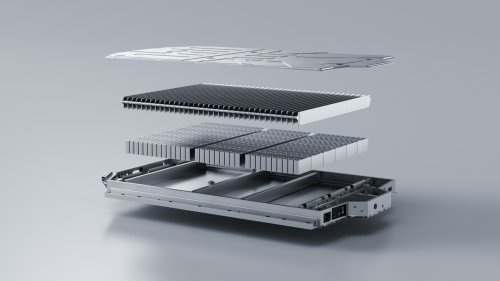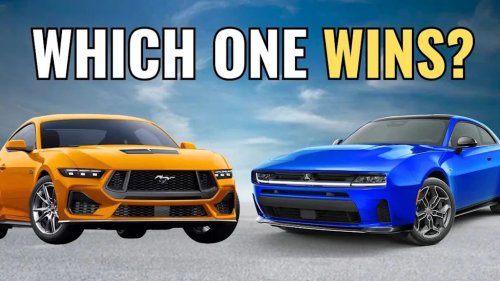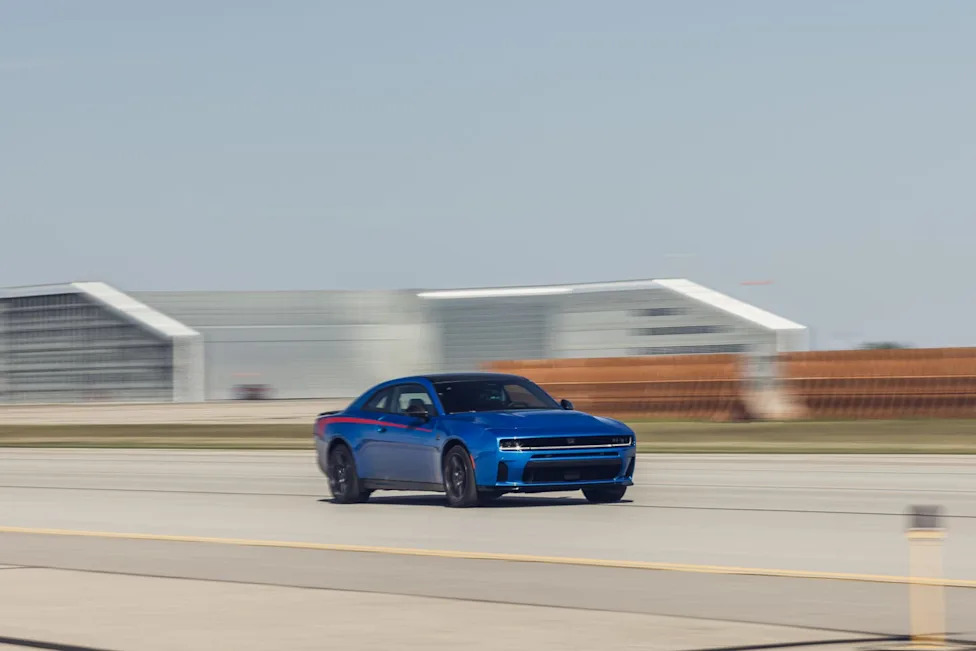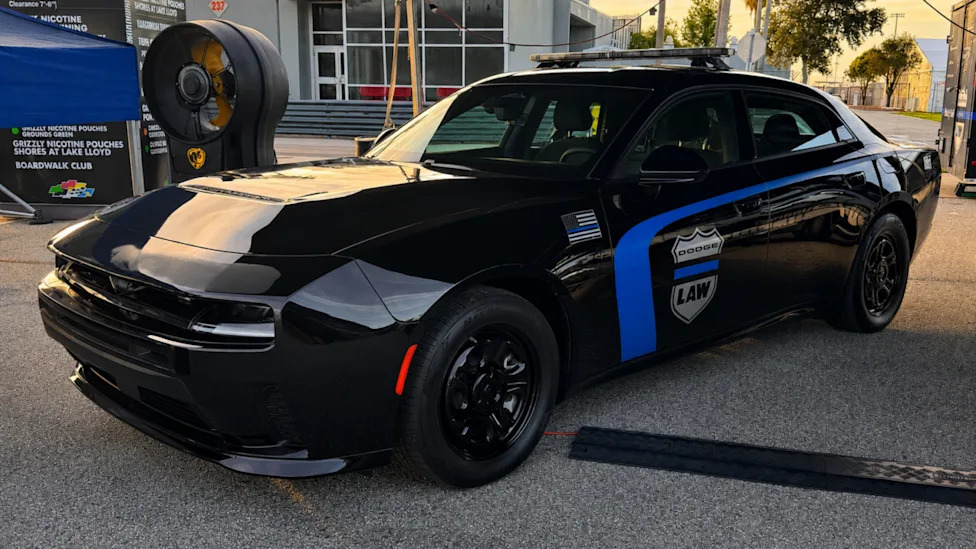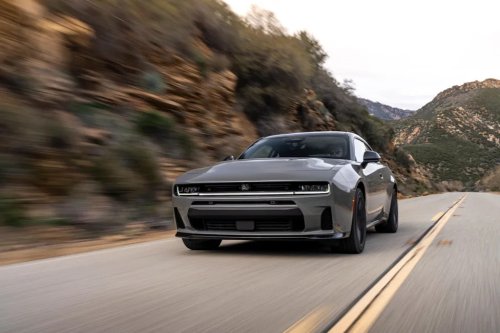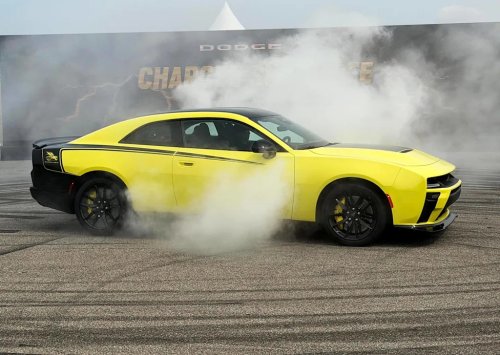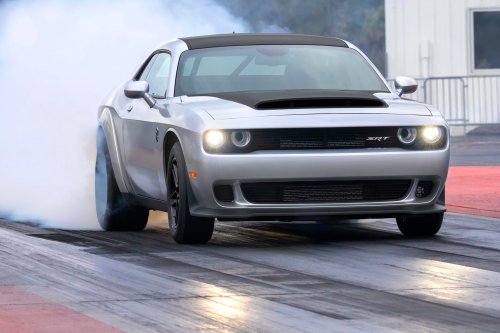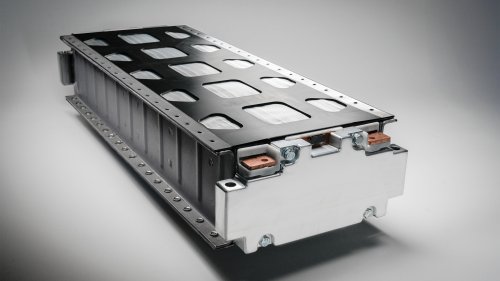
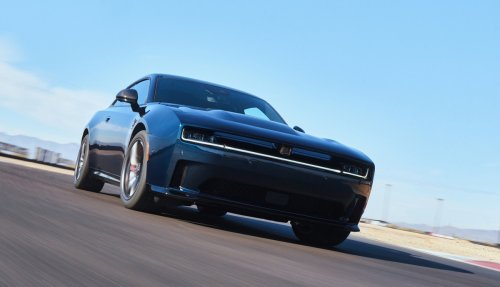
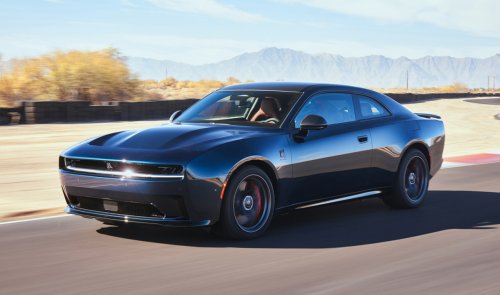
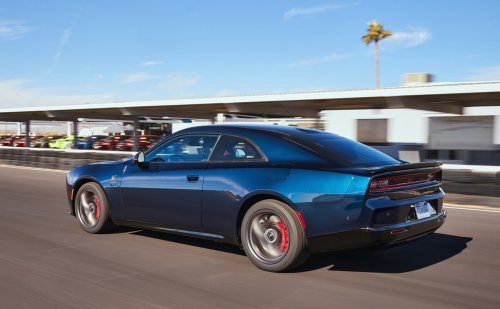
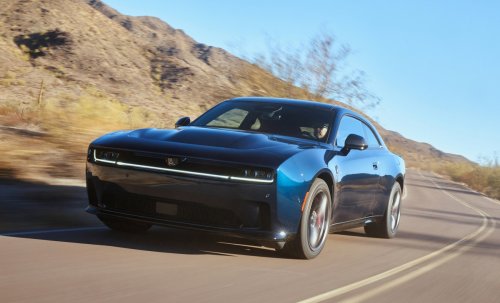
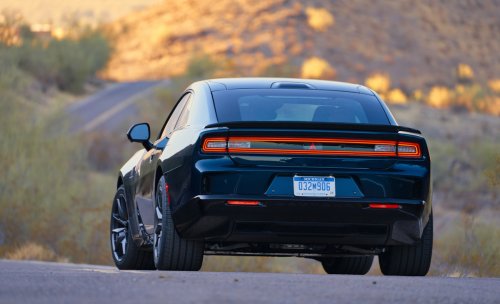
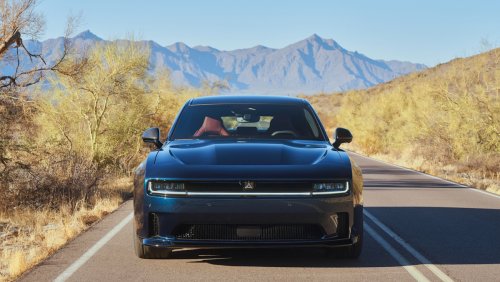



















Factorial’s solid-state batteries can charge from 15-90 percent in 18 minutes. Stellantis is now starting a road-testing program for the innovative new battery. Factorial counts Hyundai, Kia, Mercedes, and Stellantis among its investors. Solid-state batteries could rewrite the rules for EVs, and nearly every major automaker has a team chasing them toward production. Stellantis belongs on that list, and it has just started testing advanced solid-state cells in what is arguably its least desirable EV. Working with American battery manufacturer Factorial, Stellantis has equipped a Dodge Charger Daytona with new solid-state cells. The company says the cells were incorporated into the battery pack through a “new mechanical architecture,” designed in-house. Read: Mercedes Needed A Solid-State Battery To Match Lucid’s EV Range Record We don’t know how large the battery pack on this Charger Daytona prototype is, nor what driving range it offers. With that being said, Factorial’s cells have an energy density of up to 375 Wh/kg and can charge from 15 percent to 90 percent in just 18 minutes, all while working seamlessly in temperatures ranging from -30°C through to 45°C (-22°F – 49°F). Stellantis will now commence a road-testing program for the solid-state battery pack, ensuring it’s up to scratch and delivers the reliability, range, and charging performance needed for solid-state battery technology to be adopted at scale, potentially replacing LFP and NMC batteries. Mercedes Using The Same Tech While you may not be familiar with Factorial, the company has financial backing from Mercedes, Hyundai, Kia, and Stellantis. Last year, a Mercedes-Benz EQS prototype covered 748.8 miles (1,205 km) on a solid-state pack from Factorial. What makes that run more impressive is that the car finished with an estimated 85 miles (137 km) of range to spare, so it could have gone even farther. “We are deeply honored to work alongside Stellantis, one of the world’s great mass-market automakers, on this STLA Large-based development car,” Factorial chief executive Siyu Huang said. “What we have built together, from cell chemistry to pack architecture to enable real-world road testing, is exactly the kind of deep, full-stack collaboration that solid-state has always required.” Stellantis hasn’t said when it wants to start producing and selling cars with solid-state batteries, but it’s likely at least a few years off.