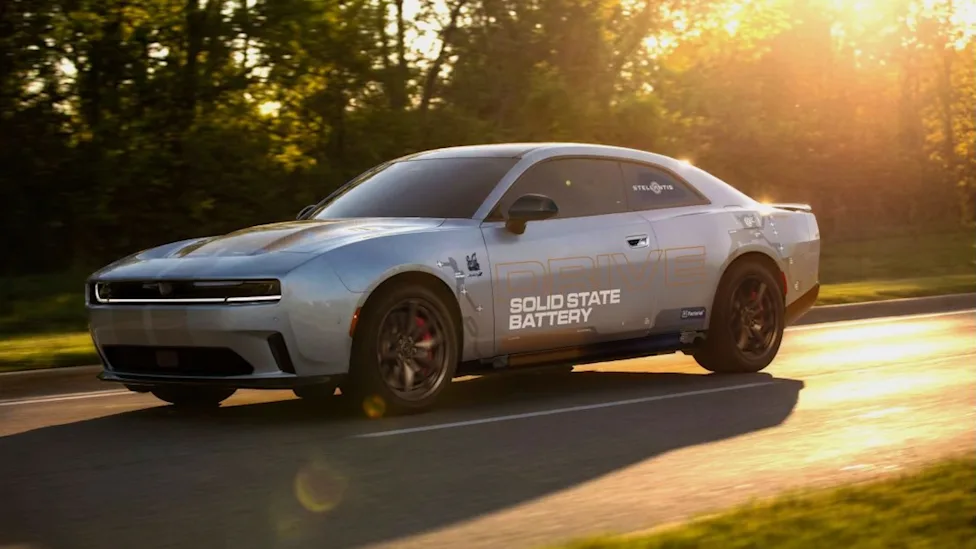
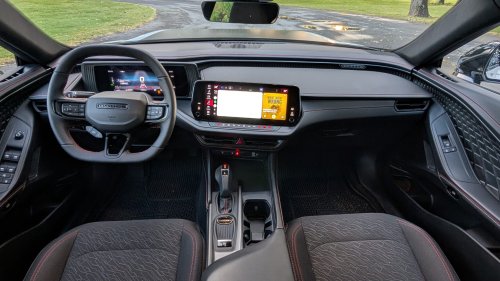
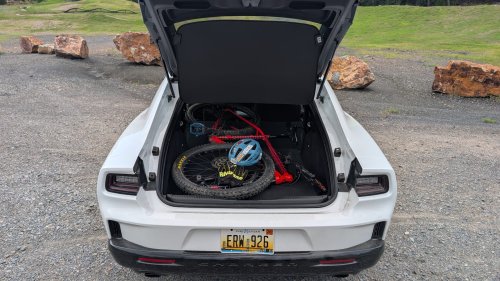
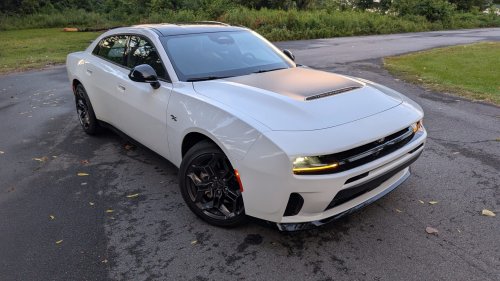
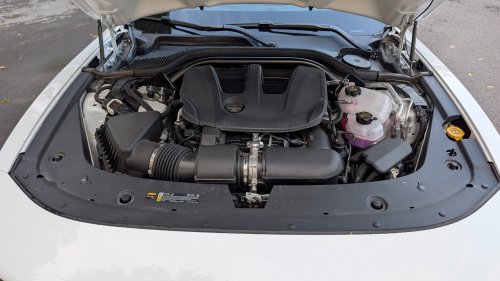
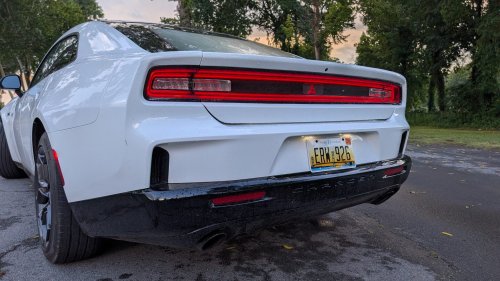
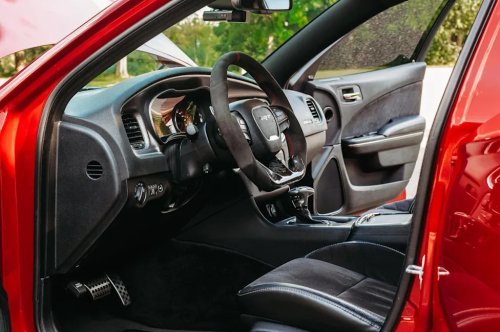
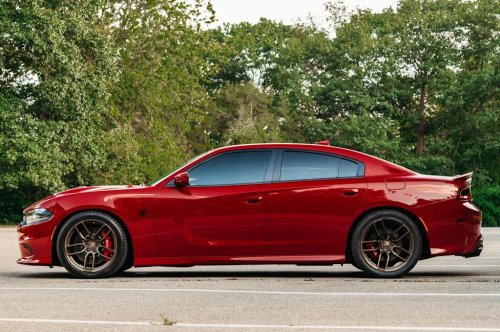
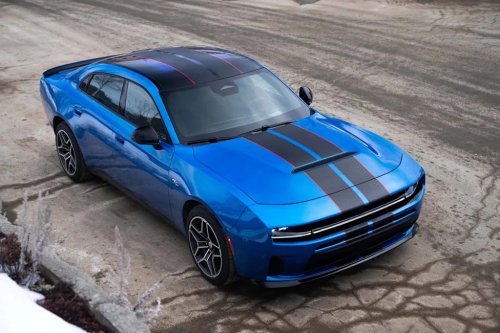
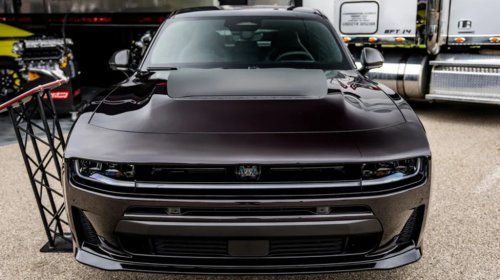
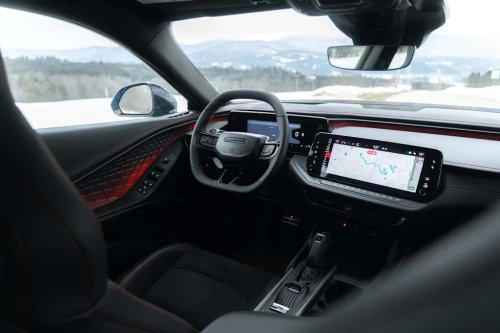
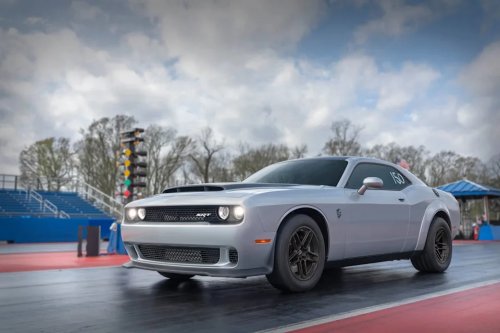
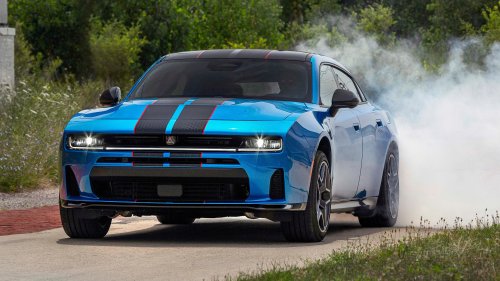
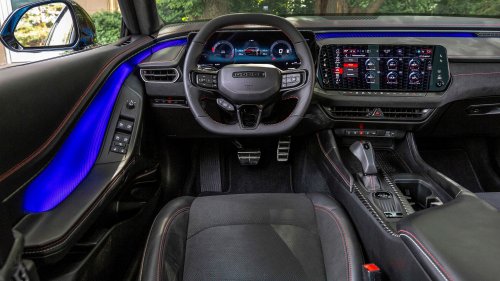
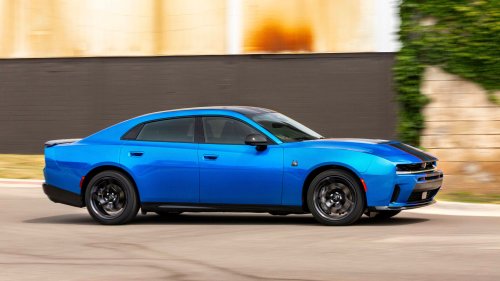
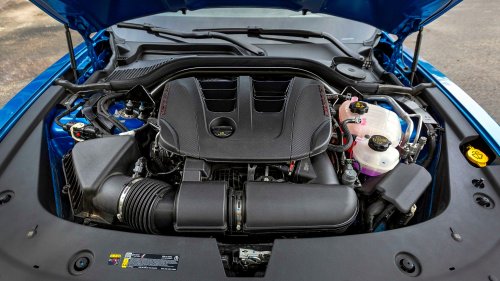
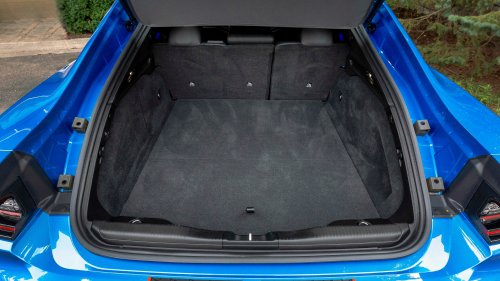
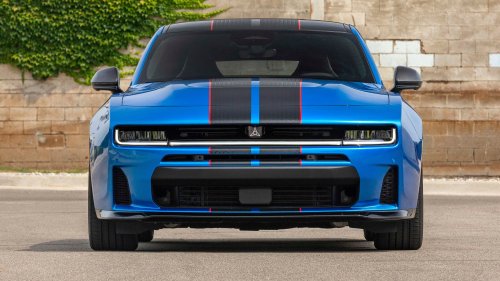
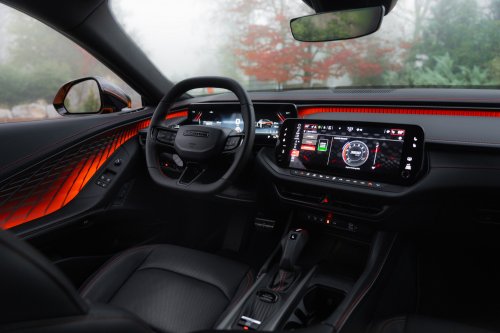
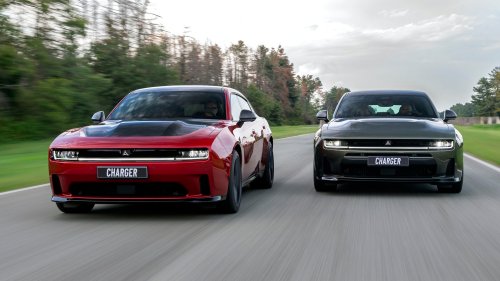
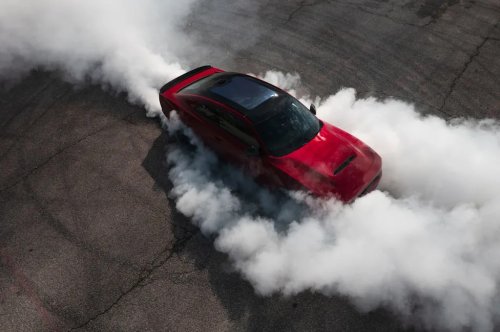
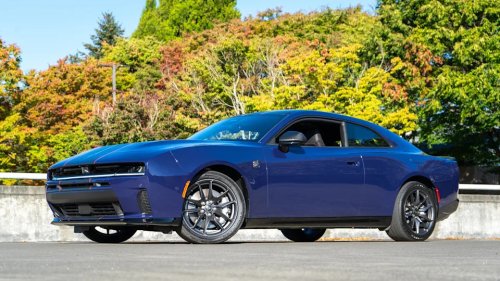
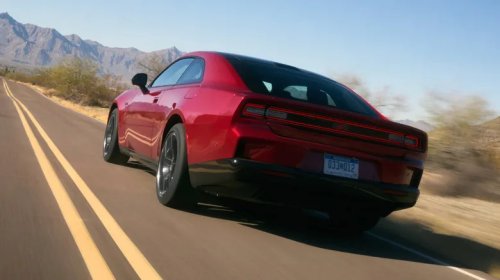
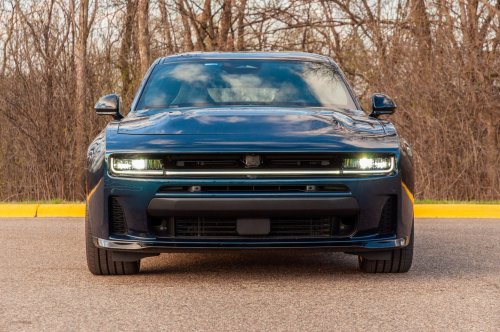
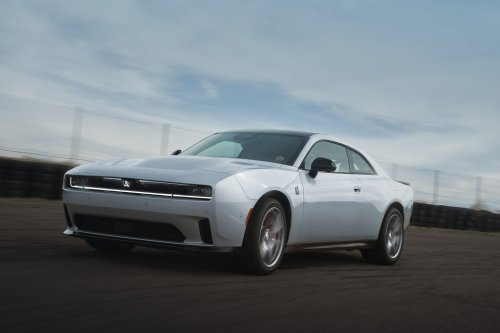
Photo Credit: StellantisStellantis has put one of the auto industry's most closely watched battery concepts into a vehicle prototype, taking it beyond lab work.The automaker says a Dodge Charger Daytona prototype now uses battery cells from Factorial, an early sign that new EV battery designs may be moving closer to everyday use.What happened?Stellantis says it fitted the test vehicle with Factorial Electrolyte System Technology solid-state cells and started on-road evaluation, according to Electric Cars Report.AdvertisementAdvertisementIt is the first time the company has put solid-state battery cells into one of its vehicles for testing."This milestone shows we are bringing solid-state batteries closer to our customers with the potential for longer range, faster charging, and lower costs," Stellantis chief engineering and technology officer Ned Curic said, per Electric Cars Report.According to Stellantis, the latest FEST cells had already reached several key validation benchmarks: 375 watt-hours per kilogram in energy density, charging from 15% to 90% in 18 minutes, and operation across temperatures from minus-30 degrees Celsius (minus-22 degrees Fahrenheit) to 45 C (113 F).To integrate them, Stellantis engineers adapted an existing battery pack with a newly patented mechanical layout. They also updated the battery management system and pack controls for normal driving and charging.Why does it matter?For years, solid-state batteries have been seen as a possible leap forward for electric vehicles. Compared with conventional lithium-ion batteries, they could provide higher energy density, faster charging, improved safety, and lower costs.AdvertisementAdvertisementIf those gains hold up on the road, they could make day-to-day life easier in several practical ways. Faster charging would mean less time waiting at public chargers or on road trips. Higher energy density could unlock longer driving range. Better performance in extreme cold and heat could also make EVs more dependable in harsh weather, which is particularly important for commuters, delivery fleets, and cities working to keep transportation running smoothly.Manufacturing could be part of the advantage as well. Stellantis has said FEST technology works with existing lithium-ion production processes, which could make scaling easier without the need to rebuild supply chains. That could lower costs for automakers, businesses operating fleets, and drivers alike.AdvertisementAdvertisementFactorial CEO Siyu Huang called the integration an important advancement for automotive-grade solid-state battery development and said it set a higher standard for what the technology can do in production-oriented applications.Together, the companies are now focused on the next major test: whether those lab-based promises can hold up in everyday driving.Get TCD's free newsletters for easy tips, smart advice, and a chance to earn $5,000 toward home upgrades. To see more stories like this one, change your Google preferences here.