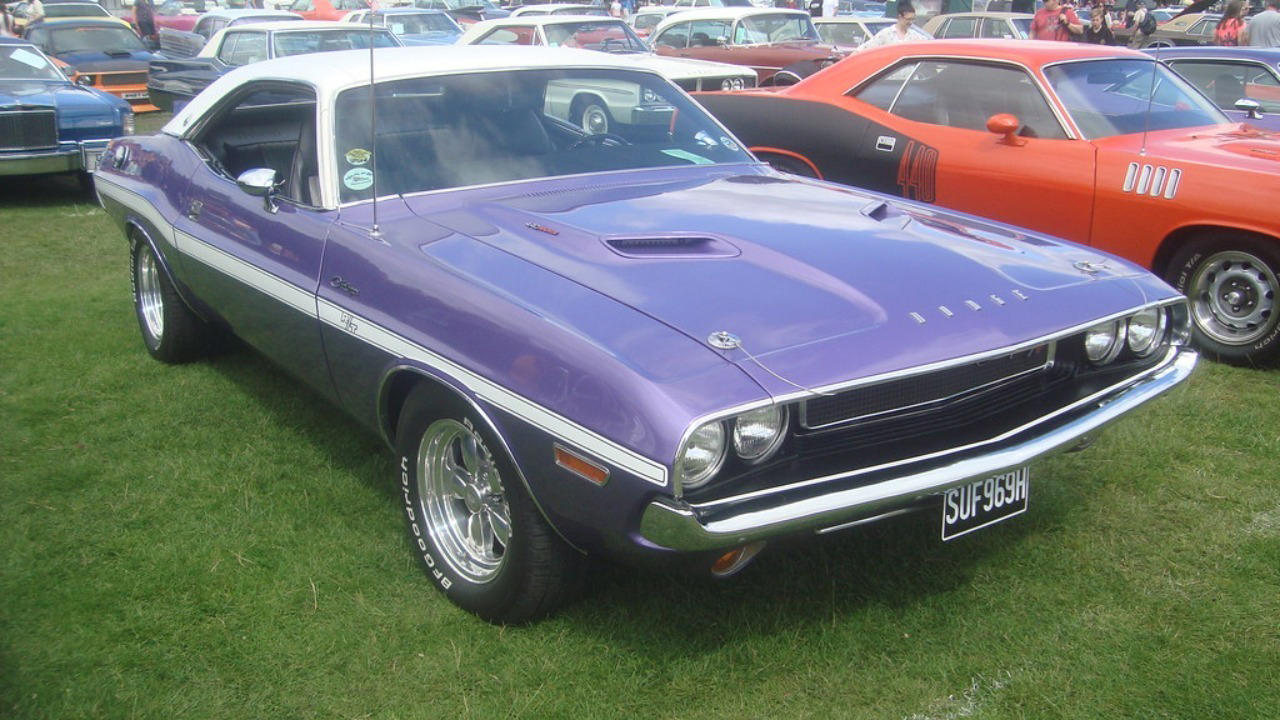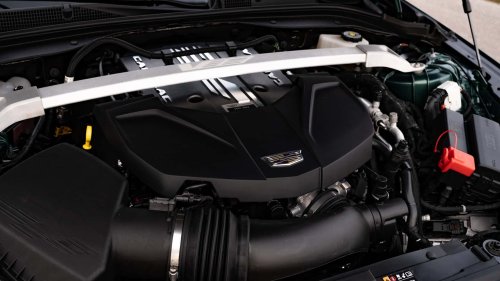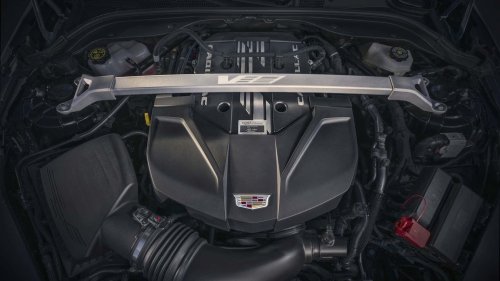


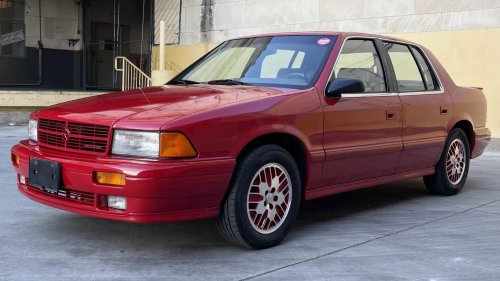

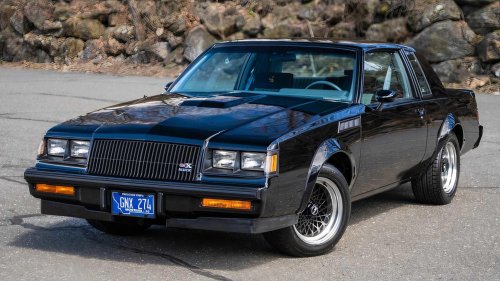
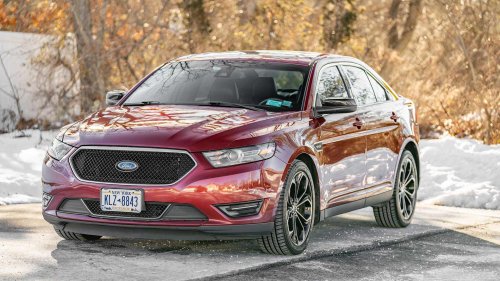



















It's the classic scenario whereby an engine transforms an otherwise modestly performing car into a halo or flagship thanks to a big injection of power. Back in 1964, the Pontiac Tempest effectively kickstarted the first muscle car era when it received the 6.4-liter Pontiac V8. Oftentimes, but not always, stuffing a powerful engine into an otherwise humdrum machine produces interesting results, a phenomenon that results in the adage 'bang-for-buck'. These models were all overhauled in one way or another. Still, arguably the focus is on the extra power and torque supplied by the engine, usually a swap for something that totally transformed the model on what it was based when it came to performance.In order to give you the most up-to-date and accurate information possible, the data used to compile this article was sourced from various manufacturers and other authoritative sources, including Hagerty, Classic.com (for values), and Hemmings. GMC Syclone Chevrolet LB4 V6 Bring A Trailer GMC Syclone: Basic Specs In 1991, the return of performance trucks was underway and the GMC Syclone was unlike anything else. It was different compared to the Chevy 454 SS - a larger truck with rear-wheel drive and V8 power. Instead, the Syclone was based on the small Sonoma pickup and utilized turbocharged V6 power. Thanks to the Chevy V6's huge output and all-wheel drive to apply it, the Syclone was faster than any other factory pickup and beat a Ferrari 348 ts in a famous automotive outlet comparison. It was produced in limited numbers between 1991 and 1992 and laid the way for the GMC super SUV. Chevrolet 454 SS Chevrolet 454 Big Block Mecum Chevrolet 454 SS: Basic Specs The Chevy 454 SS was released in 1990 and produced until 1993. It had muscle car in its DNA, with the long-running 7.4-liter big block V8 and a decent power and torque package for quick acceleration, reminding enthusiasts of the iconic muscle cars of the 70s. Rear-wheel drive and a three-speed transmission were included to be light and tough.Built to stand out rather than tow or haul heavy loads, the 454 SS was decorated with a blacked-out exterior, red interior, and other aesthetic details, including the memorable '454 SS' decals. The model shows how the inclusion of an archaic big block engine that first debuted around two decades before could turn a half-ton Chevy truck into a desirable toy. Cadillac CTS-V Chevrolet LS6/LS2 Small Block Bring A Trailer Cadillac CTS-V: Basic Specs Cadillac's 'V' performance line has a reputation for turning regular models into performance ones with the help of a flagship engine. If a Chevy Corvette was too impractical for you, there was a four-door sedan with the same engine. Chevy's LS6 engine from the 'Vette debuted in the first-gen CTS-V, replaced with the LS2 after, which was the later C6 Corvette engine. Both offered largely the same output though.A V8 shared with a real sports car turned a modest luxury sedan into something special indeed. Rounding off this excellent sports sedan is the rear-wheel drive setup and standard manual transmission, as well as the chassis and suspension tuning that accompanied the CTS-V. The second generation featured the LSA V8 based on the Corvette ZR1's LS9. Pontiac Grand Prix GXP Chevrolet LS4 Small Block Fitting a 5.3-liter LS4 V6 transversally into the final-generation Pontiac Grand Prix's engine bay might have been a squeeze, but making it handle well was even more difficult. A heavy V8 over the front wheels in a front-wheel drive car is not ideal for dynamics, but the engineers at Pontiac managed to solve some of the understeer and torque steer issues. This included the use of equal-length driveshafts, weight management, and even a staggered tire setup with wider tires at the front.Today, the GXP remains an interesting alternative to other sports sedans and has been reported as capable of hitting 60 mph in the 5-second range. Regular engines in the Grand Prix range were more modest, consisting of a 3.8-liter V6, producing 200 horsepower or 260 horses in supercharged form. Chrysler 300 SRT-8 Chrysler 372 Hemi V8 One of the greatest examples of how an engine can turn a sedan into something more than the sum of its parts, the flagship Chrysler 300C featured a 5.7-liter Hemi engine. It sat above the 2.7-liter and 3.5-liter V6s offered elsewhere in the range, producing 340 horsepower compared to the 190-250 horsepower rating of the V6s. An SRT-8 option was offered for those who needed more power, a 6.1-liter Hemi with 425 horsepower. In this form, the rear-wheel drive car could hit 60 mph in under five seconds, an impressive feat for a 4,000+ pound luxury sedan. It gave the 300 SRT-8 the firepower and charisma to turn it into one of the few modern four-door muscle sedans. Dodge Spirit R/T Chrysler 'Trenton' Turbo III BringATrailer Dodge Spirit R/T: Basic Specs A powerful engine in a relatively lightweight car can transform even the most basic and affordable of sedans into a cheap muscle machine. Unfortunately, the Dodge Spirit R/T wasn't powered by a V8 and was front-wheel drive. However, the turbocharged Chrysler four-cylinder 'Turbo III' provided the same power as a contemporary Ford Mustang (one horsepower less), and the R/T could hit 60 mph in the five-second range.Styling and exterior differences amounted to cast-aluminum snowflake wheels (not unique to the R/T), custom front and rear bumpers, and other minor cosmetic upgrades. Produced in around 1,400 examples, today the Spirit R/T is an affordable and quirky alternative to other compact performance cars, not the most potent vehicle to carry an R/T badge, but one deserving of the badge anyway. Jeep Grand Cherokee SRT-8 Chrysler 372 Hemi V8 Jeep took the Grand Cherokee, a luxury-oriented SUV, and gave it a proper makeover in the form of the SRT-8 from 2006. Since it carries the iconic 'SRT-8' badge, performance and V8 charisma are guaranteed, even in a heavy 4,800-pound brick. Various exterior panels or components such as the bumpers were altered to give the Jeep Grand Cherokee SRT-8 a muscular look and Brembo brakes and upgraded Bilstein shocks were fitted.It was faster than the Mercedes-Benz ML 63 AMG 4MATIC or Porsche Cayenne Turbo S from the era which is saying something; 0-60 mph was possible in 4.5 seconds. The 6.1-liter Hemi (also seen in the Chrysler 300 SRT-8 and Dodge Challenger/Charger models of the same name) transformed the Cherokee from a comfortable off-roader to a quarter-mile warrior. Dodge Ram SRT-10 Chrysler Viper V10 Bring A Trailer Dodge Ram SRT-10: Basic Specs Any time the badge 'SRT-10' is applied to a vehicle, you know it's going to be formidable. The '10' refers to the ludicrous decision to fit a ten-cylinder engine to the Dodge Ram, one displacing 8.3 liters and that, of course, was the Dodge Viper's engine. A manual was fitted (for the regular cab model), with rear-wheel drive, offering the kind of thrills we'll never see again in a truck, but at the expense of rear tires and, of course, fuel economy. There was lowered suspension, massive 22-inch wheels, and aggressive bodywork fitted. It is still about as aerodynamic as you'd expect, but this marvel is a unicorn, the kind that we'll never get to experience again. Buick GNX Buick V6 Bring a Trailer Buick GNX: Basic Specs A Buick GNX was one of the fastest cars in the world when it was launched, capable of keeping up with a Ferrari 328, but maintaining most of the sleeper look that comes from its Grand National / Regal roots. Based on the Grand National and developed with ASC/McLaren, this was the most exclusive and extreme evolution of the Buick Grand National's lineage, with about 547 units produced. Its power and torque outputs were underrated, and the former was believed to be at least 300 horsepower.The automatic-only approach also utilized by the GMC Syclone and Typhoon is a mark against it for some enthusiasts, but 80s performance cars don't come much more potent, nostalgic, and under-the-radar as this. Like the Syclone it utilized a turbocharged engine in its design which enabled it to be extremely quick, with a 0-60 mph time in the order of four seconds in the dry. MK VI Ford Taurus SHO Ford EcoBoost V6 Classic.com MK VI Ford Taurus SHO: Basic Specs Traditionalists may scoff, but the Ford Taurus SHO (the final iteration and part of the final, sixth-generation of the Taurus) is one of the best modern examples of a car going rogue. It doesn't shout about its power or performance from the outside, nor shout at all really. But under the hood of this American sedan was the twin-turbo EcoBoost V6, capable of more power and torque than the contemporary Ford Mustang GT (that model produced 315 horsepower and 325 pound-feet of torque in 2010).Four-wheel drive was standard, but you couldn't have a manual, which was the thing missing that could have made this sedan more enthusiast-friendly. It was heavier and bigger than previous models, but the SHO, in its final guise, packed a hefty amount of power that made it impressive for the time and, today, a surprisingly good choice for those who are still interested in sedans.