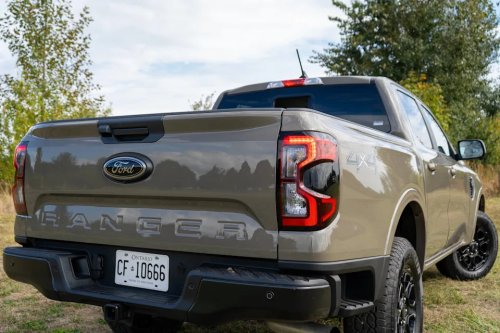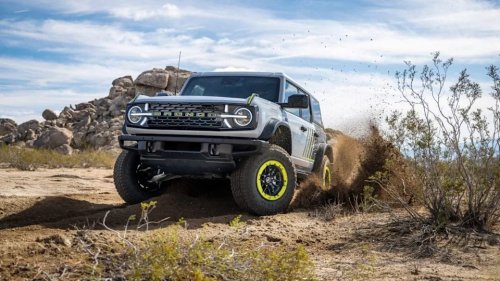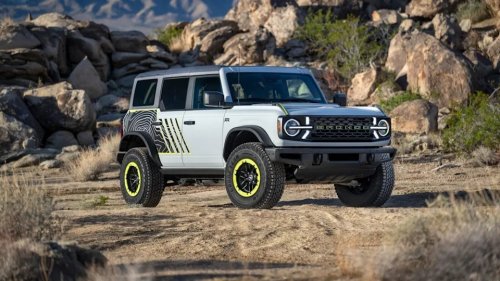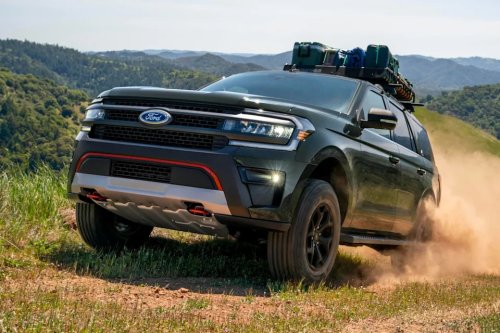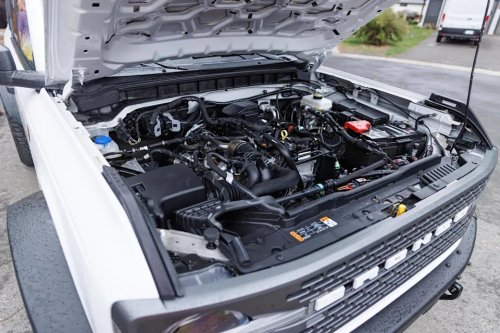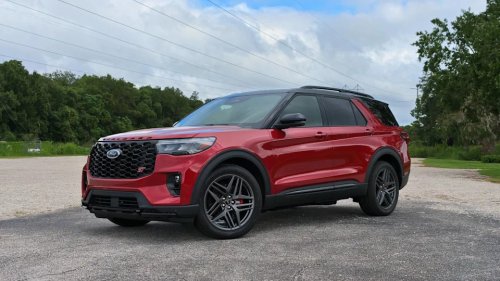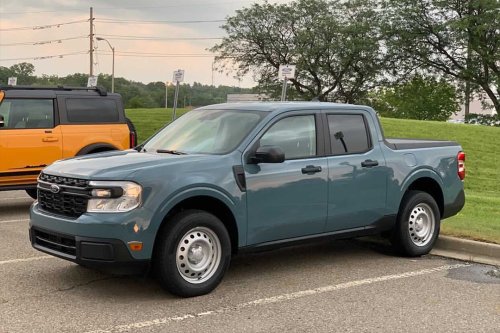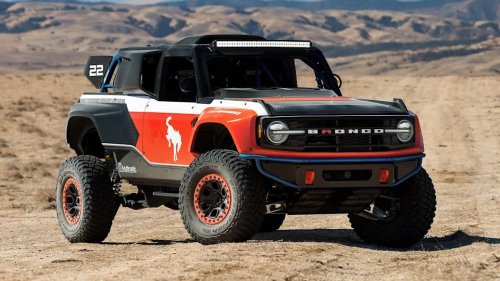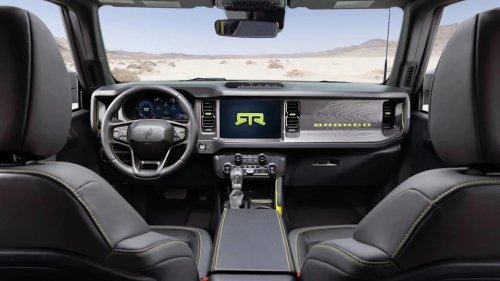
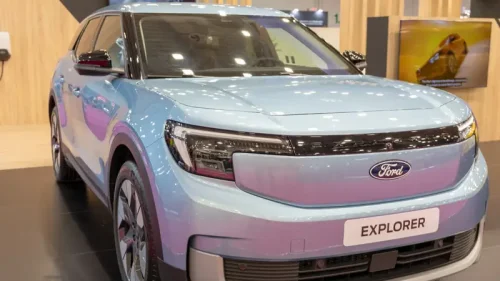
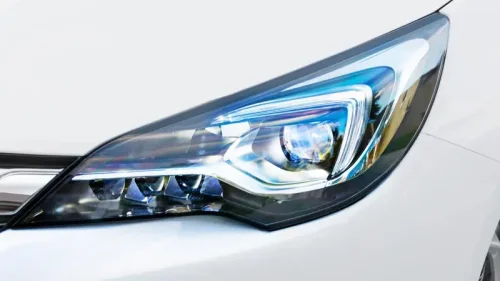
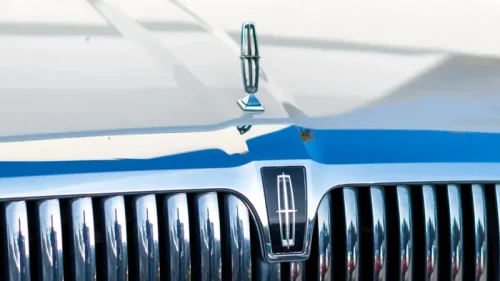

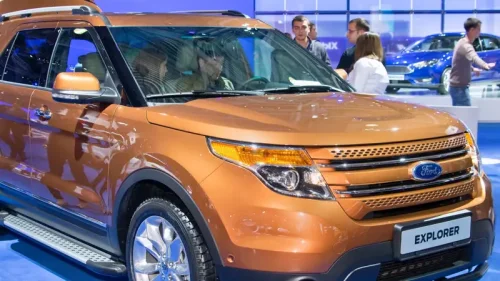
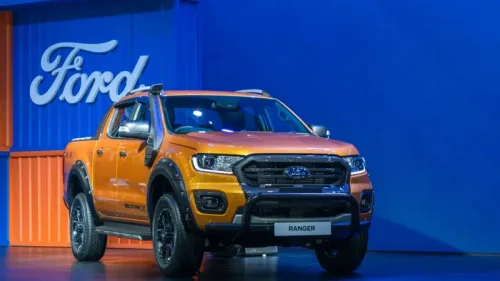



















Ford recalls 83,000 vehicles over safety risks this MarchFord has issued two recalls covering 83,576 vehicles. One affects 35,772 model-year 2025–2026 Explorer SUVs with a headlight software problem, and the other affects 47,804 model-year 2025 Ford and Lincoln vehicles with a faulty EGR valve that can lead to loss of motive power. Ford says it is not aware of any crashes or injuries tied to either recall. Explorer owners can receive a free software update over the air or at a dealership, while the EGR-valve recall will require a dealer repair once the remedy is ready.Explorer headlights bend wrong way due to software glitchFord is recalling 35,772 model-year 2025–2026 Explorer SUVs because the Dynamic Bending Light system may not work as intended. A software calibration error in the headlamp control module can cause the right headlamp to move in the wrong direction in a curve, creating glare for other drivers. Ford will provide a free software update for the headlamp control module, either over the air or through a dealership. Remedy letters are scheduled to begin mailing on March 23, 2026, and Ford’s recall number for this campaign is 26C12.Engine valve defect spans nine Ford and Lincoln modelsFord is recalling 47,804 model-year 2025 vehicles across nine Ford and Lincoln models, including the Ranger, Mustang, Maverick, Explorer, Escape, Bronco, Bronco Sport, Lincoln Nautilus, and Lincoln Corsair. The recall involves an EGR valve defect that can allow excessive exhaust-gas recirculation and lead to loss of motive power. Ford says the problem is most likely to cause a loss of motive power at low speeds. Interim owner letters are scheduled to begin mailing on March 16, 2026, and Ford will offer a free dealer repair once the remedy is available.Dynamic headlights improve visibility but can create glareDynamic bending headlights pivot toward a turn, enhancing road illumination during curves. However, in affected Explorers, the software malfunction causes the right light to bend away from the curve. This misalignment directs light toward oncoming drivers, reducing visibility and increasing the risk of crashes. Correcting the software ensures the headlights follow the vehicle’s turning arc properly. Owners can receive updates over the air or at dealerships, at no cost. Headlight technology continues to advance, but this recall shows even advanced safety features need careful calibration to prevent unintended hazards.EGR valve issues may suddenly reduce vehicle powerA defective EGR valve in nine Ford and Lincoln model lines can lead to loss of motive power. Ford’s filing says the problem is most likely to occur at low speeds, which can increase crash risk in traffic or at intersections. The recall repair is still under development. Ford will notify owners again when the final dealership remedy is ready, and the repair will be provided free of charge.Recall notifications mailed to owners starting March 16Ford will begin sending letters to affected vehicle owners starting March 16 for the EGR valve recall, with a second notification once the repair is ready. Headlight recall letters will be mailed on March 23. Each letter includes instructions for scheduling updates or repairs, along with the relevant recall numbers: 26C12 for headlights and 26S10 for engine valves. Owners are urged to respond promptly to avoid safety risks. Federal regulators track recall responses to ensure compliance, and timely updates help maintain vehicle safety standards. Ford also provides customer service lines for scheduling assistance and questions.Over-the-air updates simplify headlight software fixesAffected Explorers can receive the corrected headlight software update remotely via over-the-air technology, without visiting a dealership. This method allows drivers to fix the problem conveniently at home while maintaining safety. For owners preferring hands-on service, dealerships can also perform the update free of charge. The software corrects the headlamp control module so the lights bend in the correct direction during turns. Over-the-air fixes are becoming standard in modern vehicles, offering faster solutions for non-mechanical issues while reducing the need for in-person service appointments.Popular Ford SUVs and trucks are affected by recallsThe recall impacts widely used models, including Explorer, Ranger, Mustang, Maverick, Escape, Bronco, Bronco Sport, Lincoln Nautilus, and Corsair. These vehicles are common on U.S. roads, making the recalls significant for safety. Both software and mechanical defects have been identified, affecting headlight function and engine performance. Owners of these vehicles should check the recall status immediately. With over 83,000 vehicles involved, Ford’s active recall program underscores the need for consumers to stay informed about potential safety risks in their vehicles.No accidents reported yet but risks remain significantDespite the defects, Ford has not reported any crashes or injuries linked to these issues. Federal regulators still categorize both the headlight and engine valve problems as elevated risk. Drivers should take recalls seriously, even if no accidents have occurred. Following manufacturer guidance for updates and repairs is crucial to ensure safety. Proactive responses prevent potential hazards and help maintain trust in vehicle reliability. Safety recalls exist to prevent incidents before they happen, making timely action by owners an important responsibility.Early March recalls affect over 2 million additional vehiclesIn early March 2026, Ford also announced six other recalls covering approximately 2.36 million vehicles. These included windshield wiper motor failures, inverted rearview camera displays, and possible driveshaft separation in heavy-duty F-Series trucks. Combined with the current recalls, this represents one of the company’s most extensive safety efforts in recent years. Ford continues to monitor and address multiple defects simultaneously, reflecting the complexity of modern vehicle systems. Owners of affected vehicles are encouraged to check recall status online or contact dealerships to schedule necessary repairs.Federal regulators track all vehicle safety recalls closelyThe National Highway Traffic Safety Administration monitors recalls to ensure manufacturers comply with safety regulations. Each defect is assessed for crash risk, and owners are notified promptly. Recalls are a crucial part of road safety strategy, allowing automakers to fix hazards before incidents occur. Timely reporting and repair of defects, such as those in Ford’s 2025–2026 vehicles, reduces the risk of accidents. Compliance with NHTSA guidelines ensures manufacturers maintain accountability for vehicle safety. Drivers should use NHTSA resources to confirm if their vehicles are included in ongoing recalls.