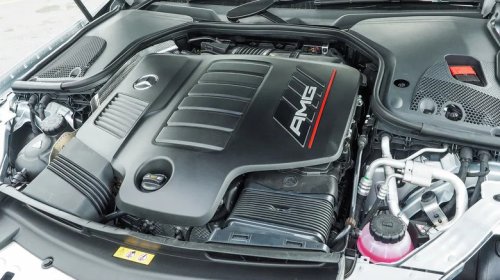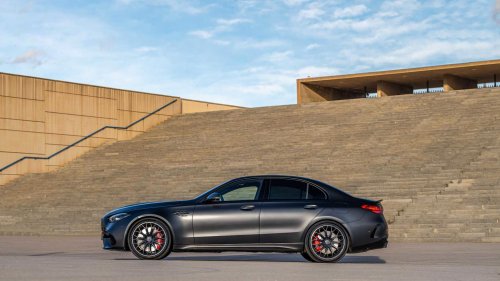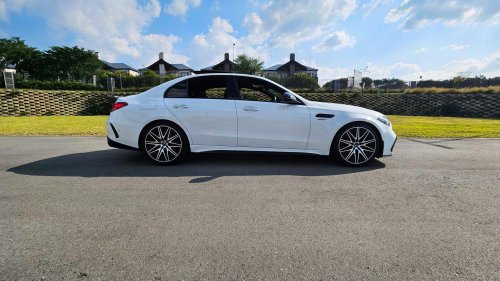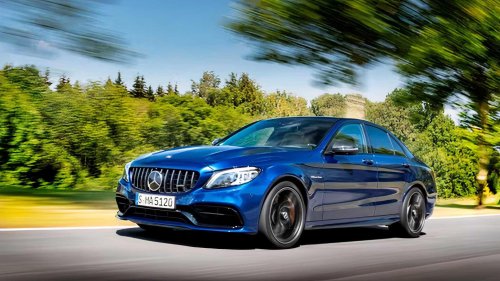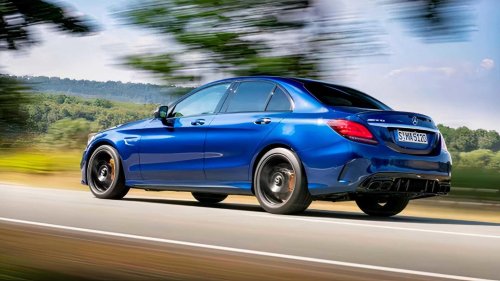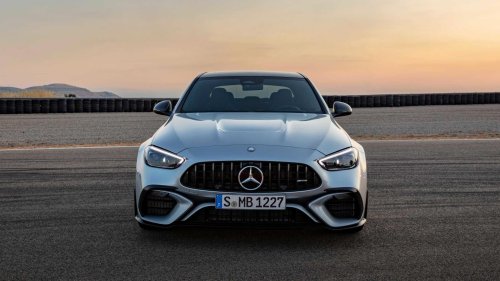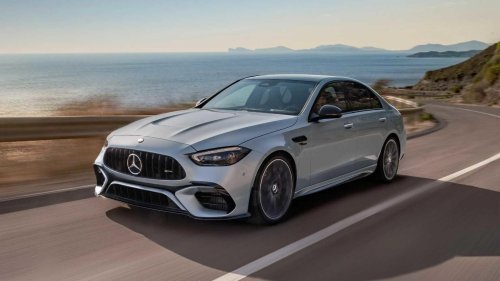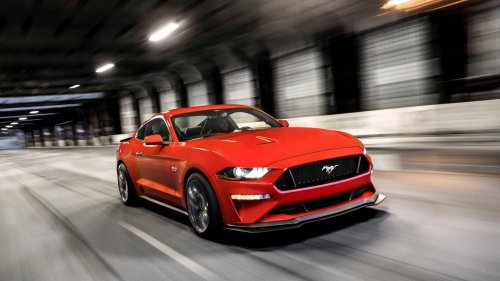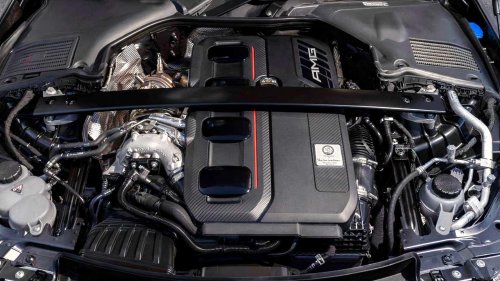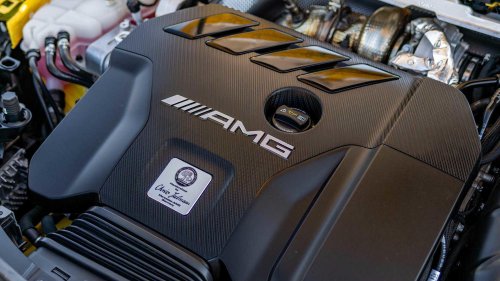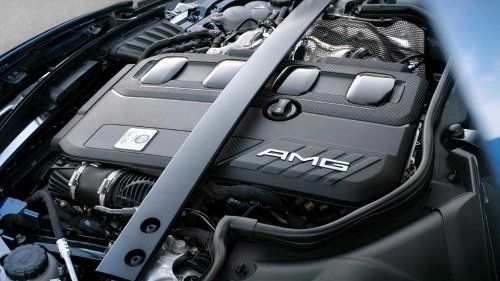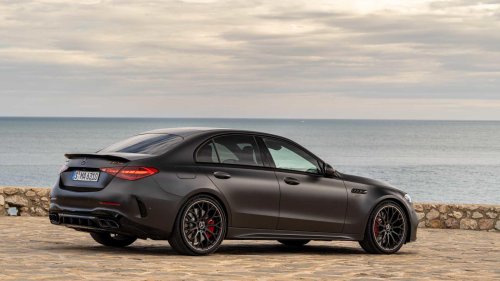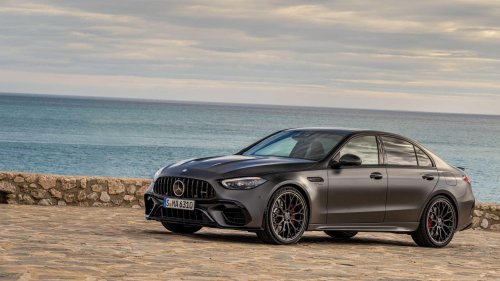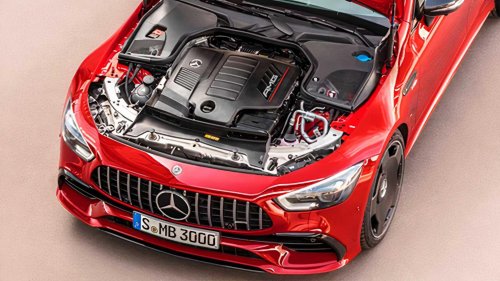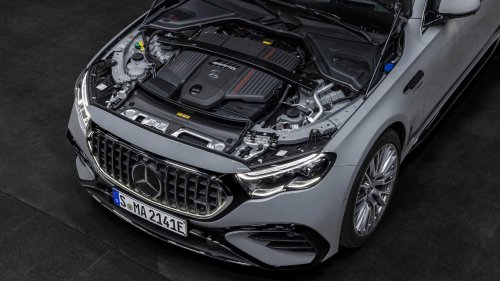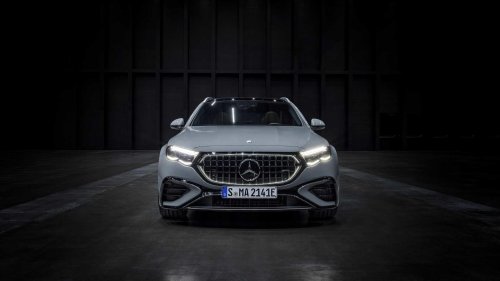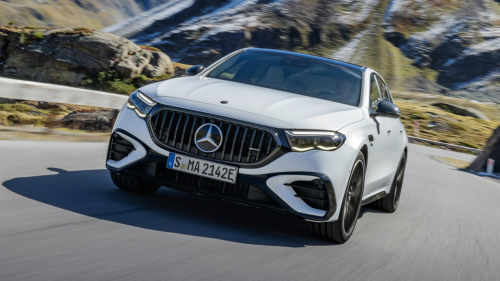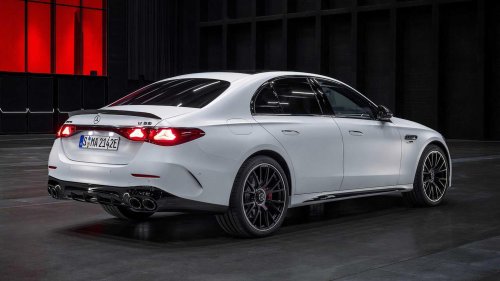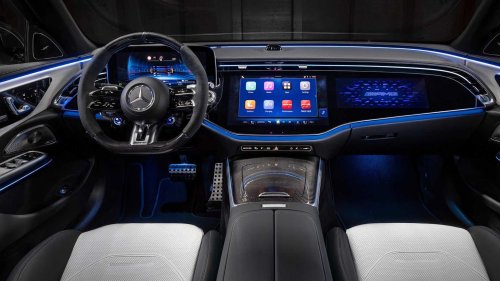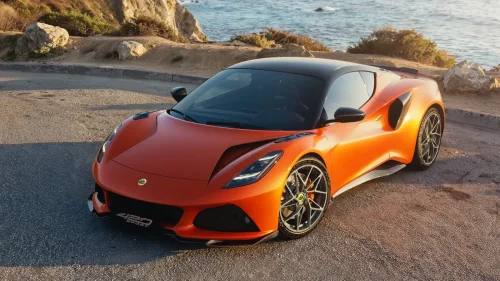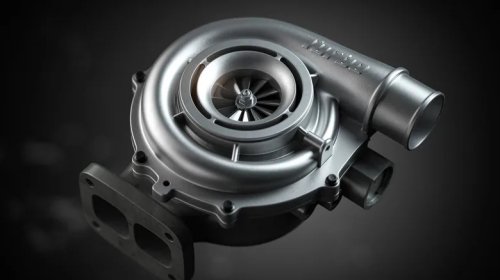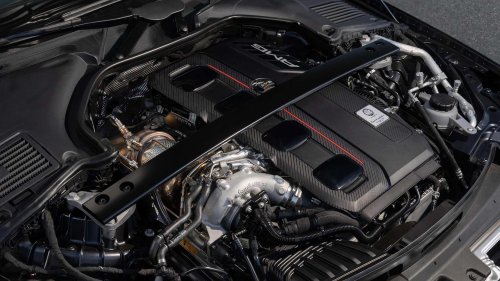
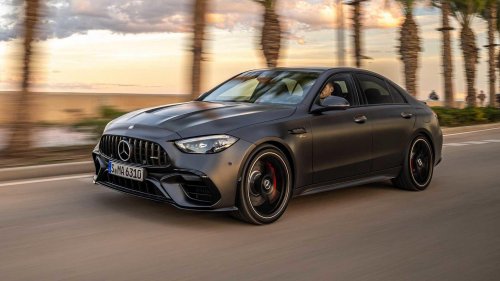
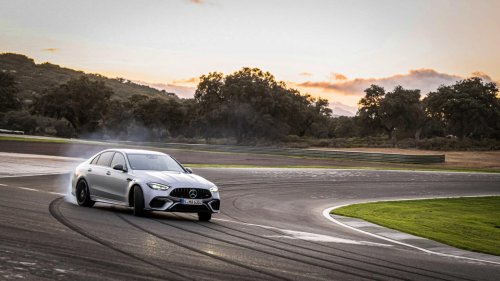
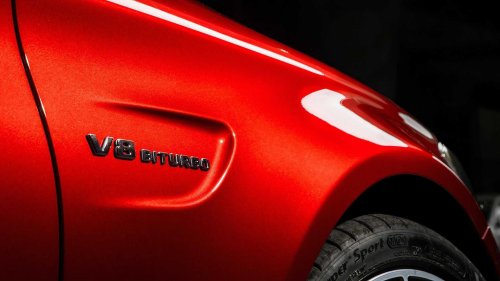
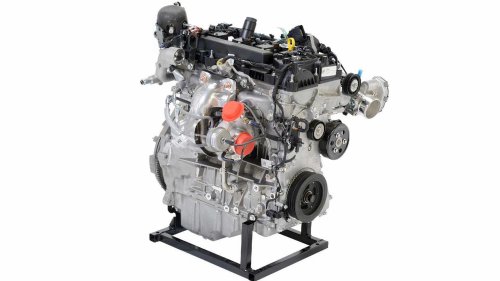



















Jump LinksPerformance StatsDownsizing Done Right — Other Performance Cars Flying The Four-Cylinder FlagFour-cylinder engines still don't have the same cachet as their bigger six- and-eight-cylinder siblings, but the auto industry is in love with them. Using a turbocharged four-pot is an easy way to reach traditional six- and eight-cylinder power levels while simultaneously reducing emissions. Although the four-cylinder might never reach the iconic status of a V8, there are some impressive examples out there.Japan has made some superb engines in the past, including the 4G63T from the Mitsubishi Lancer Evolution and the VTEC B18C engine in the Integra Type-R. These days, 2.0-liter four-pots are capable of 400 horsepower and beyond with the use of turbochargers. Most economy cars do fine with lower output figures, but gearheads want to know about horsepower. To illustrate how capable the humble mill can be and why we should get up and notice, we present the most powerful four-cylinder in a production car so far. Most Powerful Four-Cylinder Engine: Mercedes-AMG M139 - 469 HP Mercedes-BenzWithout further ado, the most powerful four-cylinder you can buy in 2026 is the Mercedes-AMG M139 engine, boasting up to 469 hp. The most powerful version of this engine made its debut in the Mercedes-AMG C63 S E-Performance, which retails for $83,900. The car is still available new in 2026.This engine, which takes over from the M133 that ran from 2013-2019, is hugely powerful for its size. It is a four-cylinder, turbocharged inline engine, used in a range of current Mercedes-Benz or AMG models. It has almost as much power as the current Ford Mustang's Coyote V8, which is 2.5 times bigger. Lotus also uses a detuned version of the four-cylinder in the Emira, but it's not as enticing as it sounds.!!!MODEL TAG!!! Listing Carousel 2020 Mercedes-AMG C63 Sedanhttps://carbuzz.com/cars/mercedes-benz/amg-c63/2020/Split into various power levels, this engine comfortably makes 200 hp per liter. However, its most powerful form is the M139I variant, which is the engine code for the ambitiously-named Mercedes-AMG C 63 S E Performance. There, the M139 makes 469 hp all by itself. That's a total of 235 hp per liter, more than the Bugatti Chiron Super Sport (198 hp per liter).This engine is so impressive that there are only three units that are more power-dense, and they are all bolted into supercars. The only cars that produce more power per liter are the Koenigsegg Gemera and Jesko, and the Czinger 21C. Mercedes-AMG C63 S E Performance Via: Mercedes-BenzThe previous C63 used to house a 4.0-liter, twin-turbo V8 under its hood, so a 2.0-liter engine in the current sedan might seem like sacrilege. The good news is that there's more to the powertrain than just the turbocharged four-pot. It also has a 201-hp two-speed electric motor on the rear axle, which bumps the combined output up to 671 horsepower and 752 lb-ft of torque. That's a massive step forward compared to the old model, but it does need all of that power to make up for the additional weight. Like the new plug-in hybrid M5, the 2026 C63 is a fatty. The old model only had 503 hp to play with, but it weighed 500 pounds less. Performance Stats Mercedes-Benz Official performance stats for this 4-cylinder sedan are impressive, thanks to the total output on offer. Mercedes claims a 0-60 mph time of 3.3 seconds, which is on average about half a second quicker than the old V8 model. The new C63 can also hit 174 mph, but you need to pay Mercedes-Benz for the privilege, otherwise it's 155 mph. These specs are not far from the eight-cylinder C63, but with the four-cylinder, fuel consumption has improved, too. EPA estimates show that the current model can return an average combined figure of 37 MPGe, in addition to seven miles of electric-only driving. How The C63 Was Improved When It Lost The V8 Mercedes-BenzFor many, the old C63 has something the new car can't replicate — character. This character stems from the 4.0-liter, twin-turbocharged V8 under the hood, which was potent and unapologetic about what it was. With the sedan ceasing production before the coupe and cabriolet, both of which ran until 2023, the C63 was available in standard form or the C63 'S' version, which raised power and torque from 469 hp / 479 lb-ft to 503 hp and 516 lb-ft. This means that the new C 63 S E Performance's four-pot engine has the same horsepower as the base V8 in the old C63. It also has all-wheel drive available, while the V8-powered car sends its power to the rear wheels alone exclusively. The twin-turbocharged V8 is still around, powering various models like the G-Class, S-Class, SL, and the AMG GT. Four-Cylinder Turbocharged Engines Now Rule The World FordFour-cylinder engines are ubiquitous as manufacturers have been downsizing over the last decade. Smaller engines typically use less fuel and emit fewer emissions, but they also make less power. A way around this is to use turbochargers, which allow smaller engines to produce a maximum power output that is equivalent to that of a larger engine for the same car type. For example, a 2.0-liter turbocharged engine instead of a 3.5-liter, naturally-aspirated V6.2.0-liter capacities are very common since they offer a desirable balance of power and efficiency, so we can find 2.0-liter engine options in a vast array of lineups today, sometimes as entry-level engines. 2.0-liter and 1.5-liter engines represent the sweet spot of capacity, which happens to be 500 cc per cylinder. Of course, a turbocharged engine with 400 hp is only more fuel-efficient when driven economically — when the pedal goes to the floor and all the available horsepower is used, the engine is no longer more efficient. The good thing is that we can choose between efficiency and power. Downsizing Done Right — Other Performance Cars Flying The Four-Cylinder Flag Perhaps one of the better known, and once-controversial, examples of an automaker swapping out a larger engine for a four-pot is the Ford Mustang. Sure, there is still a great big V8 in the GT and Dark Horse trims, but the entry-level 'Stang has sported a 2.3-liter EcoBoost inline-four engine for some time now. Some naysayers may still grumble, but with 315 horsepower on tap, a lighter front end, and up to 33 MPG, what on earth is there to actually grumble about?The recently discontinued Camaro also followed suit, by offering customers the option of a 275-horsepower LTG Ecotec engine. Ample performance was still available, fuel consumption was much more palatable, and the option for big-power V8 lunacy was still there for anyone who wanted it. Even the full-size Silverado has been given an inline-four, albeit a hefty 2.7-liter TurboMax unit, but this just goes to show that automakers are happy to be going all-in when it comes to smaller powerplants. And for those screaming "what about the reliability" in the comments, remember, it's the big-capacity, naturally aspirated, eight-cylinder engines which have been snatching headlines for all the wrong reasons in GM circles recently, while the punchy four-pots are seemingly faring quite well in comparison.