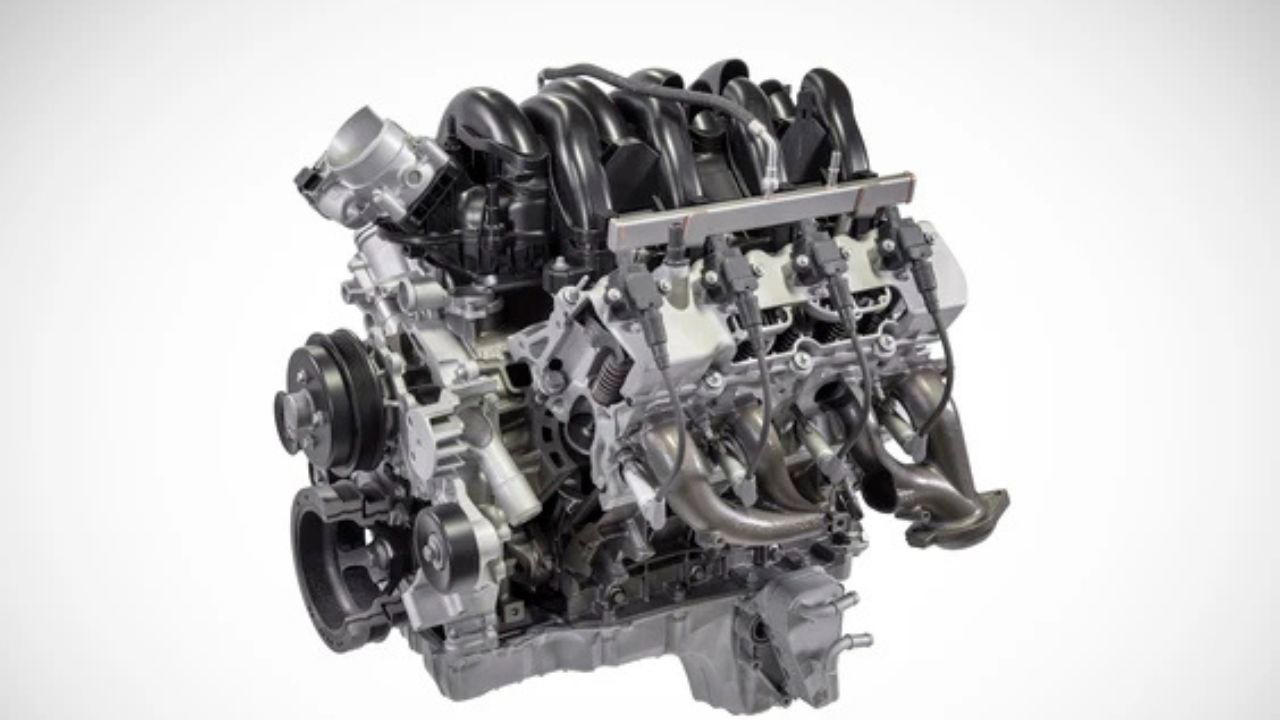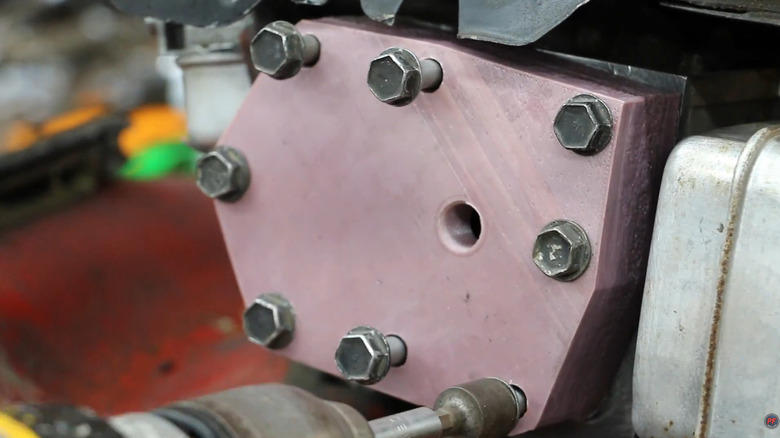
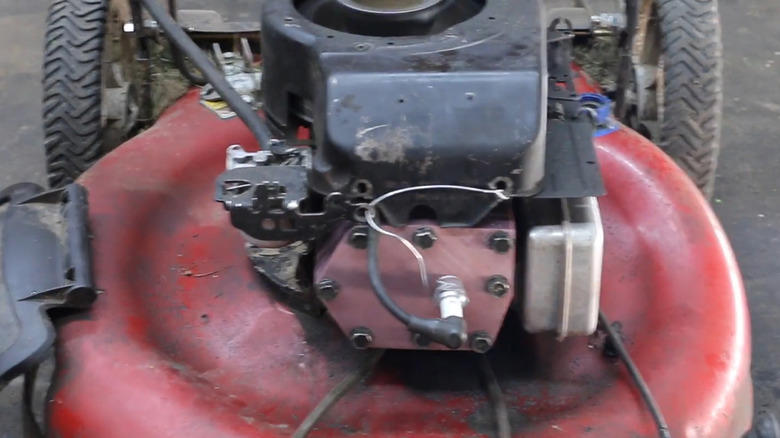




















3D printed cylinder head testScientific progress doesn't continue apace without some weird people testing out some weird ideas. In a test from the Project Farm, the hypothesis of whether a 3D-printed cylinder head would work was put to the test with both high-heat Acrylonitrile Butadiene Styrene and Polylactic Acid-based cylinder heads (ABS and PLA). Each of these cylinder heads is heavier than the JB Weld cylinder head used in a previous test, but will these plastic jobs work better than the two-part epoxy? The only way to find out is to install them and fire up the engine. The results are, uh, messy at best. Starting with the ABS plastic cylinder head made for some pretty anti-climactic video, if you ask me. It's obvious that this head will perform better than the PLA head. ABS has a melting point of around 230 degrees Fahrenheit, while most available PLAs will melt at 170-ish degrees. With the high temperatures of internal-combustion explosions, it stands to reason that at least the surface of the cylinder head would melt in pretty short order. In the case of the ABS, the cylinder head itself actually held up well. After running for 40 seconds, the spark plug fouled out with melted plastic on the electrode. Cleaning it off and starting it up again produced another 40 seconds of lawnmower motor fun. Inside was packed with melty destruction.The PLA was another story, as the threaded spark plug hole melted first and shot the spark plug out after just 17 seconds of operation. Being that the ABS can structurally handle the temperatures better than PLA, I would have liked to have seen a small aluminum heat shield installed in an ABS head to protect that surface temperature and see how long that lasts. You know, for science. Has progress been made since this test?Plastic cylinder head installedIt's worth mentioning that this test took place seven years ago, and technology has progressed a lot in that time. Maybe it's worth redoing this test with more precise modern printers and better high-temperature plastics materials. I would also love to see what would happen if these cylinder heads were printed with water passages for better heat control. Internal water cooling wouldn't do much for surface temperature, but it may have helped prevent melting for a few minutes.There are higher temperature plastics now available for additive manufacturing enthusiasts to use, such as high-performance polyetherimide thermoplastic. Something like Ultem 1010 resin would be more stable in higher temperatures and is flame resistant. This stuff allows for continuous and consistent use up to about 340 degrees Fahrenheit, so it probably still couldn't handle the rigors of a combustion chamber, but it would last a good while longer than the ABS did. And that's to say nothing of the influx of metal additive manufacturing. An avid 3D printer can now print in metal with direct metal laser sintering technology. You can easily use Aluminum AlSi10Mg or Stainless Steel 3156L and melt together a brand new cylinder head that would perform presumably exactly like the original head did. It's amazing how far this technology has come. The aluminum 3D prints have a melting point of around 1240 degrees Fahrenheit, for example, and would easily stand up to the temperatures of internal combustion. This fun little test wasn't the first time plastic was used in engines. Plastic has historically been used to varying degrees of success on a larger scale. A number of companies have tried to build plastic engines, hoping that the lighter weight and lower cost of the material when compared to metals would win out. Has anyone ever successfully used plastic in an engine?Torlon IMSA engine LolaThere was a concerted effort put forth in the 1970s and 80s to build an engine from polymers and composites. Polimotor Research Inc was established in 1974 in an effort to research plastic components like connecting rods, valve springs, push rods, and more, largely for use in racing. Ford contracted with Polimotor to research the feasibility of making its venerable 2.3-liter Lima four-cylinder engine out of plastic. Polimotor developed an engine using a combination of aluminum heat shields and a high-heat polymer called Torlon from Amoco chemicals. The end result was reportedly a mostly-Torlon Lima four-cylinder that weighed just 160 pounds, favorable compared to the 412 pounds that cast iron engine typically weighs. Steel cylinder sleeves and an alloy cap on the pistons prevented combustion cylinder melting, while the exhaust valves and springs were crafted from metal to handle the high-heat sections of the engine. Most impressively, the lighter weight of the rotating assembly meant the engine allegedly produced 318 horsepower and revved up to 14,000 RPM. Polimotor, with sponsorship from Amoco and Torlon, developed a 2.0-liter racing version of the engine to field in IMSA sports car races for the 1984 and 1985 season. It was never in contention for victory, but it finished multiple races and ran for several hours at a time. Driver Herm Johnson described the car as being an incredible car and the motor as having "technologically so much potential." In the end, Torlon was just too expensive to push into series production. Even if Ford had built millions of them, a plastic Lima 2.3 would have been nearly three times as expensive as its cast-iron counterpart. Maybe with 3D printing coming on strong, plastic engine components could return to competition. Want more like this? Join the Jalopnik newsletter to get the latest auto news sent straight to your inbox, and add us as a preferred search source on Google.