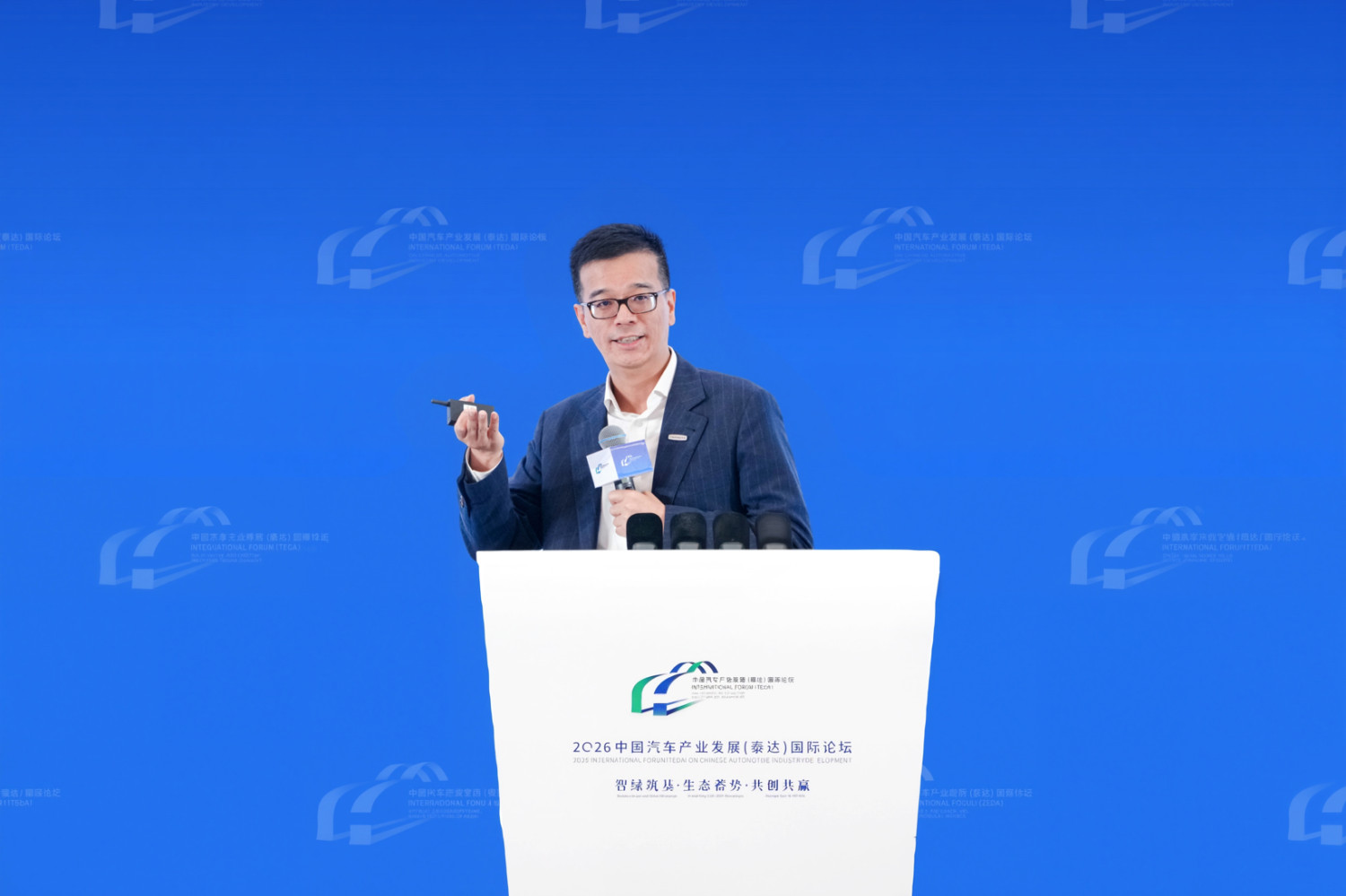
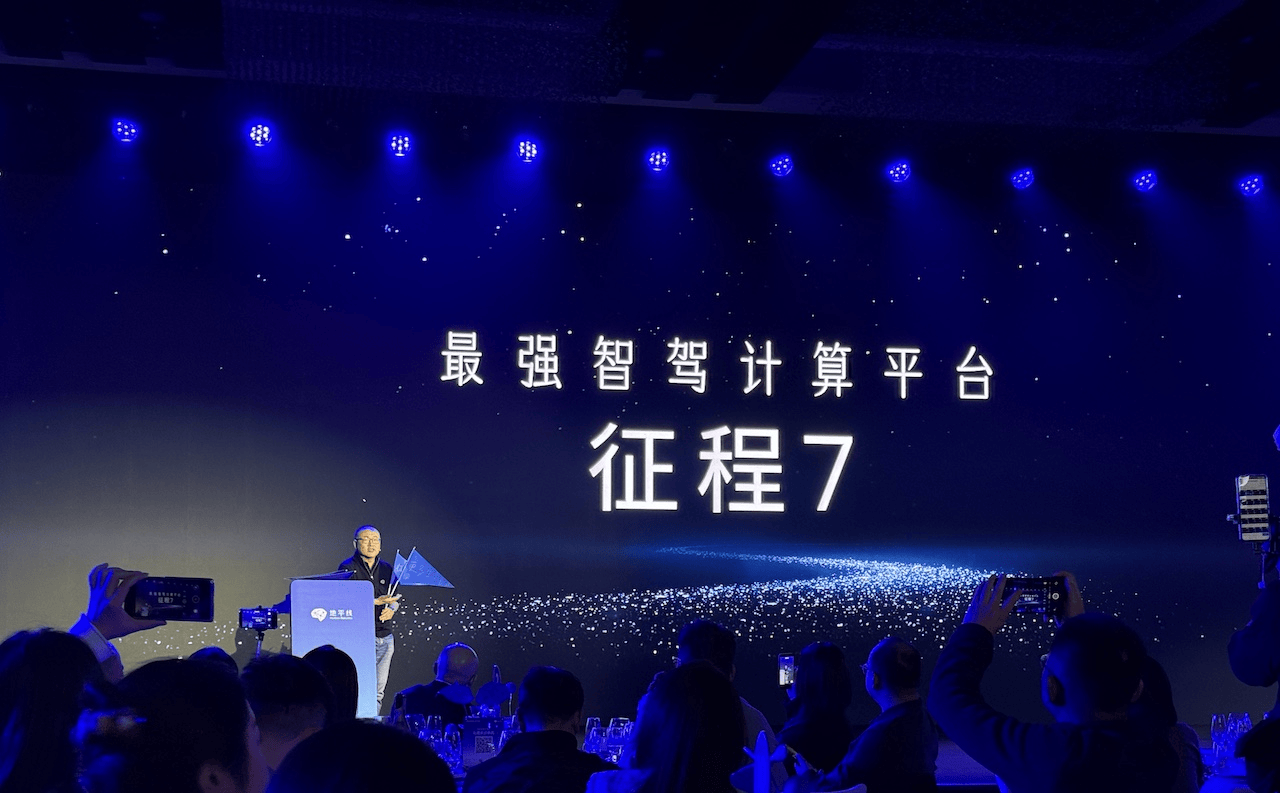
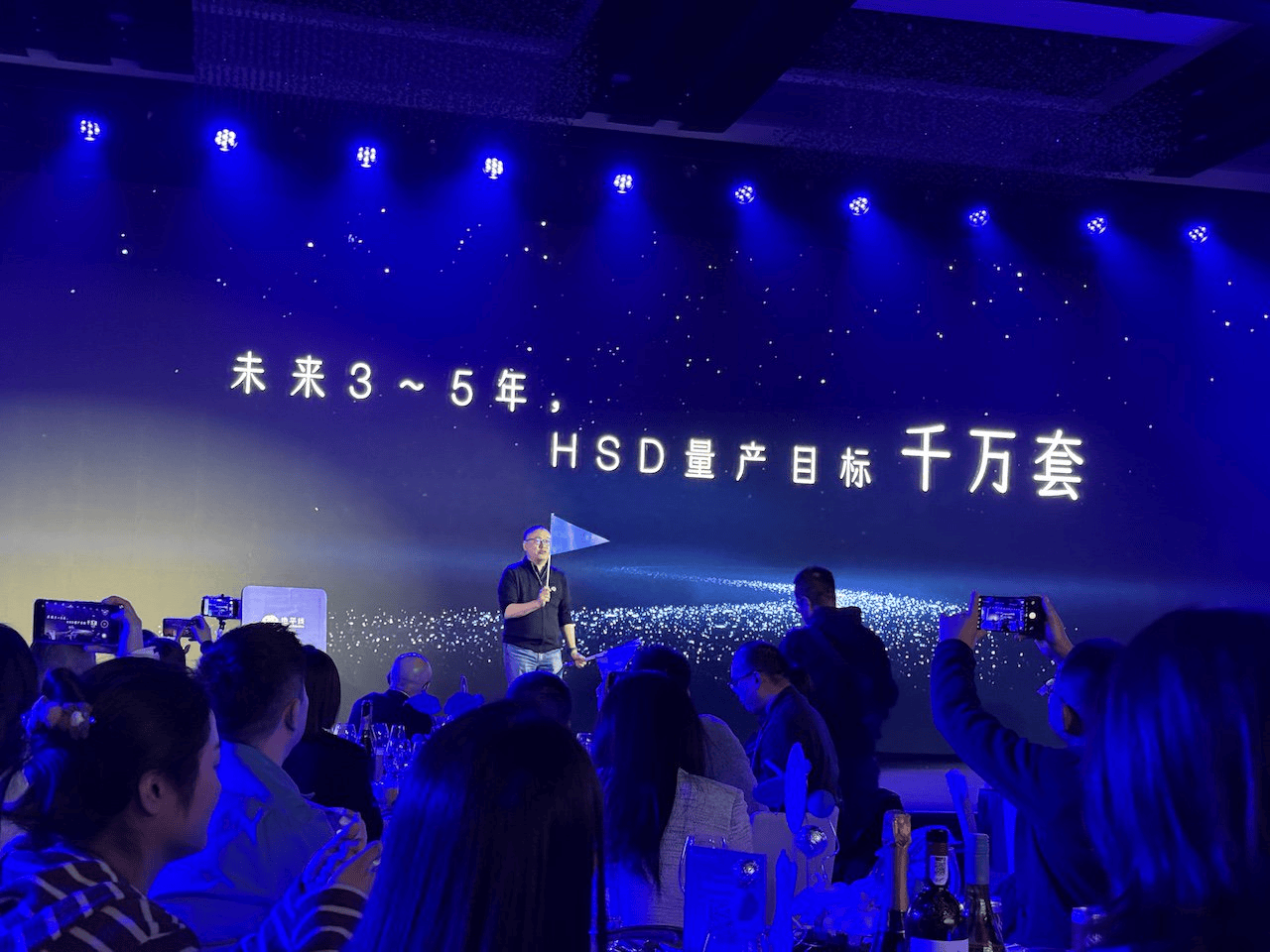
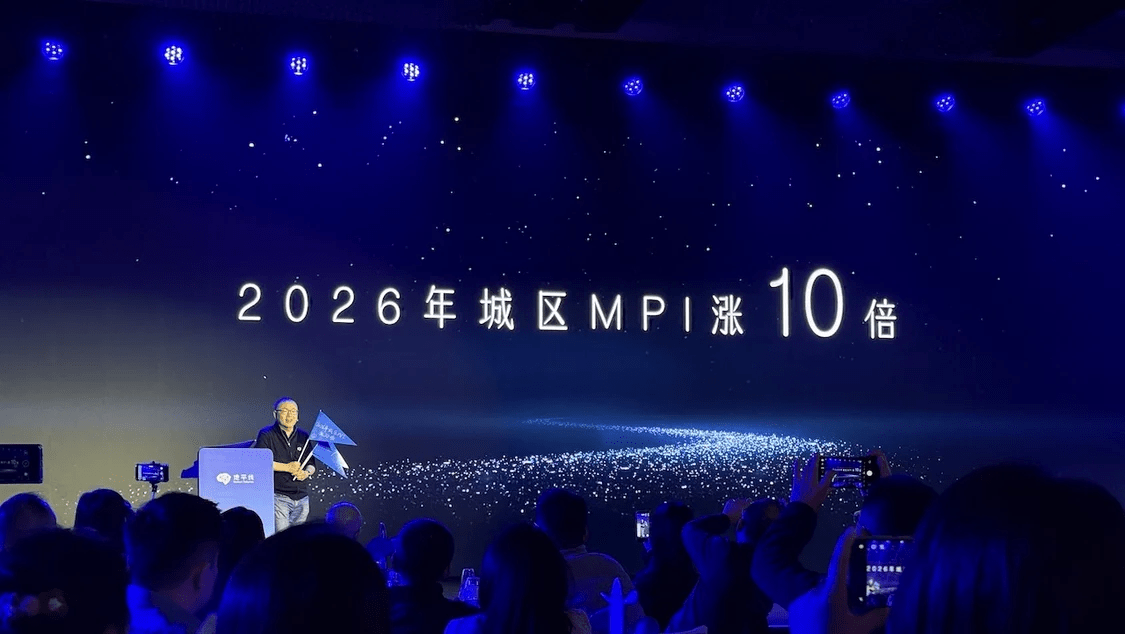
Horizon plans to scale mass production of its HSD solution to tens of millions of units over the next three to five years. At a recent annual media briefing, Horizon Robotics founder and CEO Yu Kai outlined four key directions for the company’s next phase in advanced driver assistance systems. Following the J5 and J6 generations, Yu announced plans for the next-generation intelligent driving computing platform, Journey 7, positioning its performance benchmarks directly against Tesla’s next-generation autonomous driving chip, AI5, with plans for a parallel launch timeline. Horizon Robotics’ smart driving calculation platform Journey 7 On mass production and deployment, Yu said Horizon aims to continuously optimize its single-stage end-to-end architecture so that urban NOA performance based on a single Journey 6M chip can match or even surpass real-world results delivered by Nvidia’s Orin-X. At present, the computing power of a single Journey 6M is roughly half that of Orin-X. If achieved, this goal would underscore Horizon’s engineering and system-level optimization capabilities. The previously announced plan to bring urban assisted driving to RMB 100,000-class vehicles ($13,900) is being advanced on the back of this computing solution. Building on this foundation, Yu also said Horizon plans to work with partners over the next three to five years to scale mass production of its HSD solution to tens of millions of units. Horizon plans to scale mass production of its HSD solution to tens of millions of units over the next three to five years. Ecosystem development is progressing in parallel. CARIZON, the joint venture established by Horizon and VW-backed CARIAD, plans to launch at least eight new vehicle models equipped with Horizon solutions in 2026. At the same time, another joint venture, HCT, is entering a phase of rapid expansion. Its NOA system is also built on a single Journey 6M computing platform and has completed a $200 million funding round. In terms of technical reliability, Horizon has set a quantified target of increasing urban MPI (mean miles between interventions) by tenfold. Horizon sets a quantified target of increasing urban MPI by tenfold. As a core metric for assessing autonomous driving maturity, a higher MPI indicates significantly improved autonomous performance in complex urban environments. To date, Horizon’s HSD solution has partnered with more than ten automakers and secured production design wins on over twenty vehicle models.



















 +46 others