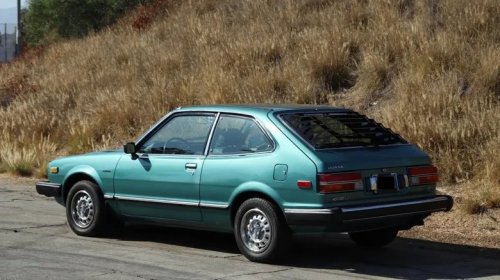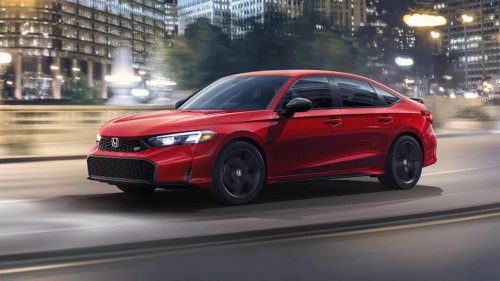
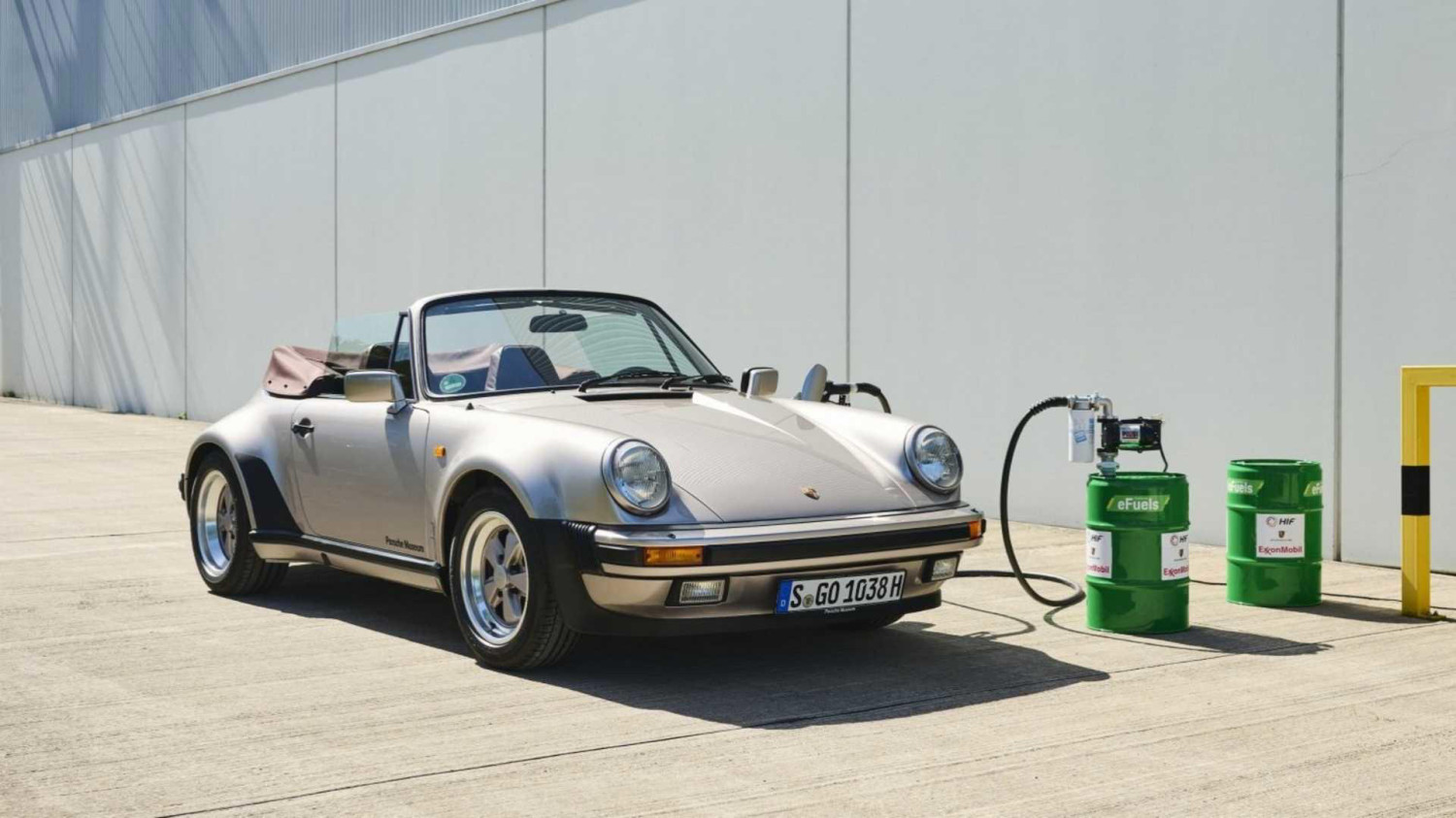



















Honda faced some rather depressing technological setbacks in the last few years, canceling most of its electric future – cars like the 0 Series SUV and Acura RSX – and suffering some big financial losses as a result. However, with most of its plans revolving around internal combustion nowadays, the company is keen to make it as eco-friendly and cost-effective as possible, including through hybridization as seen on the excellent Civic sedan and hatch, as well as through new technology. For example, Honda just filed a patent for sustainable, synthetic jet fuel that could be used to fly its HondaJet business aircraft. Existing Technology With Honda Efficiency Sourced from the German Patent and Trade Mark Office, the filing describes an existing method of deriving synthetic hydrocarbons – the main components in gasoline, jet fuel, and diesel – by combining carbon monoxide and a special catalyst. Called the Fischer–Tropsch process, it's not a particularly viable way to make synthetic fuel since carbon monoxide gas is toxic while also being difficult to source. However, Honda engineers optimized Fischer–Tropsch to use carbon dioxide and hydrogen as the source gases, using a proprietary catalyst to create hydrocarbons that can be then formed into jet fuel.HondaThe automaker's patent further improves the process through the use of a special cylindrical reactor with the catalysts inside. By controlling the flow rate of the source gases into the reactor chamber, the Honda patent claims it can create hydrocarbon chains that are the right size to be synthesized into jet fuel.The patent reminds us of Honda's innovative ideas in the 1960s and 1970s, which took existing technology and optimized it to be more efficient and productive. For example, the compound vortex-controlled combustion (CVCC) intake system that debuted on the 1975 Civic allowed the gasoline-powered compact car to meet US emission regulations without resorting to a power-sapping catalytic converter. That clever thinking helped cement Honda's reputation as a resourceful engineering company as well as an auto and motorcycle manufacturer. The synthetic fuel patent is more of the same: deriving additional efficiency from an existing process by tweaking a few little things here and there. Carbon Capture Closes The Loop Like other synthetic gas, such as Porsche's eFuel, the Honda jet fuel will be greener than even today's "Sustainable Aviation Fuel," which uses feedstock like corn and sugar cane to produce combustible alcohols that are mixed with conventional petroleum-based fuel. However, since the Honda patent describes a process that starts with freely available carbon dioxide – which the automaker is already capturing from the air surrounding its Tochigi research and development center using algae arrays – that means that the fuel is produced using the very byproducts it breaks down into when burned.PorscheNow that it's identified a process to make truly sustainable fuel, Honda's challenge is to scale production up so that it can actually generate enough to power an aircraft (or a car or a motorcycle or a marine engine). That's the same hurdle facing Porsche, which is making eFuel at a facility in Chile. Right now, the costs of the fuel are much higher than conventional gasoline, and production remains rather low – although the sports car manufacturer has set records and performed feats of driving heroism using cars powered by its synth gas.