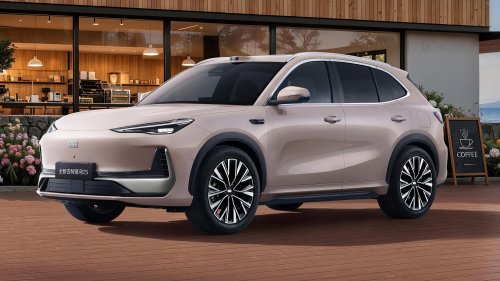
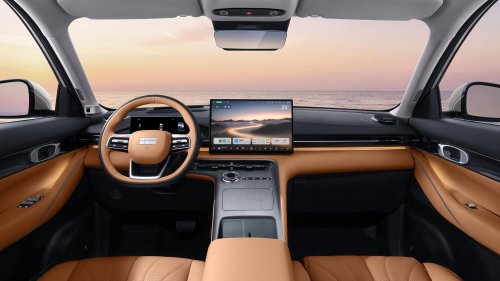
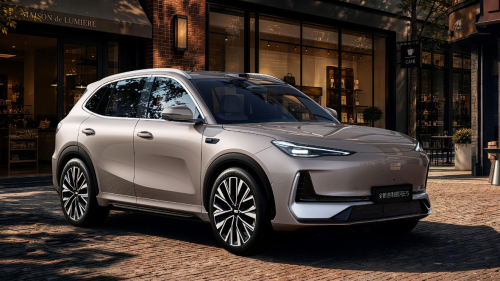
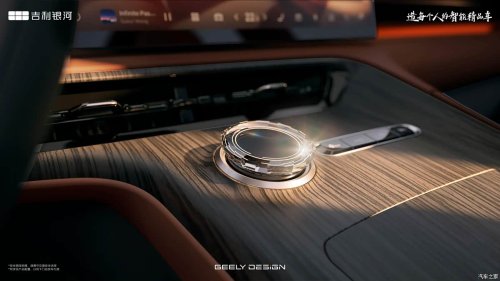
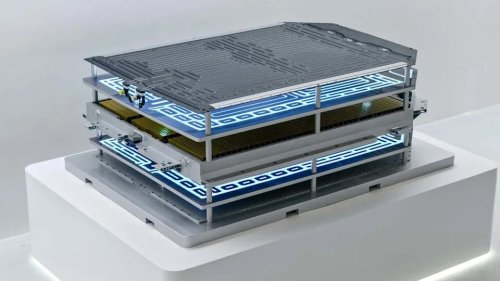
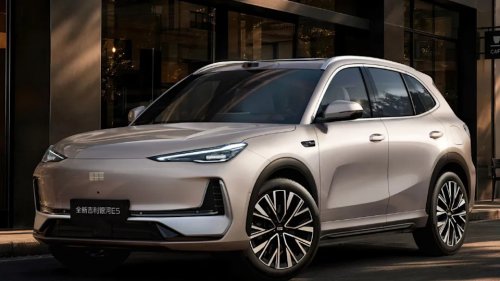
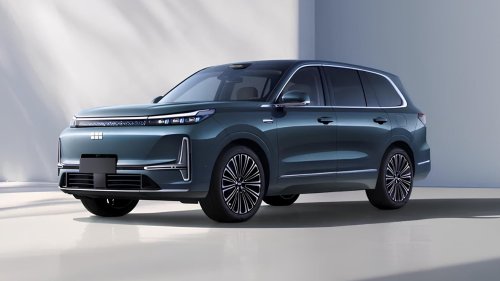
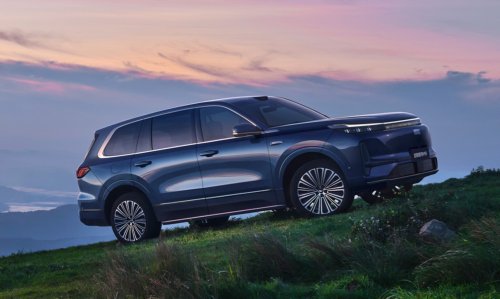
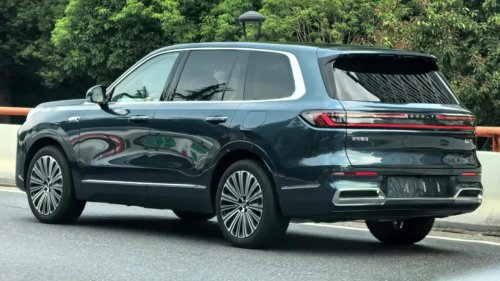
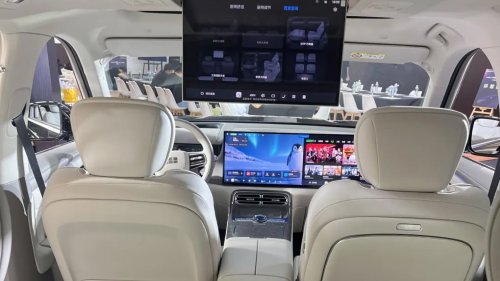
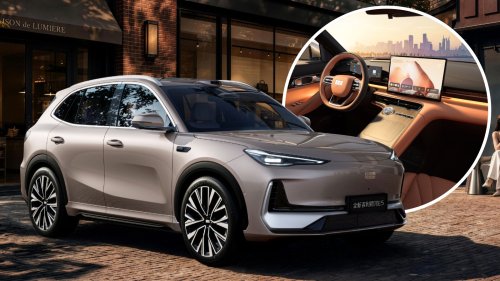
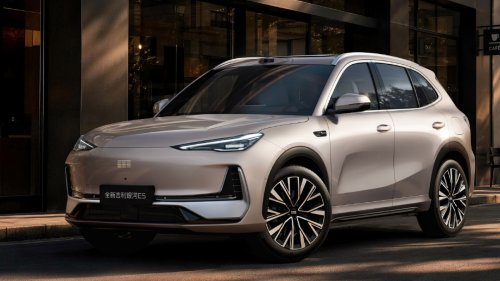
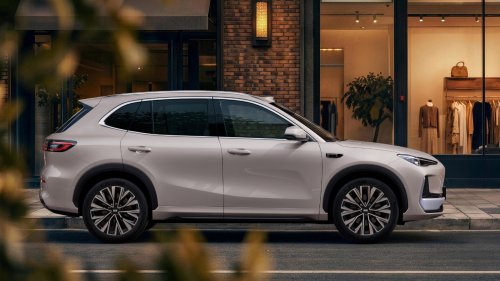
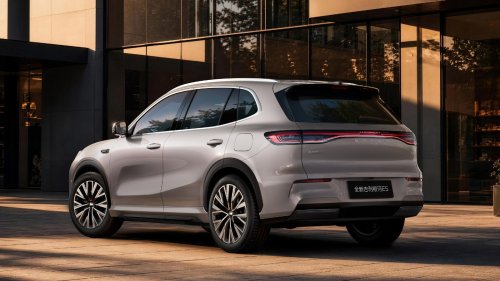
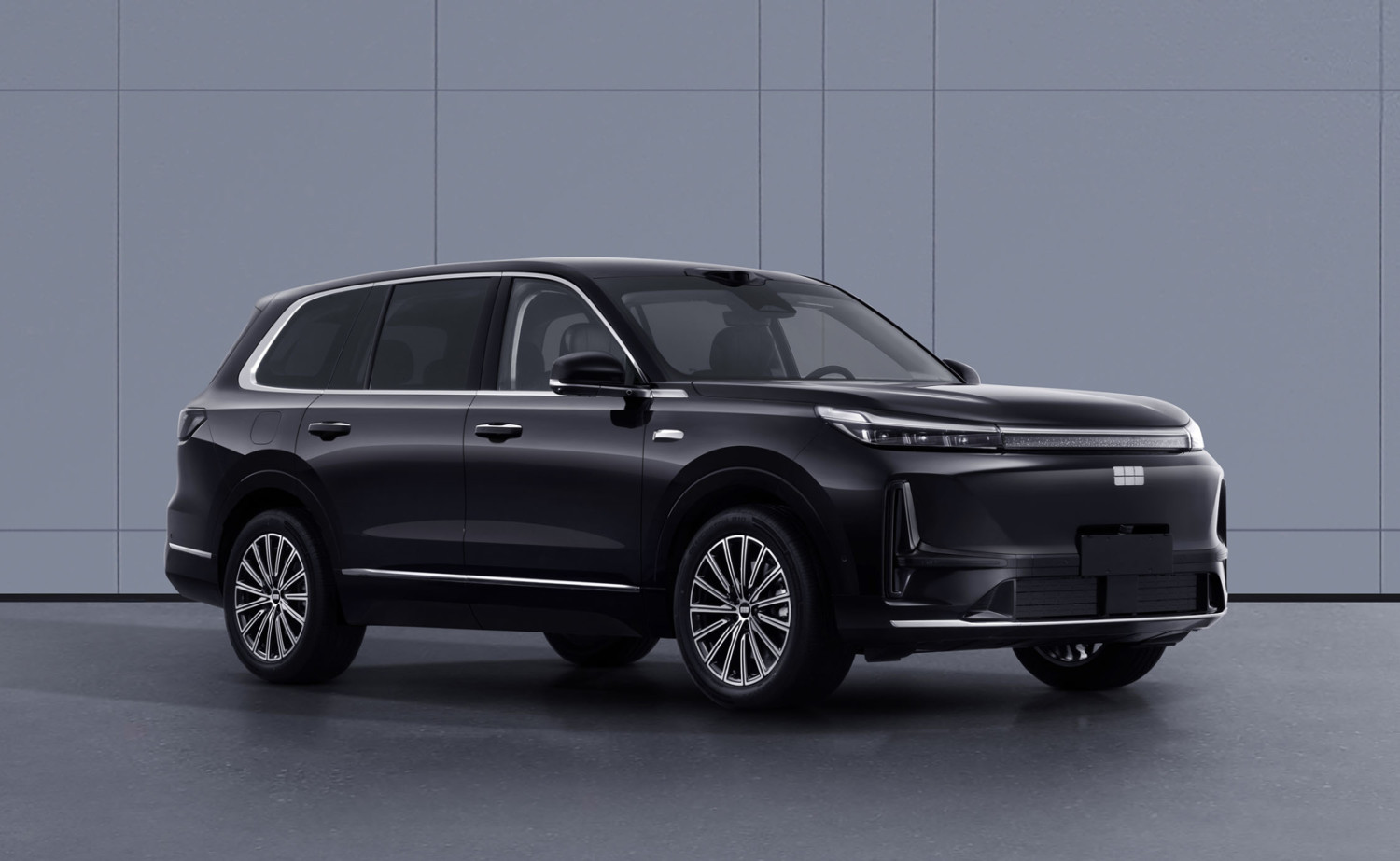
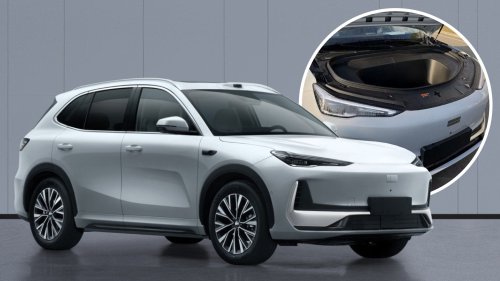
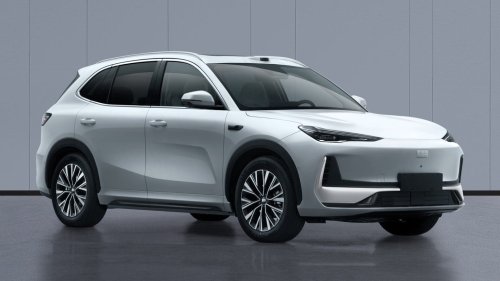
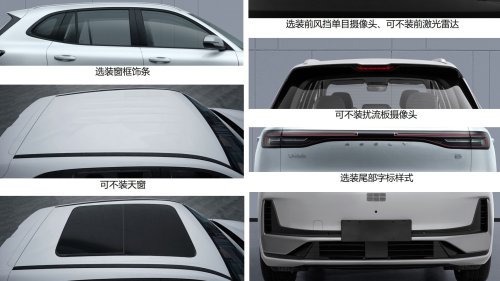
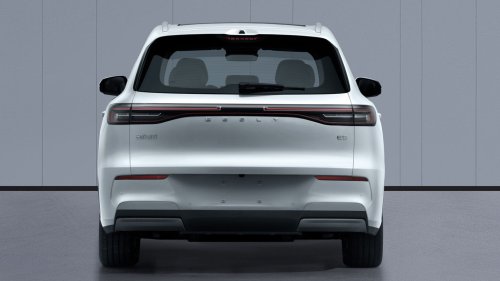
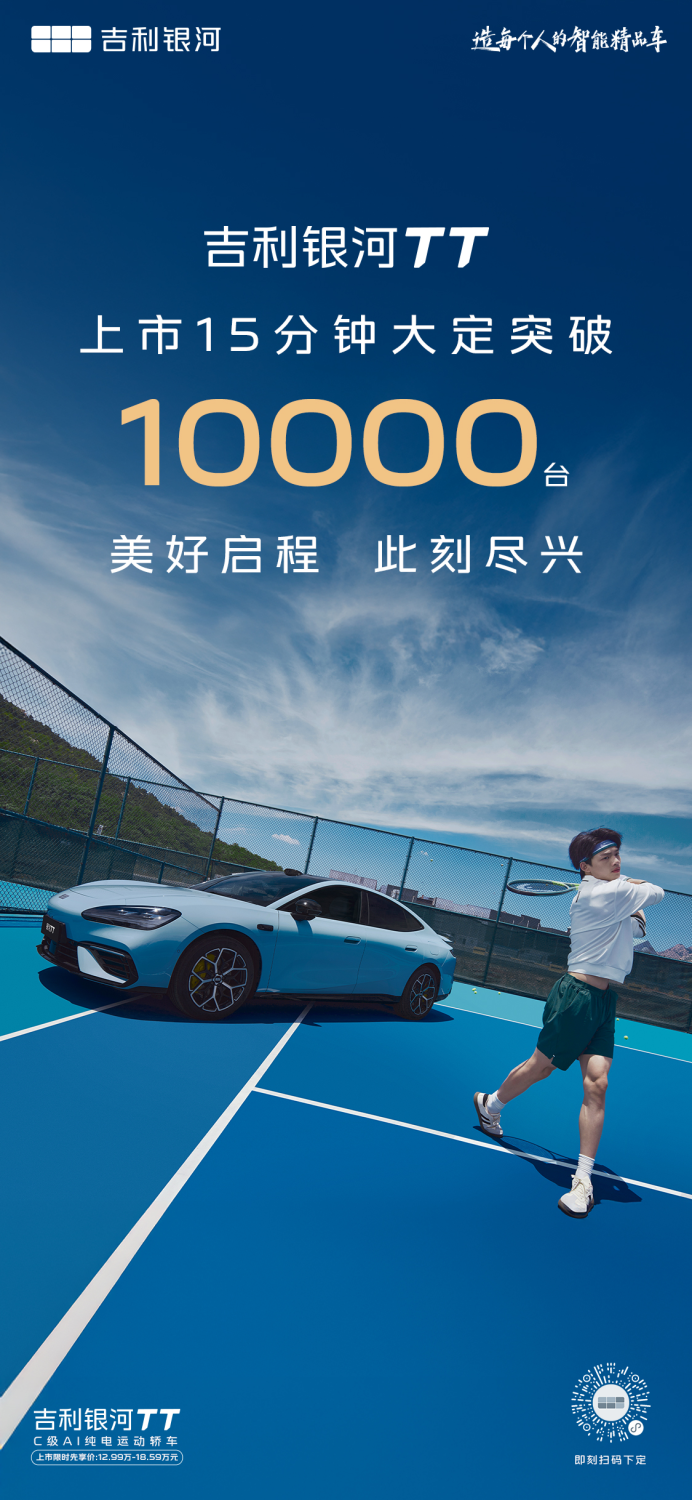
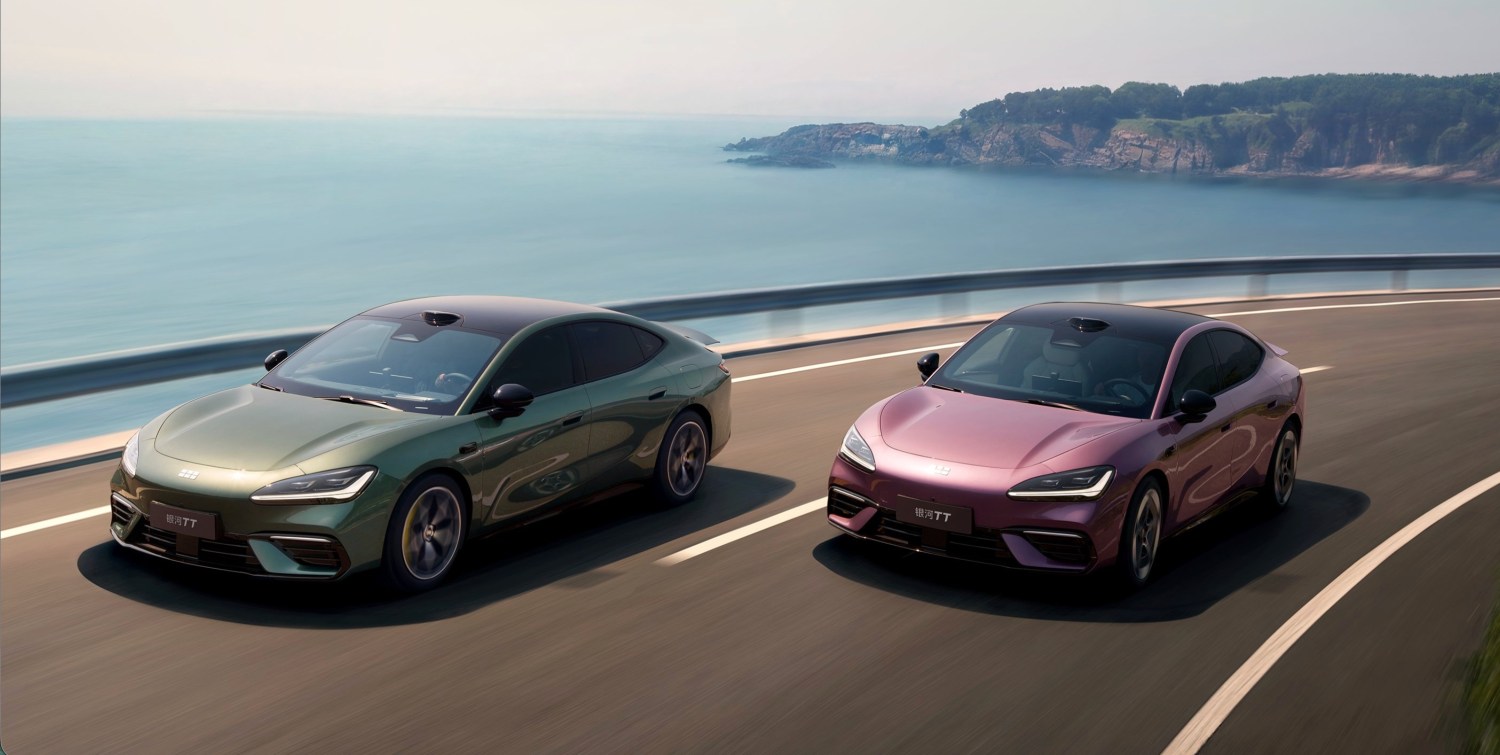
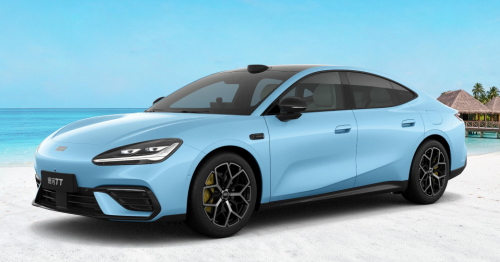
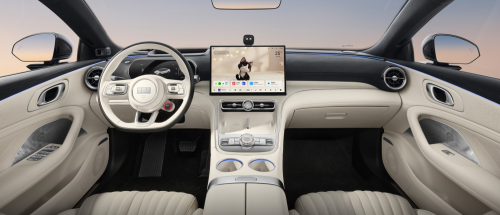
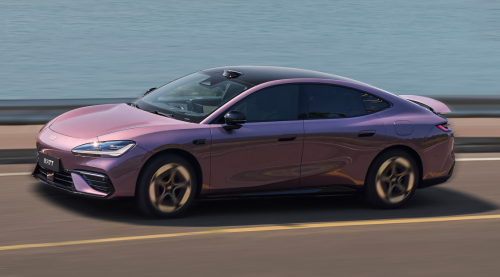
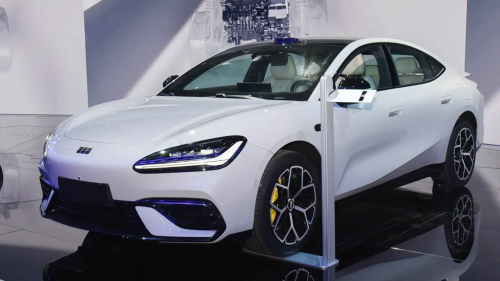
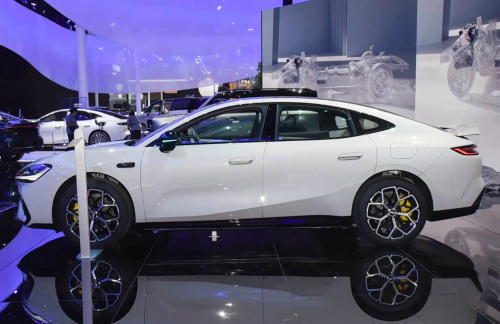
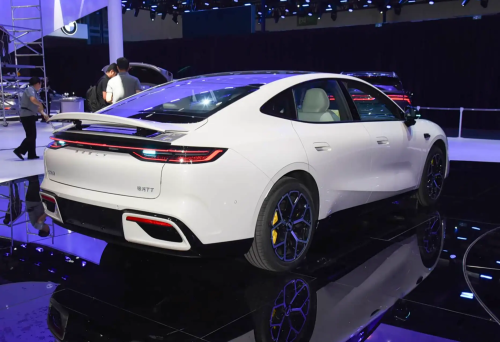
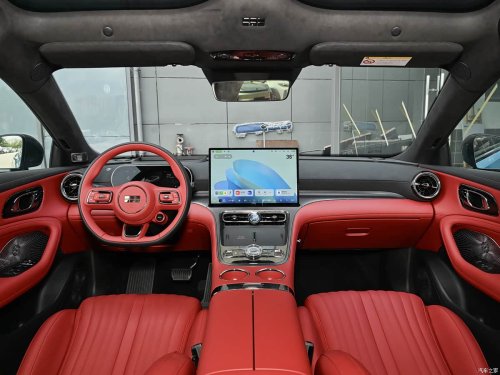
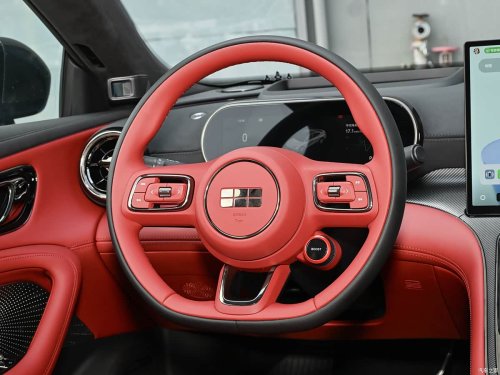
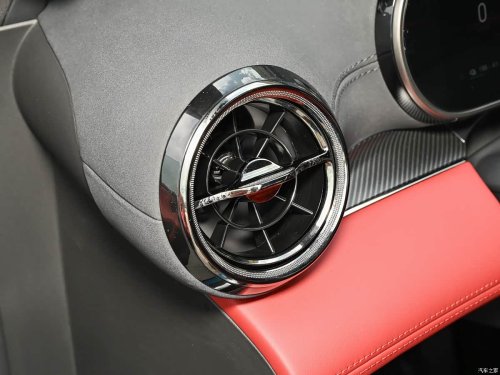
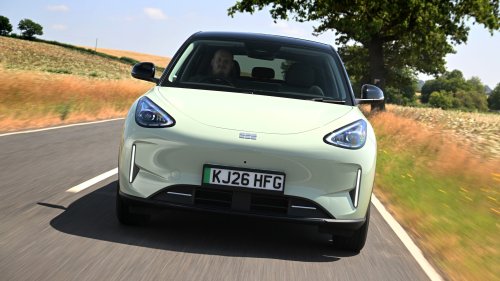
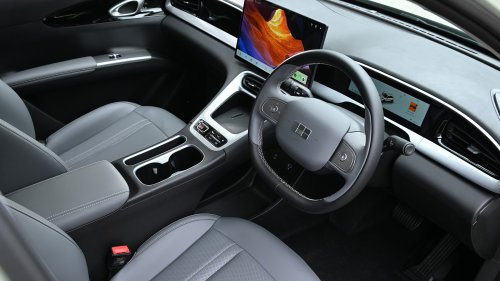
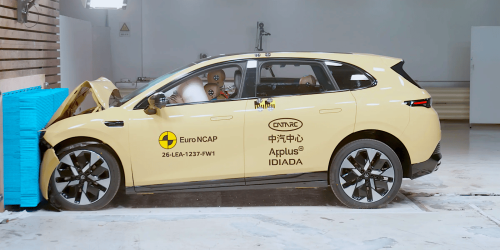
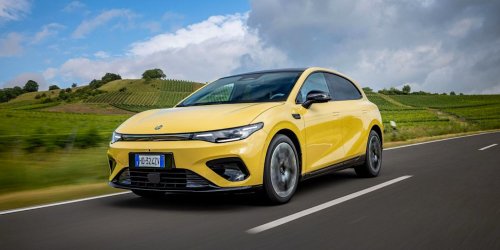
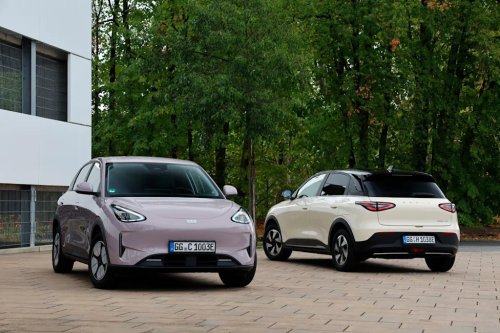
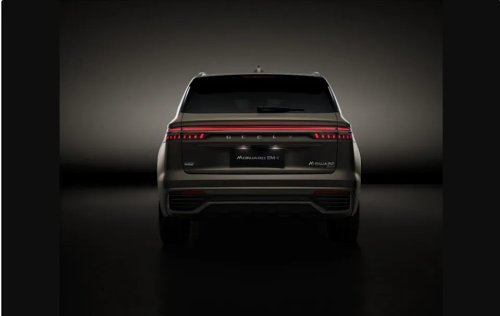
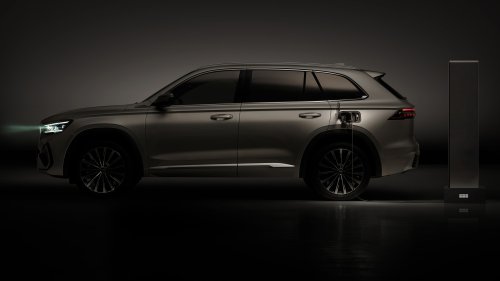
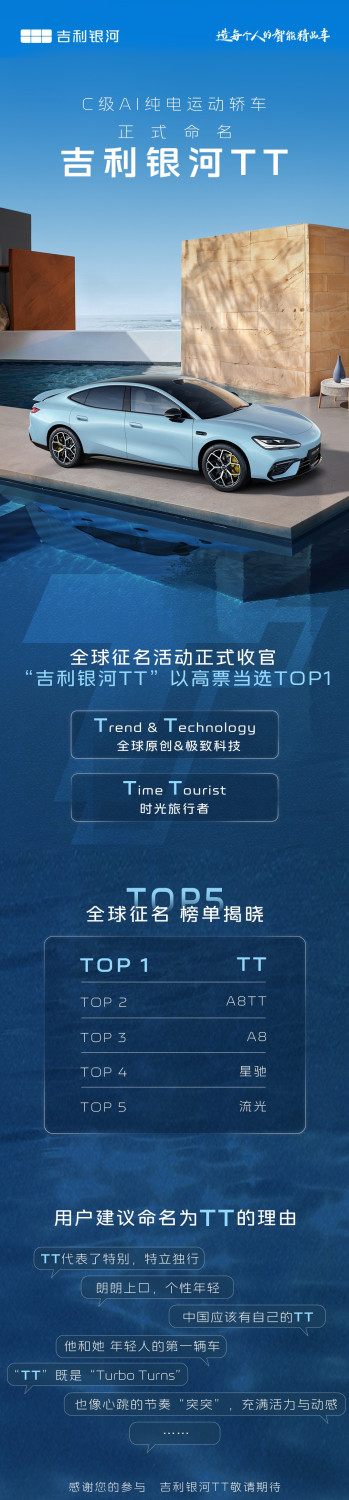
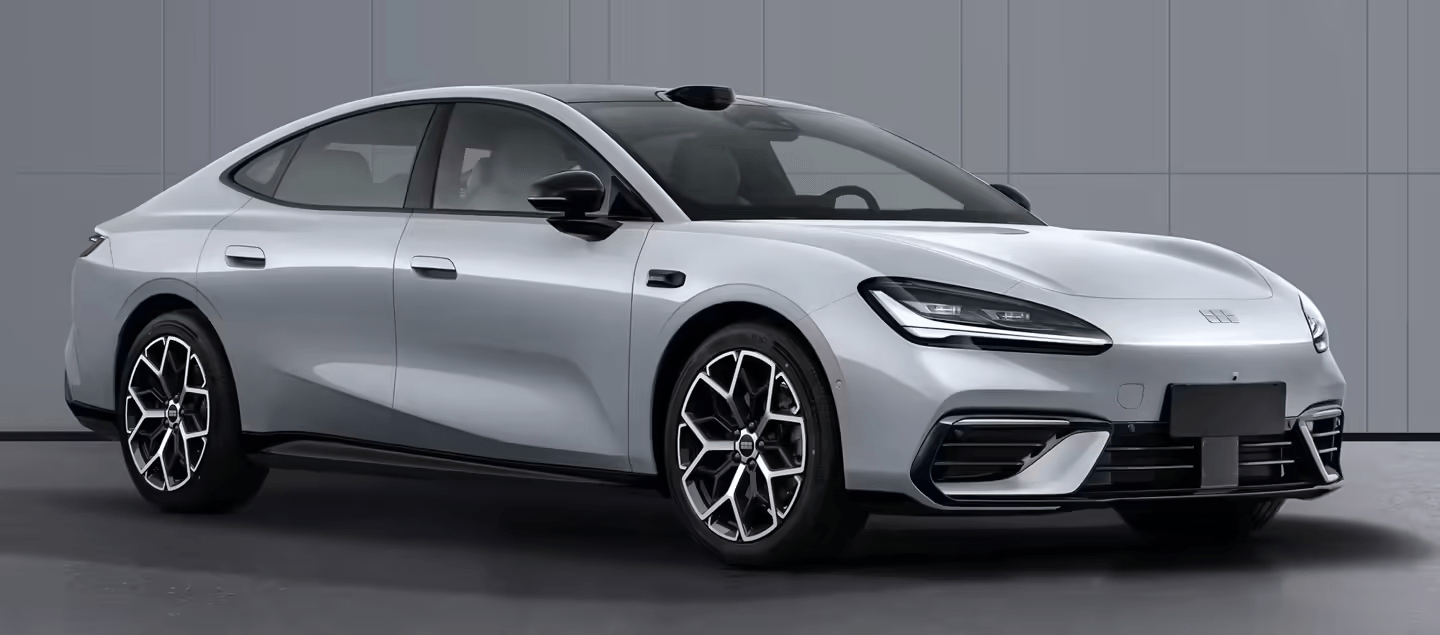
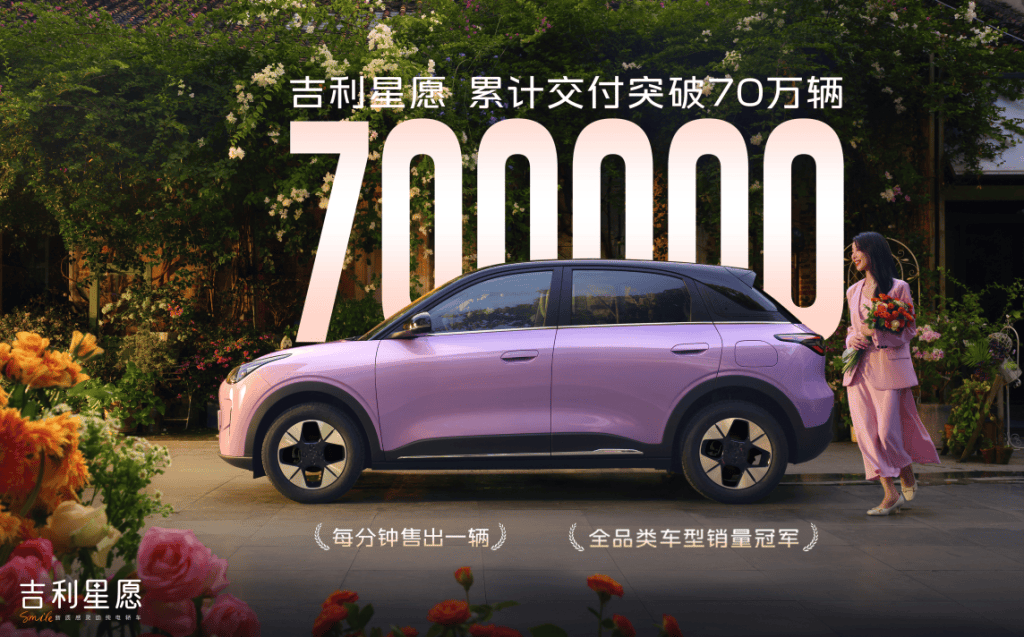
On June 15, Geely Galaxy announced that its new AI-enabled C-segment pure electric sports sedan has been officially named “Galaxy TT.” The name was selected following a global naming campaign, with “TT” emerging as the final choice after multiple rounds of screening and voting. According to the company, the “TT” designation carries a dual interpretation: first, “Trend & Technology,” emphasizing the vehicle’s design and technological positioning; and second, “Time Tourist,” reflecting a more conceptual brand narrative. Geely Galaxy unveils it new electric sedan, TT The Galaxy TT has already been filed with China’s Ministry of Industry and Information Technology (MIIT). The model adopts a new design language, featuring a closed front grille paired with L-shaped headlamps, giving the vehicle a more performance-oriented stance. The lower front fascia uses a three-section intake design, while the side profile follows a fastback coupe silhouette. Semi-hidden door handles and dual five-spoke wheels further reinforce a youthful styling direction. At the rear, the vehicle is equipped with a full-width taillight unit with distinct detailing on both sides, complemented by an aggressively styled rear bumper and a small rear spoiler. In terms of dimensions, the Galaxy TT measures 4,999 mm in length, 1,919 mm in width, and 1,479 mm in height, with a wheelbase of 2,920 mm, positioning it firmly within the mid-to-large electric sedan segment. It adopts a single-motor powertrain with a maximum output of 245 kW. Geely Galaxy TT, filed in MIIT Battery options include three packs with capacities of 52.4 kWh, 63.8 kWh, and 75.2 kWh. Corresponding CLTC ranges are 540 km, 640 km, 650 km, and up to a maximum of 725 km. The range variation is primarily driven by differences in battery capacity and power calibration across versions. From a product architecture perspective, the Galaxy TT appears to serve as a structural complement to Geely Galaxy’s existing all-electric sedan lineup. Current core models include the Galaxy Xingyuan, Galaxy Starship 7 EM-i, and Galaxy E5, which together form the backbone of the brand’s sales volume. Among them, Xingyuan recorded sales of 36,426 units in May (including exports), remaining the brand’s primary volume driver. The model ranked among the top three global new energy vehicles in Q1 this year, with cumulative deliveries exceeding 700,000 units within 573 days of launch. Geely Xingyuan’s cumulative deliveries reached 700,000 units Galaxy Starship 7 EM-i posted May sales of 14,185 units, while the Galaxy E5 and Galaxy A7 maintained stable performance within their respective segments. However, overall brand momentum showed some softening. Geely Galaxy recorded 81,727 units in May, down 20% year-on-year and 10.1% month-on-month. Sales remain heavily concentrated in a single model, with Xingyuan accounting for a significant share, while other models have yet to reach comparable scale. Against this backdrop, the Galaxy TT functions more as an expansion of the product portfolio, aimed at establishing a new foothold in the pure electric sedan segment while reducing reliance on a single high-volume model.



















 +39 others