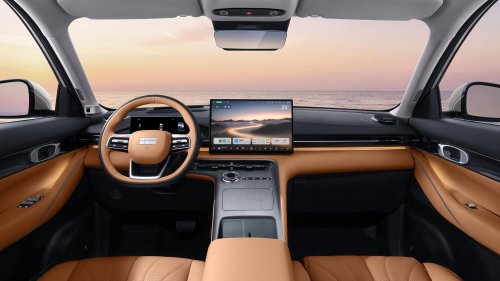
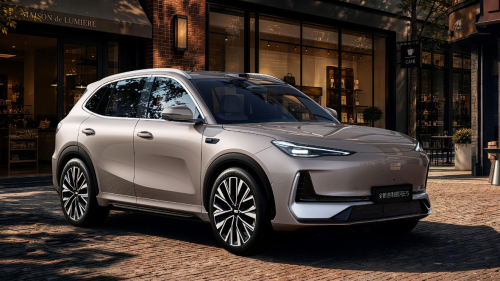
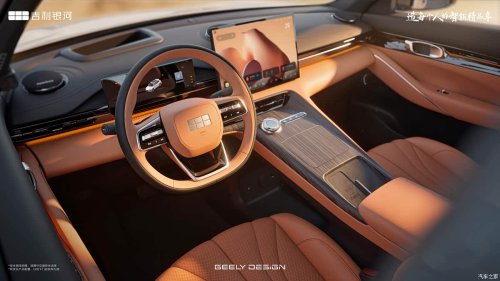
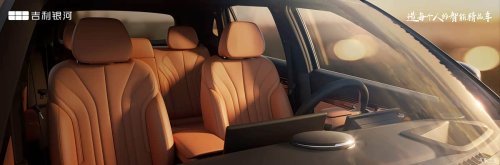
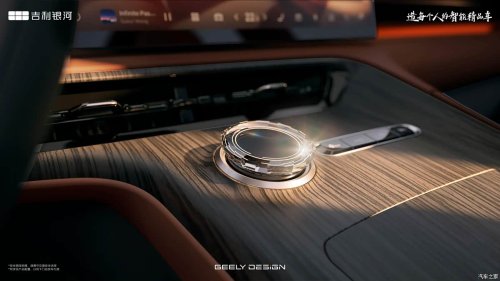
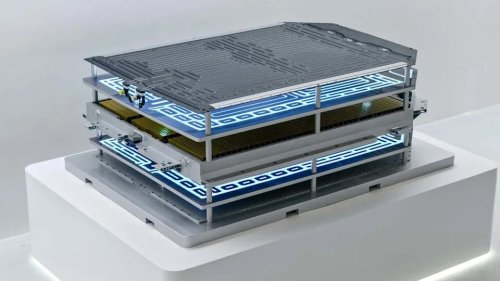
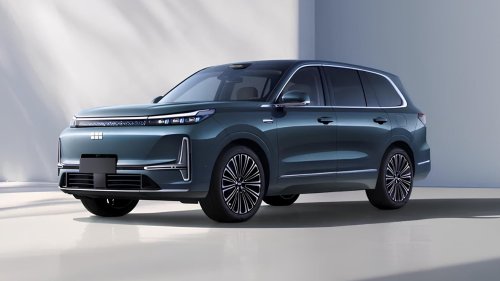
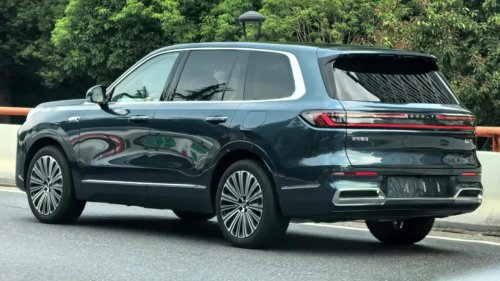
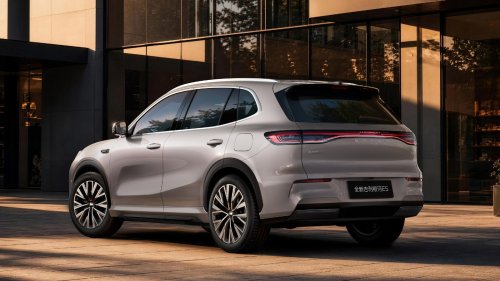
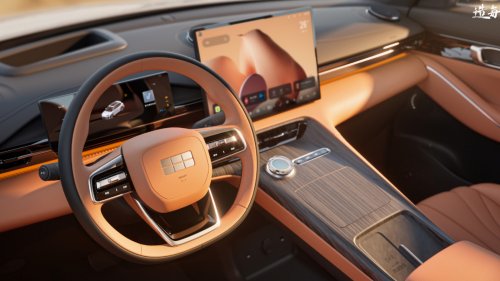
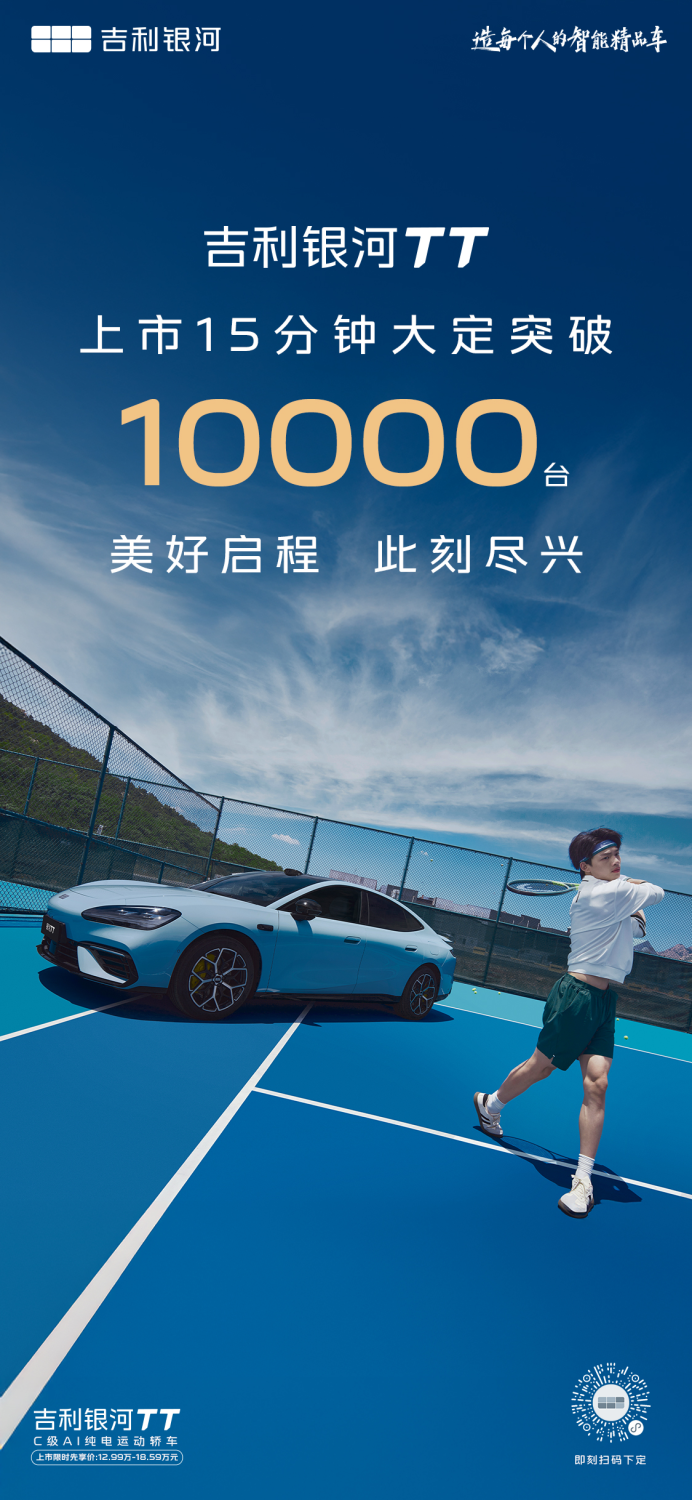
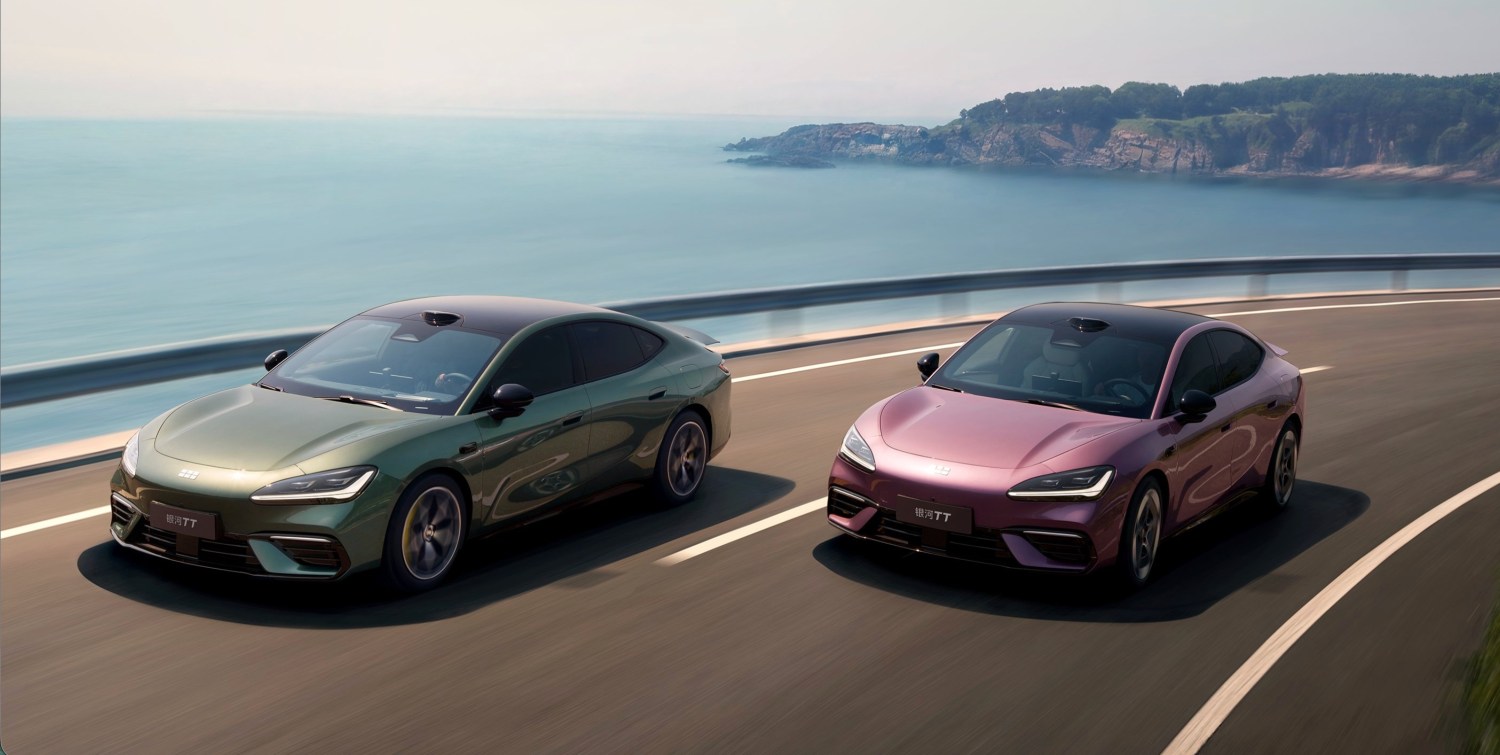
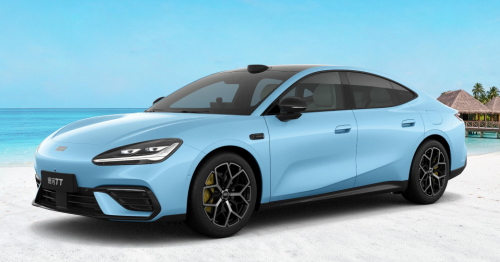
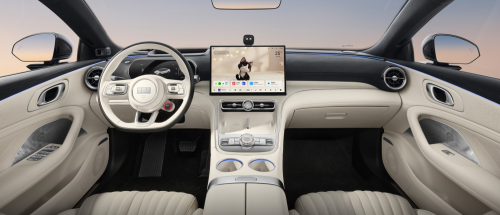
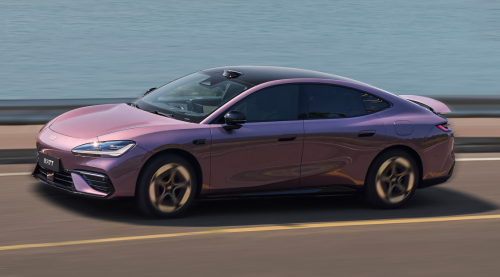
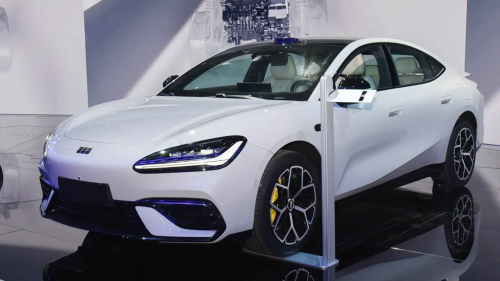
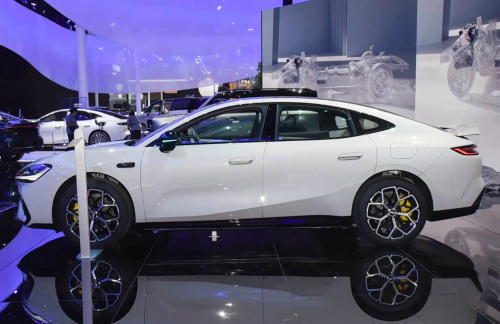
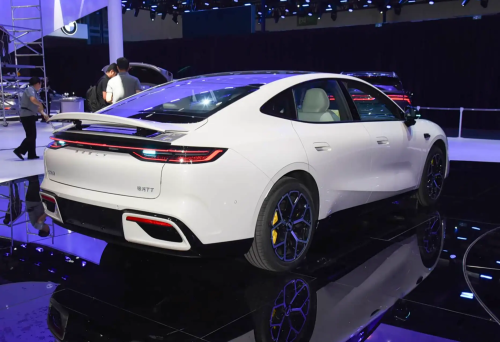
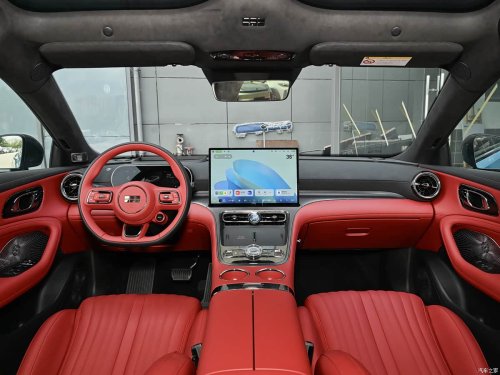
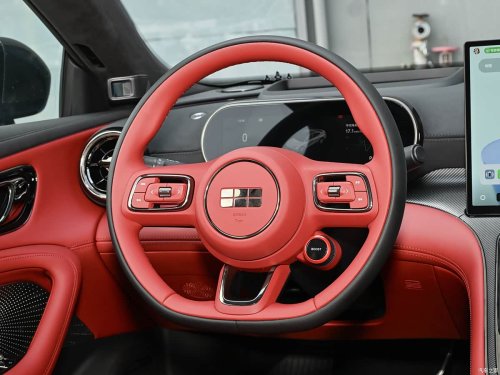
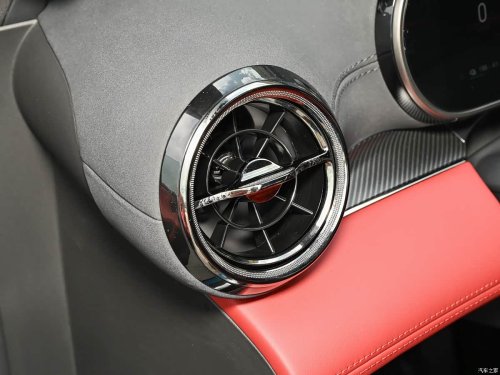
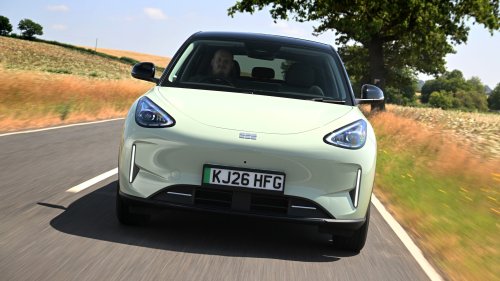
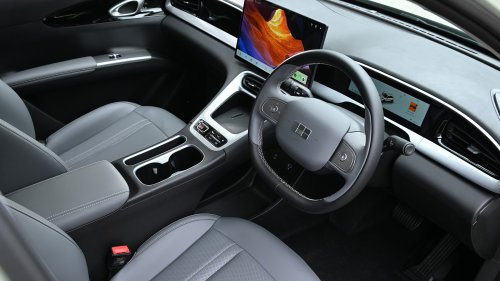
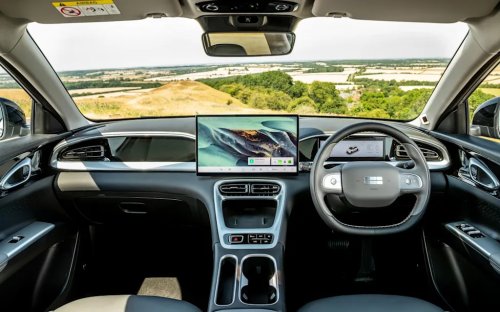
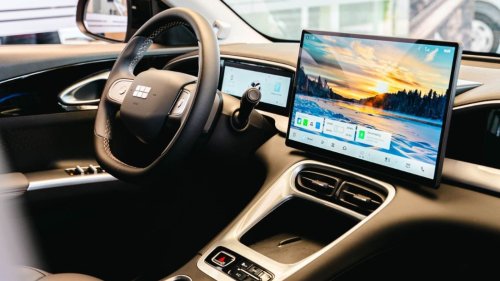
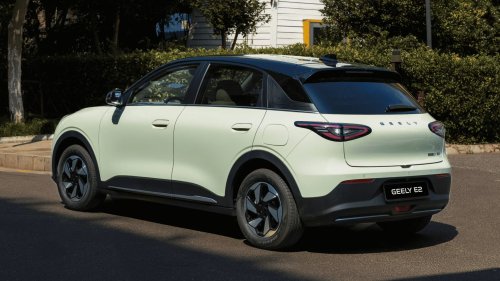
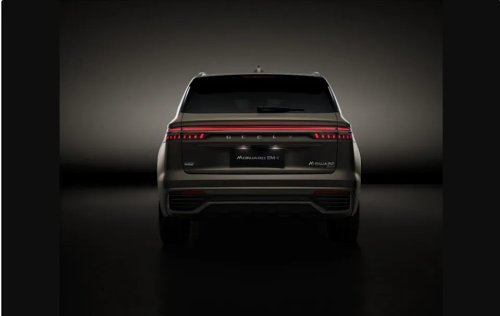
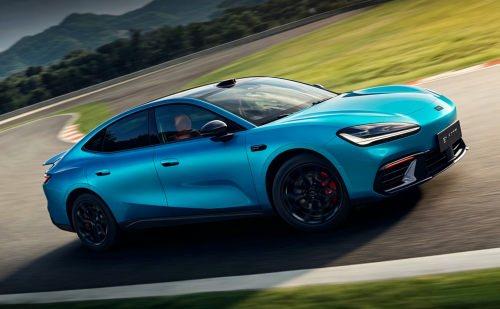
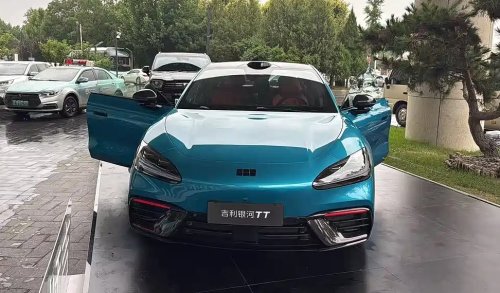
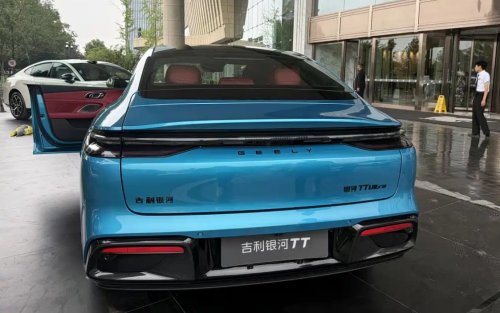
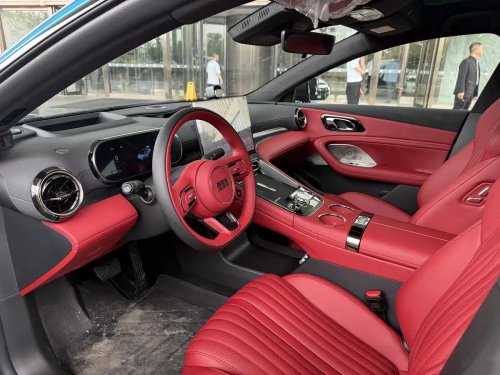
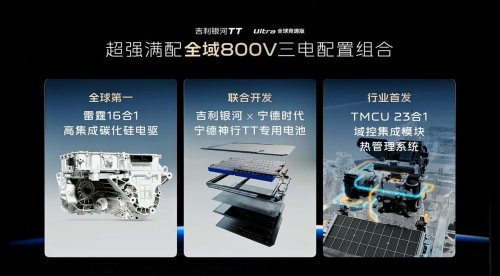
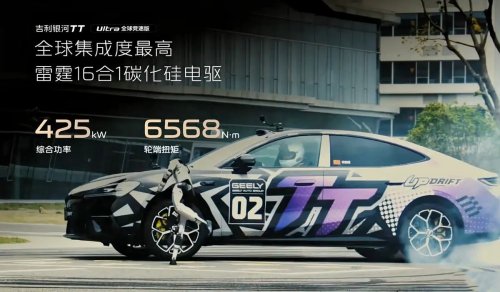
Global Racing Edition models incorporate carbon fiber aerodynamic components on the bumpers and side mirrors. Credit: Geely Galaxy Understand China EV’s Market Real-time notifications when critical EV data is released All important data in one place 2,000,000+ data points Become a member The Geely Galaxy brand ecosystem has officially expanded its electric vehicle lineup with the formal reveal of the Geely Galaxy TT Ultra and its corresponding Global Racing Edition. This new performance sedan introduces high-tier hardware upgrades to a platform that recently debuted as a styling counterpart to popular segment rivals. The vehicle positions itself as a direct technical response to the shifting performance metrics of the domestic electric sedan market. Built on an 800V high-voltage architecture, the model measures 4,999 mm in length, 1,919 mm in width, and 1,479 mm in height with a 2,920 mm wheelbase. The physical silhouette achieves a certified drag coefficient of 0.22, incorporating an active electric spoiler and carbon-fibre aerodynamic body components. This chassis integration signals a detailed research and development focus on optimising aerodynamic efficiency for high-speed tracking. Powertrain and battery The dual-motor all-wheel-drive configuration pairs a 180 kW front electric motor with a 245 kW rear electric motor, delivering a combined system output of 425 kW. This hardware combination generates 578 horsepower, enabling the vehicle to complete the 0 to 100 km/h acceleration sprint in 3.8 seconds before reaching a maximum velocity of 210 km/h. Drivers can initiate a specialised boost mode via a steering wheel button to access 20 seconds of continuous overclocked performance. Energy storage relies entirely on a 75.2 kWh lithium iron phosphate battery pack supplied by Contemporary Amperex Technology Co. Limited, commonly known as CATL. This specific battery specification yields a certified driving range of 650 km under the CLTC testing standard. Alternate configurations within the certified regulatory filings offer additional operational ranges measuring 540 km, 640 km, and 725 km, depending on the chosen single-motor or dual-motor layout. Chassis and cabin The mechanical architecture utilises a front double-wishbone and rear five-link independent suspension configuration. This hardware is augmented by continuously controlled damping suspension components and a predictive road-scanning system that adjusts damping characteristics in real time. Braking performance is handled via large-scale wheels paired with front four-piston fixed callipers to manage high-speed decelerations safely. The interior features a Flyme Auto 2.0 digital cockpit, a floating central infotainment screen, a slim driver instrument display, and a heads-up display system. The cabin architecture incorporates modular magnetic attachment layouts and physical threaded mounting points to support personalised consumer accessories. Furthermore, a physical analogue timepiece is integrated directly into the central air conditioning vent assembly to provide a distinct aesthetic detailing. Smart driving strategy For advanced driver assistance features, the vehicle utilises the proprietary Qianli Haohan H7 ADAS solution paired with a roof-mounted lidar sensor. This sensor package supports high-tier smart driving functions across highway and urban environments without attempting unmonitored operations. The deployment reflects the manufacturer’s strategy to standardise advanced sensing hardware across its expanding mid- to high-market segments. The introduction of this performance variant arrives as the brand builds upon its recent model debut to strengthen its overall market footprint. China EV DataTracker data from June 2026 show the Geely Galaxy E5 leading internal deliveries at 6,897 units, representing a 33.8% brand share, followed by the Galaxy Starburst 7 at 5,932 units. The incoming performance sedan will anchor the upper tier of this lineup, translating these specialised hardware configurations into a refreshed retail push. The chassis integrates a front double-wishbone suspension with continuously controlled adaptive damping hardware.




















 +15 others