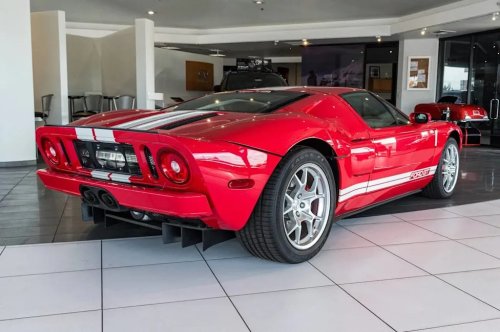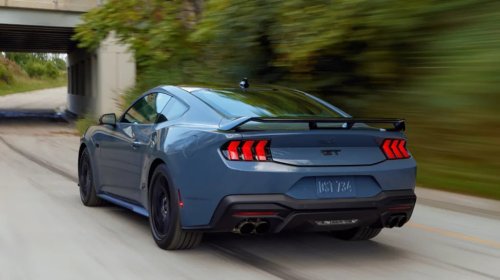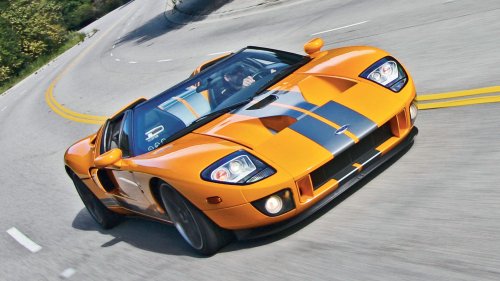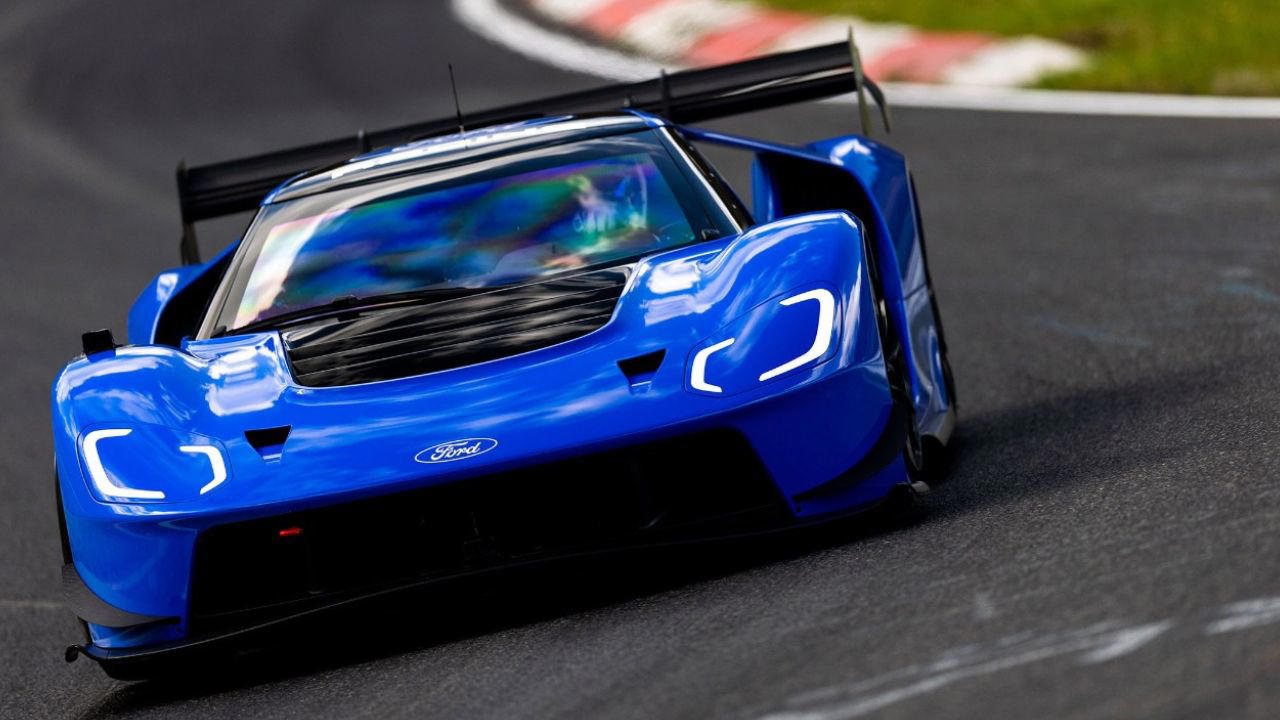
























You want to know whether the 800‑hp Ford GT Mk IV truly earned its place among the track elite — and it did. The GT Mk IV lapped the Nürburgring Nordschleife in 6:15.977, making it the fastest American OEM car and the third‑quickest overall on the circuit, a result that signals serious engineering and race pedigree. Expect a close look at the Mk IV’s powertrain, aero, and chassis choices that produced that time, plus how the lap stacks up against other record runs and what manufacturing choices let Ford deliver this level of performance. Dive in to see what the numbers mean for performance, how the car achieves them, and why this lap matters for internal‑combustion supercars. Ford GT Mk IV: Performance Overview The GT Mk IV pairs an 800-plus horsepower twin-turbo V6 with extreme aerodynamic work and race-spec chassis systems to deliver a focused, lap-time oriented package. You get a powertrain tuned for high-speed pull, aero that generates massive downforce, and suspension/braking hardware built for repeated hot laps. Engine Specifications and Power Output You’ll find a specially engineered twin-turbo EcoBoost V6 at the heart of the Mk IV, targeted to produce north of 800 horsepower on 93 octane pump fuel. The engine uses reinforced internals, upgraded cooling, and bespoke engine management to sustain peak power over extended high-load runs. Torque delivery favors a broad, usable band; peak torque exceeds 680 lb-ft according to factory engineering targets, and the drivetrain pairs the motor with a racing-style gearbox calibrated for rapid, precise shifts. You benefit from close gear spacing to keep the engine in its optimal power range on long straights and technical sections. Ancillary systems—oil scavenging, enlarged intercoolers, and dedicated radiators—protect the powerplant during repeated high-speed laps. The overall result is consistent lap-to-lap performance rather than a short-lived peak figure. Aerodynamics and Design Innovations The Mk IV uses a track-only aero package developed to maximize downforce while managing drag for Nürburgring speeds. You’ll notice a large fixed rear wing, extensive dive planes, and an aggressive front splitter that together create high-pressure differentials and tuneable balance front-to-rear. Underbody work includes venturi tunnels and optimized diffusers that accelerate airflow and extract wake energy to generate ground-effect downforce. Cooling ducts are integrated into the aero layout to feed the intercoolers and brakes without massively disrupting overall airflow. The bodywork is formed from lightweight composites and carbon fiber panels to reduce mass and stiffness. You benefit from precise aerodynamic balance that keeps the car stable through high-speed esses and heavy braking zones, improving confidence and cornering speed. Track-Focused Engineering You get a race-bred chassis with adjustable dampers, reinforced mounting points, and a roll structure designed for high lateral loads. Suspension geometry is optimized for rapid transient response, giving you predictable turn-in and minimal dive under braking. Braking hardware consists of large carbon-ceramic discs with multi-piston calipers and race-spec cooling to resist fade during repeated laps. Tire fitment is specific to track use, with wide, sticky compounds mounted on lightweight forged wheels to maximize mechanical grip. Electronic systems are pared to essentials: traction and stability controls are calibrated for aggressive input and can be dialed back for skilled drivers. Every weight, cooling, and structural decision centers on extracting the most consistent lap times from the car. Nürburgring Lap Ranking and Analysis The GT Mk IV delivered a 6:15.977 lap that reshuffles Nürburgring rankings for production and prototype-tuned cars. You’ll see how that time places the car among electrified and purpose-built records, how it stacks up against road-going supercars, and what it means for hypercar performance expectations. Record Lap Time and Third-Fastest Placement Ford Ford recorded a 6:15.977 lap at the Nürburgring Nordschleife with factory driver Frédéric Vervisch behind the wheel. That time makes the GT Mk IV the third-fastest car to ever lap the 12.9-mile circuit, trailing only the Porsche 919 Hybrid Evo and the electric Volkswagen ID.R in official all-vehicle rankings. The GT Mk IV becomes the quickest purely internal-combustion vehicle on the list and the fastest OEM American entry. Its 800+ hp twin-turbo EcoBoost V6 and track-only aero package were calibrated specifically for high-speed stability and cornering on the Nordschleife’s long straights and complex turns. Key numbers: Lap time: 6:15.977 Driver: Frédéric Vervisch Notable distinctions: fastest ICE car, fastest American OEM car, third-fastest overall Comparison With Other Supercars Compared with contemporary hypercars, the GT Mk IV’s lap outpaces many production-derived entries by a wide margin on the Nordschleife. You should note the Porsche 919 Hybrid Evo and Volkswagen ID.R are non-production or prototype efforts with hybrid/electric powertrains optimized purely for lap time, which gives them different performance envelopes. Against road-legal supercars like the Mercedes-AMG One or McLaren Speedtail, the GT Mk IV benefits from a track-only setup: reduced weight, increased downforce, and tire compounds focused on single-lap ultimate grip. That narrows direct apples-to-apples comparisons, but it still proves the underlying chassis and powertrain can compete with the fastest cars in the world when not constrained by road homologation. Considerations when comparing: Vehicle status: production vs track-only vs prototype Aero and tire packages: bespoke vs street-legal compromises Powertrain type: ICE vs hybrid/electric influence on straight-line vs cornering behavior Implications for Hypercar Performance You can interpret the GT Mk IV’s result as pressure on hypercar makers to prioritize integrated aero, chassis, and tire systems rather than raw horsepower alone. The lap shows optimized aero and suspension tuning plus driver familiarity matter more than peak output when tackling the Nordschleife’s varied sections. Manufacturers aiming for Nürburgring prominence will increasingly treat lap programs like engineering exercises that feed into product development. Expect more track-focused variants, closer collaboration with tire makers, and iterative aero solutions targeted at specific circuits. Practical takeaways for buyers and engineers: Lap times reward holistic packages (aero + tires + suspension), not just engine power. Track-only runs can validate concepts that later influence limited-production hypercars. Nürburgring benchmarks remain useful but require context about vehicle status and setup. Relevant coverage of the GT Mk IV’s lap and distinctions appears in reporting like Motor1’s account of the record lap. Technology and Manufacturing The GT Mk IV pairs purpose-built aerodynamics and race-grade mechanical systems with a manufacturing approach that emphasizes precision, stiffness, and repeatable performance. Structural design, material selection, and limited build runs all prioritize lap time and serviceability. Advanced Chassis Construction You get a chassis engineered for maximum torsional rigidity and predictable handling under extreme loads. Multimatic-developed carbon-fiber monocoque construction integrates load paths for the engine, suspension, and rear subframe to reduce flex at high cornering forces. That stiffness improves tire contact patch consistency and allows finer suspension tuning. Primary structural nodes use bonded and mechanically fastened joints to combine the benefits of adhesive bonding with removable components for maintenance. Bulkheads and crash structures are optimized with finite-element analysis and validated on track, so the chassis resists fatigue across repeated high-g maneuvers. The result: a platform that behaves like a prototype racer but accommodates serviceability for owners and teams. Material Choices and Lightweight Components You encounter extensive use of aerospace-grade carbon fiber, aluminum alloys, and selective titanium hardware throughout the car. The bodywork and structural panels use high-modulus carbon to minimize mass while retaining impact performance. Suspension arms and uprights often employ forged aluminum for strength-to-weight efficiency; critical fasteners and select engine components use titanium where reduced reciprocating mass or corrosion resistance matters. Composite sandwich structures with honeycomb cores appear in non-load-bearing panels to cut mass without compromising stiffness. Heat-management parts—brake ducts, intercooler housings, and exhaust routing—combine ceramics and high-temperature alloys to withstand thermal stress. Weight reduction focuses on rotating mass and unsprung weight to improve transient response and braking. Limited Production Numbers You should expect production to be tightly limited, reflecting both race-level specification and bespoke assembly processes. Low-volume manufacturing allows hand-assembled subsystems, individual chassis validation, and more stringent quality control than mass-market lines. Each chassis typically receives dyno calibration, aerodynamic shakedown, and a documented build log. Limited runs also permit individualized setups—gearing, suspension mapping, and aero trim—so your car can be tailored to specific tracks or series. That exclusivity increases build cost and service intervals managed through specialized dealer or factory channels, rather than typical franchise service centers. For owners, this means direct factory support and scheduled maintenance windows aligned with track use. More from Fast Lane Only Unboxing the WWII Jeep in a Crate 15 rare Chevys collectors are quietly buying 10 underrated V8s still worth hunting down Police notice this before you even roll window down *Research for this article included AI assistance, with all final content reviewed by human editors.