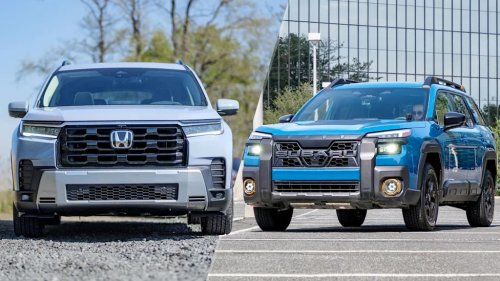
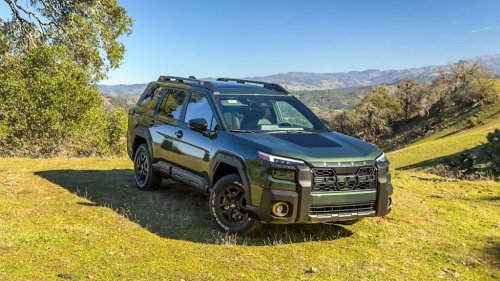
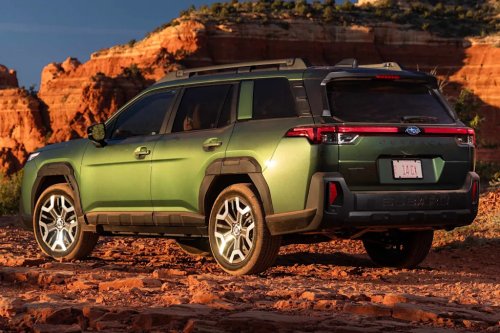
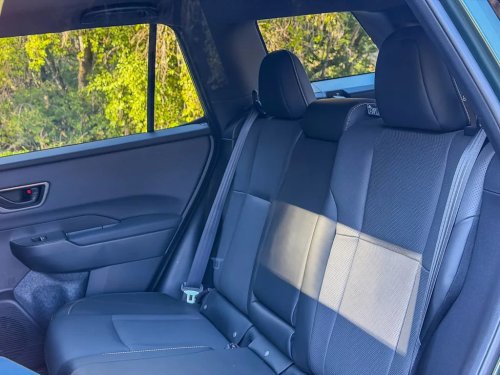
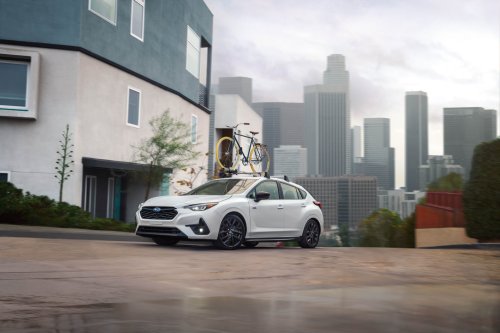
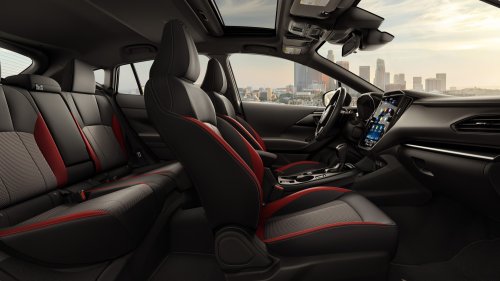
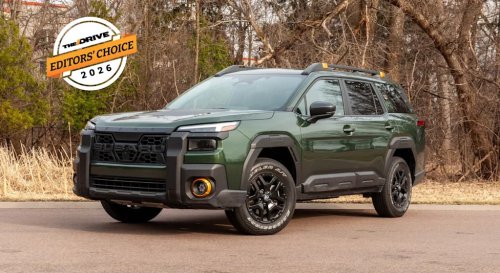
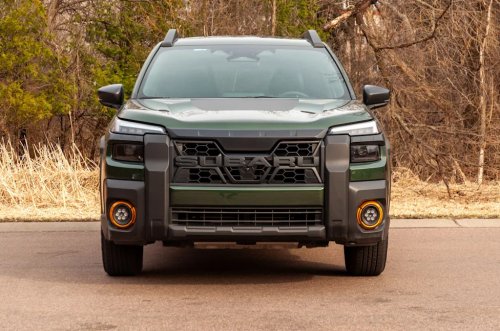
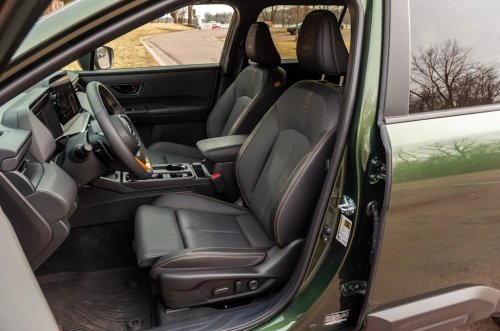
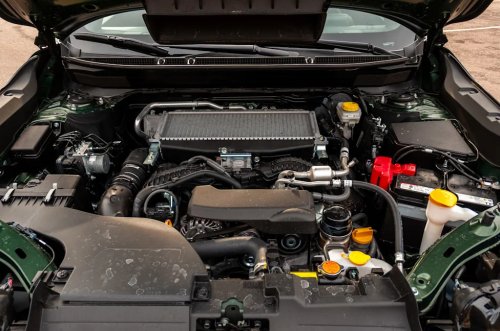
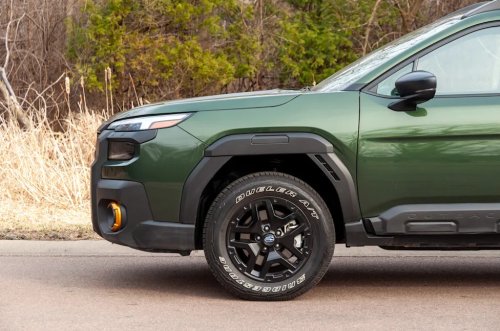
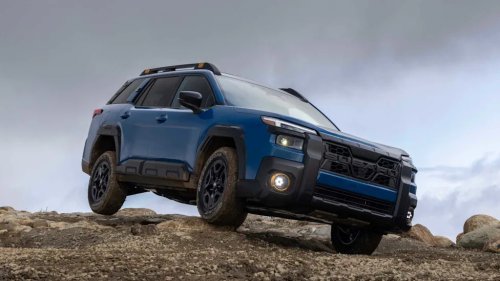
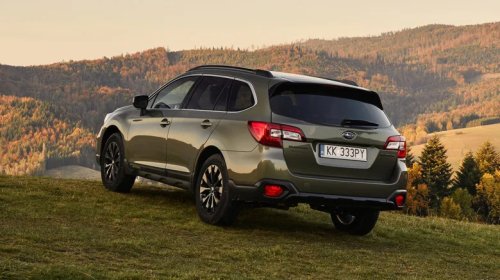
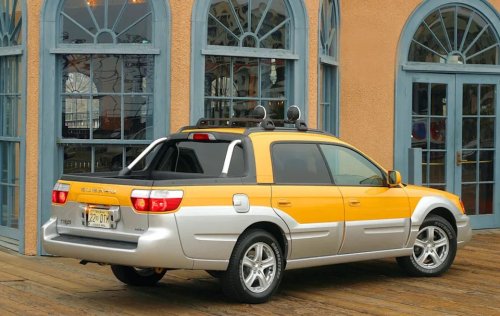
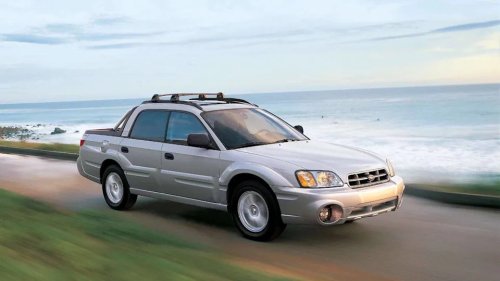
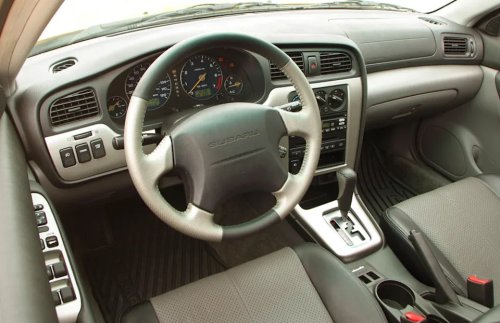
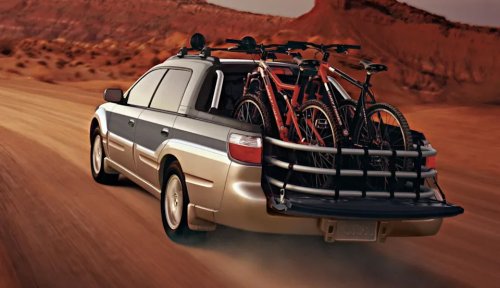
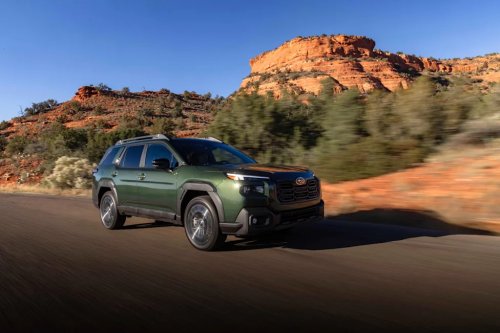
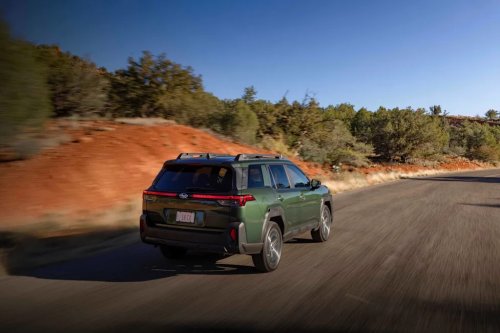
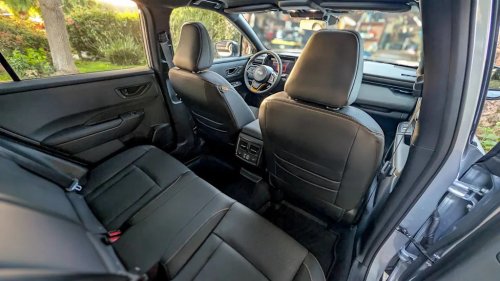
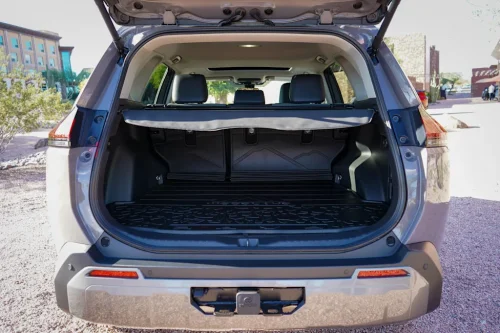
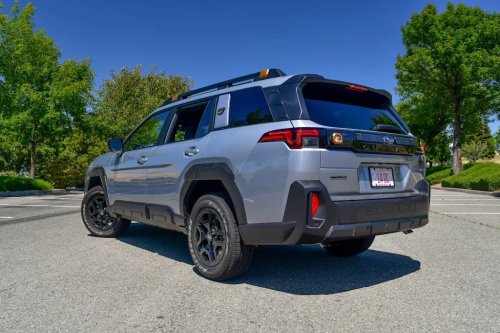
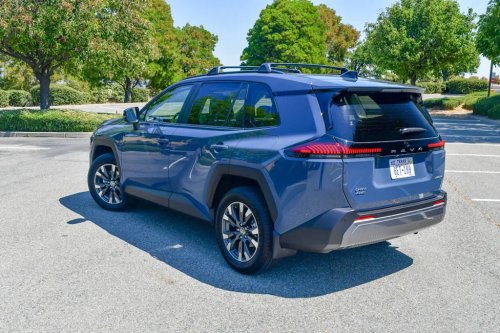
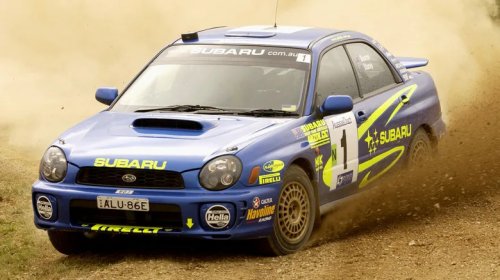
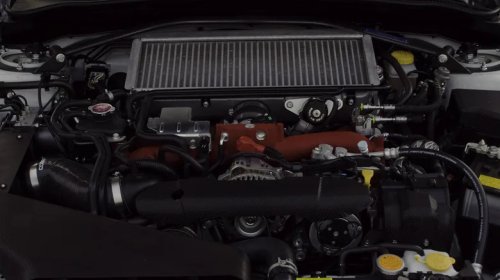
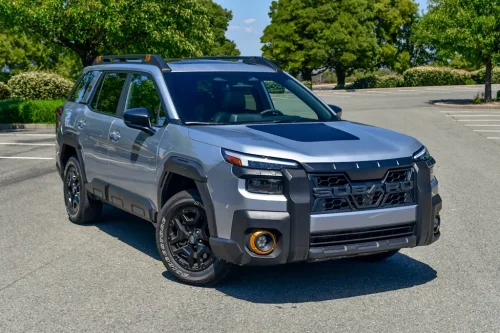
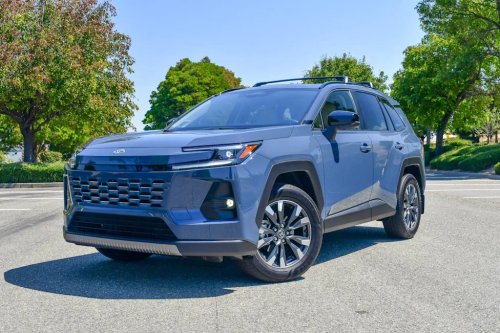
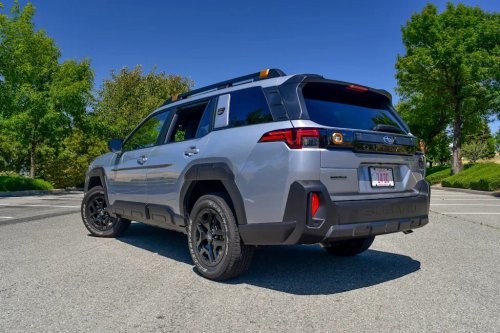
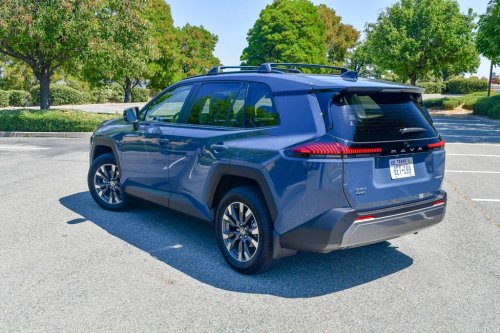
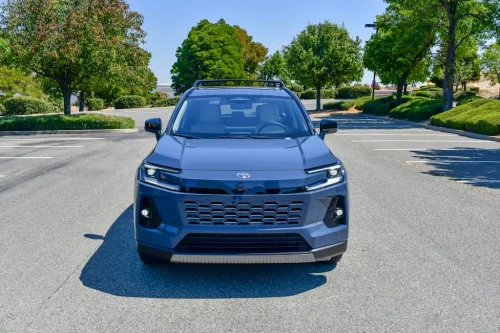
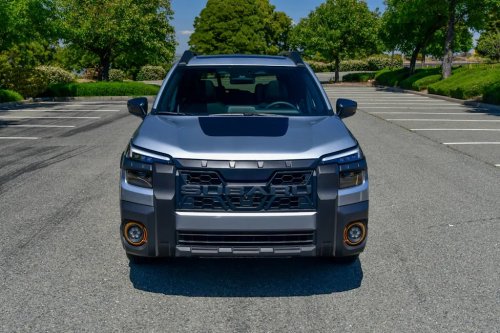
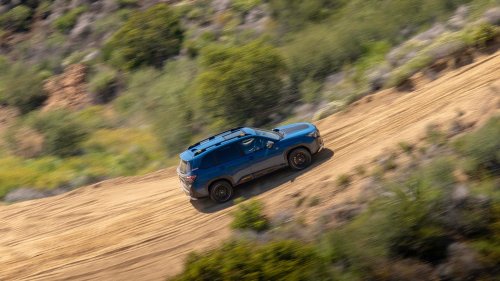
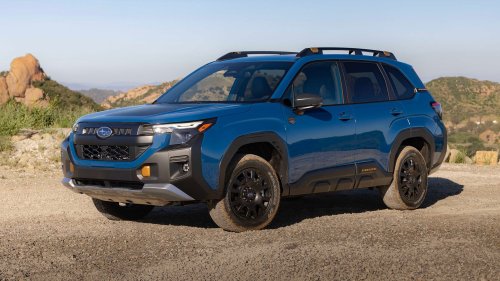
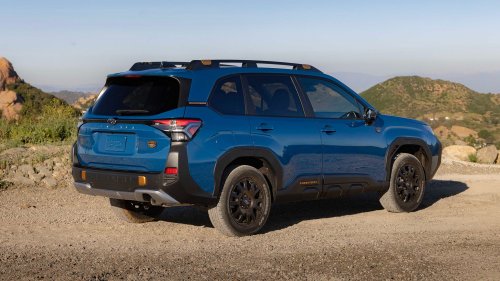
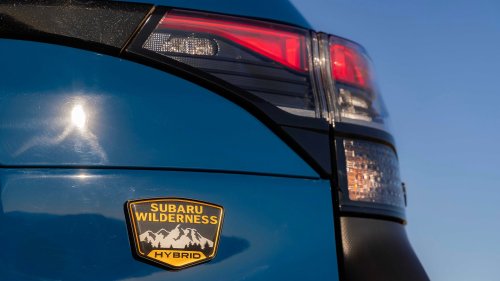
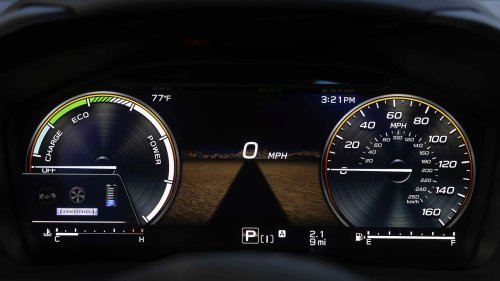
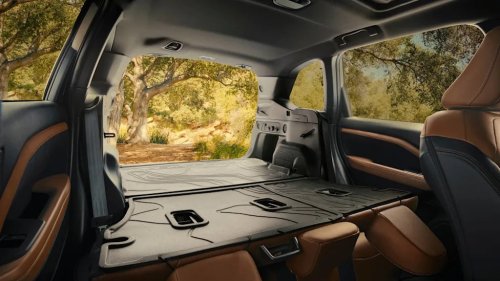
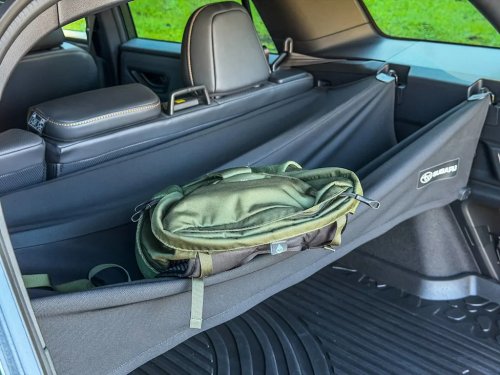
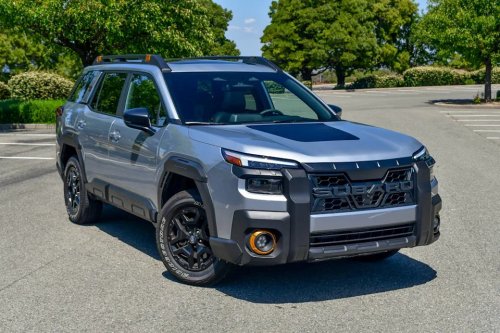
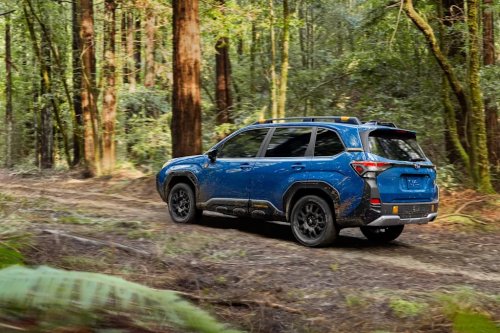
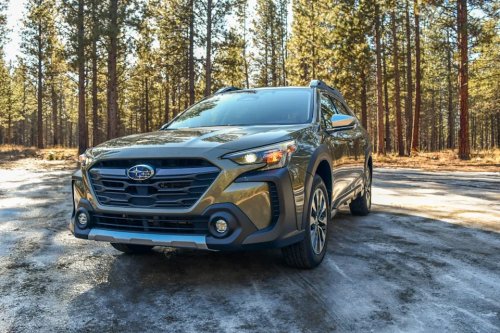
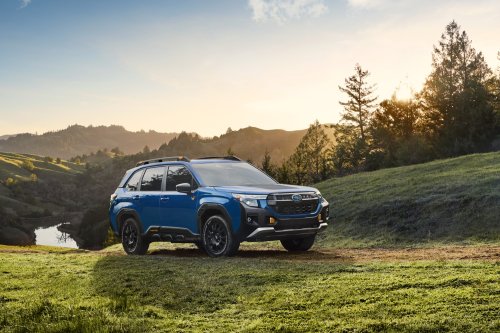
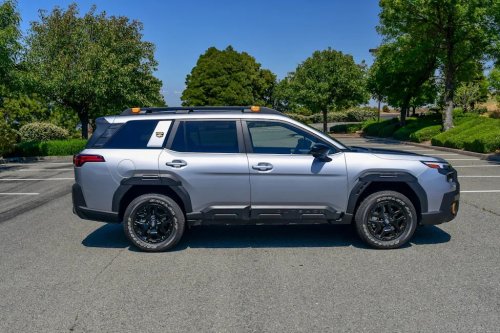
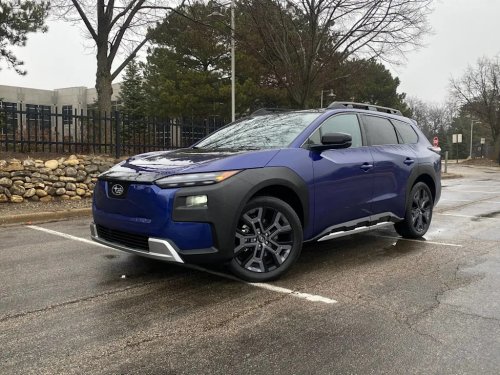
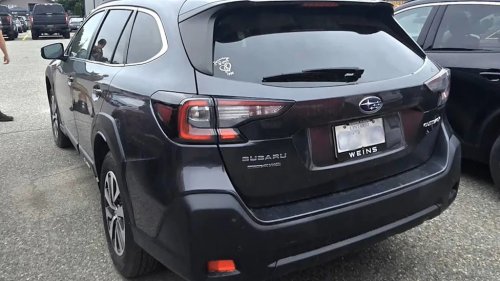
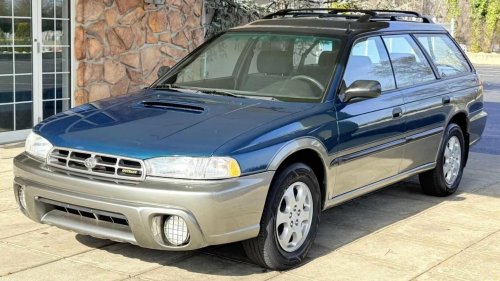
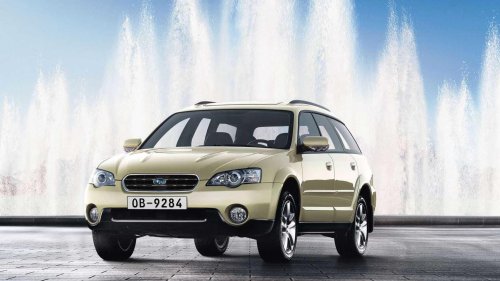
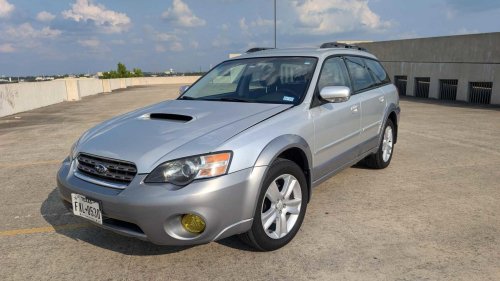
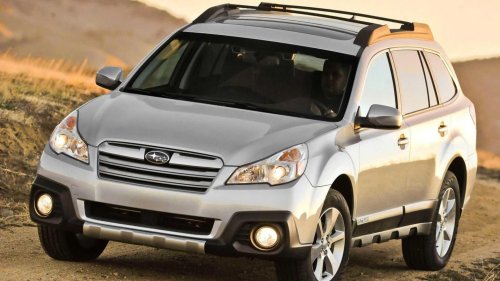
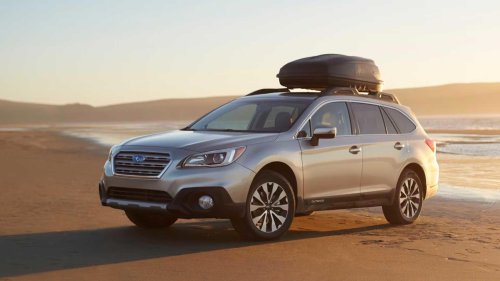
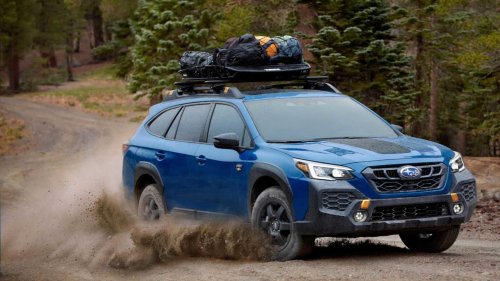
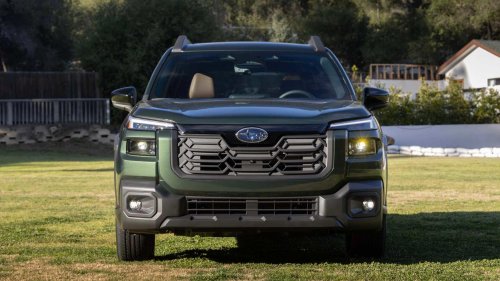
The Subaru Outback was built out of the wagon trim of the second-generation Legacy. This was Subaru’s attempt to break into the rising SUV market in the United States. Instead of fashioning a brand-new SUV, Subaru redesigned the body cladding and all-wheel-drive suspension of the Legacy to form the first-generation Outback. Sales figures of the Legacy Outback saved Subaru from bankruptcy. It is reported to have spearheaded the crossover movement in the U.S.Since then, the Outback has transformed from a niche wagon to an adventure lifestyle vehicle. The Outback then evolved from a variant of the Legacy model to a longer, more powerful standalone model. The first turbocharged engine was introduced in the sleeker-designed third trim, and by the fourth generation, it was raised much higher with a CVT transmission. Tech and safety were the major focus of the fifth generation, while the sixth generation was raised even higher for better off-roading.With this article, we will explore the evolution of the Subaru Outback through the years to help you if your desired choice of an Outback purchase happens to be one of the older generations. First Generation (1995-1999): The Wagon That Started It All SubaruThe first-generation Subaru Outback was built on the Legacy platform, which was the BD/BG chassis. It featured the Legacy’s unibody construction. The Outback had a 7.3-inch higher ride height than the 6.1-inch ground clearance on the standard Legacy wagon. It featured wheel arch extensions, black plastic body cladding, and a unique front grille and bumper design. The materials in the Outback were more upscale and rugged than those in the Legacy. By 1996, Subaru raised the roof of the Outback for better visibility. First Generation Specifications: Feature2.2L SOHC Boxer-4 (1995)2.5L DOHC Boxer-4 (1996–1999)Horsepower/Torque135 hp / 140 lb-ft155 hp / 162 lb-ftTransmission5-Speed Manual or 4-Speed Automatic5-Speed Manual or 4-Speed AutomaticMPG (City/Hwy)~21 City / 27 Highway~19 City / 25 HighwayGround Clearance7.3 inches7.3 inchesThe Outback started with a 2.2-liter SOHC flat-four, producing 135 horsepower, and was paired with a 4-speed automatic or a 5-speed manual transmission. By 1996, Subaru included the 2.5-liter DOHC flat-four engine option. This option produced 155 horsepower. At the Outback's launch, other 4WD options like the Ford Explorer and Jeep Cherokee used a system where the driver had to manually engage four-wheel drive by shifting a lever. Subaru’s system could stay on all the time, removing the need for the driver to touch a button. Second Generation (2000-2004): Establishing Identity Subaru By the second generation, the Outback was designed on an upgraded Legacy platform, the BE/BH chassis. It was so the Outback felt more like a crossover than a raised wagon. It had structural improvements and rigidity enhancements over the previous generation. Subaru increased the wheelbase by 0.8 inches. The second generation was 3.4 inches longer. With the new multi-link suspension, the Subaru Outback had a flatter floor, which increased cargo width between the wheel wells. Second Generation Specifications: Feature 2.5L SOHC H4 Engine3.0L DOHC H6 EngineHorsepower/Torque165 hp / 166 lb-ft212 hp / 210 lb-ftTransmission5-speed manual or 4-speed automatic4-speed automatic onlyMPG (City/Highway)~20 City / 27 Highway~19 City / 25 HighwayGround Clearance7.9 inches7.9 inchesThe design of the exterior was more aggressive styling than the first generation, with redesigned headlights and grille, and an updated body cladding design. The interior featured improved material quality, an updated dashboard and center stack, and premium features like dual-zone climate control availability and premium sound system options. It had more interior refinement and size than competitors like the Honda CR-V and Toyota RAV4. A 2.5-liter SOHC flat-four engine was the base engine, producing 165 horsepower. In 2001, a 3.0-liter DOHC flat-six engine was introduced in the L.L. Bean, VDC, H6-3.0 models, producing 212 horsepower and 210 pound-feet of torque. On the base model, it featured a 4-speed automatic transmission, while a 5-speed automatic was used on the higher trims. Third Generation (2005-2009): Going Mainstream Cars & Bids From 2005, the Subaru Outback was built on a new Legacy platform. It featured a significant size increase, wider track, a longer wheelbase, enhanced structural rigidity, and a weight increase and distribution. The third generation had more SUV-like proportions and stance with a taller roofline for increased headroom. The 2.5-liter SOHC flat-four engine was offered on the base model, and the 2.5-liter DOHC turbocharged flat-four engine, which was the first turbocharged engine of the Outback, was offered on the XT model. Third Generation Specifications: Feature 2.5L SOHC H4 (Base)2.5L DOHC H4 Turbo (XT)3.0L DOHC H6 (3.0R)Horsepower/Torque170 hp / 170 lb-ft250 hp / 250 lb-ft (2005 model year)245 hp / 215 lb-ftTransmission5-speed manual or 4-speed automatic5-speed manual or 5-speed automatic5-speed automatic onlyMPG (City/Hwy)~20 City / 26–27 Highway~18 City / 24 Highway~17 City / 24 HighwayGround Clearance8.4 inches (8.7 inches for some XT models)8.7 inches8.4 inches (or 7.9 inches in some years)The luxury trims featured the 245-horsepower 3.0-liter DOHC flat-six engine. This engine produced 5 horsepower less than the turbocharged engine. To improve its SUV-like status, it featured active AWD on base models and VTD AWD on XT and H6 models with a 45/55 default torque split, which made the driving experience sportier and more performance-oriented. Ground clearance was also increased to 8.7 inches with improved articulation over the second generation.The XT model featured larger brakes than the base model. This generation also featured a towing capacity of 2,700 pounds on the 4-cylinder model and 3,000 pounds on the 6-cylinder model. This was 700 and 1,000 pounds larger than the second generation, respectively. Fourth Generation (2010-2014): Refinement Era Subaru The interior of the fourth generation featured higher-quality plastics and trim materials, with a redesigned center stack with improved button layout. Later years included an available touchscreen infotainment with Bluetooth standard across the lineup. It had a new generation Boxer 2.5-liter SOHC flat-four engine in the base model, producing 173 horsepower and 174 pound-feet of torque, while a 3.6-liter DOHC flat-six engine replaced the 3.0-liter engine, producing 256 horsepower and 247 pound-feet of torque. The CVT Lineartronic became the standard transmission. Fourth Generation Specifications: Feature 2.5L H4 Engine3.6L H6 EngineEngine2.5-liter SOHC 4-cylinder Boxer3.6-liter DOHC 6-cylinder BoxerHorsepower170 hp (2010-2012) / 173 hp (2013-2014)256 hpTorque170 lb-ft (2010-2012) / 174 lb-ft (2013-2014)247 lb-ftTransmission6-speed manual or Lineartronic CVT5-speed automatic onlyMPG (City/Hwy)~22/29 manual; ~24/30 CVT~17/25Ground Clearance8.7 inches8.7 inchesIt featured power-assisted ventilated front disc brakes and standard VDC and traction control. The IIHS named multiple years of this generation its Top Safety Pick+. Subaru's EyeSight Driver Assist Technology was introduced in 2013. Its dual-color cameras are mounted near the rearview mirror. These function like human eyes to provide depth perception, which is used for safety features like Adaptive Cruise Control, Lane Departure and Sway Warning, Pre-Collision Throttle Management, and Pre-Collision Braking. In 2014, Subaru upgraded the EyeSight system to use color cameras over the black and white options of the previous year. Fifth Generation (2015-2019): Modern Adventure Wagon Subaru The fifth generation was built on an all-new Subaru Global Platform, which improved torsional rigidity, lowered the center of gravity despite its height, and stretched its wheelbase to 108.1 inches. The premium cabin materials inside included available Nappa leather on the Touring trim, a standard Starlink infotainment system on the 6.5-inch touchscreen, and an optional 8-inch touchscreen. From 2017, Apple CarPlay and Android Auto became available. Fifth Generation Specifications: Feature 2.5i Models3.6R ModelsEngine2.5L DOHC 4-Cylinder Boxer3.6L DOHC 6-Cylinder BoxerHorsepower175 hp256 hpTorque174 lb-ft247 lb-ftTransmissionLineartronic CVT (Manual dropped)High-Torque Lineartronic CVTMPG (City/Hwy)25 / 3220 / 27Ground Clearance8.7 inches8.7 inchesThis generation featured the 2.5-liter DOHC direct-injection flat-four and 3.6L DOHC flat-six engines from the fourth generation. These engines used a High-Torque Lineartronic CVT, which used improved CVT programming and response. Subaru continued the Symmetrical AWD system with Active Torque Vectoring and introduced X-Mode with Hill Descent Control. X-Mode on the 3.6-liter models included Snow/Deep Snow modes. Every year of this generation was rated as a Top Safety Pick+ by the IIHS and received five-star ratings from the NHTSA. This generation was good for off-road. It had a water fording of over 18 inches, an approach angle of 18.4 degrees, and a departure angle of 21.7 degrees. Sixth Generation (2020-2025): The Wilderness Pioneer Subaru The sixth generation came out with a bolder, more rugged design language. It featured a wider, more prominent grille with standard LED headlights that had C-shaped DRLs. The base model featured 17-inch wheels, while the higher trims featured 18-inch wheels. The interior featured a tablet-style 11.6-inch vertical touchscreen on the Touring and Wilderness trims, while a 7-inch or 8-inch touchscreen is standard on other trims. This generation enjoys an expanded cargo space with the second row of seats folded of 75.7 cubic feet, which is 2.4 cubic feet larger than the fifth generation. Sixth Generation Specifications: Feature 2.5L Standard Engine2.4L Turbocharged Engine (XT)Wilderness EditionEngine2.5L DOHC 4-Cylinder Boxer2.4L Turbo 4-Cylinder Boxer2.4L Turbo 4-Cylinder BoxerHorsepower182 hp260 hp260 hpTorque176 lb-ft277 lb-ft277 lb-ftTransmissionLineartronic CVTLineartronic CVTLineartronic CVT (Revised Gearing)MPG (City/Hwy)26 / 3322 / 2921 / 26Ground Clearance8.7 inches8.7 inches9.5 inchesThis generation featured two engine options, which were the 182-horsepower 2.5-liter DOHC direct-injection flat-four engine and the 260-horsepower 2.4-liter DOHC turbocharged flat-four engine available on the Wilderness and XT models. The XT trim got an 8-speed manual mode with paddle shifters, could accomplish 0–60 times of 6.1 seconds, and used SI-Drive (Intelligent/Sport modes). Every trim had a ride height of 8.7 inches, while the off-road specific Wilderness trim had an increased 9.5 inches of ground clearance. The Wilderness trim featured an improved tow rating of 3,500 pounds and a roof rack capacity of 200 pounds. Seventh Generation (2026-Present): The Next Evolution Subaru The seventh generation, beginning in 2026, is more box-like and upright, like a traditional SUV. It totally abandons the wagon-style roots of the Outback. This generation is two inches taller than the sixth generation and features a dual-screen infotainment system: a new 12.1-inch tablet-style touchscreen that runs on Android Automotive software, together with a standard 12.3-inch digital instrument cluster. Seventh Generation Specifications: The Wilderness trim uses electronically controlled dampers to further improve both off-road traction and on-road ride comfort. Subaru has fitted the EyeSight Driver Assist Technology with wider-angle lenses, and the system supports hands-free highway driving up to speeds of 85 mph. The generation launched with the refined 2.5L and 2.4L Turbo Boxer engines, but it is expected that a hybrid powertrain that utilizes Toyota-derived tech will join the lineup later in the 2026 cycle.



















 +41 others