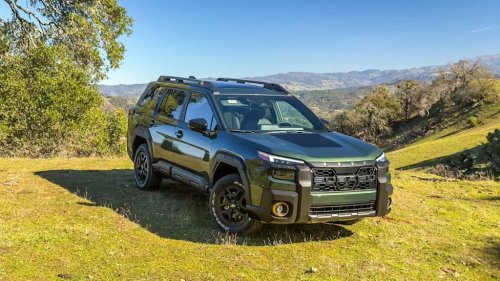
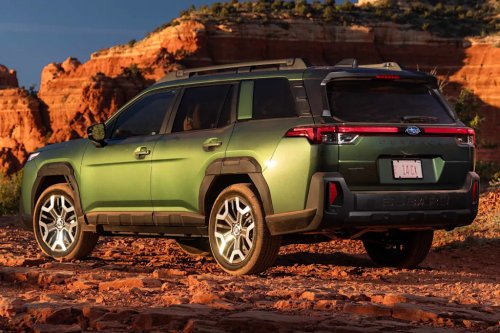
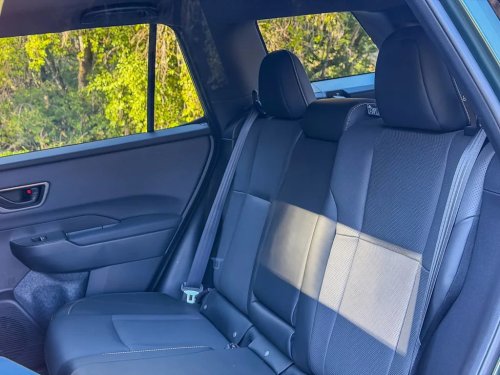
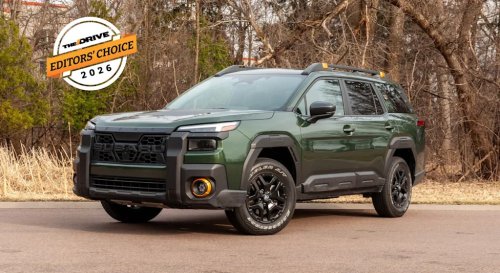
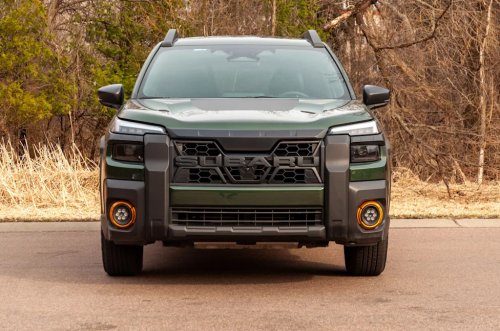
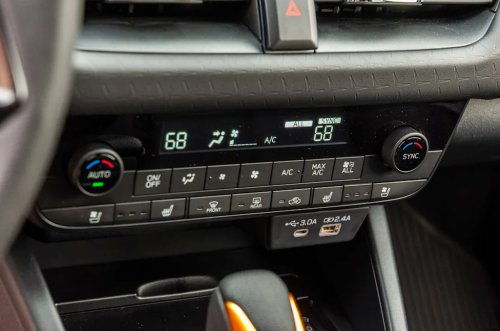
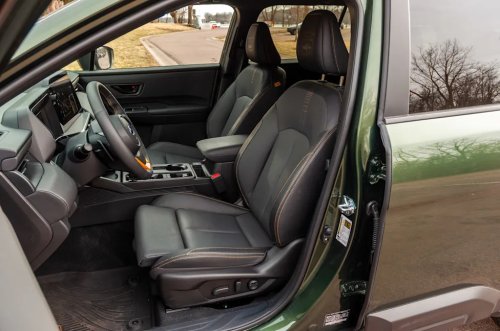
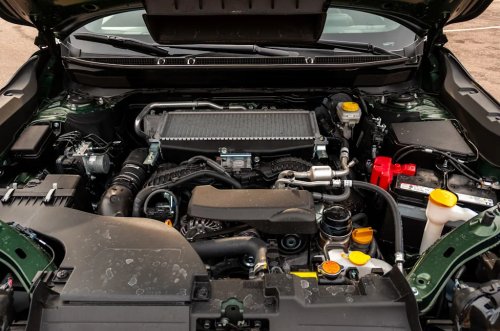
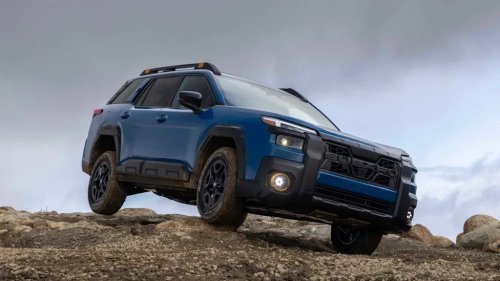
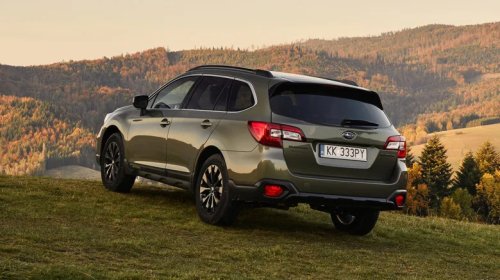
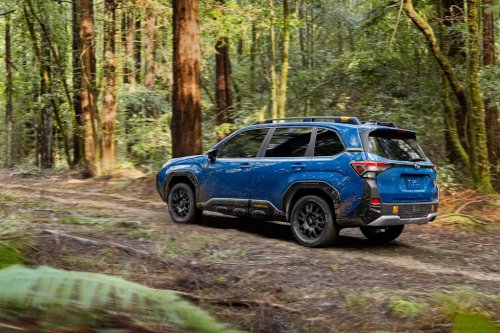
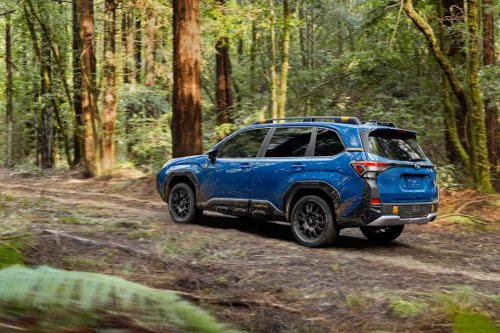
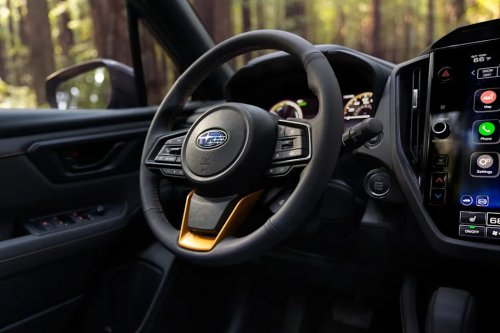
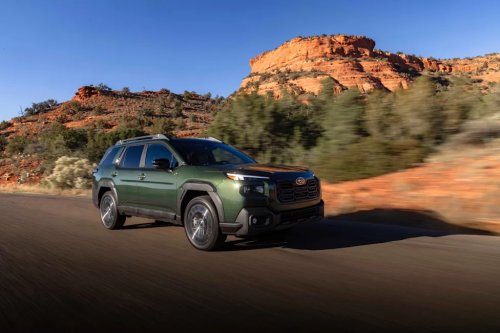
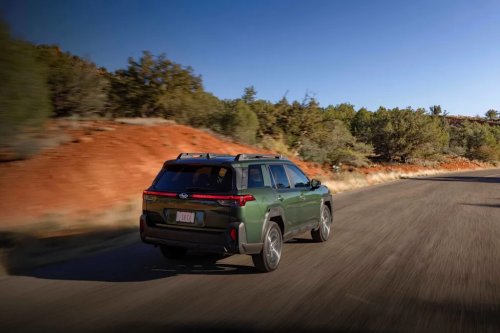
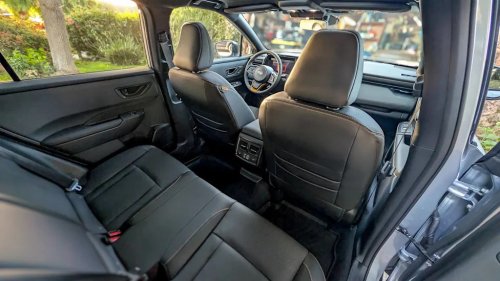
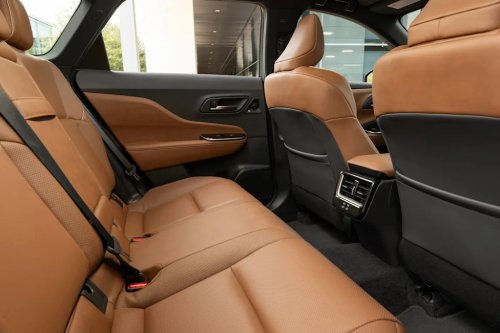
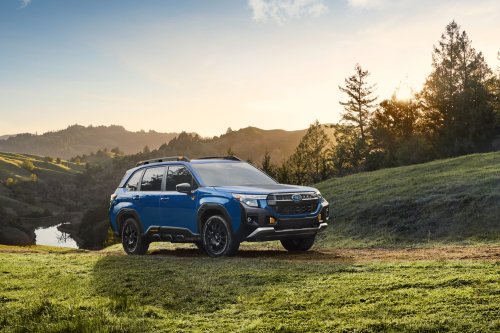
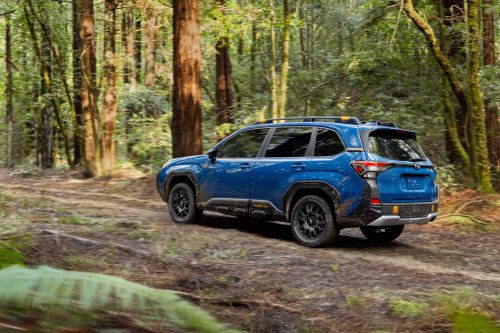
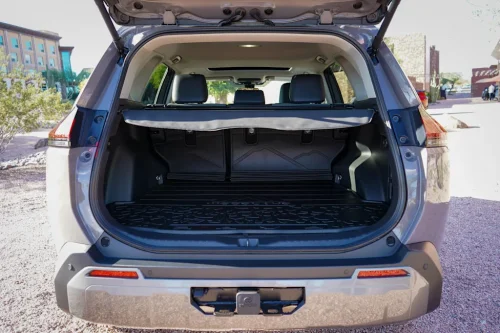
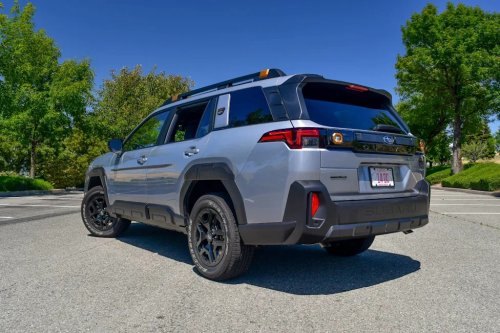
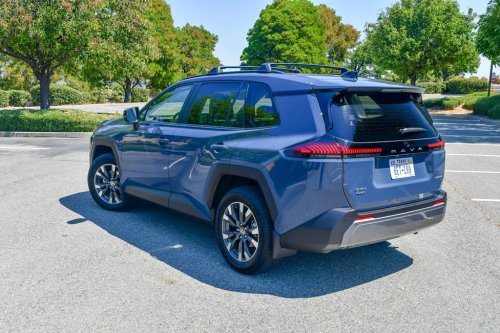
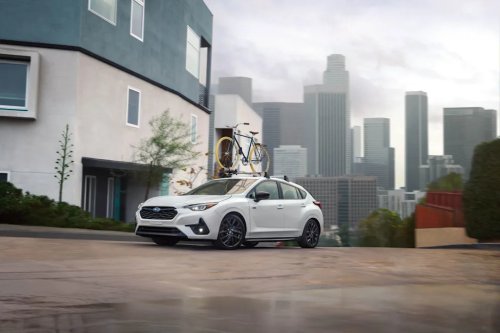
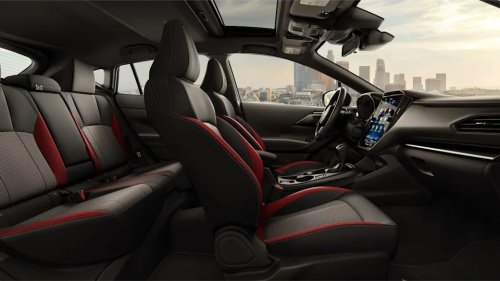
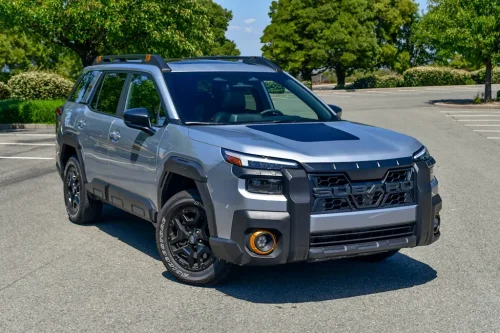
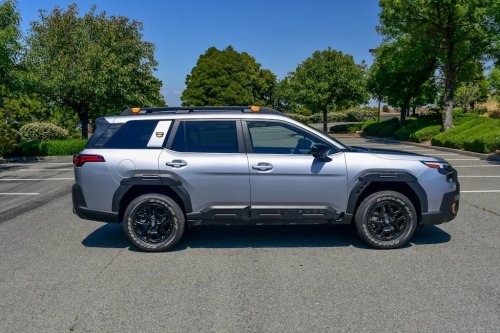
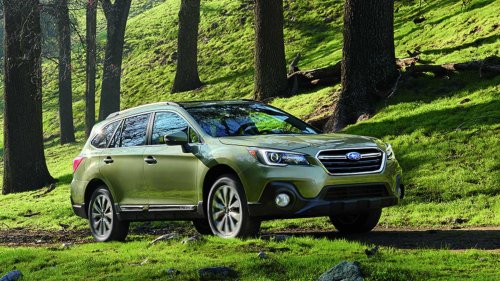
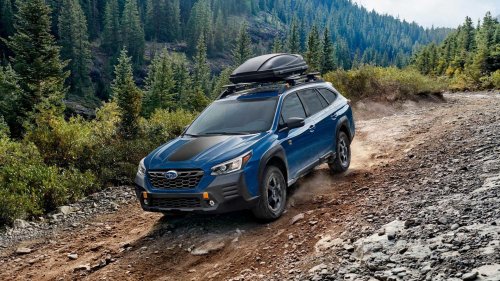
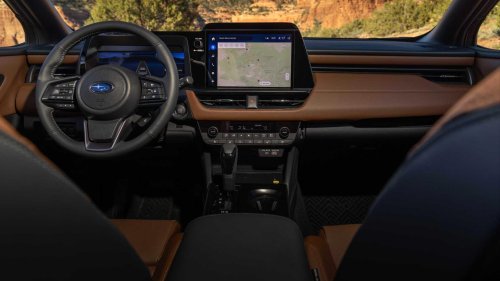
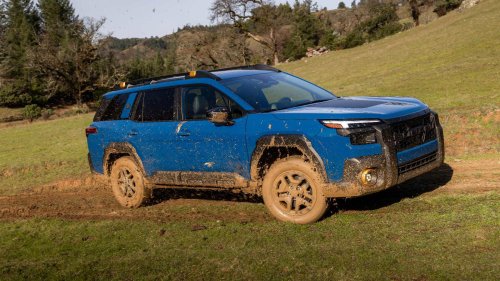
Jump Links2019 Subaru Outback: 5th Generation2021 Subaru Outback: 6th Generation2022 Subaru Outback: 6th Generation2011 Subaru Outback: 4th Generation2014 Subaru Outback: 4th Generation2013 Subaru Outback: 4th GenerationWhat is the biggest issue with a Subaru Outback?Which Subaru model has the fewest problems?What is the most reliable year for a Subaru Outback?Since coming to market in the mid-1990s, the Subaru Outback has dominated the wagon/crossover segment. It’s carved out a unique position that made it the ideal middleground between a traditional station wagon and a capable mid-size SUV. The Outback initially arrived for the 1995 model year as a tough-as-nails trim of the Legacy station wagon, but it quickly gained independence - driven by the booming outdoor adventure market. Featuring standard all-wheel drive and an elevated ground clearance, the Outback became the de facto choice for drivers who required all-weather capability without the top-heavy handling of a traditional SUV.The boxer engine configuration endows the SUV/crossover with a lower center of gravity, which provides much better stability across varied terrains than its bigger counterparts. And over its three-decade run, the Outback has proven to be one of Subaru’s engineering cornerstones, consistently outselling stablemates like the Forester and the smaller Crosstrek. When comparing the Outback vs Crosstrek, the Outback offers a longer wheelbase, better ride refinement, and substantially more cubic feet cargo capacity. But after 30 years on the market and with six generations under its belt, which Outback is the most reliable if you’re in the market for a used example?Reliability data has been sourced from the NHTSA. Recalls and complaints listed, as well as feedback from consumer surveys, have been taken into account. This article focuses on all Outback model years since its introduction in 1995. Authoritative sources are listed at the end of the article. Subaru Outback Generations Overview 2026 subaru outback wilderness exterior off road 12Before we dive into which Outback is the most reliable, we need to first understand the six Subaru Outback generations produced from 1995 to the present.The first generation (1995-1999) gave the blueprint for what we know today. Its rise came after the Legacy wagon - the vehicle on which it was first based - faced slow sales. To reignite consumer interest, Subaru raised the suspension and ground clearance, added aggressive body cladding, and heavily marketed the new vehicle as a rugged alternative to the base model. It was powered by a 2.2-liter or a larger 2.5L flat-four (horizontally positioned) engine. The writing was on the wall: the Outback became a massive success. The second generation (2000-2004) refined the formula further with the introduction of a multi-link rear suspension for improved ride quality and the new 3.0L flat-six engine. This larger engine was good for two primary reasons: it provided a necessary power bump for the increasingly heavy chassis, and it bypassed the emerging four-cylinder head gasket concerns - which we’ll get to.The third generation (2005-2009) favored performance and premium features, but Subaru also introduced a turbocharged 2.5L flat-four (the XT trim) engine that pushed out 250 horsepower. Notably, this was also the final generation to offer the Outback as a wagon/sedan. When the fourth generation (2010-2014) came around, the Outback underwent a radical design and architectural change. Its size ballooned, the roof height increased, and the wheelbase was extended to compete directly with mid-size SUVs. This generation introduced the Lineartronic CVT transmission over the traditional automatic gearboxes in a bid to meet ever-stringent fuel targets.The fifth generation (2015-2019) was another turning point for the Outback. Greater emphasis was placed on overall refinement, interior volume, and the widespread integration of driver-assistance technologies. Subaru’s EyeSight system became a major selling point and brought adaptive cruise control and pre-collision braking to the equation. For the sixth generation (2020-Present), the Outback moved to the highly advanced Subaru Global Platform (SGP), which increased torsional rigidity by a whopping 70% and improved crash absorption. The aging 3.6L flat-six was replaced with a much more efficient 2.4L turbocharged flat-four. Though it ensured better emissions compliance, it maintained an identical 277 lb-feet of torque to the outgoing engine."Unless you think an extra 1.4 inches of body height turns the Outback from a wagon into a crossover, the Outback remains a brilliant adventure-ready wagon. The less-powerful engine is still plenty for getting to those adventure spots, although the turbocharged engine is much more desirable all-round. Subaru has done an excellent job in refining the Outback in all the important ways, and it remains a compelling package for its niche audience. If you've been waiting for this next-generation Outback, you won't be disappointed."- Ian Wright, Senior Road Tester, CarBuzz Best Subaru Outback Years For Reliability Identifying the best Subaru Outback years requires isolating models with the lowest frequency of NHTSA complaints and the highest J.D. Power quality scores. Statistically, the best year for Subaru Outback buyers is found within the current sixth generation (2020-Present). We rank the three best years, from third-best to best. 2019 Subaru Outback: 5th Generation Subaru J.D. Power Quality & Reliability Score: 80/100 RepairPal Reliability Rating: 3.5/5 CarEdge Rating: B- If you’re constrained by a tighter budget, the best year Subaru Outback to look at is from the 2019 model year. (late fifth generation). The 2019 Subaru Outback takes the bronze medal because Subaru ironed out the earlier electrical and CVT issues. It earned a solid 80/100 for Quality & Reliability from J.D. Power, which proves that late-generation refinement does indeed pay off when done correctly. While it doesn't feature the newer SGP chassis, it boasts excellent owner satisfaction scores. The NHTSA issued only minor recalls for this model, and the frequency of powertrain issues reported to Car Complaints dropped significantly compared to the 2018 model. 2021 Subaru Outback: 6th Generation Subaru J.D. Power Quality & Reliability Score: 71/100 RepairPal Reliability Rating: 4.0/5 CarEdge Rating: B- Benefiting from the rigid Subaru Global Platform introduced in 2020 when the sixth generation arrived, the 2021 model bypassed the initial 2020 infotainment bugs, resulting in a much more stable ownership experience. It carries an "B-" rating from CarEdge for overall value and low maintenance costs. Notably, J.D. Power gave it a modest 71/100 for initial Quality & Reliability, but the gathered data shows that the chances for catastrophic failures down the line are much lower than previous years. The NHTSA recorded a fraction of the engine and transmission complaints seen in earlier generations, and Car Complaints data indicates negligible powertrain defects. 2022 Subaru Outback: 6th Generation Subaru J.D. Power Quality & Reliability Score: 74/100 RepairPal Reliability Rating: 4.0/5 CarEdge Rating: B- Our pick for the most reliable Subaru Outback year is the 2022 model. Like its 2021 sibling, the long-term value retention for this Outback model is very good, and it earns an B- CarEdge Rating. It achieved a 74/100 Quality and Reliability score from J.D. Power, but this model’s true strength lies in its exceptionally low severe-defect rate. The NHTSA notes minimal engine and CVT complaints, and Car Complaints lists a mere handful of owner grievances that are mostly related to easily patched infotainment software. The 2023, 2024, and 2025 model years have greater J.D. Power Quality & Reliability scores, but there is not yet enough long-term data to rate them above 2022. In addition, J.D. Power only rates the initial quality and reliability over the first 90 days of ownership."We have the 2022 model and overall like it very much. I find the base 2.5L to be sufficient, though not exciting. That said, it easily maintains 70 mph all the way from sea level to 7,100 ft climbing the Sierra. The more boxy shape may add cargo space, but it begins to blur what the Outback is. As usual with Subaru, my view is while the upper models are attractive, they're not worth the price. Its the base level that 'makes' the Outback; that's where it has value."- Reader, CarBuzz Subaru Outback Years To Avoid 2011 Subaru Outback: 4th Generation SubaruWhen filtering the Subaru Outback years to avoid, the 2011 Subaru Outback ranks as the third-worst model year. This year suffered from the severe growing pains of the early fourth generation, and it was heavily afflicted by Subaru's initial, flawed implementation of the Lineartronic CVT transmission. The issues led to widespread transmission shuddering and catastrophic failure, along with the NHTSA logging hundreds of complaints for unexpected stalling and loss of power at highway speeds. Most worryingly, Car Complaints highlights a high volume of head gasket failures in the 2.5L EJ engine. Coupled with multiple recalls - including the infamous Takata airbag defect - the 2011 Outback represents a high-risk liability for used buyers."When driving, the transmission will slip out of gear, not allowing you to accelerate. And then it will go back into gear, shifting gear extremely hard. Not safe for highway driving."- NHTSA Complaint 2014 Subaru Outback: 4th Generation Subaru The runner-up for the worst model year is the 2014 Subaru Outback. Despite being the final year of the fourth generation, it was plagued by the introduction of the 2.5L FB engine. According to Car Complaints, this engine gave the 2014 model all its days with rapid and excessive oil consumption. The NHTSA files are saturated with reports of engine failure that resulted directly from oil starvation. The sheer volume of severe mechanical defects makes the 2014 Outback financially disastrous as a used buy."Oil light comes on after 3,000 miles from oil change. Sometimes immediately after oil change despite having full level. Oil level can drop significantly from oil changes. Oil has been changed by dealer and owner with same results. Happens when ascending and descending hills."- NHTSA Complaint 2013 Subaru Outback: 4th Generation Subaru The absolute worst year for Subaru Outback reliability is 2013. Giving it this unwanted honor is the combination of automotive engineering failures, and perfectly combining the worst aspects of the early CVT with the most defective iteration of the FB25 engine. Extreme oil consumption is attributed to faulty piston rings, and the NHTSA database contains many powertrain complaints, with owners reporting complete engine seizures and transmission failure while driving. Somewhat expectedly, many of these issues triggered massive class-action lawsuits. The 2013 Subaru Outback is a definitive money pit.Although the 2018 Subaru Outback has the most overall complaints, we rate the 2013 model year as worse because of other possible factors such as higher repair cost or more problems at lower mileage.- Car Complaints Subaru Outback Reliability Comparison by Generation Subaru When analyzing Subaru brand reliability, it reveals a pattern of innovation that’s often plagued by teething problems, followed by a “hard reset” on the overall refinement and bettering of the product.The first and second generations (1995-2004) built Outback’s reputation for built-tough durability, but they are intrinsically linked to the EJ25 head gasket crisis. While the underlying engine blocks were virtually indestructible, the gasket material failure rate was statistically abnormal. The fourth generation (2010-2014) represents the low point for the model. Subaru’s transition to the CVT and the introduction of the FB25 engine created a perfect storm of powertrain defects. The 2010-2012 models battled lingering Takata airbag recalls and CVT teething issues, while the 2013-2014 models faced severe oil consumption.The third generation (2005-2009) steps up as a safe choice when it comes to Subaru Outback reliability. According to consumer reports and owner surveys, this generation suffered fewer catastrophic drivetrain failures, and the 3.0L H6-powered models, paired with the 5-speed automatic transmission, are particularly reliable. This reliability is attributed to the use of a timing chain rather than a belt. No head gasket woes here.The fifth generation (2015-2019) showed rapid and necessary improvement over the fourth generation. While 2015 and 2016 models still experienced some CVT issues and excessive battery drainage, the 2018 and 2019 models stabilized the platform. If the fifth-gen Outback is on your radar, it should likely still be covered by Subaru’s decision to extend the warranty for the CVT (10 years/100,000 miles). The sixth generation (2020-Present) saw a massive improvement in reliability. The 2020 models had minor infotainment software glitches, but mechanical defects plummeted. J.D. Power also ranks this generation among the top mid-size SUVs. Used Outback Buying Guide: What To Check Subaru Understanding the Subaru Outback cost metrics and trim hierarchies is vital, and it’s important to conduct a comprehensive pre-purchase inspection, which should prioritize the powertrain. Here are some aspects that affect Subaru Outback values that prospective buyers should check before buying a used example: Maintenance records (Has this Outback been maintained regularly?) Model year (See the rest of the article above: Is it a generally reliable model year?) Cosmetic condition (Is there damage to the exterior or interior? Scratched or faded paint?) Number of previous owners (How many people have owned the vehicle before you?) How many miles it's been driven (Does it have high mileage?) Accidents on the vehicle's record (Has it been in an accident?) Mechanical condition (does it have problems?) According to CarEdge, the Outback will set you back about $8,633 for maintenance and repairs during its first 10 years ($2,730 in the first five years), with a 25% chance that the vehicle will require a major repair in its first five years. CarEdge also calculates a 5-year depreciation rate of roughly 43% for the Outback.For any pre-2012 Outback model fitted with the 2.5L engine, physically inspect the engine block seam for external coolant or oil weeping. For 2010-2018 models, request a prolonged test drive to check for CVT hesitation or shuddering under load. A major upside is the sixth generation’s modernized cabin. It integrates an 11.6-inch vertical touchscreen that features standard Apple Carplay Android Auto. This Outback also provides up to 75.6 cubic feet of cargo space with the rear seats folded down. As for the trim levels, the Base and Premium offer entry-level utility, while the Limited and Touring trims provide acoustic glass, Nappa leather, and premium Harman Kardon audio. However, the standout is the Outback Wilderness. This dedicated wilderness trim features a 9.5-inch ground clearance upgrade, specialized all-terrain tires, revised differential gearing for low-speed climbing, and a reinforced roof rack that can support a static load of 800 lbs. Summary: Opt For The 6th-Gen First & Avoid The 4th Subaru From an outdoor-y perspective, the Outback is a solid choice. Any generation will get you to your favorite campsite and should handle gravel with aplomb. However, the mechanical durability is what separates the models. If you’re after long-term dependability, your focus should zoom in on the late fifth generation (2018-2019) or the current sixth generation (2020-Present). These models feature fully sorted CVT mechanics, resilient engine blocks, and the highest crash safety ratings available. On the sixth generation, the Wilderness edition gives you maximum off-road capability without voiding factory warranties.Conversely, the fourth generation should be actively skipped. The early models may be the most troublesome, but even the late ones are not exempt from the plaguing issues. The dual threat of CVT failure and the FB25 engine's excessive oil consumption presents 1) poor reliability and 2) an unacceptable financial risk for a used vehicle. FAQs What is the biggest issue with a Subaru Outback? The most prominent mechanical issues are head gasket failures in the 2.5L EJ engines (1999-2011), excessive oil consumption in the 2.5L FB engines (2013-2014), and major CVT troubles (2010-2015). Which Subaru model has the fewest problems? Based on J.D. Power quality ratings and CarEdge 10-year maintenance projections, the Crosstrek is currently the most statistically reliable vehicle in the lineup, narrowly edging out the Forester and the Outback. What is the most reliable year for a Subaru Outback? From a purely data-driven standpoint, the 2023, 2024, and 2025 model years are currently the most reliable. J.D. Power has awarded these years with Quality & Reliability scores of 80/100, 80/100, and 81/100, respectively. The sixth-generation as a whole (2020-Present) is also more mechanically sound than its forebears.



















 +24 others