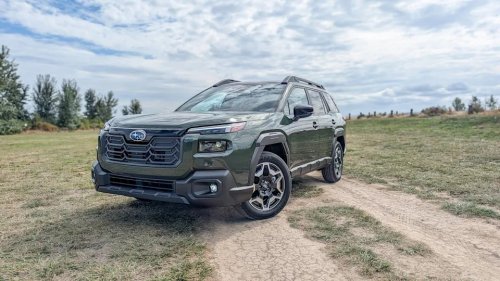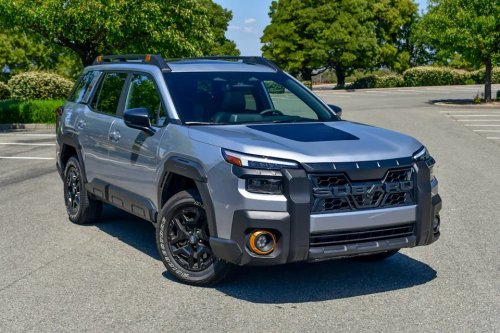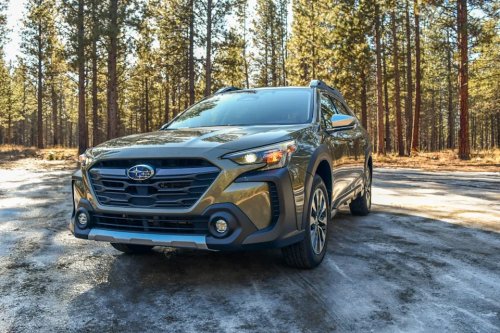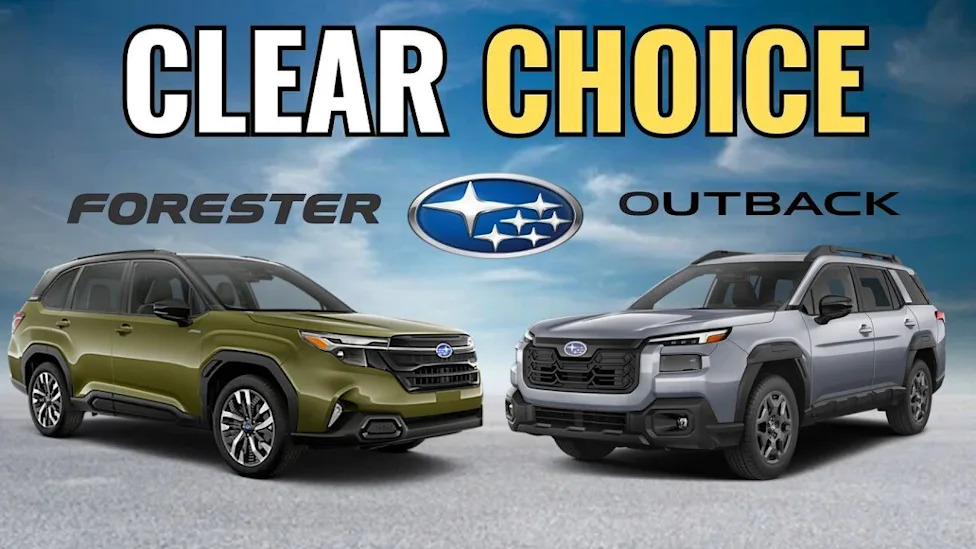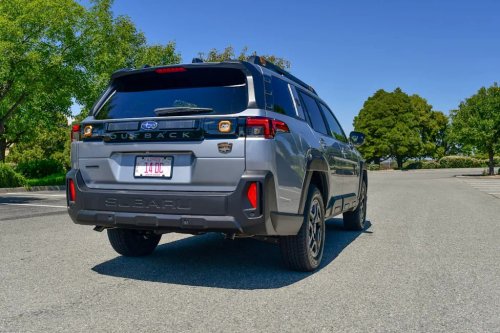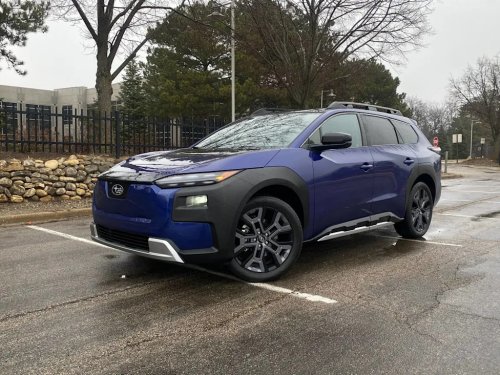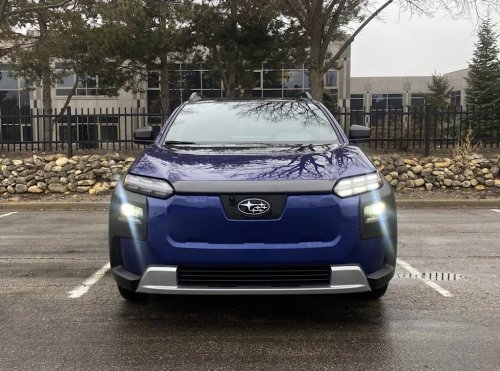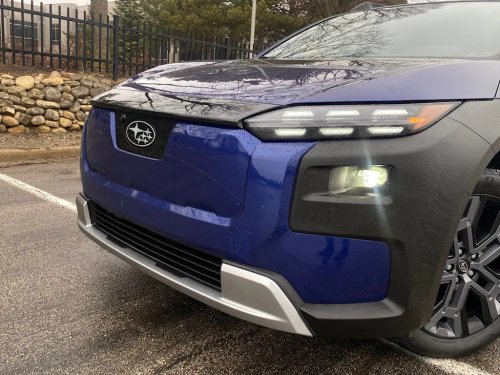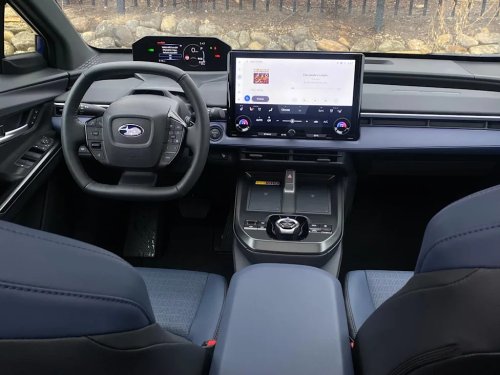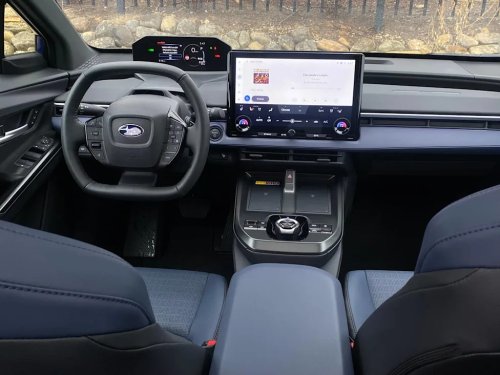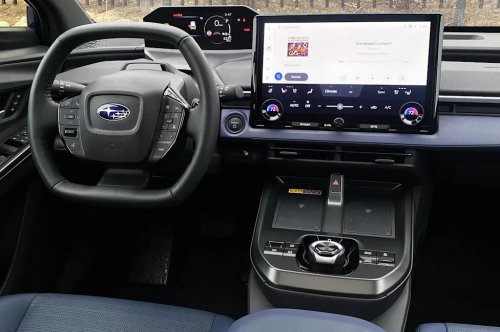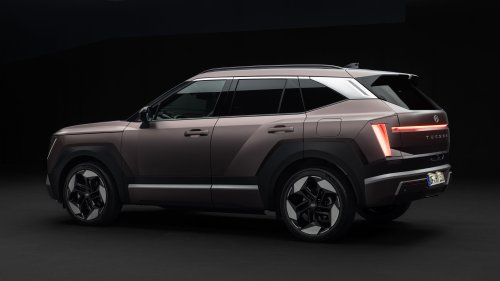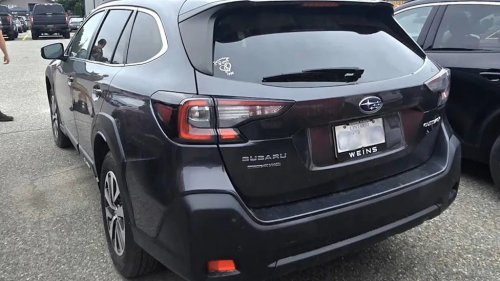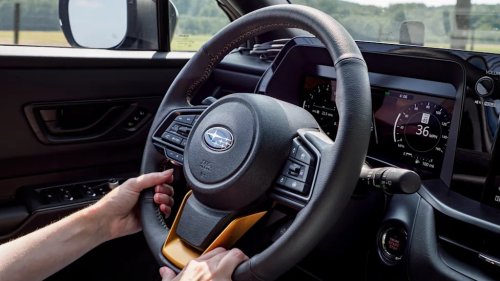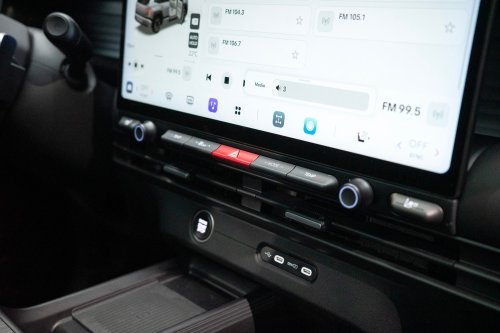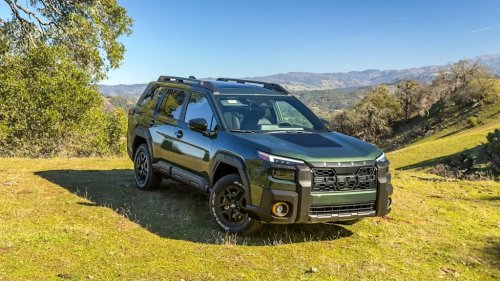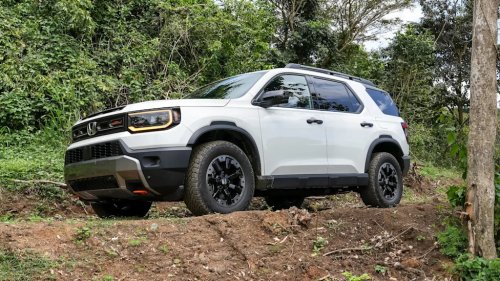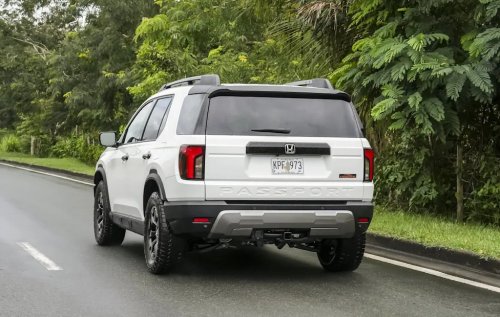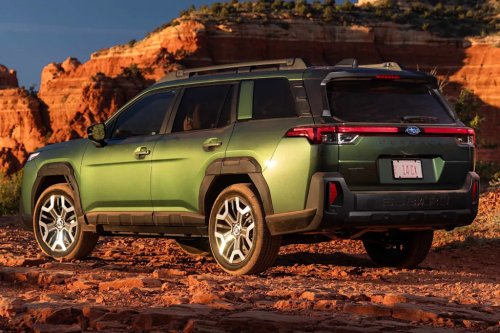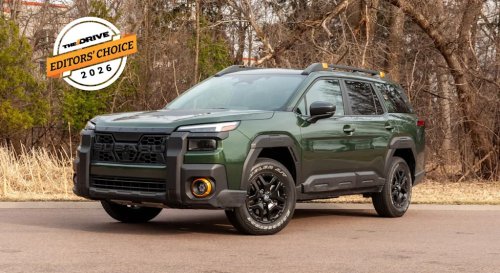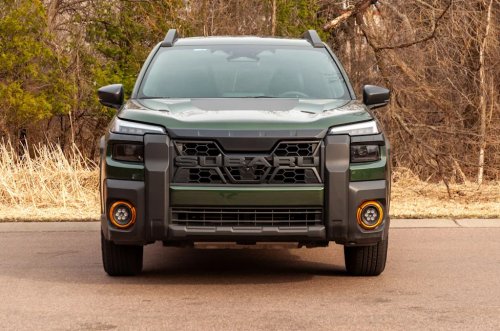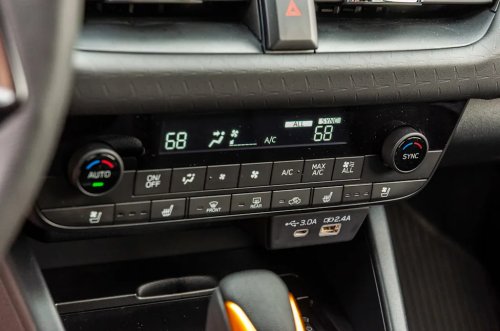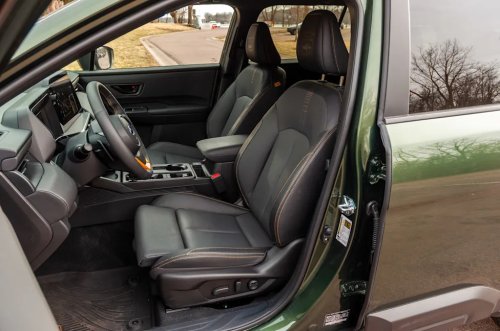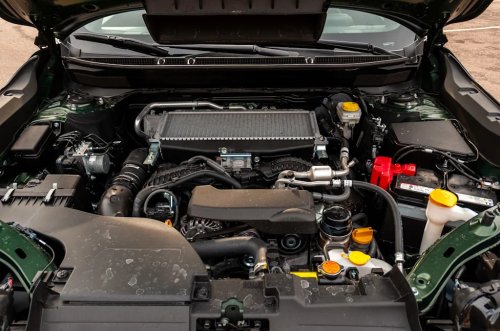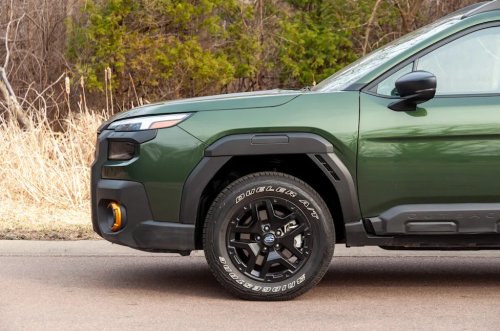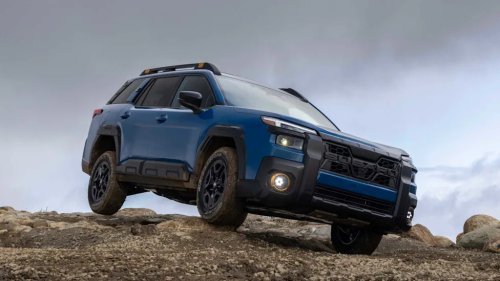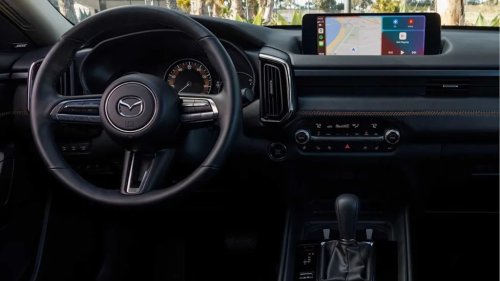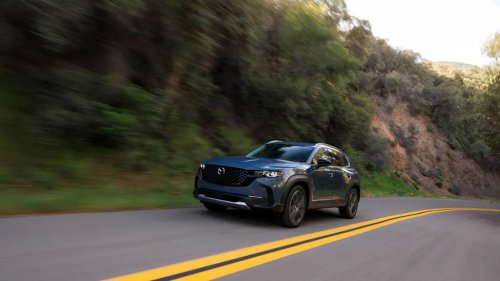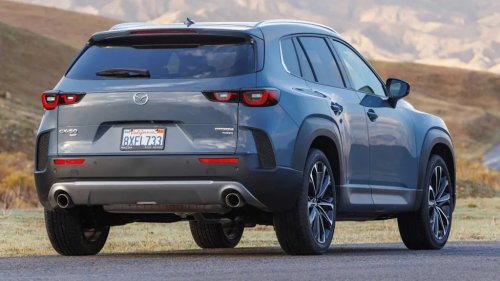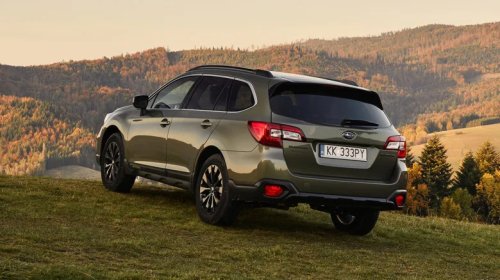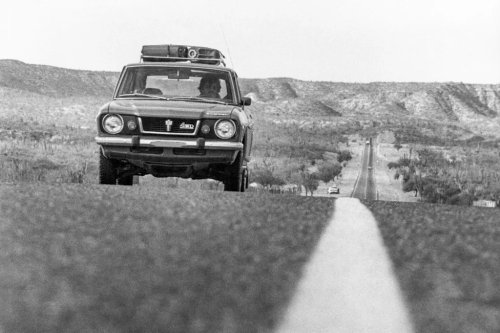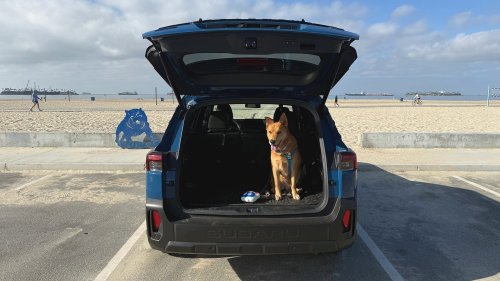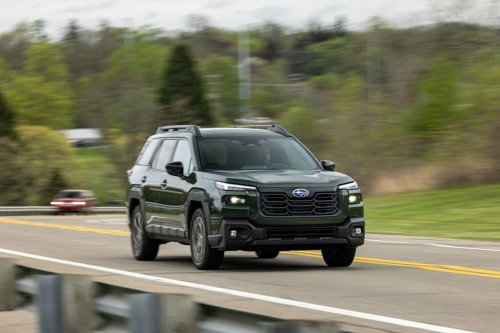
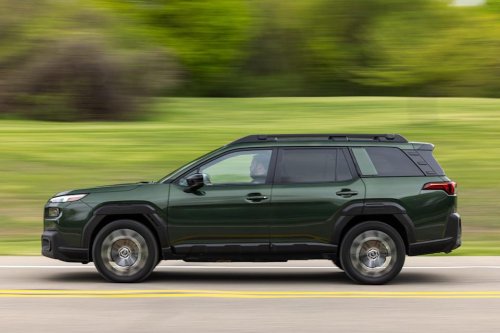
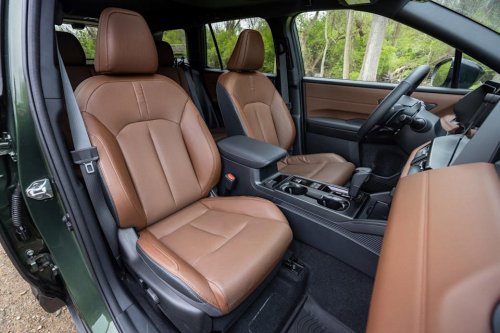
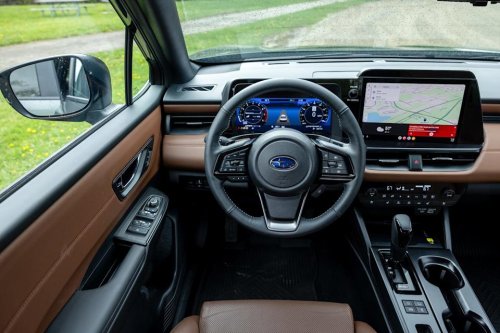
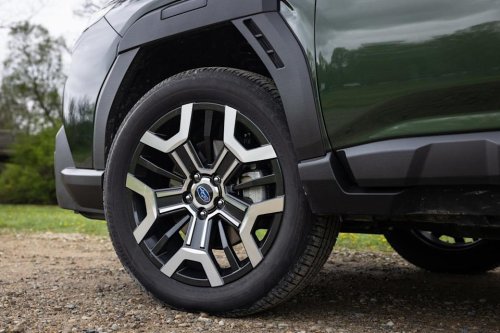
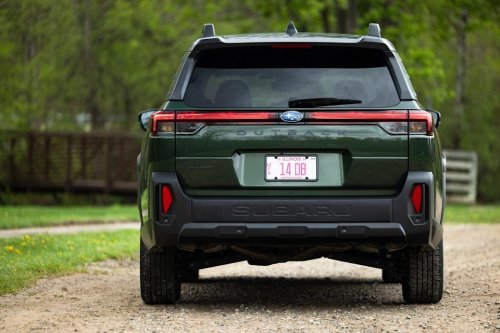



















Tested: The 2026 Subaru Outback Is Now an SUVDavid Bush - Car and Driver05/11/26 UPDATE: This review has been updated with instrumented test results.It's hard to say that a car that sells over 150,000 units almost every year has a cult following, but the Subaru Outback comes close. As it celebrates its 30th anniversary, this once-quirky SUV-ified wagon has maintained a loyal fan base. Since the Outback name first appeared on a modified version of a Legacy station wagon in the 1990s, that fan base has grown dramatically, and the Outback is now a remarkably popular model in the wider marketplace. The outgoing model is now the only wagon to sell in any significant numbers in the United States, and it has in fact outlasted its donor car, as the Legacy sedan has disappeared from the Subaru lineup.But has the 2026 Outback forgotten where it came from? The redesigned, seventh-generation model represents a shift in the Outback ethos. While it makes notable improvements in many key areas that matter to its buyers, it has lost some of its distinctive character as it tries to broaden its appeal even further in the crowded SUV market.David Bush - Car and DriverMuch of this is down to its radical new look, which capitulates to many industry design trends but loses the wagon-like proportions of previous Outback generations that helped it distinguish itself from other mid-size SUVs. The front end adopts the split-headlight design seen on many modern crossovers, with thin horizontal lighting strips housing turn signals and daytime running lights that look like eyebrows above the squared-off headlight units. The new Outback is also boxier than ever before, with a blunt front end, tall fenders, and an upright C-pillar. Though the Outback has been too tall to really be considered a wagon for some time now, the elongated and slightly swoopy wagon proportions that were present on previous Outbacks are only barely hinted at here.David Bush - Car and DriverThough the new Outback looks significantly bigger, that's mostly an optical illusion. The length, width, and wheelbase are virtually unchanged, and the biggest dimensional change is the 1.4-inch-taller height. That pays dividends inside, where headroom is increased and accommodations for front and rear passengers feel airy. We measured the height of the new model's driving position at 1.4 inches higher than before too, which will please those who prefer the tall seating position of an SUV. There's also an extra two cubic feet of cargo space behind the rear seats, and we were able to fit more carry-on suitcases in there compared with the old model: one more case with the seats up, and five more cases with the seats folded.AdvertisementAdvertisementThe Outback is a versatile vehicle, and its friendly interior is its best aspect. Subaru talks at length about how much time it spends designing practical elements such as cupholders, cargo hooks, and roof-rack crossbars, and there are several nice touches such as door-panel bottle holders that can hold a Nalgene, a clip by the device chargers to organize your cords, and a cargo cover that can zip and fold in multiple configurations, including a hammock-style pouch.David Bush - Car and DriverThe infotainment display switches from the outgoing model's vertically oriented touchscreen to a new, 12.1-inch horizontal setup running improved software. We found it to be more responsive and easier to use than before. In a welcome change, Subaru has removed many controls that were in the touchscreen in the previous model and replaced them with hard buttons and knobs. The climate controls are now on a separate panel lower on the dashboard, and many other buttons for various vehicle settings are now easily operable on the center console.Despite the significant changes to the Outback's exterior and interior, the platform and powertrain are familiar. There's a revised power-steering rack, and the flat-four engines have minor changes but aren't wildly different than before. Subaru has clearly prioritized changes to the more user-facing aspects of the Outback rather than to the bits underneath.David Bush - Car and DriverAdvertisementAdvertisementThe base naturally aspirated 2.5-liter flat-four makes 180 horsepower, which is not much for a mid-size SUV with a claimed curb weight starting around 3800 pounds. Though engine noise is well isolated from the cabin, there's simply not much accelerative force to be had when you floor the throttle. The turbocharged 2.4-liter engine in the XT models helps, as it brings output to 260 horsepower. In our testing, this powertrain got the new Outback to 60 mph in 6.2 seconds. But we found the power delivery in the turbo models to be lumpy. The CVT automatic exaggerates the sensation of turbo lag and creates a rubber-band effect when you request more grunt.On pavement, the Outback's ride is smooth and composed, but we didn't enjoy the vague steering feel and preponderance of body roll. The Subaru is smaller than competitors such as the Honda Passport, but it drives big due to its loosey-goosey feel. We also spent significant time off-roading the Outback, as Subaru claims that a large portion of its owners do actually drive their cars in the dirt. It has an impressive 8.7 inches of ground clearance and is unfazed by gravel, sand, and other types of terrain—even on the standard model's all-season tires. You can opt for the Wilderness model, which boosts ground clearance to 9.5 inches and uses all-terrain rubber, if you want to venture even further afield.There's no Outback Hybrid yet, which seems like a notable omission considering that the Forester and Crosstrek are now available with gas-electric powertrains. Fuel economy is down a bit for the new model, likely due to its blockier and less aerodynamic shape, and now sits at 27 mpg combined for the base engine and 24 mpg for the turbo. In our real-world 75-mph highway fuel-economy test, the turbocharged Outback XT achieved 29 mpg, matching is EPA highway rating. That's better than nonhybrid competitors such as the Passport but behind the hybrids available in this class from Hyundai, Toyota, and others.The Outback's price advantage, too, has eroded, and Subaru is no longer offering a base trim. While the outgoing model was priced more like a compact SUV on the lower end with a sub-$32,000 starting price, the 2026 Outback Premium starts at $36,445, and the loaded Touring XT approaches $50,000 at the top end—our test car was $49,840. Those kinds of window stickers are going to make the Outback a tougher sell when competitive SUVs offer hybrid powertrains and/or third-row seats for the same money.David Bush - Car and DriverSubaru does know its customers better than pretty much any other automaker, and it's wagering that the new Outback's extra space, improved EyeSight driver-assist technologies, new features, and name recognition will seal the deal with existing owners looking to trade up. We're sure many of them will. But in its continuing attempt to bring new people into the fold, we think Subaru has given up some of the Outback's unique appeal. The new model looks and feels less like a wagon and more like any other mid-size SUV. And if it's not going to preserve the Outback's cool wagon cred, Subaru needed to do more for the new Outback to go toe to toe with its rivals in the SUV segment, many of which offer better performance and a more satisfying driving experience.➡️ Skip the lot. Let Car and Driver help you find your next car.Shop New Cars Shop Used CarsYou Might Also LikeGift Guide: Best Ride-On Electric Cars for KidsFuture Cars Worth Waiting For: 2025–2029