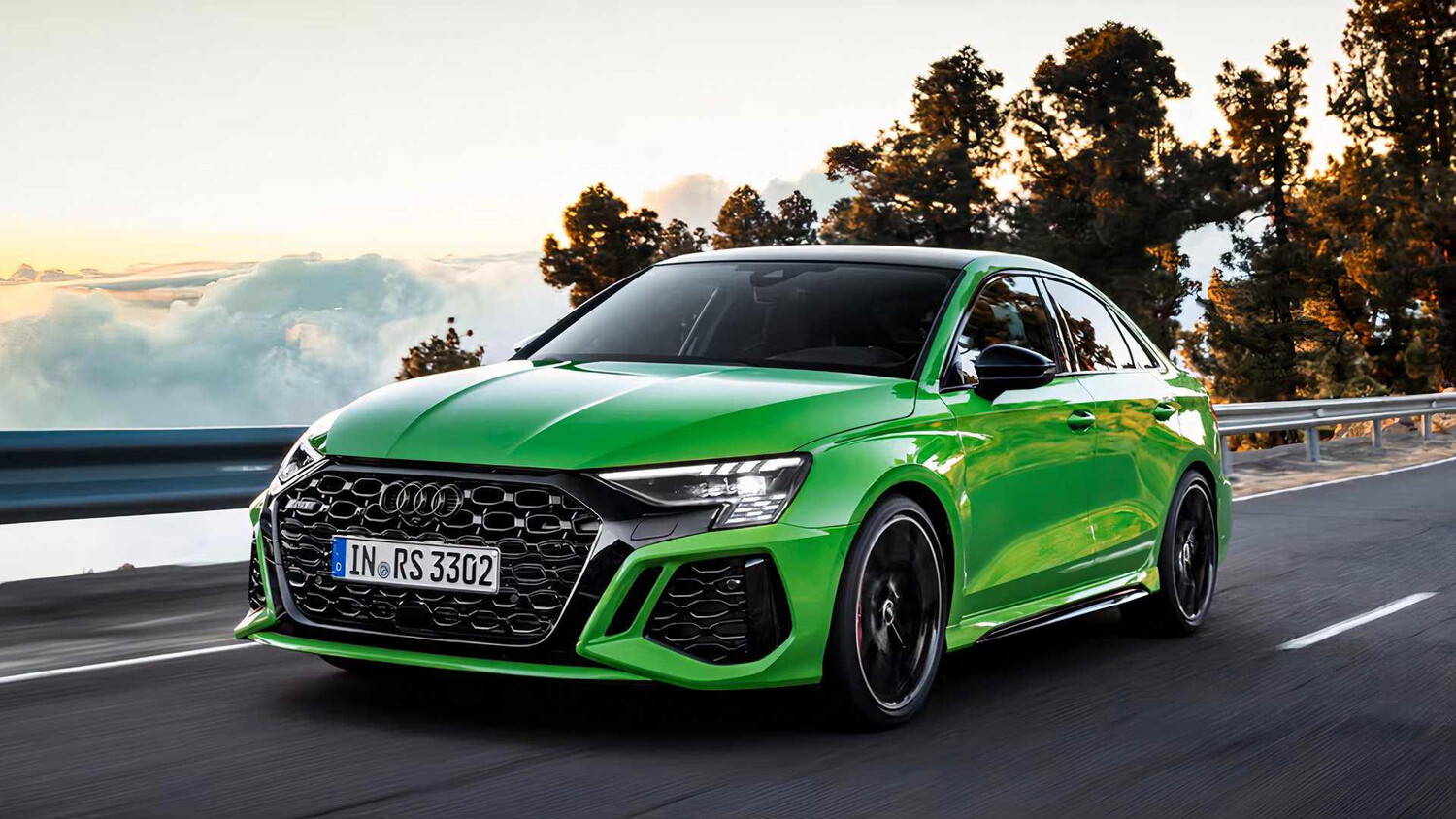
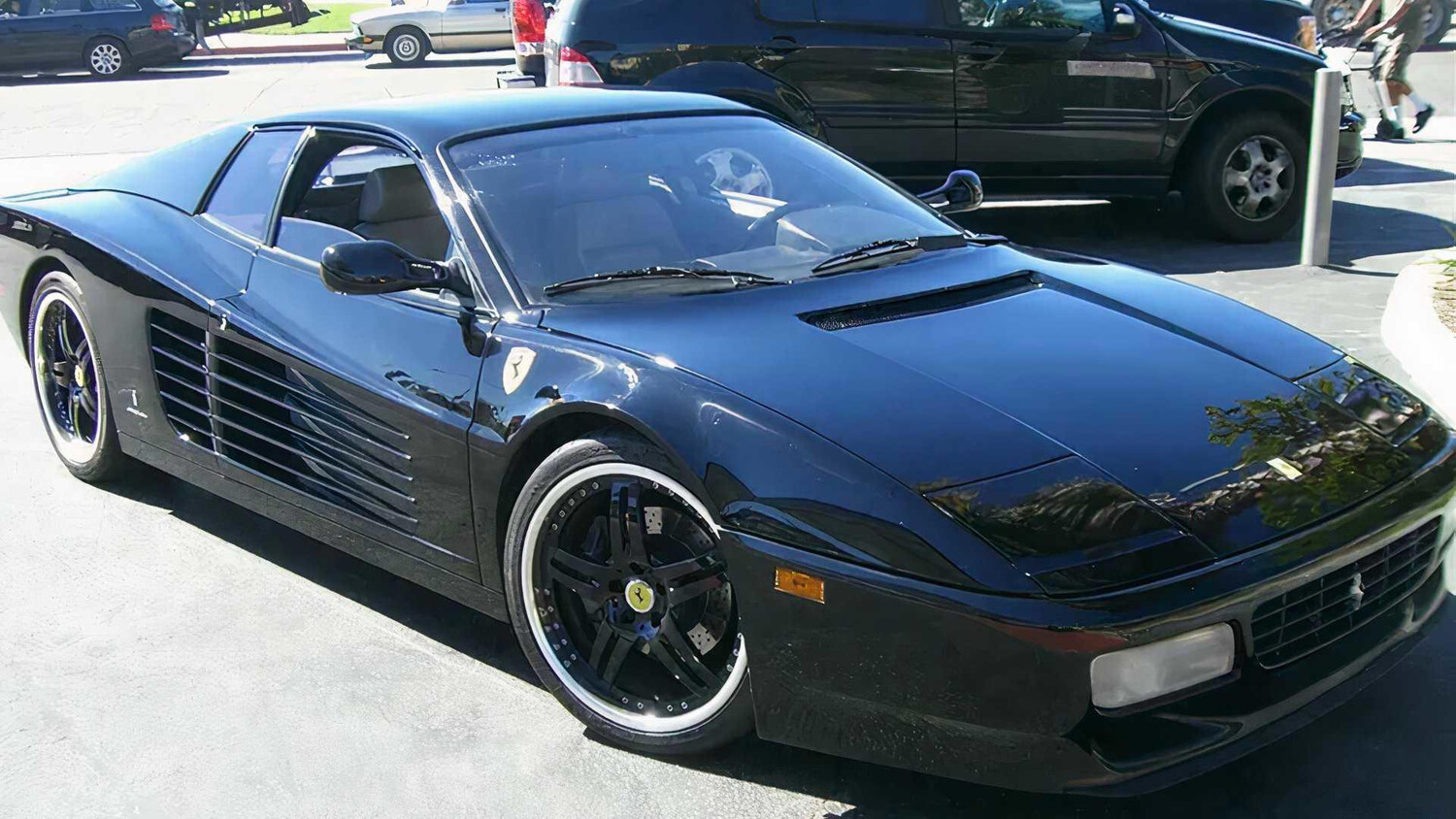
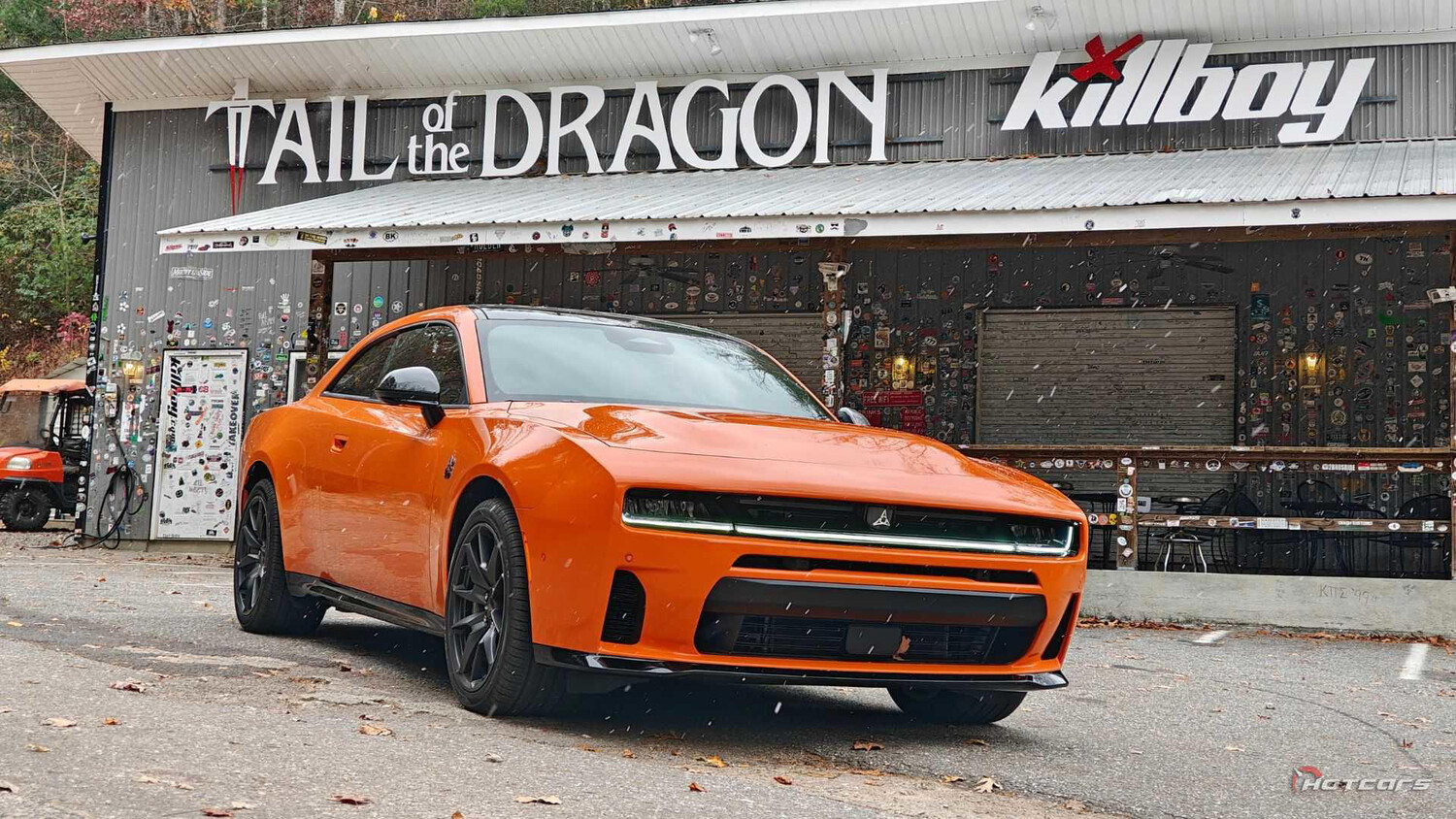
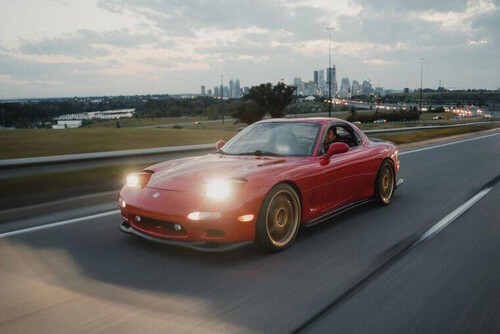
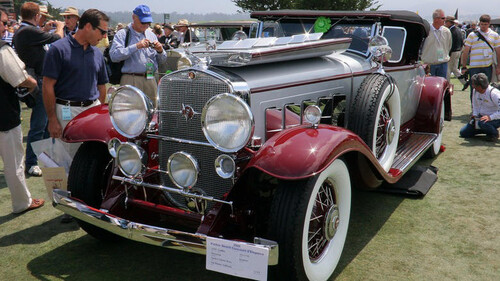
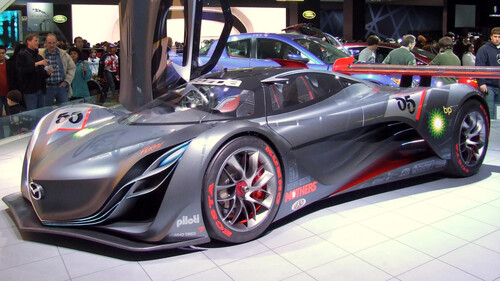
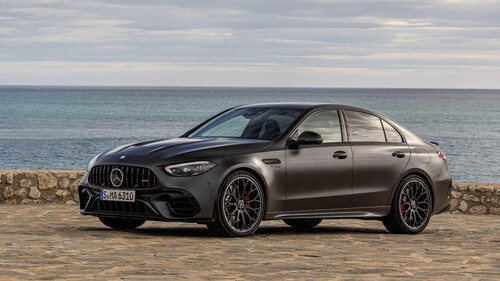
From the buzzing of a three-cylinder to the soul-sucking roar of a quad-turbocharged W16, engine configurations define the personality of a machine. Before we go further it’s worth asking: why doesn't every manufacturer just use a V8? The answer lies in the delicate balance of packaging, weight, harmonics and economics. An inline-six is inherently balanced, but it’s long and hard to fit in a compact bay. A V12 is smooth as silk but heavy enough to affect handling.Engineers are constantly fighting a war against friction and heat. The more cylinders you add, the more moving parts you have, but you also gain more volume for combustion. As we move through this list, you’ll see how different brands, from Mazda to Bugatti, achieved maximum power with different engine layouts. Today, we are looking strictly at what the masters of engineering have achieved from the factory. This is the definitive ranking of every engine configuration, judged by the most powerful street-legal versions ever to leave a production line. W8: Volkswagen Passat W8 (BDN / BDP) Maximum Power: 275 HP (Naturally Aspirated) BaTVolkswagen has several attempts at making unique engine layouts which may be considered a truly weird experiment in most cars but part of the job for VW engineers. The W8 was essentially two VR4 engines joined at the hip. While it wasn't a powerhouse by modern standards, its 275 HP and unique "W" configuration make it a fascinating piece of engineering history. This engine wasn't used in any sports car, instead, it was also used in a Passat W8 from 2001 to 2004. VR6: Volkswagen Passat R36 (BWS) Maximum Power: 295 HP (Naturally Aspirated) VolkswagenThe VR6 is a cult classic and closely associated with the VW Golf R32, but that was the 3.2-liter version which only made about 240 HP. By staggering the cylinders at a narrow 15-degree angle, VW fit six cylinders into a space meant for four. The bigger 3.6-liter version of the 2007-2010 Passat R36 (and some versions of the Touareg) reached nearly 300 HP, offering a smooth, V6-like feel in a tiny package. This was not the only vehicle that came with this engine, and it was available in VW models up to 2024. Rotary Engine: Mazda RX-7 FD Spirit-R (13B-REW) Maximum Power: 300 HP (Turbocharged) MazdaThis is the wildcard of the automotive world, which is the Wankel rotary. With no pistons to move up and down, it’s incredibly compact and loves to rev. The 20B (triple rotor) found in the Eunos Cosmo technically offered massive potential and while it was officially putting out 276 HP, rumors say this engine was actually pushing 300-HP and the official figure was to satisfy the Japanese gentleman's agreement.There may be some truth to these, as seen by the dyno-tested numbers of other JDM legends of that era. The most famous factory peak came from the final Series 8 Mazda RX-7 Spirit R. Officially rated at 276 HP also due to the Japanese "Gentleman’s Agreement," real-world dyno tests often pushed this closer to the 300-HP mark. Despite being a turbocharged engine, the RX-7s Wankel could rev up 8,000 RPM while making some of the best sounds in the industry. Inline-Three: Toyota GR Corolla (G16E-GTS) Maximum Power: 300 HP (Turbocharged) Toyota If you told a car enthusiast twenty years ago that a three-cylinder would make 300HP from the factory, they would have laughed. Yet, Toyota’s G16E-GTS, found in the GR Corolla, is a masterpiece of modern turbocharging. This engine was originally featured in the rally-inspired Toyota GR Yaris and originally made around 260 HP, but this car was never sold in the US. But when Toyota unveiled the GR Corolla, the same engine now made 300 HP. This proves that you don't need a lot of cylinders and big displacement to make good power. Inline-Eight: Duesenberg Model SJ Maximum Power: 320 HP (Supercharged) Via MecumIn the 1930s, this was the equivalent of a Bugatti. These were the cars you bought when you were part of the one percent and wanted to make a statement. While modern straight-eights are non-existent, the supercharged Duesenberg SJ was a mechanical marvel of its era, producing 320 HP when most cars struggled to hit 50 HP. This was the last era inline/straight eight engines and has never been seen in production cars again. Flat-Four: Porsche 718 Cayman S/GTS (MA2.22) Maximum Power: 365 HP (Turbocharged) Porsche The Porsche Boxster/Cayman has always been powered by a flat-six engine. But for the 718, Porsche decided to introduce a four-cylinder turbocharged unit instead for the base, S, and GTS models. The tradeoff was basically worse sound in exhange for more power and low-end torque. While the base models make use of a 300-HP 2.0-liter unit, the S and GTS models got a larger 2.5-liter turbo flat-four making 365 HP – more than any other production four-cylinder boxer engine ever. Inline-Five: Audi RS3 / TT RS (EA855 R5) Maximum Power: 401 HP (Turbocharged) Audi The "Baby V10" lives on. Just like its bigger V10 counterparts, the inline five engine is a rare engine configuration and Audi is be the only company using it for mass-market cars at the moment. Audi’s 2.5-liter five-cylinder makes 401 HP, which is a healthy number for an engine like this. There are more powerful versions of this engine being used by companies like KTM and Donkervoort, but these have been tuned to make more power than the standard engine. But the sound is kind of the best part of this engine. Its unique 1-2-4-5-3 firing order produces a rally-bred scream unlike anything else on the road and sounds like a mini V10 at its 7,000 RPM redline. Flat-12: Ferrari 512 TR / F512 M (Tipo F113) Maximum Power: 440 HP (Naturally Aspirated) Barrett-JacksonWhen you think of the flat-12 engine, you immediately think of the iconic Ferraris it powered. Technically a 180-degree V12, the "Boxer" engine in the Testarossa lineage culminated in the F512 M. In the original Testarossa, it made 385 HP and in its final form in the 512M, it produced 440 HP and offered a low center of gravity that defined Ferrari's '80s and '90s flagship style. These engines were exclusively naturally aspirated and made all kinds of harmonious mechanical sounds on its way to it's 7,000 RP redline. Inline-Four: Mercedes-AMG C63 S E Performance (M139) Maximum Power: 469 HP (Turbocharged) Mercedes-Benz Mercedes-AMG currently holds the crown for the world’s most powerful production four-cylinder. The most powerful version of this engine ws first seen in the A45 AMG pushing 421HP. The same engine now resides in the latest C63 AMG, and while the total system output of the new C63 is much higher due to hybrid powertrain, the internal combustion engine (ICE) alone generates a staggering 469HP. That is over 234HP per liter making it the most powerful production four-cylinder engine. Inline-Six: Dodge Charger Six Pack (Hurricane) Maximum Power: 550 HP (Turbocharged) Jared Solomon The HEMI V8 may be sunsetting, but the twin-turbo Hurricane inline-six is a worthy successor. When the new Charger was announced with an electric drivetrain, everyone was perplexed as to why a company like Dodge would do this. This sentiment showed in reviews and sales figures of the car, but Dodge had plans to remedy the situation. This engine first appeared in the Jeep Wagoneer in 2022 with a max power output of 540 HP. But it has found its way into the latest Charger Sixpack and the 3.0-liter straight six now makes 550 HP, which narrowly steals the crown from the BMW M3 CS, although we all know who's actually faster.