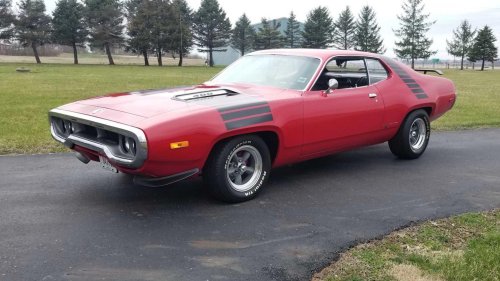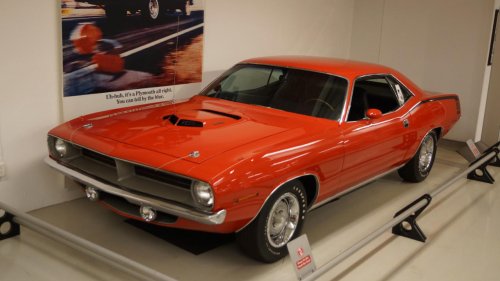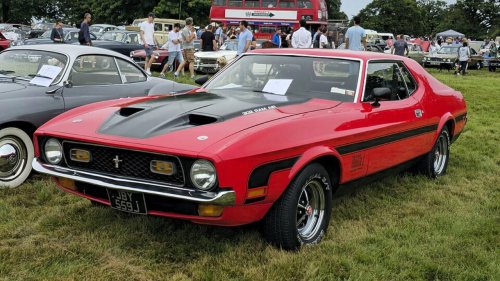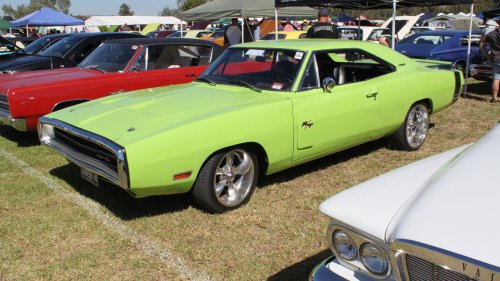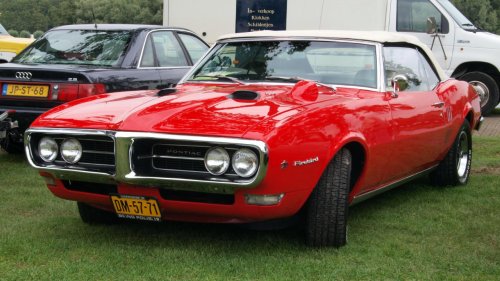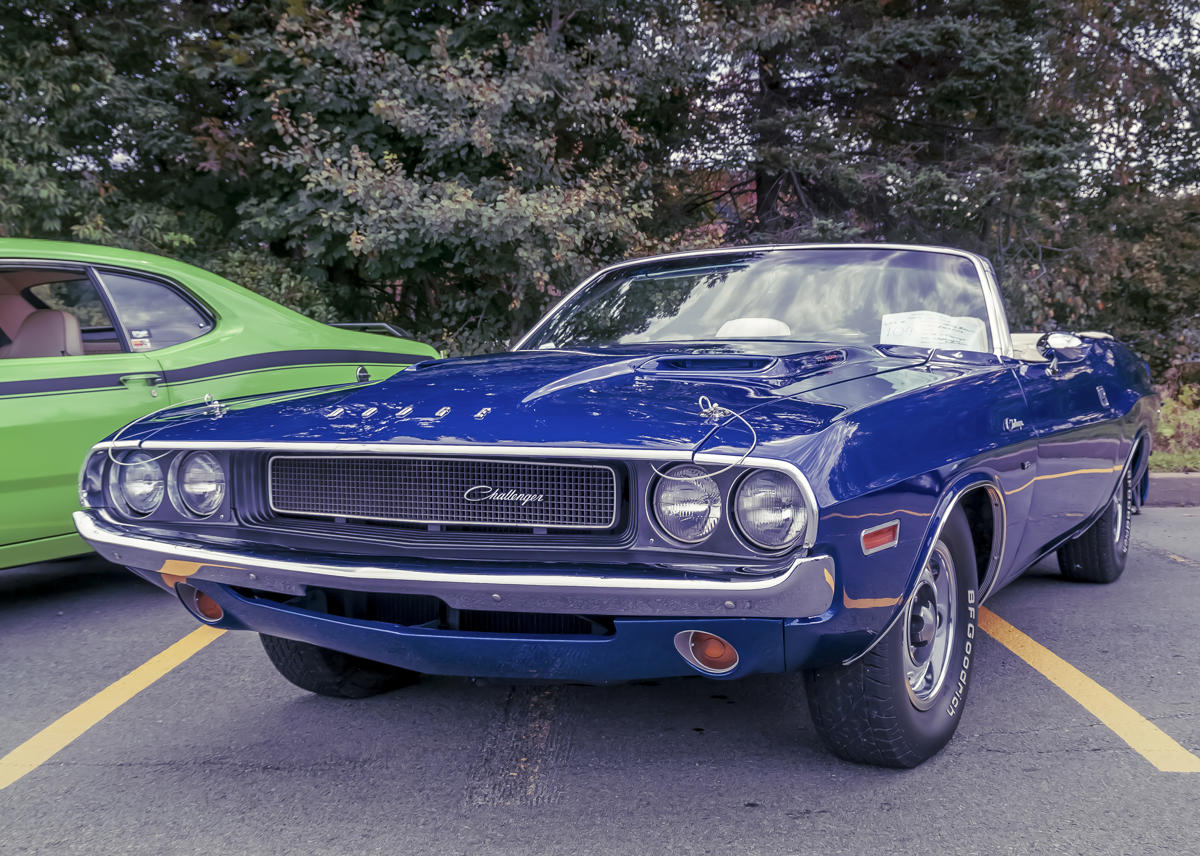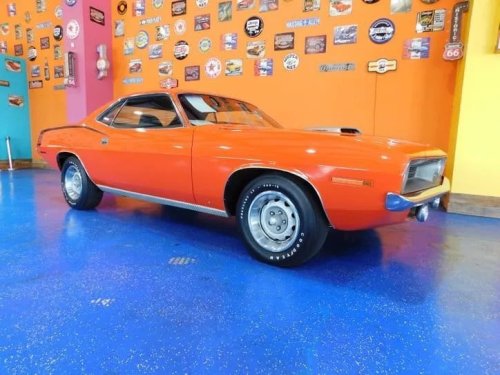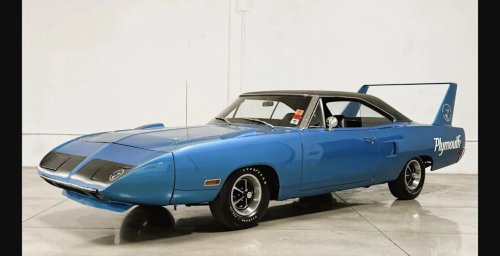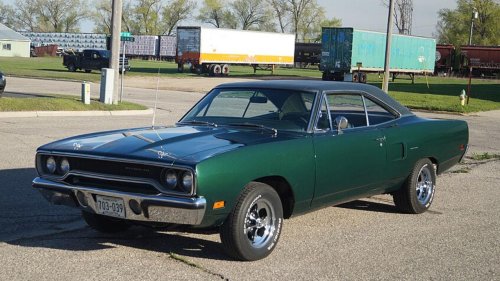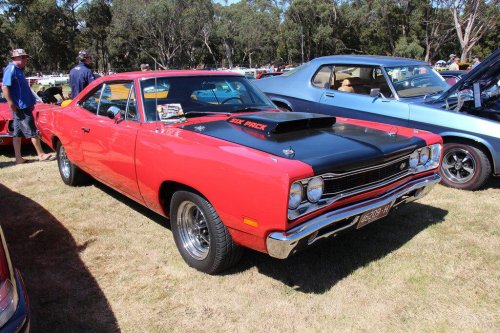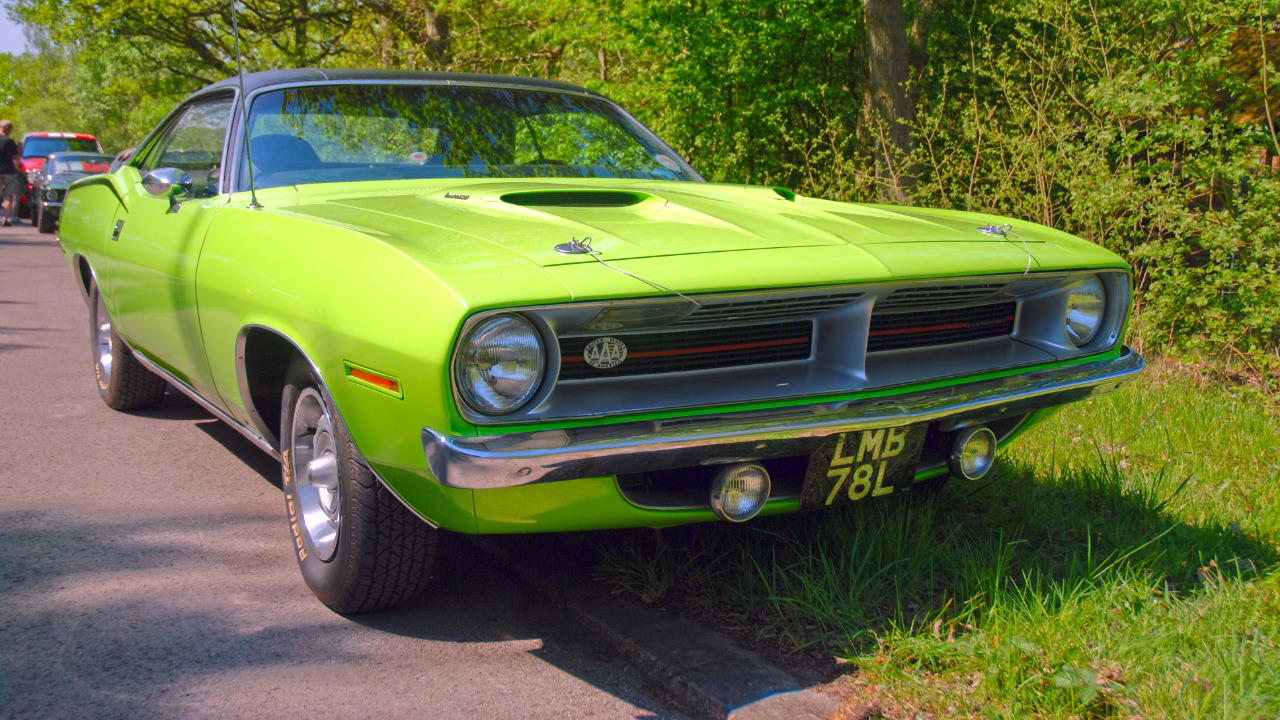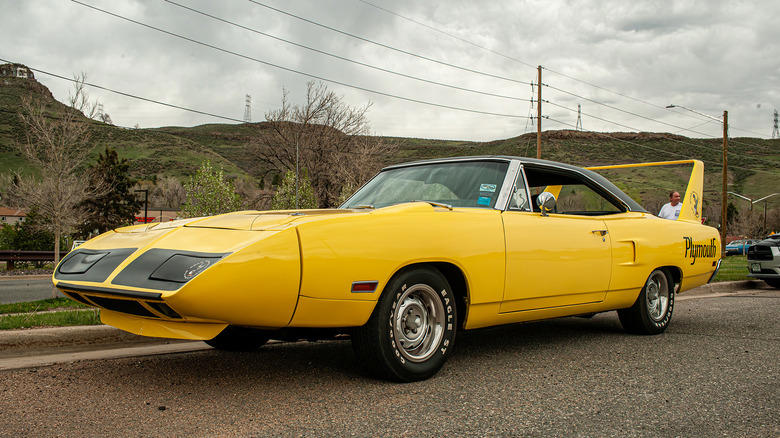
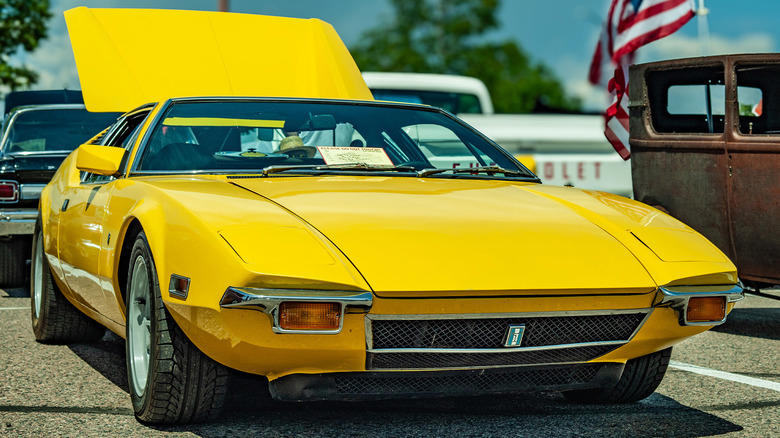
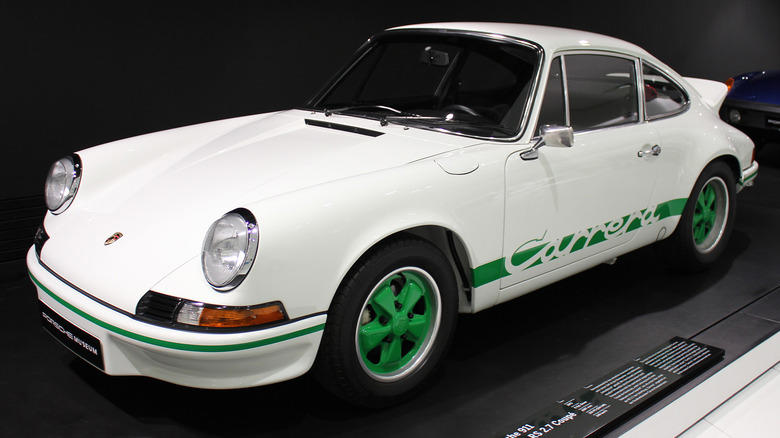


















1970 Plymouth SuperbirdSpeaking of the Plymouth Superbird, it was also one of the fastest cars of the 1970s. It was similar in specs to the Plymouth Road Runner Hemi but has some notable differences. Plymouth only made this car for one year and only produced 1,935 examples. That makes it one of the rarest muscle cars of the decade. This car was reportedly a marriage between the Road Runner and the Dodge Charger Daytona, hence the massive rear spoiler. This car came with three engine options, which were the 426 Hemi like the Road Runner and two 440 cubic inch V8 options that were a little more powerful. You'd expect something with a spoiler that ridiculous to go pretty fast, and the Superbird didn't disappoint. It reached 60 MPH in a scant 5.5 seconds while finishing a quarter mile run in 13.5 seconds. While similar to the Road Runner, it was definitely a bit faster, especially in the quarter mile depending on the engine option. The real name of the game was speed, as this car could go upwards of 200 MPH. It was built for racing. Unfortunately, NASCAR put new rules into effect for cars like the Superbird, and Plymouth stopped producing the car a year later. 1971 De Tomaso PanteraThe 1971 De Tomaso Pantera was unique among muscle cars. The brand is technically from Italy so it's not an American muscle car per say. However, Ford purchased 84% of the company and had it construct a Ford-powered muscle car known as the Pantera. It housed Ford's 351 cubic-inch Cleveland V8, which Ford was touting at the time as its "Italian" V8. It output 326 hp and 344 ft.-lb of torque, which doesn't seem like a lot, but the Pantera was also only around 3,131 pounds. That's nearly 700 pounds less than the Dodge Challenger above.As a result, this car was quick. It could put up anywhere from 5.0 to 5.5 seconds going zero to 60 MPH. It also did quite well in the quarter mile, hitting the mark in around 13.3 seconds, give or take a few tenths of a second. Unlike most cars, the Pantera was a mid-engine car, which is more indicative of a sports car than a muscle car. So, while it was powered by American muscle, it was also a technically a sports car.De Tomaso continued to make the Pantera until the company and Ford split ways in 1974. The company eventually filed for bankruptcy before being sold to China's Ideal TeamVenture in 2015.Sports cars started taking over in the 1970sWith emissions standards what they were, the big V8 engine was in big trouble. Automakers tried to make it work but by the end of the decade, they were putting out cars with under 150 hp. It would be another decade before they could recover. Meanwhile, the sports car scene started taking over. These autos were using smaller, more efficient engines and the fastest among them were adding turbochargers. Pair that with absurdly low curb weights and you had cars that could pick up where the muscle car left off. The best example we could find was the 1978 Porsche 930 Turbo. The car weighed 2,800 pounds, included a 261-horsepower turbocharged flat-6 that put out 291 lb.-ft of torque, and a four-speed manual transmission. The car could scoot to 60 MPH in 4.9 seconds and hit the quarter mile in 13.7 seconds at 104 MPH. So, while the Chevelles of the world were making do with 150 hp V8s, the sports cars showed the world how it would be done decades later. Today, there are tons of turbocharged four-cylinder engines that make about the same amount of power the Porches from the 1970s. Heck, my own Honda Accord 2.0t sports similar horsepower and torque figures while clearing a quarter mile in 5.5 seconds. Not bad for an everyday car with an upgraded engine.