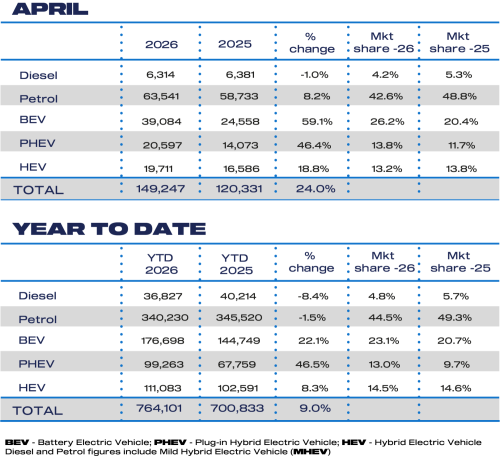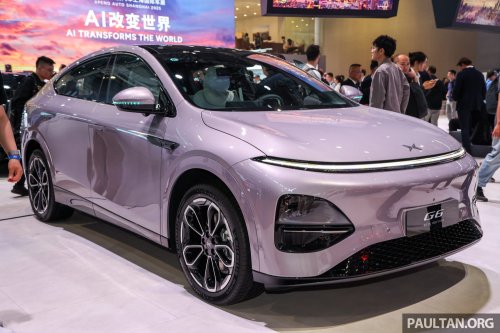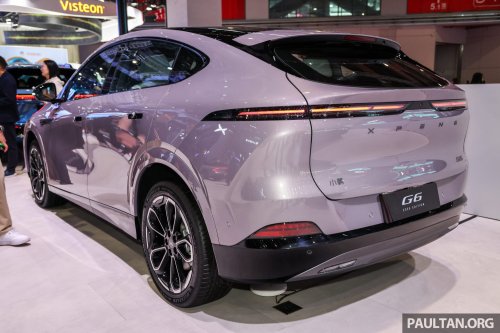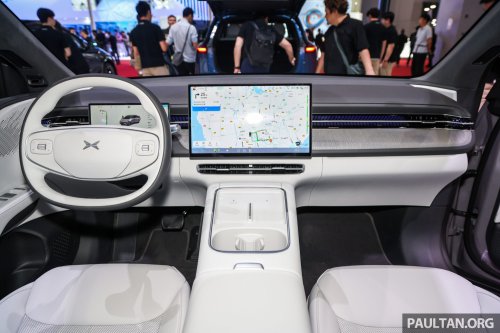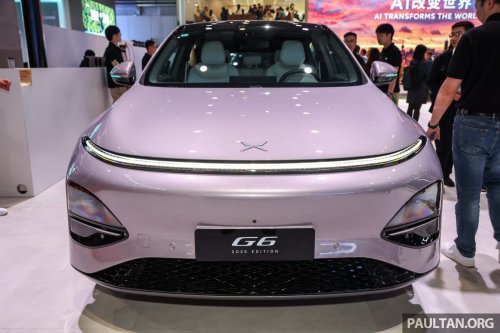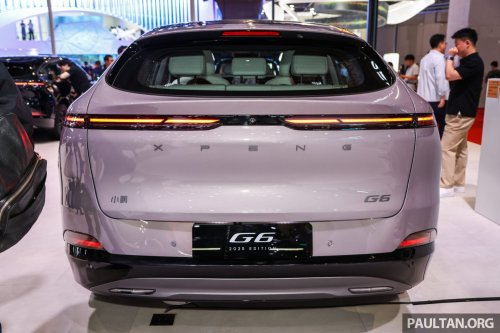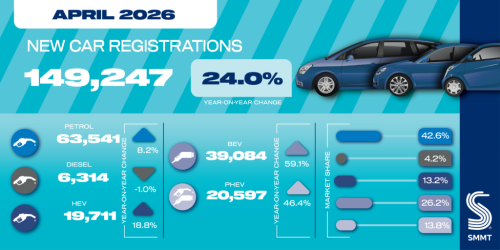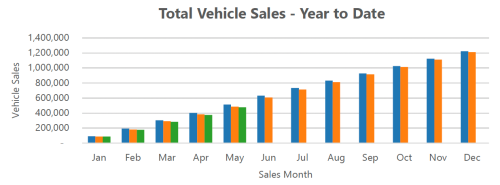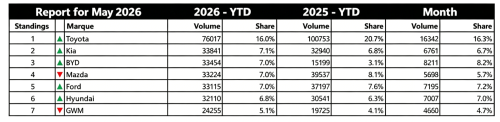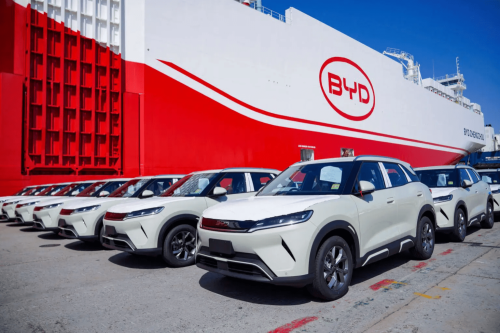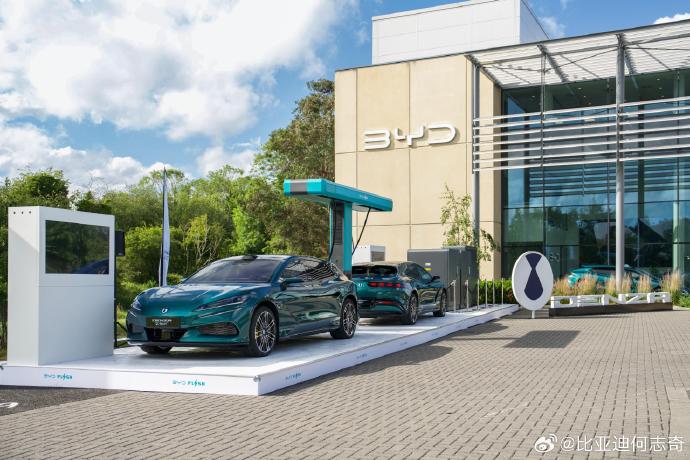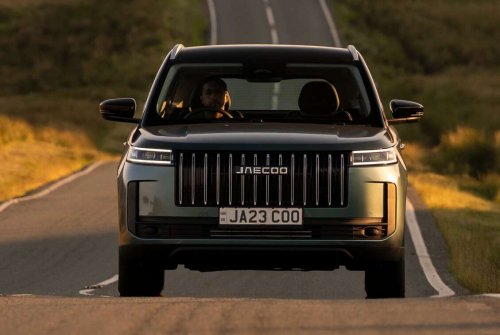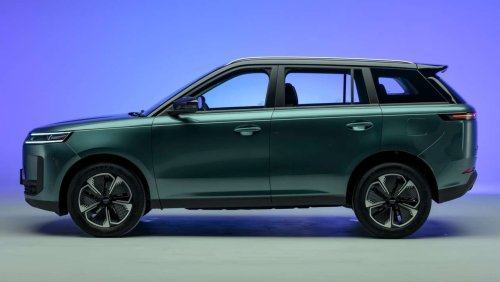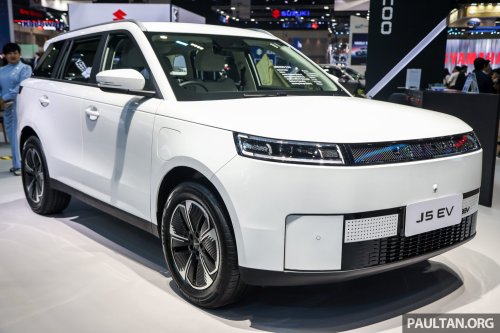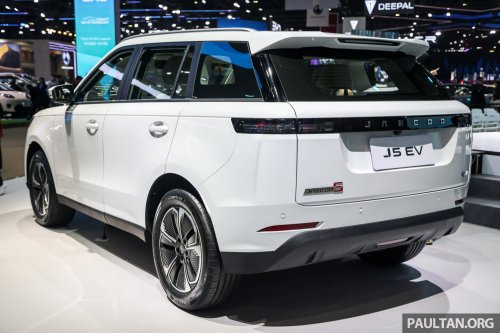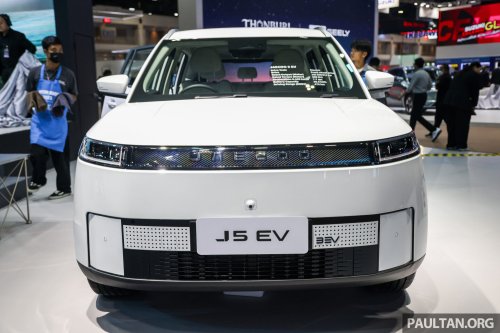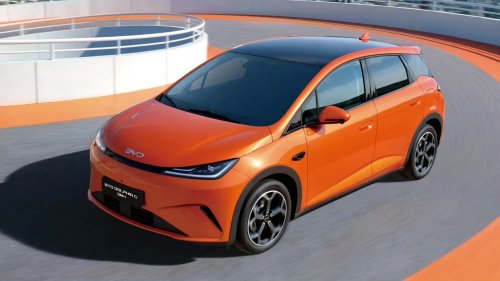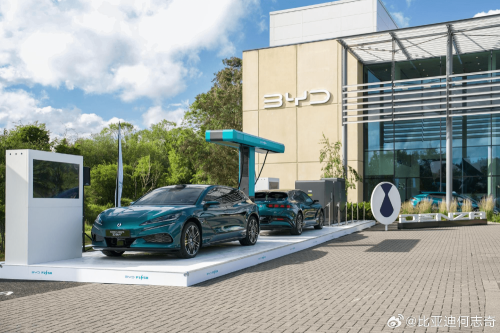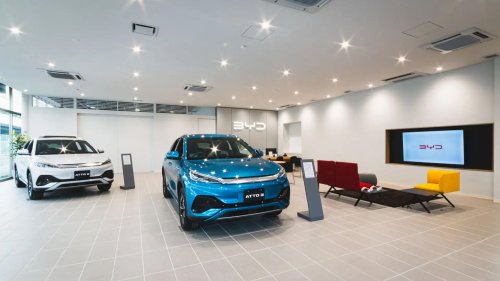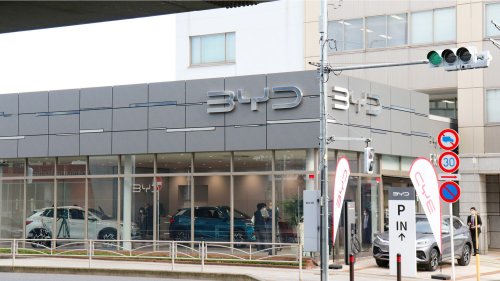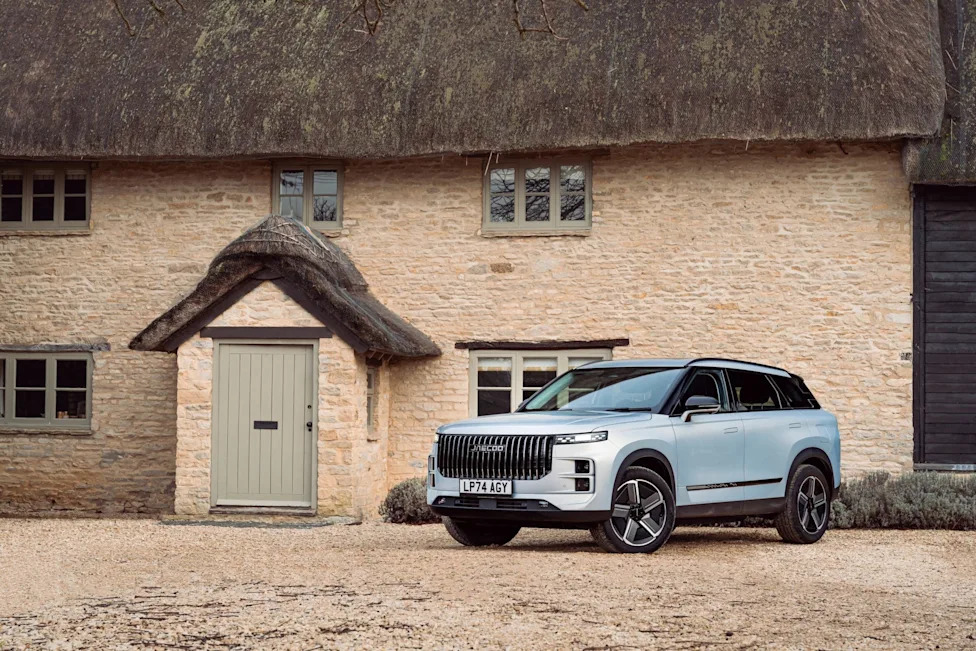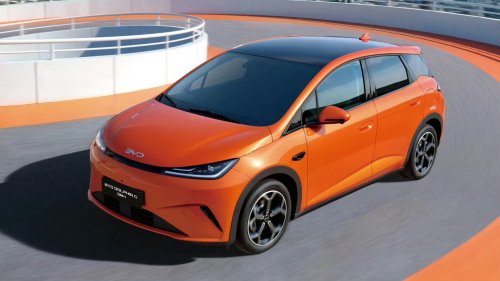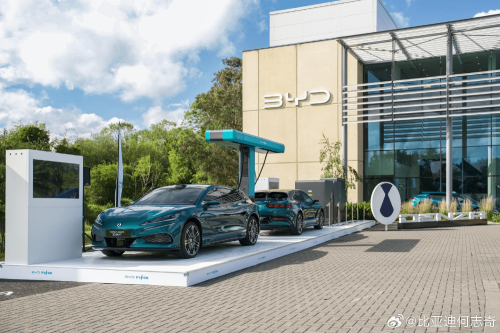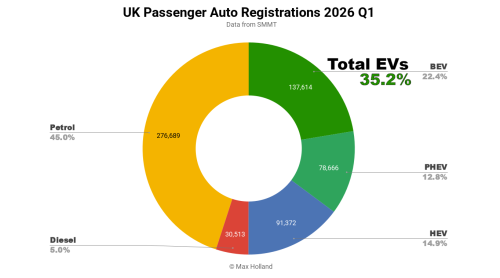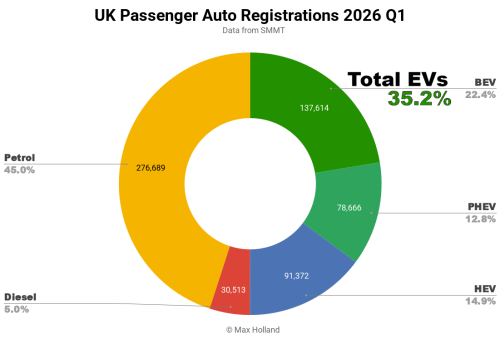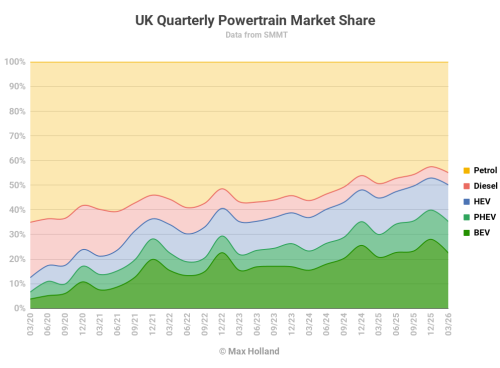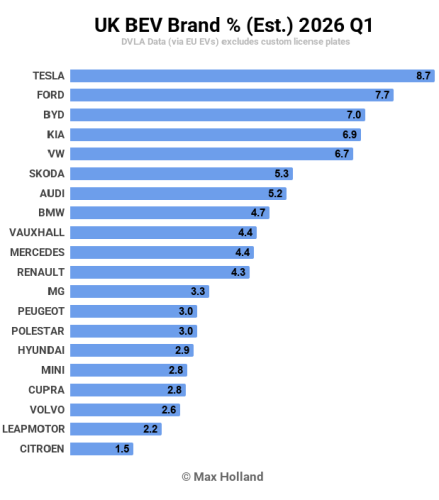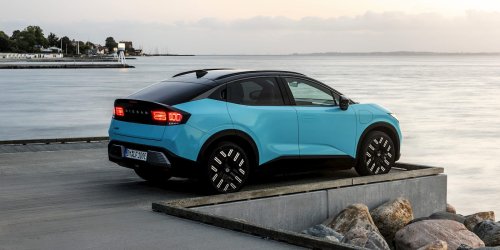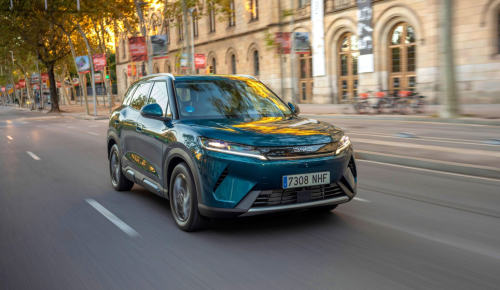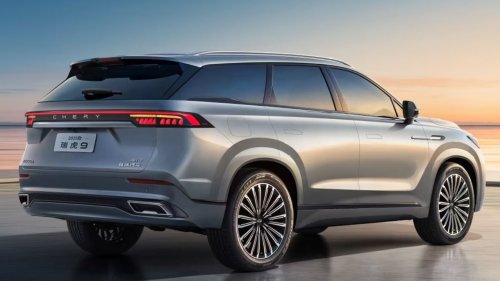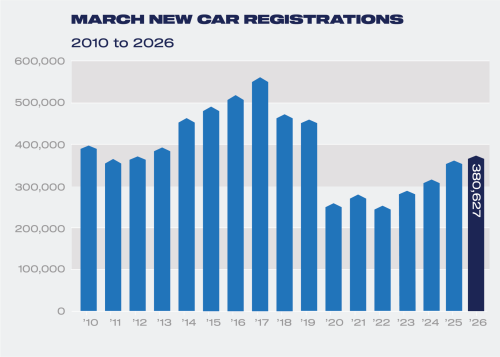
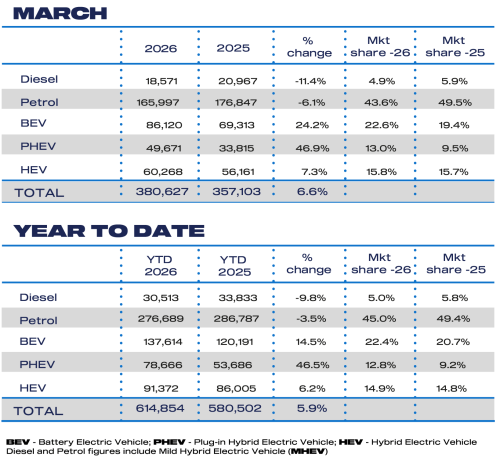
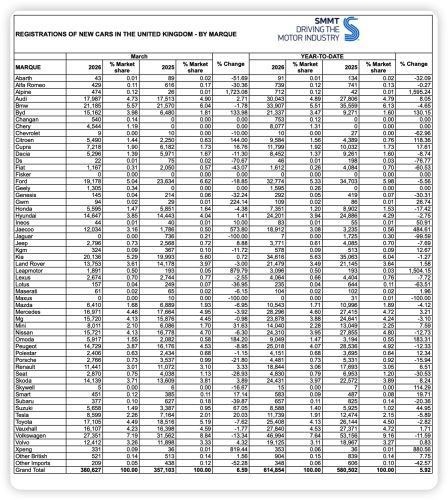
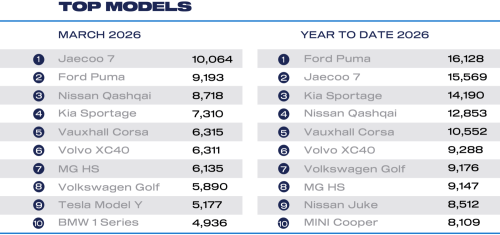



















The Society of Motor Manufacturers and Traders (SMMT) has released its report on UK new car registrations for March 2026. Data shows that UK new car registrations in March rose 6.6% year-on-year to 380,627 units, marking the highest March performance since 2019. Among them, retail registrations increased 10.1% to 162,470 units, fleet registrations rose 3.5% to 208,853 units, and the small business segment grew 18.8% to 9,304 units. March new car registrations Among them, retail registrations increased 10.1% to 162,470 units, fleet registrations rose 3.5% to 208,853 units, and the small business segment grew 18.8% to 9,304 units. From an energy mix perspective, March became the highest-ever month for electrified vehicle registrations, with total registrations (including BEV, PHEV, HEV) reaching 196,059 units. Among these, PHEV surged 46.9% to a 13.0% market share; HEV grew 7.3% to a 15.8% share; BEV registrations hit a record high of 86,120 units, up 24.2% year-on-year. March new car registrations Data from the SMMT on March registrations shows that the 11 Chinese brands currently active in the UK market achieved a combined 57,543 registrations, capturing a 15.12% market share for the month. Among them, MG registrations fell 1% year-on-year but still led with 15,720 units, followed by BYD with 15,162 units, up 134% year-on-year, and Jaecoo with 12,034 units, up 573% year-on-year. Notably, two emerging EV makers, Leapmotor and XPeng, have caught up rapidly, with year-on-year growth exceeding 800%, registering 1,891 and 331 units respectively. Registrations of new car in the UK Looking at specific models, the March 2026 best-selling model chart shows that SUVs dominate the overall market. Among them, the Jaecoo 7 from China’s Chery Automobile took the top spot with 10,064 registrations, followed by the Ford Puma (9,193) and Nissan Qashqai (8,718). TOP10 Models It is worth noting that BEV market share for the month was 22.6%, and the year-to-date share stood at 22.4%, still far from the 33% target for zero-emission vehicles in 2026. The SMMT noted that battery costs at the start of 2026 were more than 30% higher than expected, industrial energy prices were around 80% above 2021 levels, and public charging costs had risen more than 140% compared to five years ago. The Iran crisis is further increasing uncertainty over costs and demand.