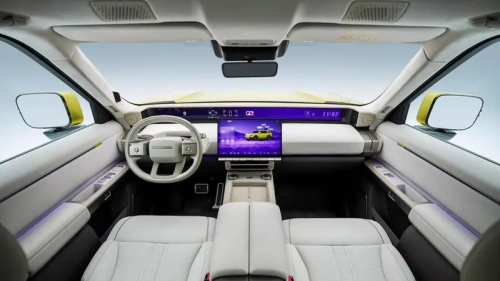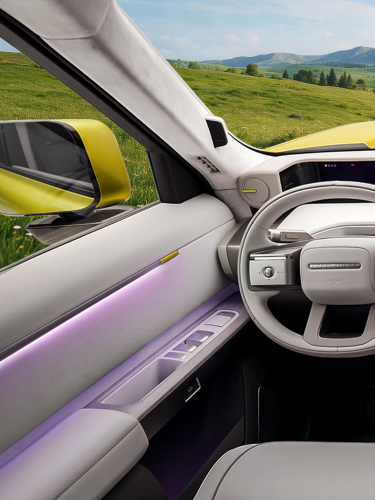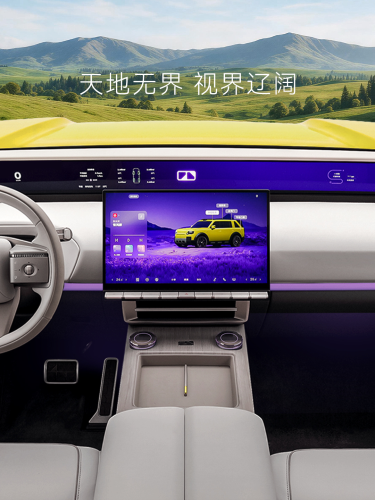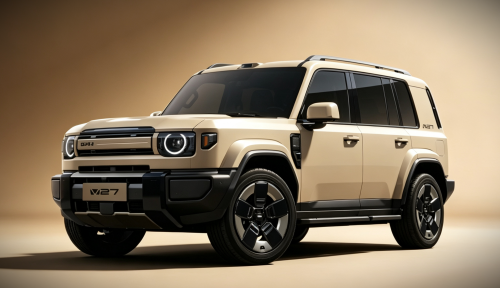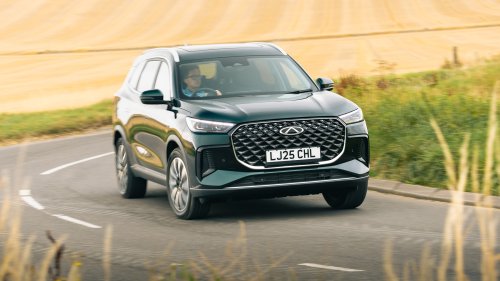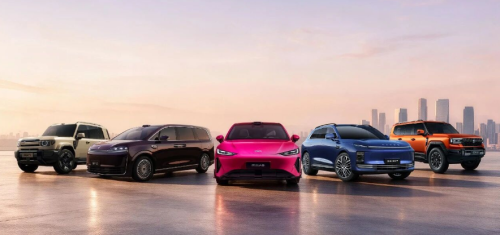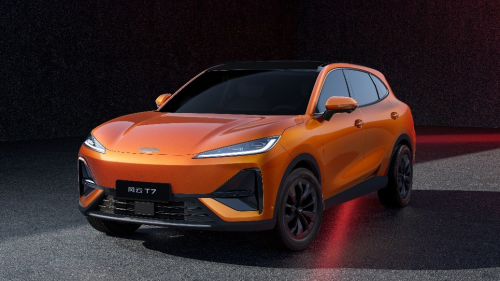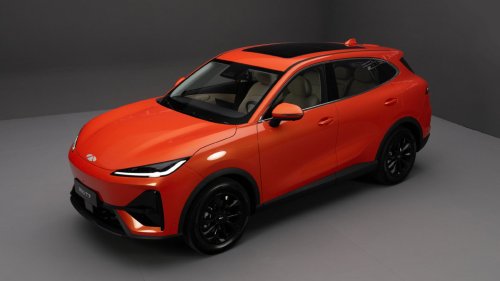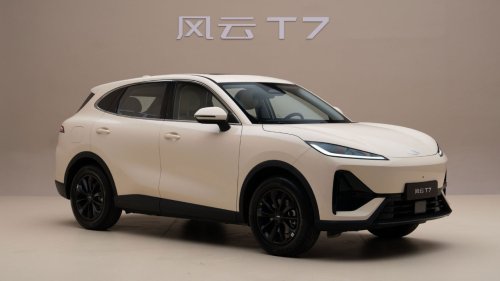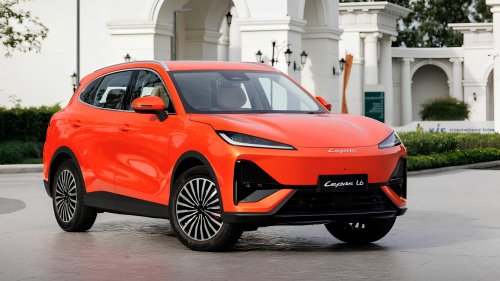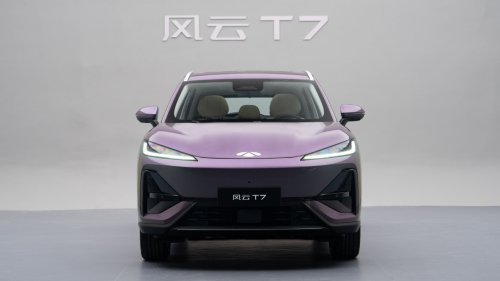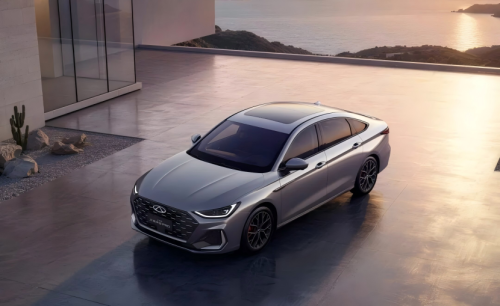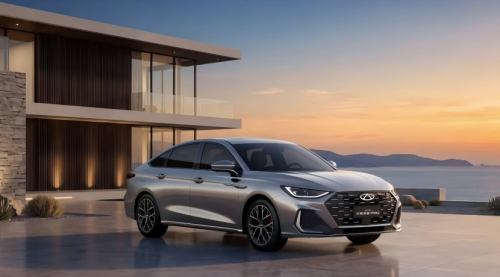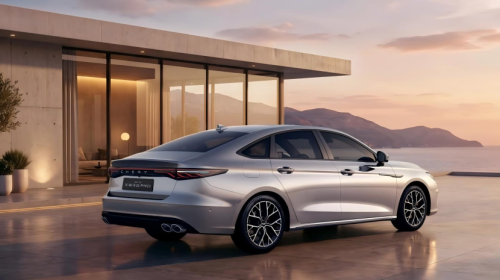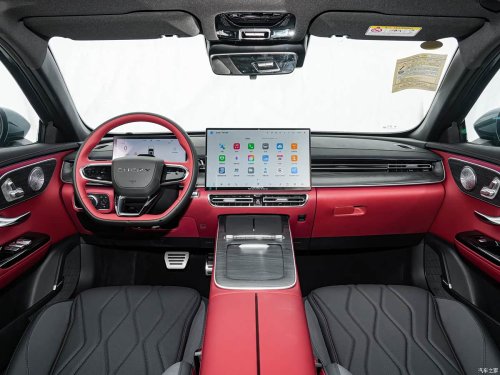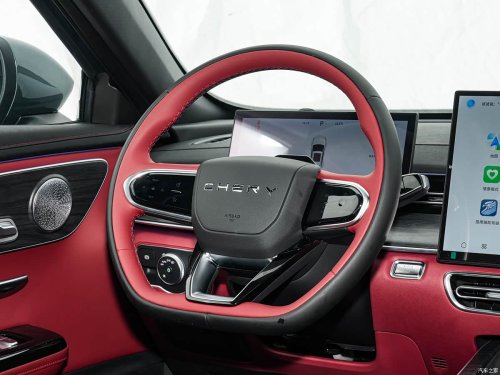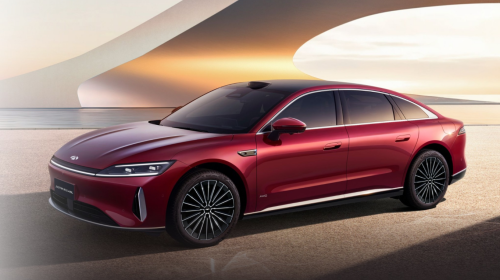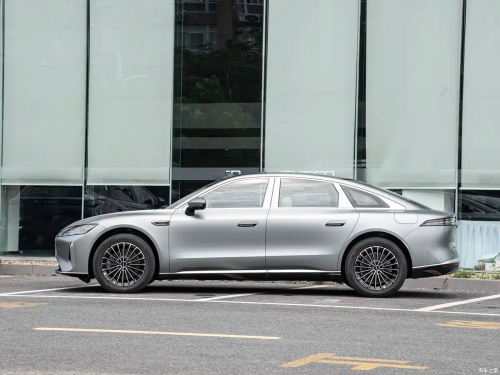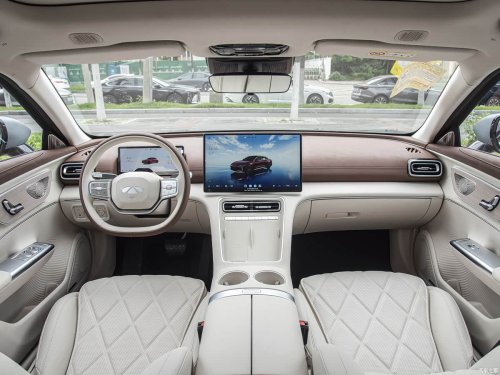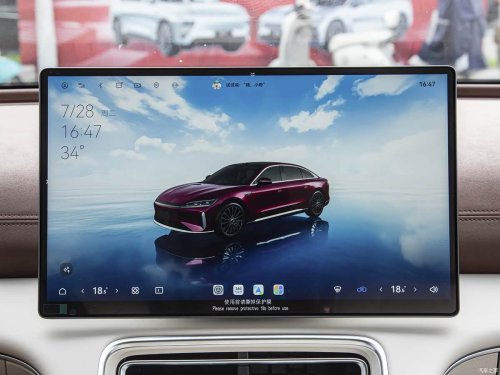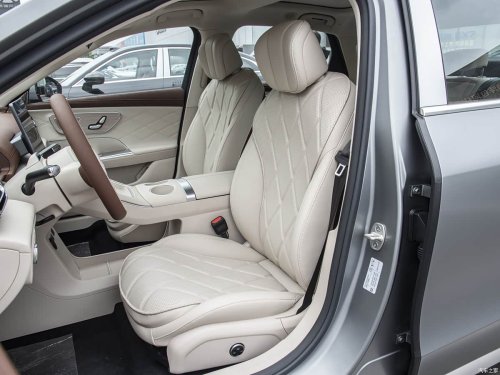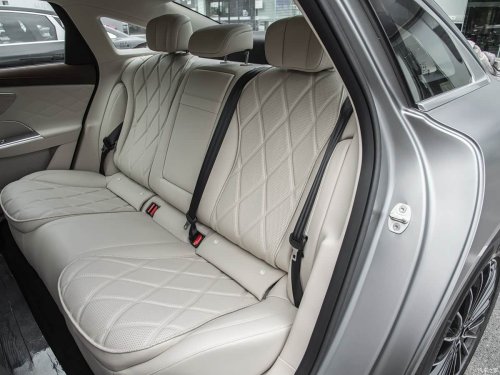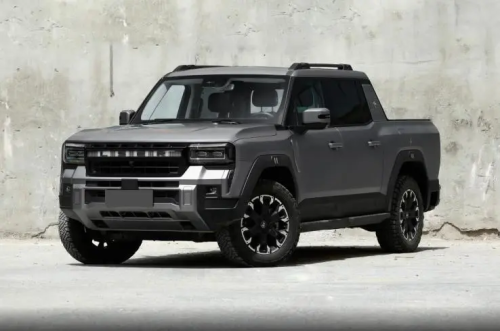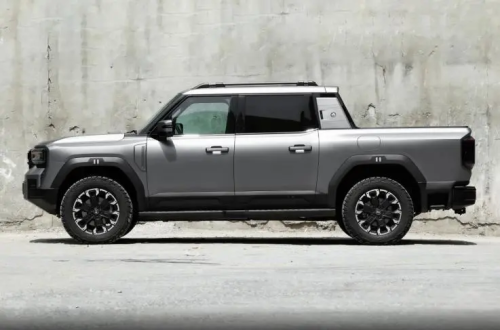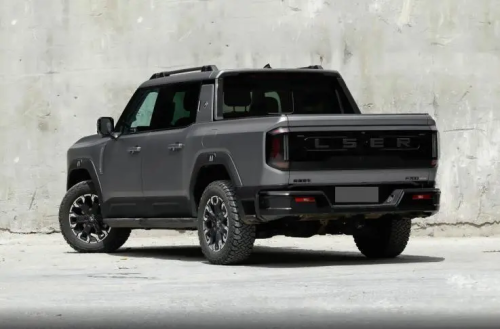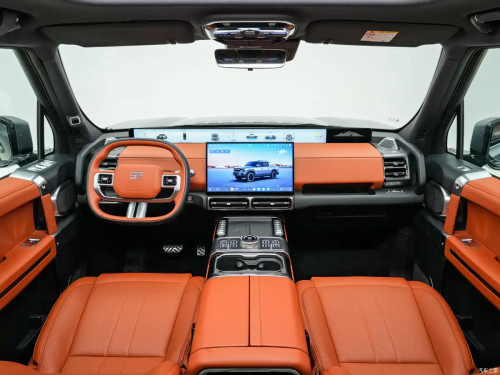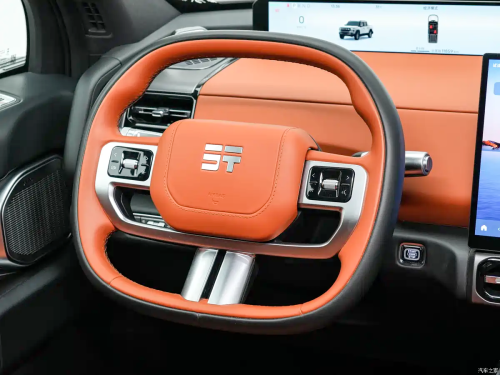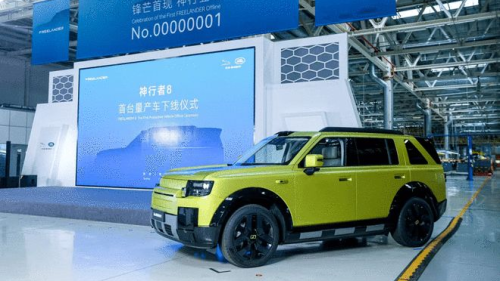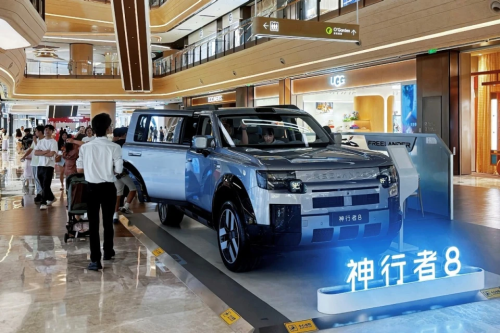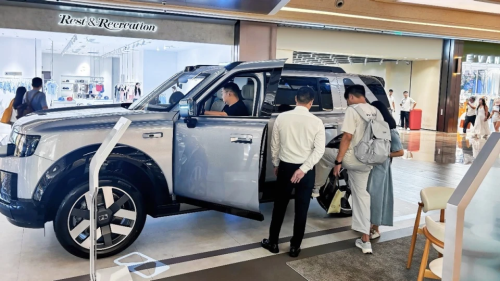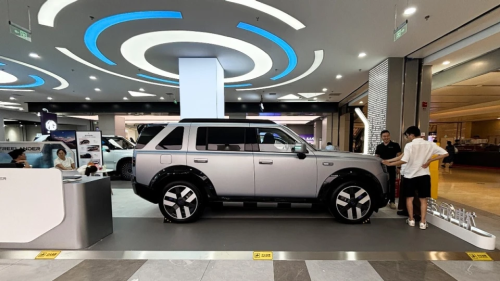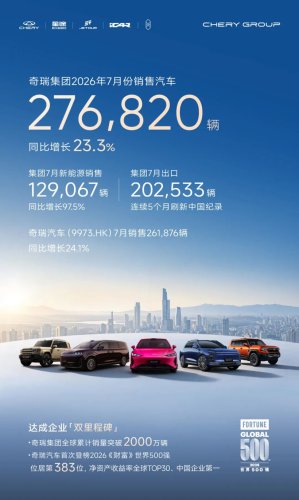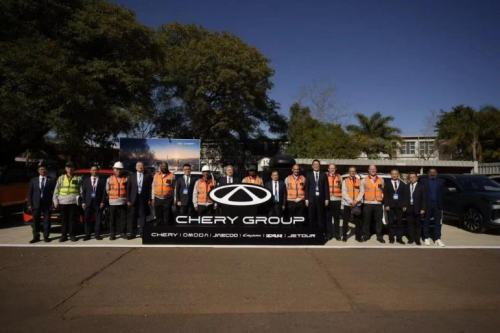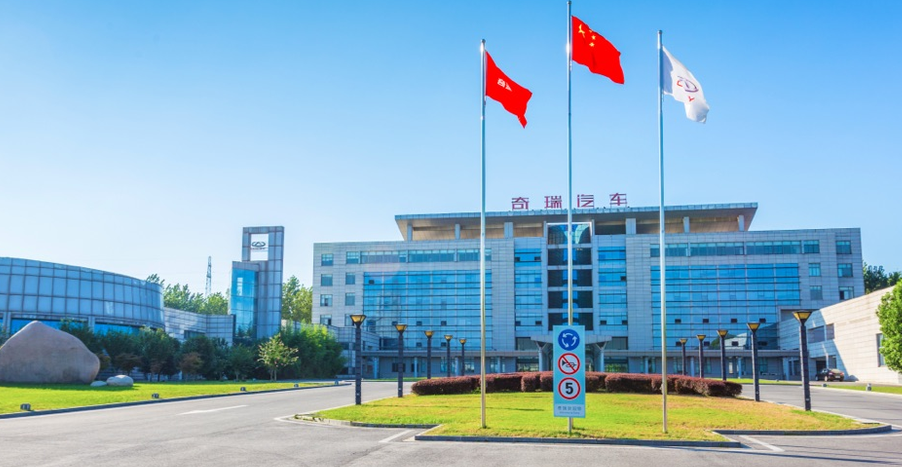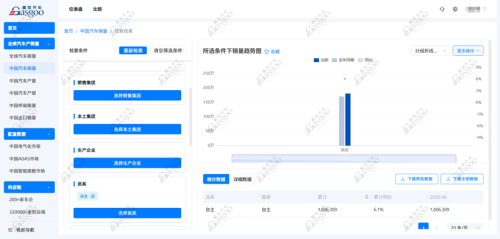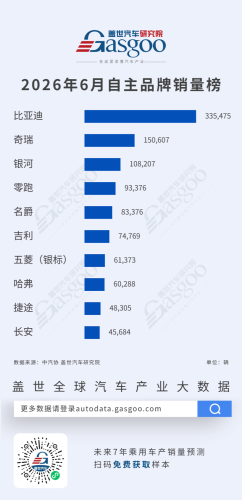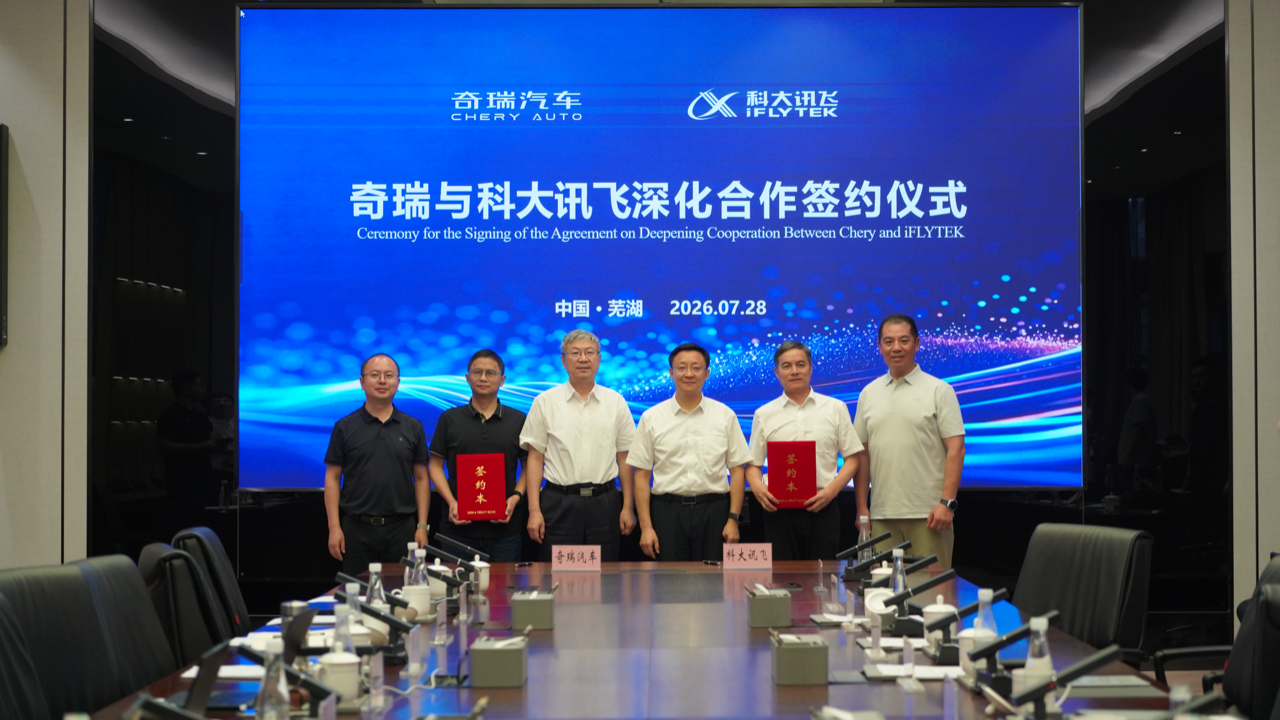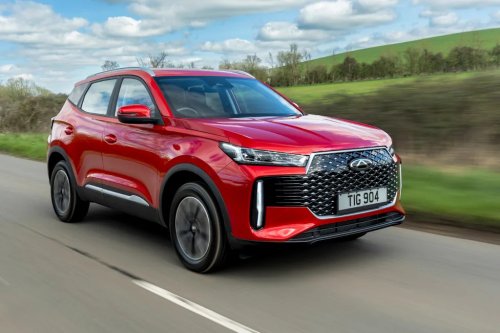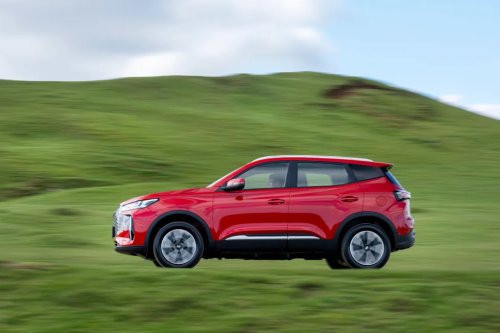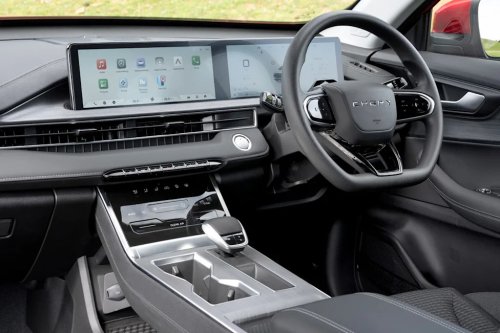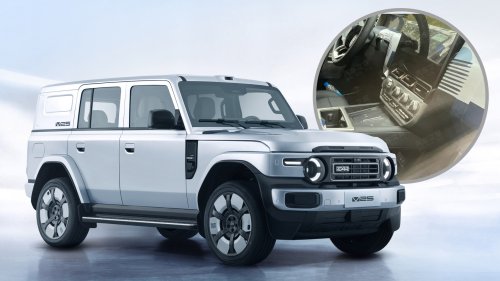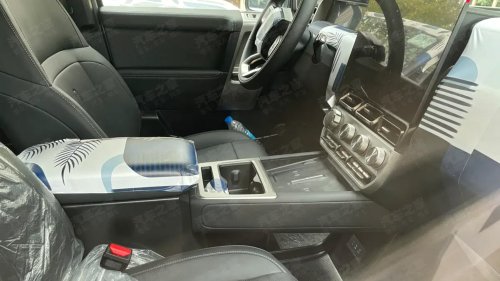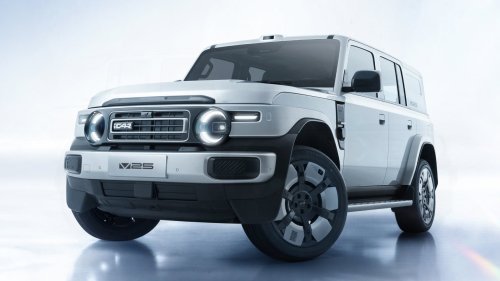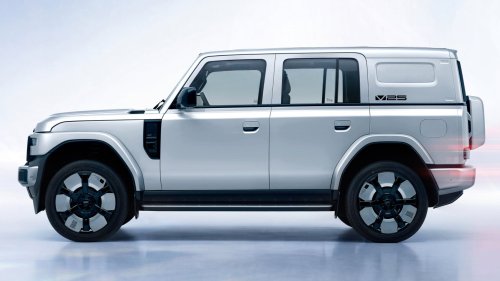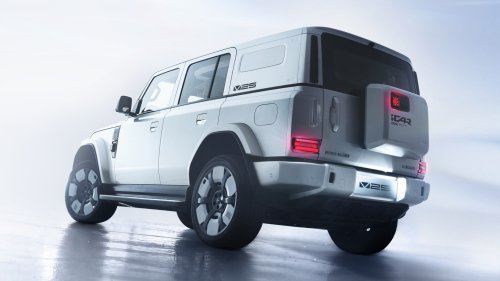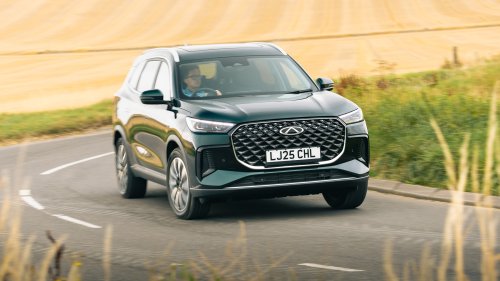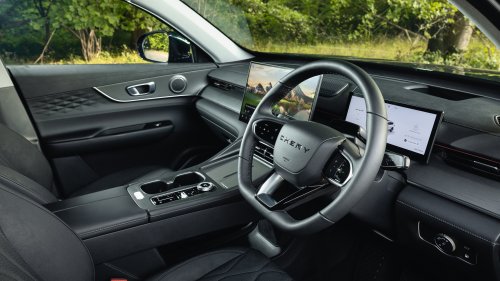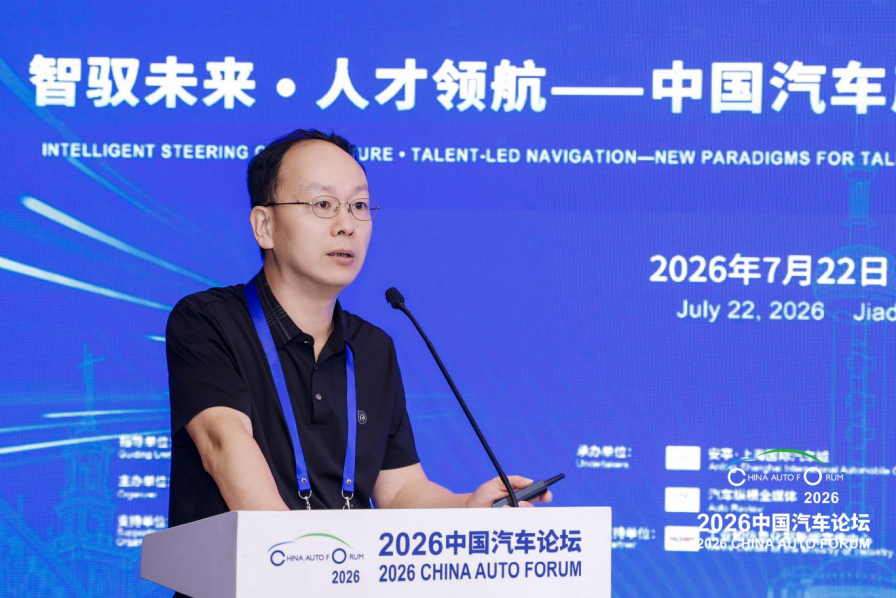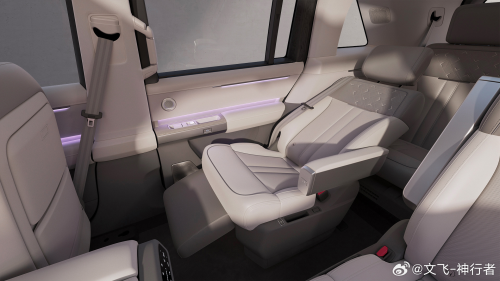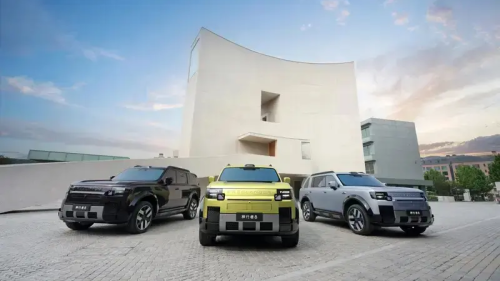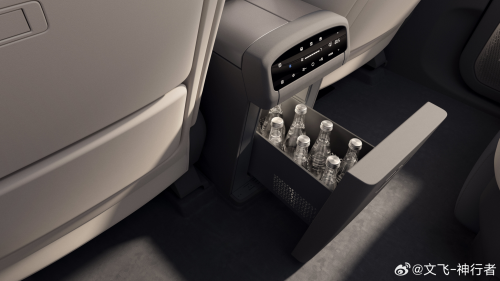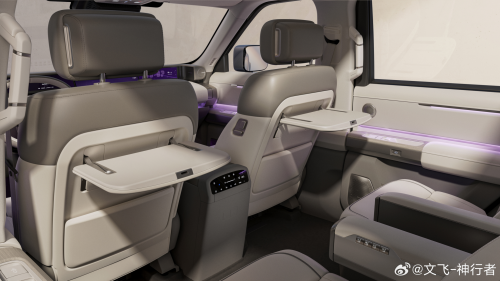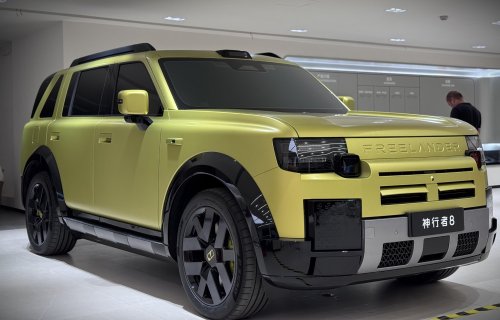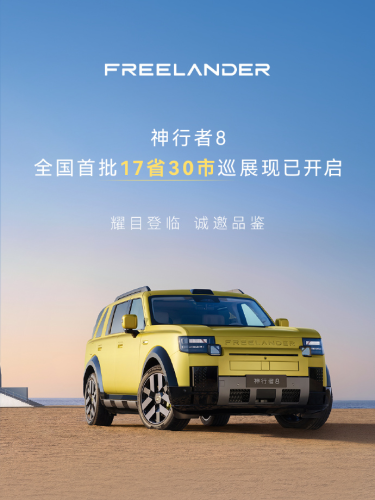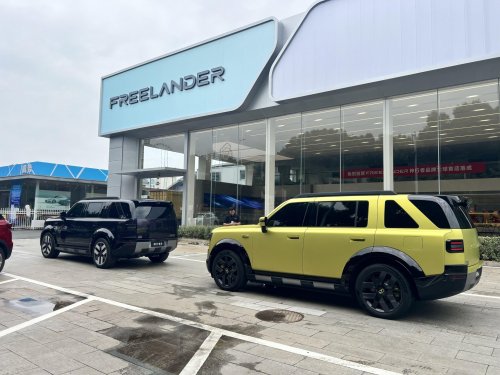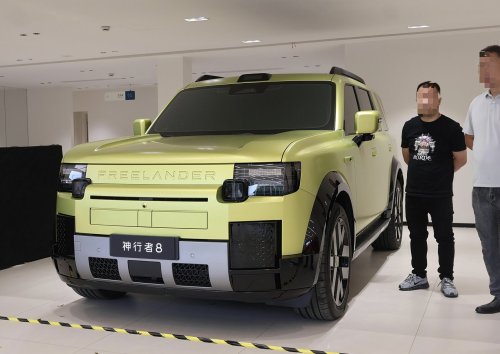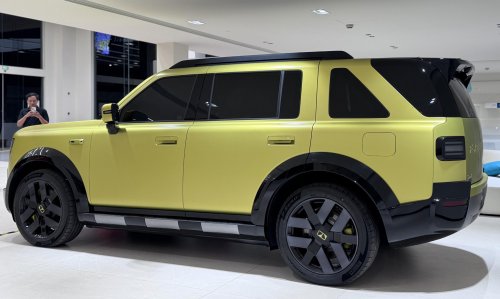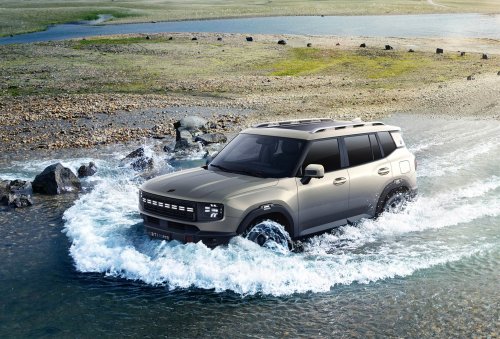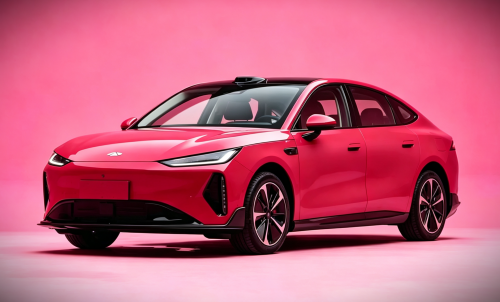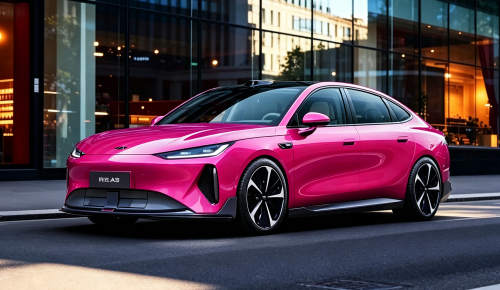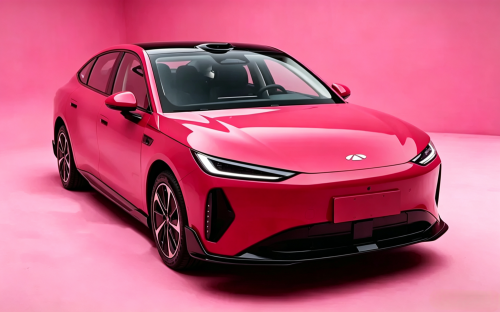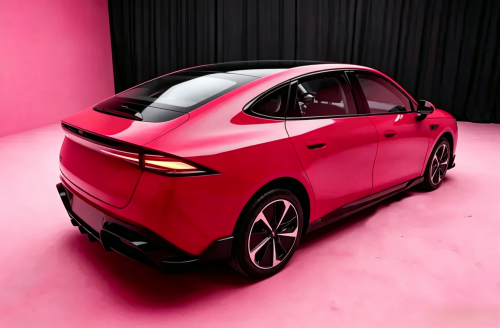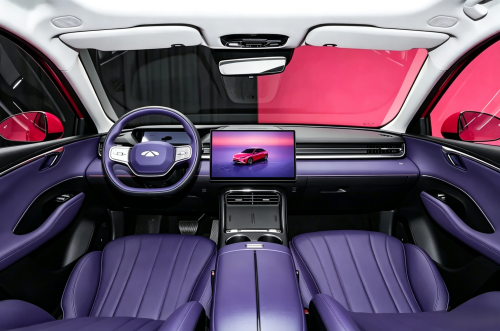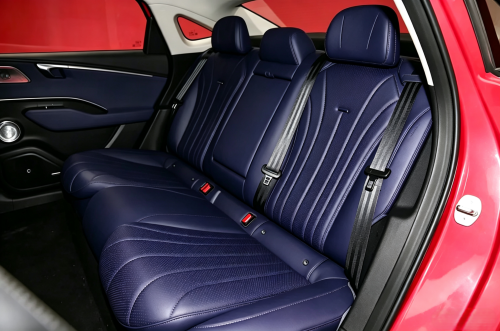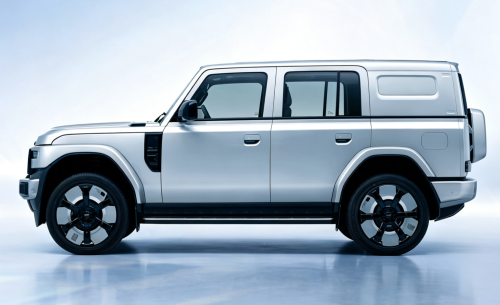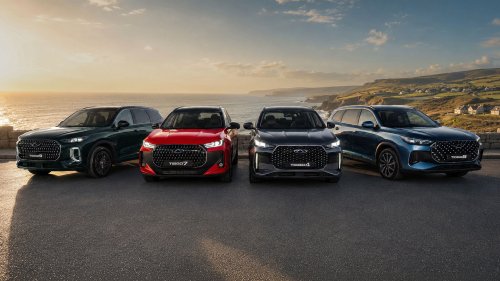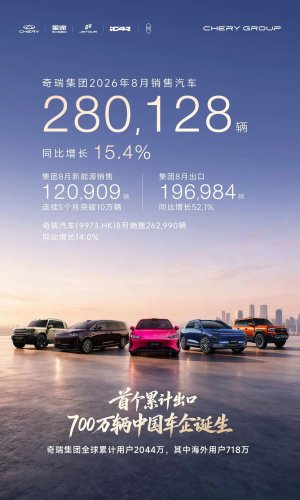
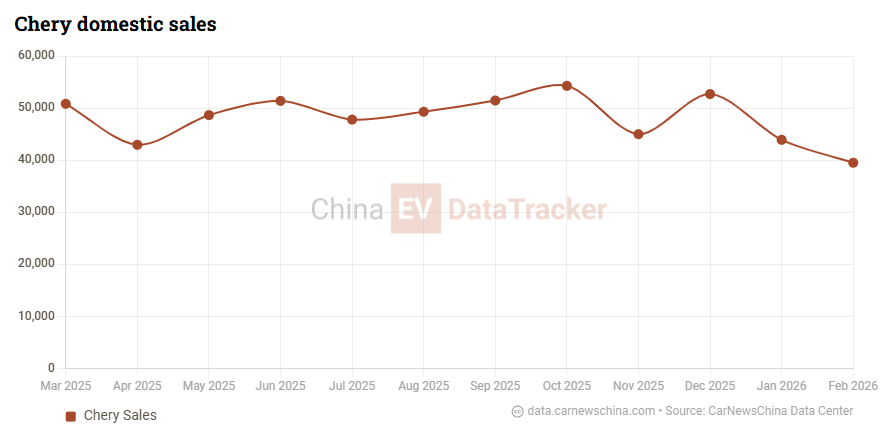



















New JV projects like Freelander reflect China’s evolving global auto strategy, focusing on technology and ecosystem exports. Credit: CNC Understand China EV’s Market Real-time notifications when critical EV data is released All important data in one place 2,000,000+ data points Become a member Chinese automakers are entering a “new era of joint ventures and positive-sum competition,” according to Wang Lang, vice general manager of Chery, speaking at the 2026 Intelligent Electric Vehicle Development Forum, reports CLS. Wang said the shift reflects bigger structural changes as Chinese brands expand globally, moving beyond traditional exports toward localised production and technology-led competition. New joint venture dynamics Wang described the current phase as one where cooperation models are becoming more complex and globally integrated. He said Chinese automakers are exporting mature technologies while accelerating the development of next-generation systems to maintain competitiveness. Recent joint venture projects illustrate this shift. The newly launched Freelander brand, developed by Chery and Jaguar Land Rover, is described as “an independent luxury new energy technology brand born from a deep collaboration,” combining global design with localised EV technology. The project operates with global R&D and manufacturing footprints, reflecting a move beyond earlier China-focused JV production toward coordinated international expansion. Full industry-chain expansion A central theme in Wang’s remarks was the transition from vehicle exports to full ecosystem globalisation. Chinese automakers are increasingly exporting not only vehicles, but also battery cells, chips, intelligent driving systems, and charging infrastructure. This model is already visible in new joint venture structures. In the Freelander case, Chery contributes supply chain integration and EV development, while Jaguar Land Rover provides design and brand positioning, illustrating a division of roles across the value chain. Chery sales in China. Credit: China EV DataTracker Localisation and overseas production Wang said more Chinese automakers are accelerating the deployment of overseas full-process factories to enable localised manufacturing and delivery. This trend aligns with global JV products increasingly tailored for specific markets. For example, the Dongfeng Nissan NX8, developed within a China joint venture, combines local engineering with global branding and is built on an 800V platform with both EV and range-extender variants. The model’s positioning reflects how joint ventures are being used to develop China-first technologies that may later expand internationally. Technology over price According to Wang, global competition is shifting from price advantage to technological leadership. He said Chinese automakers aim to achieve sustainable brand positioning and pricing power through advanced technologies. The Freelander project highlights this shift, integrating systems from suppliers such as Huawei and CATL while targeting premium EV segments rather than entry-level pricing. Rising compliance challenges Wang said stricter regulatory requirements are becoming a defining factor in global expansion. Compliance capabilities, including safety, environmental, and data regulations, are now essential for automakers operating internationally. Managing global risks He also pointed to macro risks such as exchange rate volatility and geopolitical tensions, noting that companies may increasingly rely on national-level risk management frameworks and coordinated industry approaches to mitigate uncertainties.