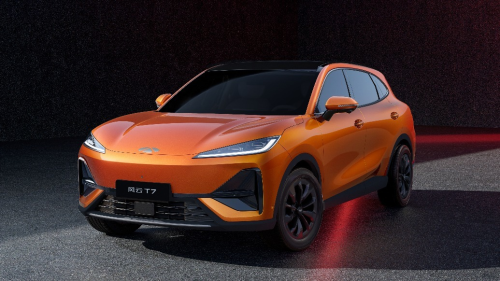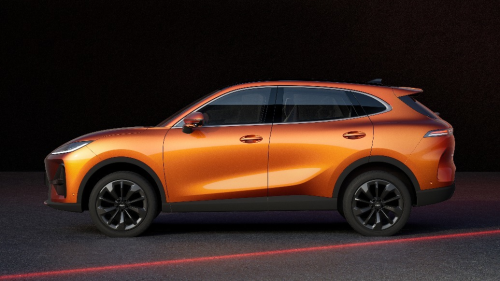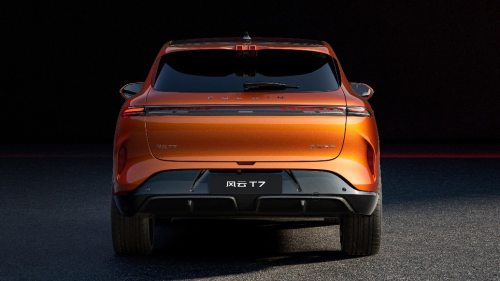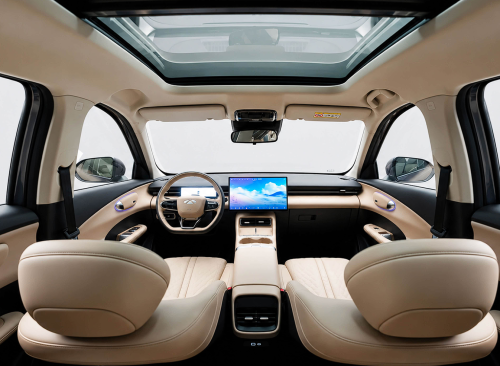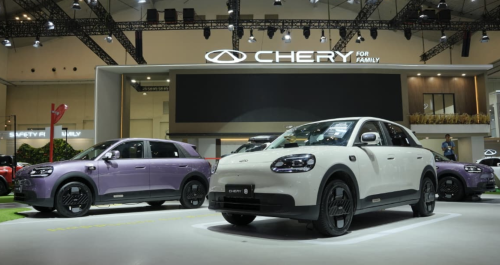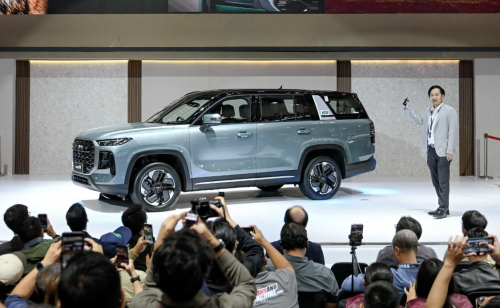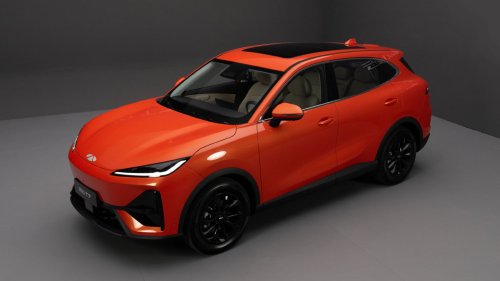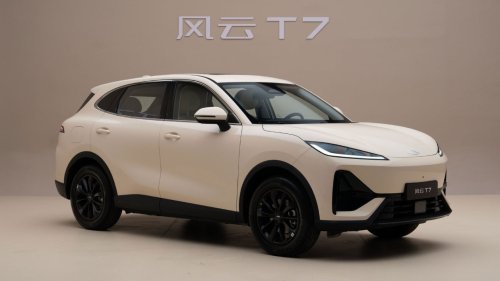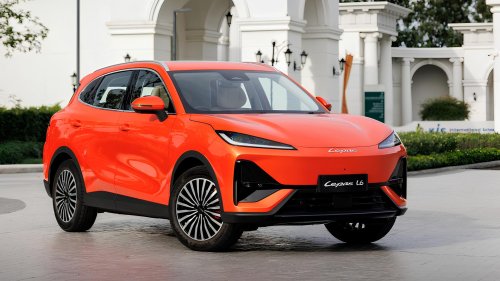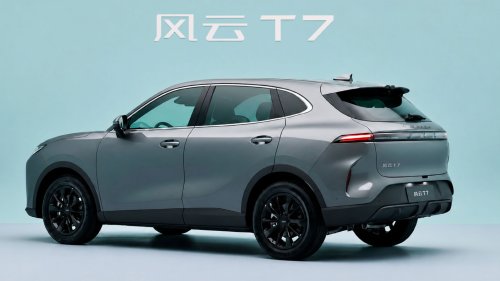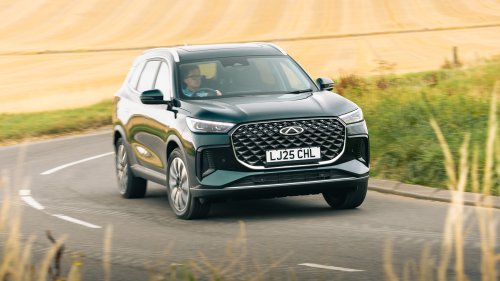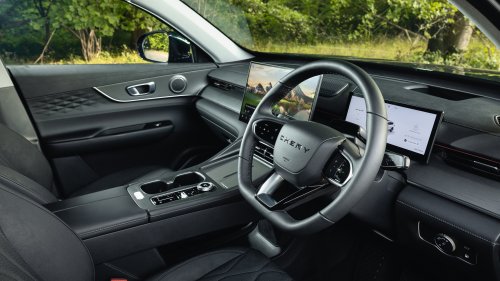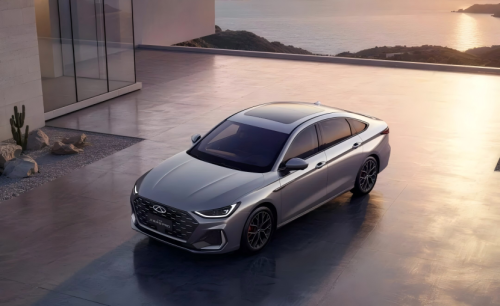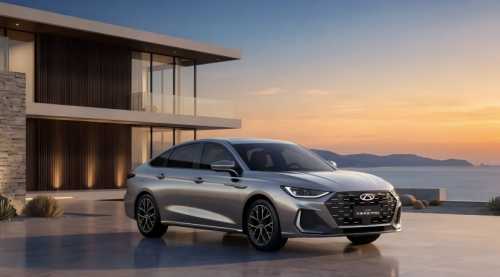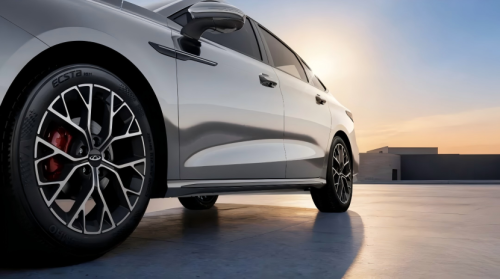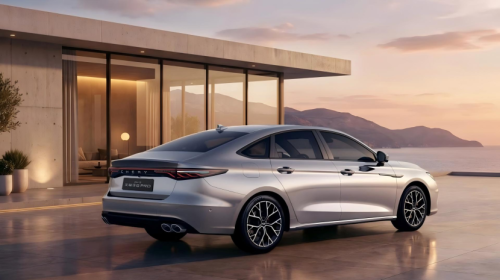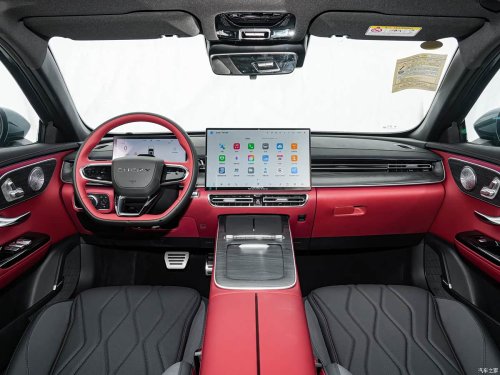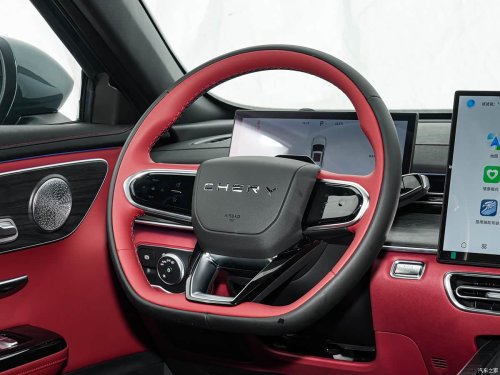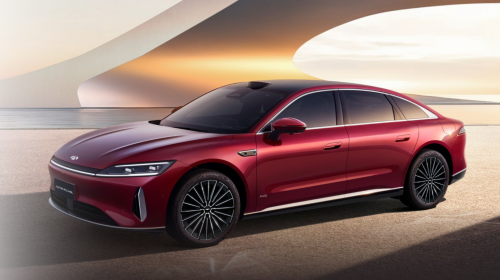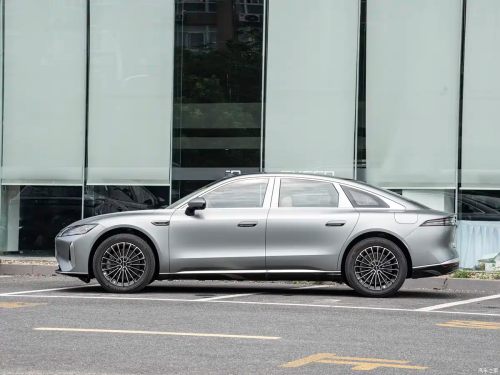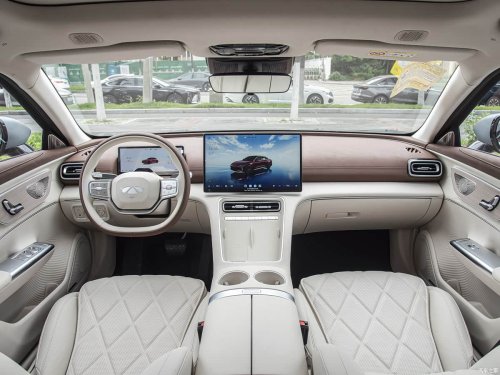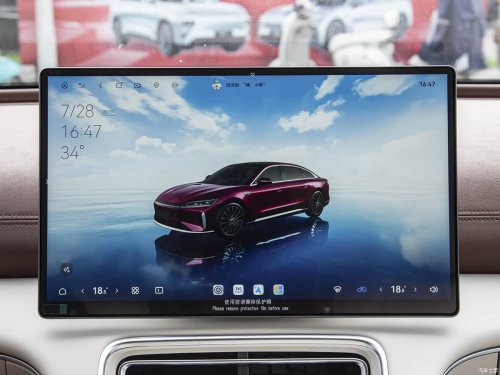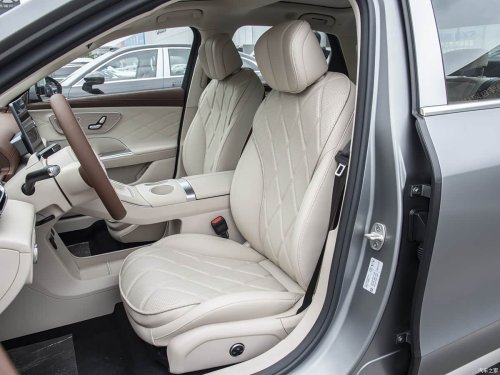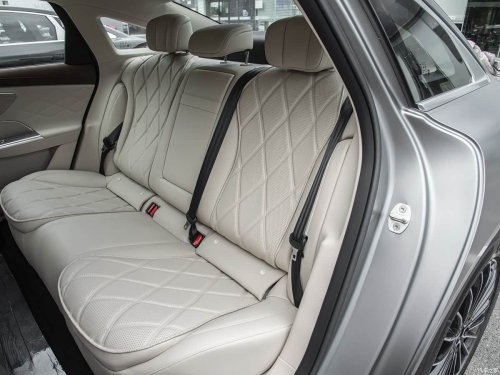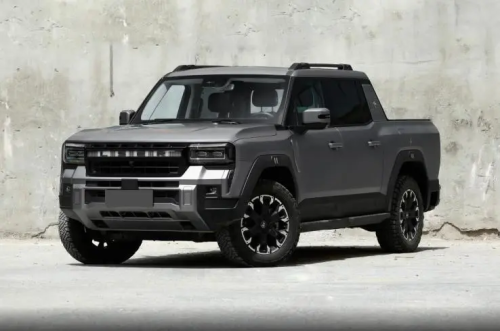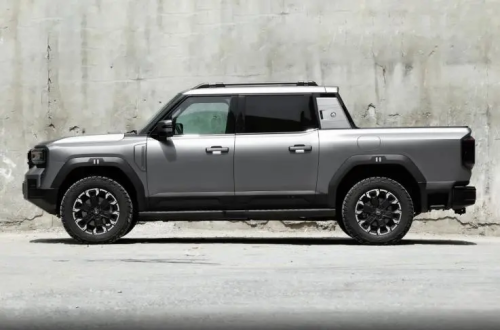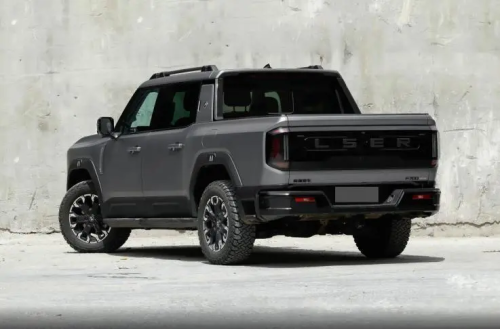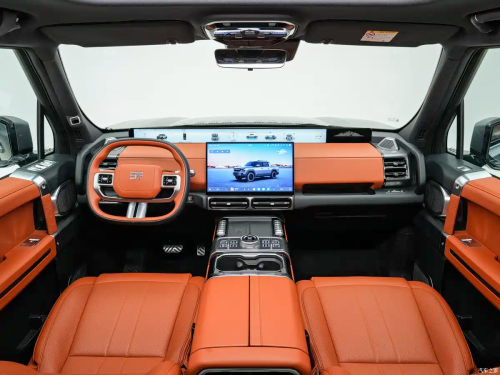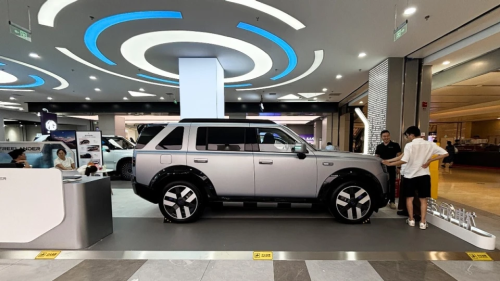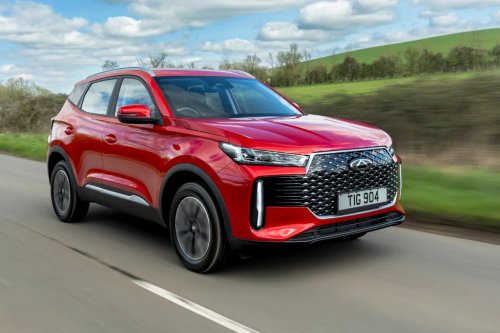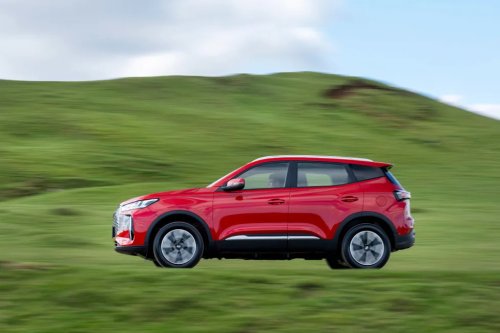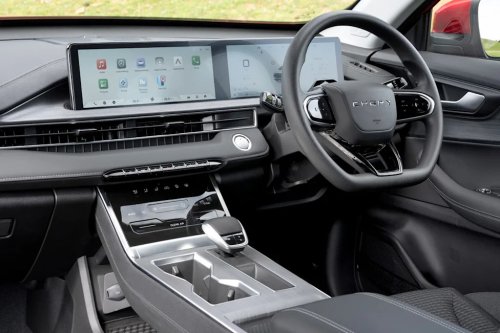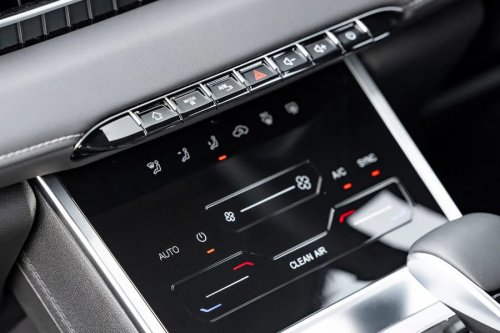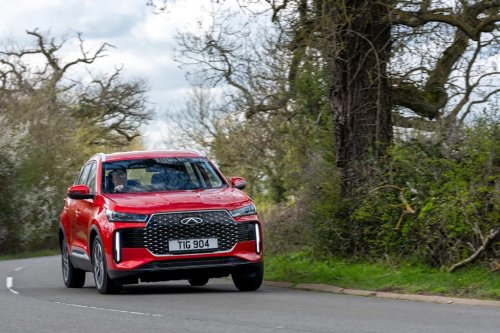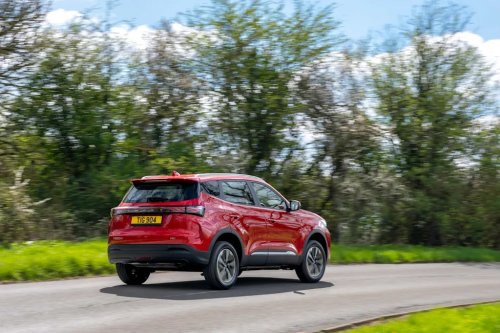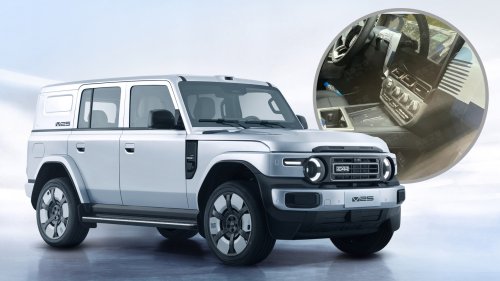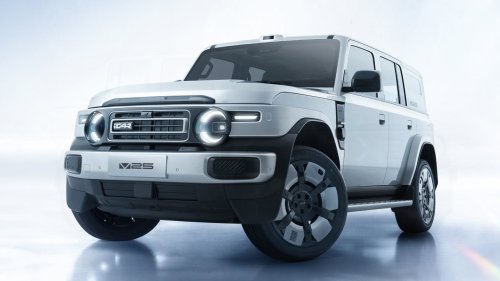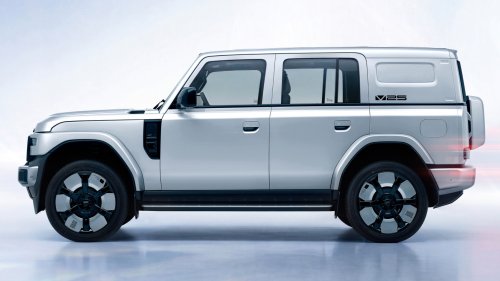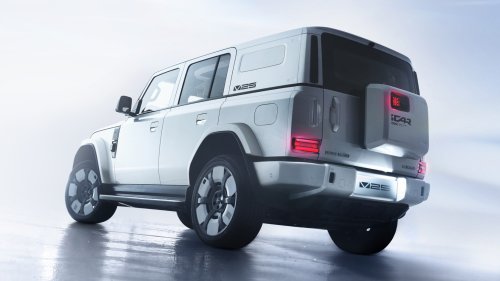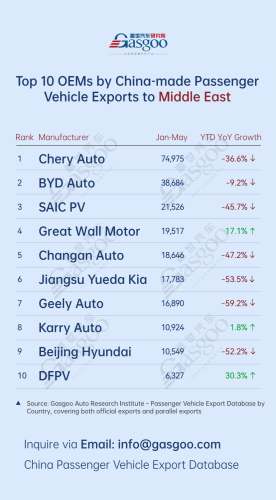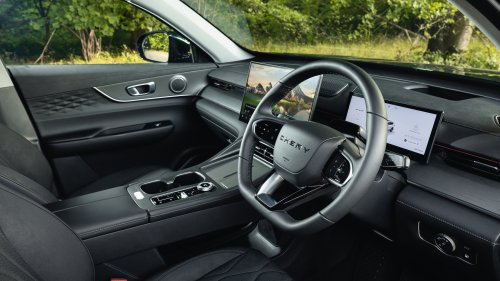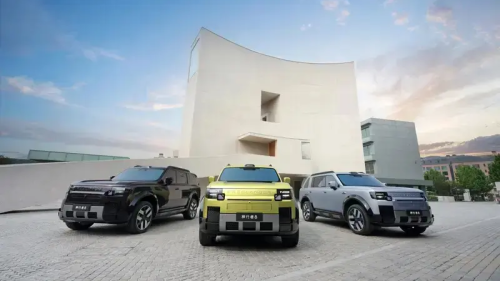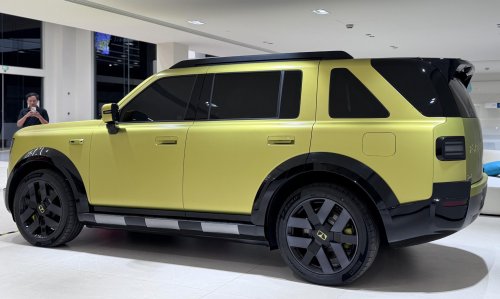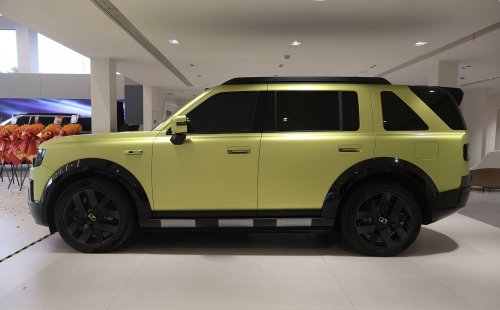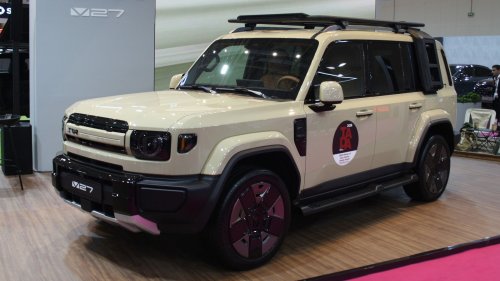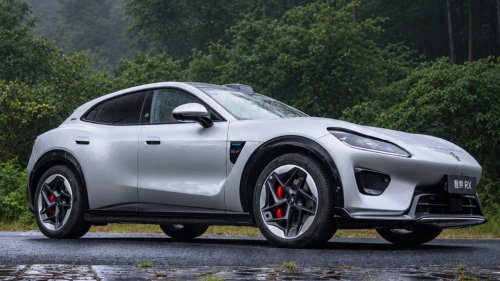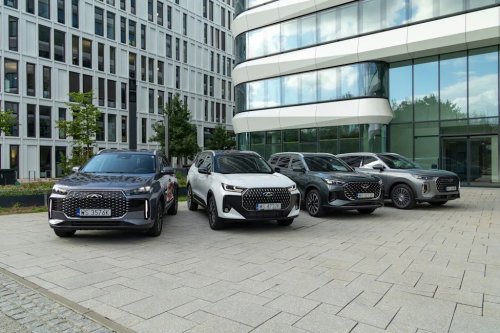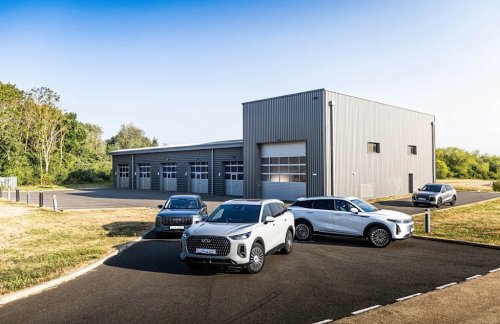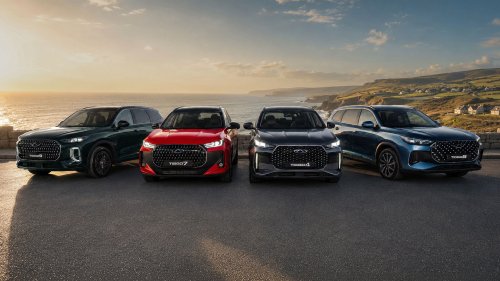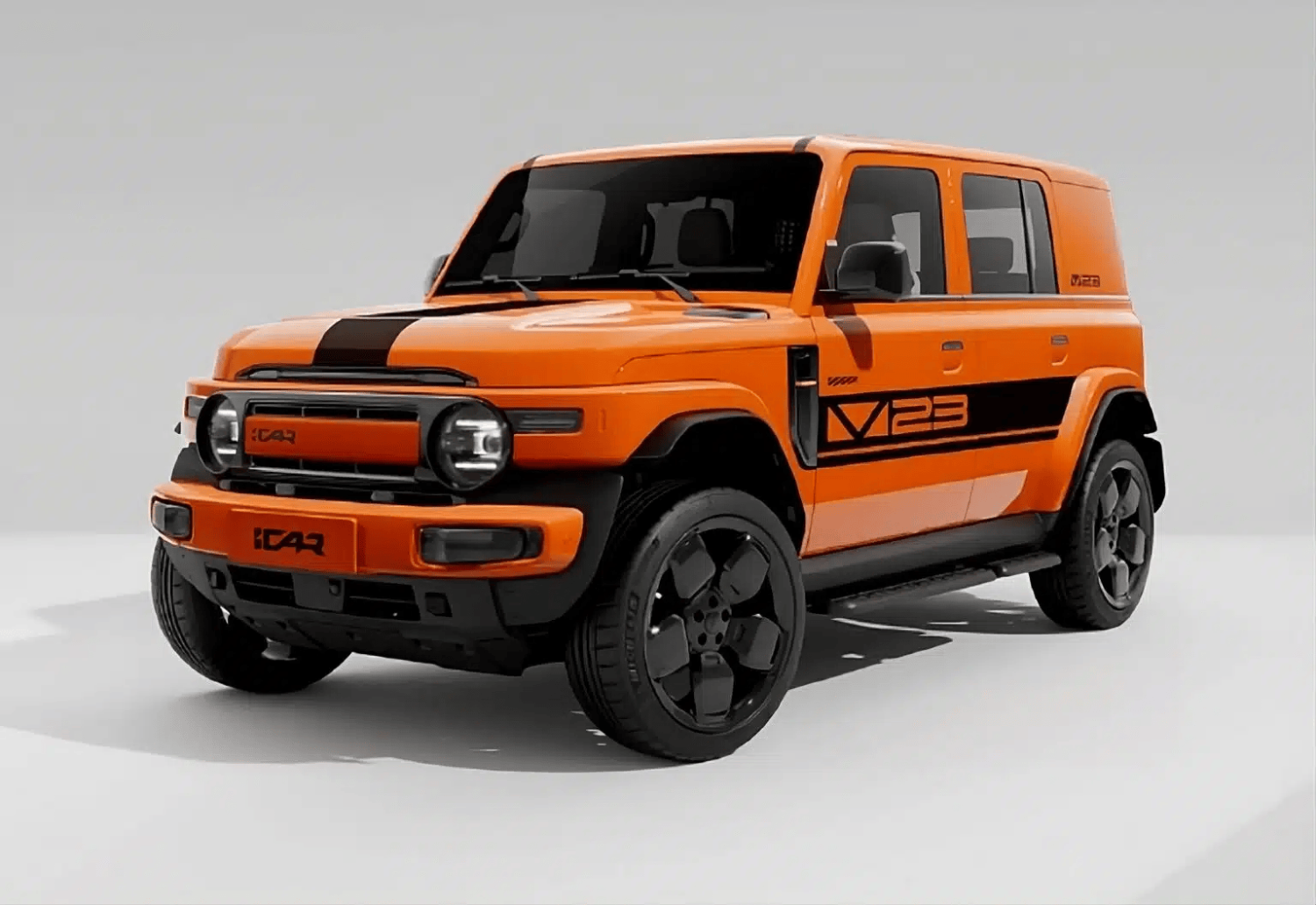
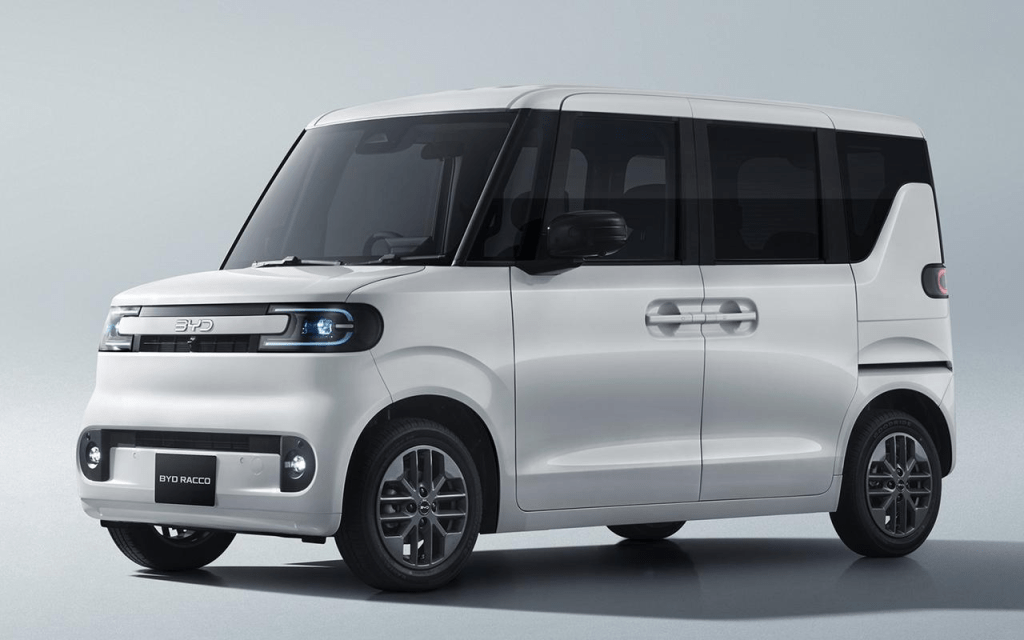
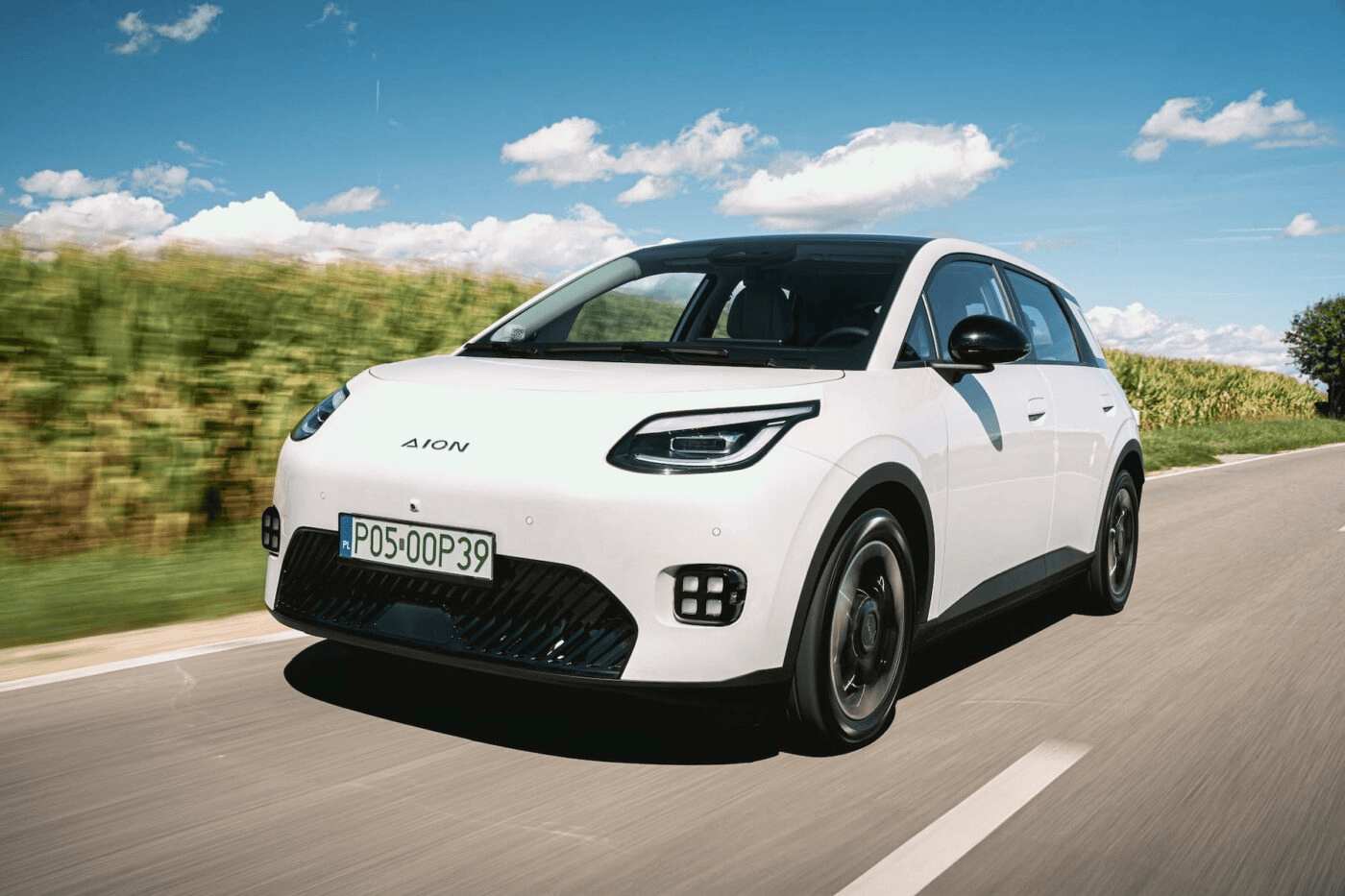



















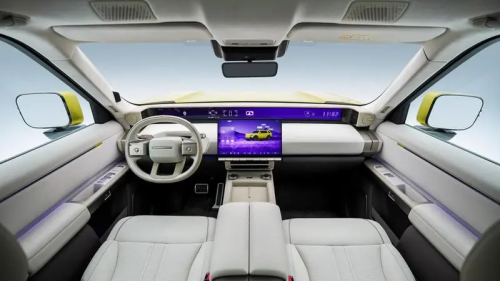
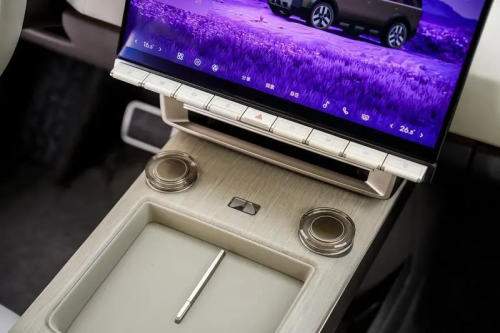
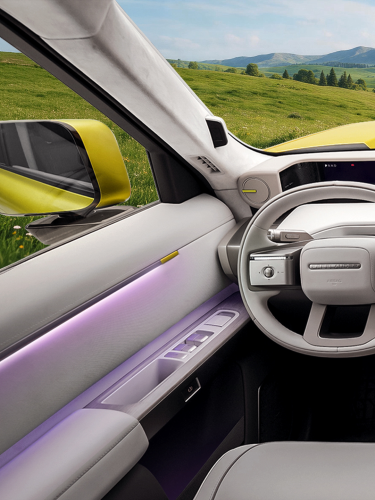
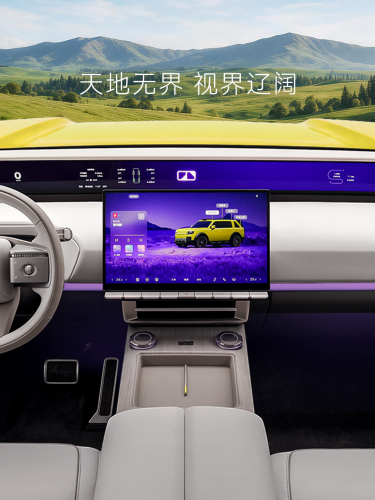
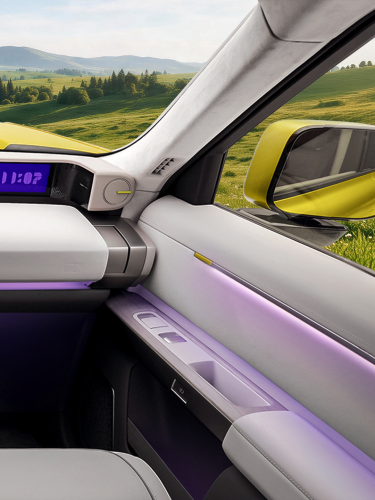
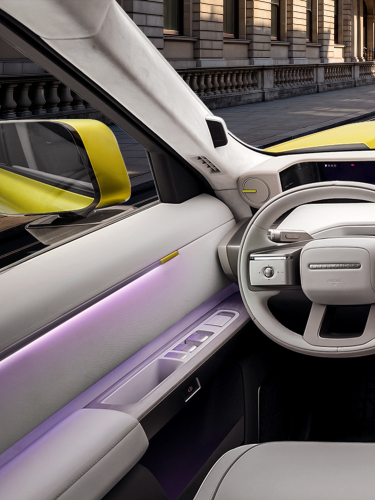
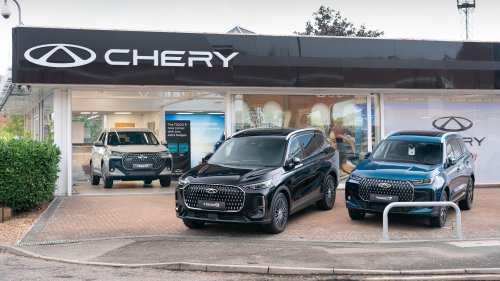
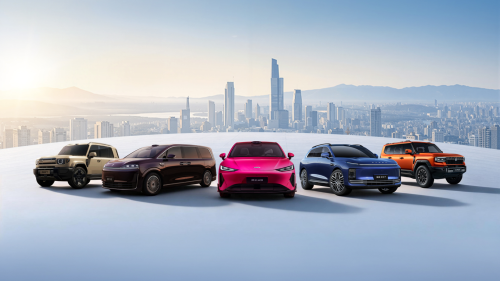
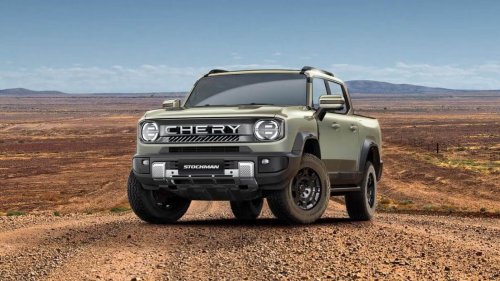


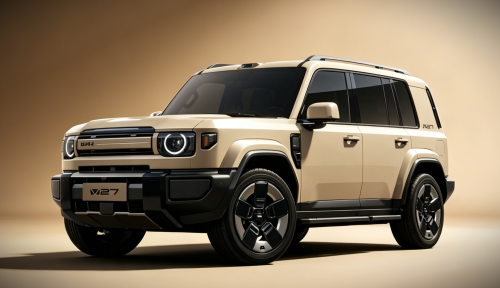
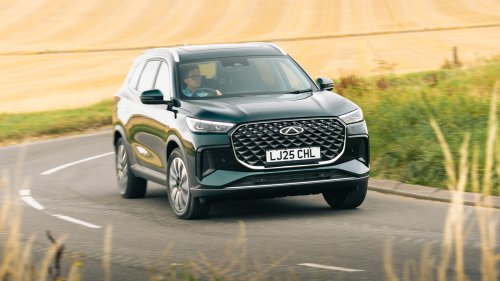
Chery Automobile will partner with Japanese auto parts retailer Autobacs Seven to jointly sell electric vehicles in Japan starting in 2027, according to a May 11 report by Nikkei Asia. The move makes Chery another Chinese automaker deepening its presence in Japan’s passenger vehicle market following BYD’s recent expansion efforts. The two companies have already established a joint venture in Singapore. Jiangsu Yueda, Gotion High-Tech and Japanese equipment manufacturer Anest Iwata have also participated as investors. Chery’s electric SUV iCar V23 Under the plan, the new company will launch a dedicated EV brand for the Japanese market through Yokohama-based EMT and market the vehicles as a “Japanese brand.” The EMT team has already recruited engineers from Japanese automakers including Honda and Mazda. Future vehicles will also be redeveloped and retuned specifically for Japanese consumers. The first model is expected to begin deliveries in 2027. The vehicle will be built on Chery’s existing NEV platform and technology architecture and will feature advanced driver-assistance functions. Production will take place in China at a Yueda Auto manufacturing plant. The companies have not yet disclosed final pricing, but the vehicle is expected to target Japan’s mainstream mass-market segment rather than the premium market. The timing reflects a broader trend of Chinese automakers accelerating expansion into Japan over the past two years. BYD RACCO Since entering Japan in 2022, BYD has steadily expanded its sales network and partnered with retailer Aeon to experiment with vehicle sales through shopping malls. This summer, BYD also plans to launch the “RACCO,” a kei-class electric vehicle developed specifically for the Japanese market. Meanwhile, GAC Aion is also preparing to officially enter Japan this summer, with the AION UT and AION V among its first models. AION UT One key aspect of Chery’s partnership with Autobacs is access to distribution channels. Autobacs operates roughly 1,200 stores across Japan, covering automotive accessories, maintenance services, used-car operations and new vehicle sales. In recent years, the company has already begun selling models from BYD and Hyundai. Under current plans, the partners aim to establish several hundred sales and service locations within the first year, reducing the heavy investment typically associated with traditional dealership networks. By 2029, the joint venture is expected to launch four vehicle models and may further expand into overseas markets. More notably, the two sides are also discussing the possibility of local vehicle production in Japan after 2030.