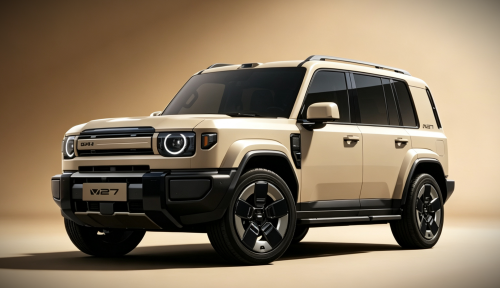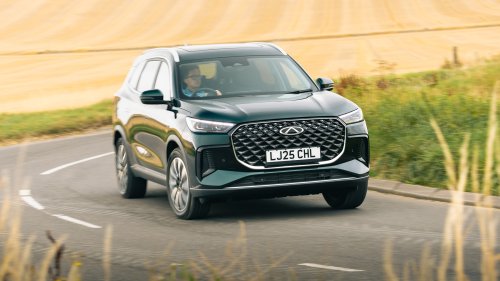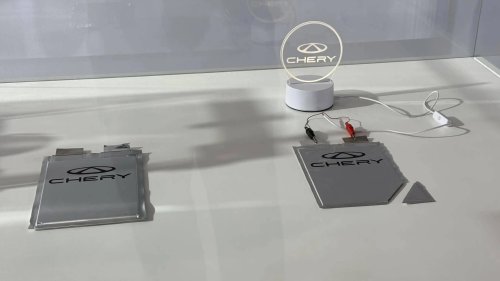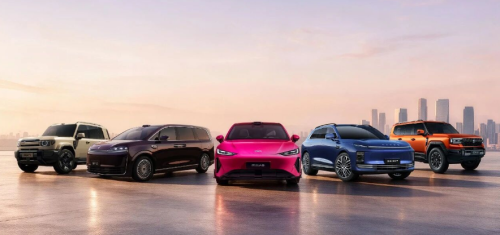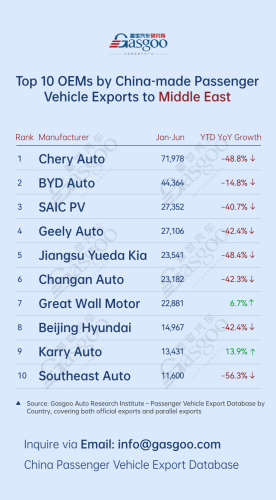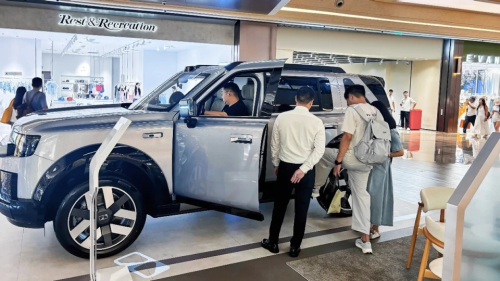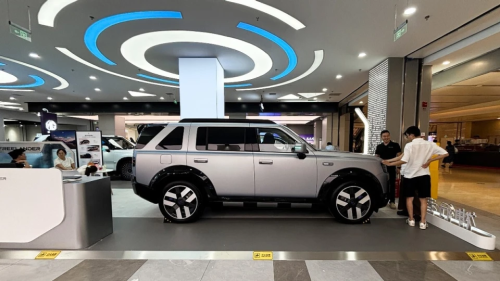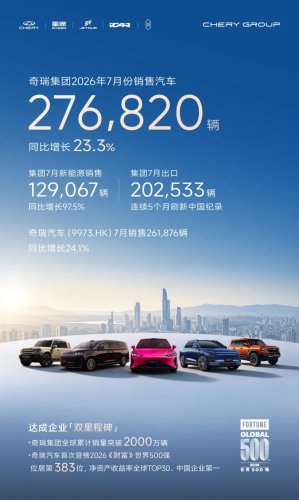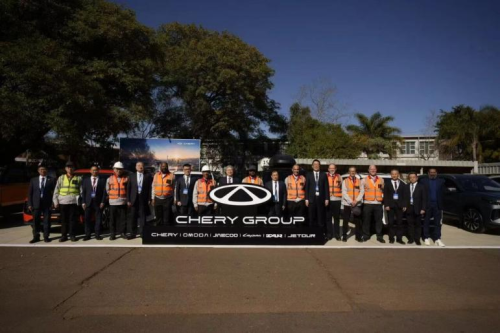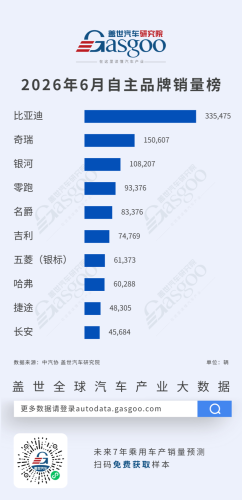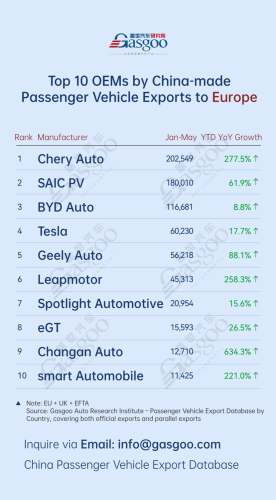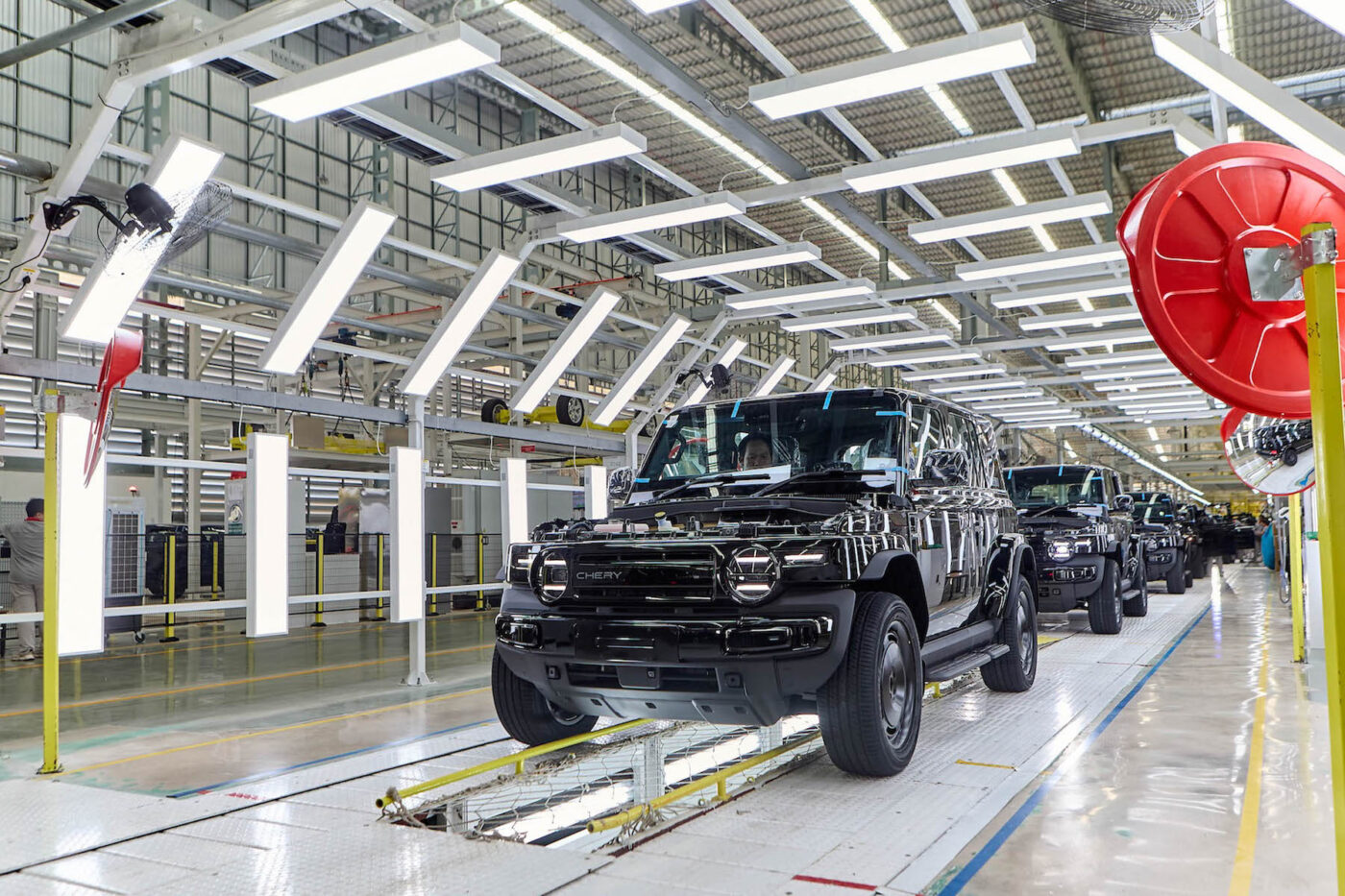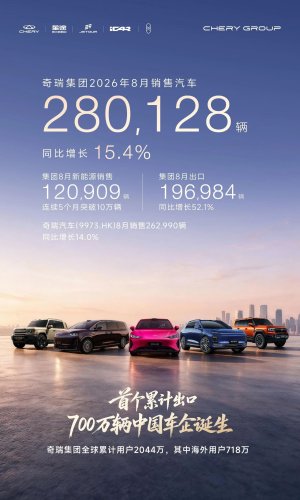




















Chery Automobile-backed joint venture Electric Mobility Technologies is preparing to enter Japan’s tightly regulated kei-car market with a compact electric vehicle scheduled for launch in 2027. Operating under the EMTA brand, the Singapore-based venture will compete with BYD and its upcoming Racco kei EV as Chinese automakers push deeper into Japan’s small-car segment. The project combines Chinese EV engineering and manufacturing with Japanese product development, retail distribution, and after-sales support. Chery and Jiangsu Yueda Automobile Group each hold 27.27 percent stakes in the company, while Japanese automotive retailer Autobacs Seven and battery supplier Gotion High-Tech each own 18.18 percent. Japanese manufacturer Anest controls the remaining 9.09 percent. Company executives said EMTA is used as a brand name rather than an abbreviation. Chery’s role in the venture centers on vehicle technology and engineering support instead of day-to-day management. EMTA models will use Chery-developed EV platforms, electric drivetrains, and driver-assistance systems. Production will begin at Yueda’s factory in Yancheng, China, a facility previously used to manufacture Kia and HiPhi vehicles. Earlier industry speculation suggested Chery planned to acquire the plant outright, but the partnership instead evolved into a Japan-focused export program. Gotion will supply the batteries for the new vehicles, while Autobacs Seven will oversee sales and service operations through its nationwide retail network in Japan. Anest will handle quality control and product validation. The management team includes executives with backgrounds at several major automakers in China and Japan. Chief Executive Officer He Xiaoqing previously led Changan Ford, while Chief Marketing Officer Susumu Uchikoshi is the former general manager of Nissan China. Former Honda and Mazda personnel are involved in product planning and vehicle design. EMTA plans to expand its lineup to four models by 2029, adding a hatchback, sport utility vehicle, and minivan after the launch of its first kei EV. The company is also studying the possibility of local manufacturing in Japan after 2030 if sales volumes support further investment. Prototype images of the first model show a boxy kei-class EV carrying the “#01” marking on its side, suggesting the vehicle could eventually be called the EMTA #01. The compact model measures roughly 3.4 meters long and 1.48 meters wide, placing it within Japan’s kei-car regulations. The vehicle appears visually related to Chery’s family of small electric city cars, although its proportions and five-door layout differ from the older three-door QQ Ice Cream introduced in China in 2021. The design features rectangular headlamps, blacked-out roof pillars, and slim camera-based side mirrors. Company officials said the vehicle was engineered to deliver crash protection comparable to larger passenger cars. Pricing has not been announced, although executives indicated the model would remain competitive with gasoline-powered kei vehicles. The launch places Chery and BYD in growing competition as both companies expand their presence in overseas markets. BYD is expected to introduce the Racco to Japan at a price of around 2.5 million yen, or approximately $15,670. According to China EV DataTracker, Chery exported 177,573 vehicles in April 2026, maintaining its lead among Chinese vehicle exporters. BYD exported 135,098 vehicles during the same period. Screenshot from NHK coverage of the launch event in Tokyo. (Image from NHK)