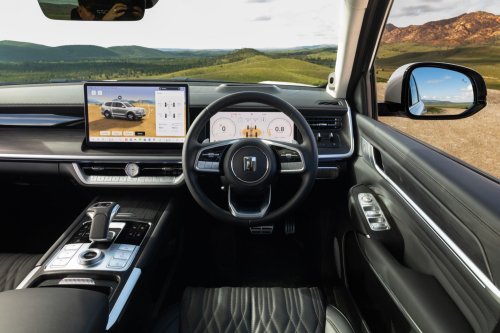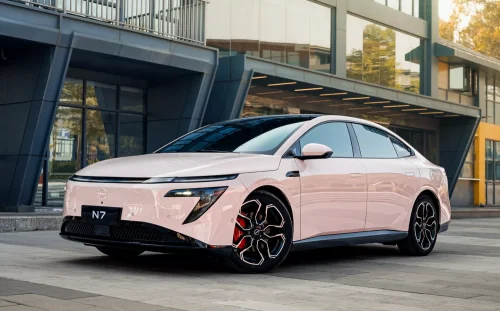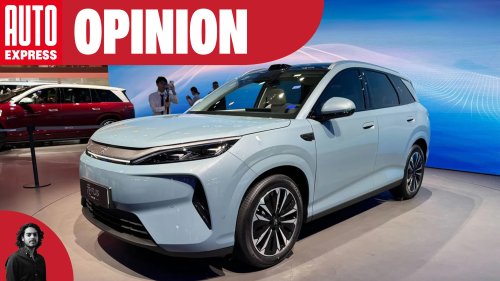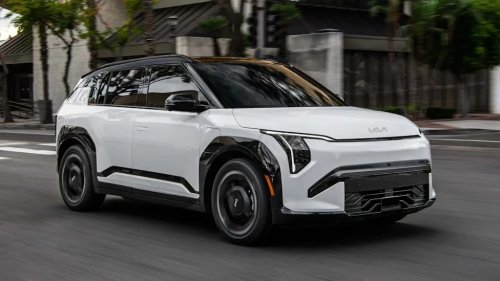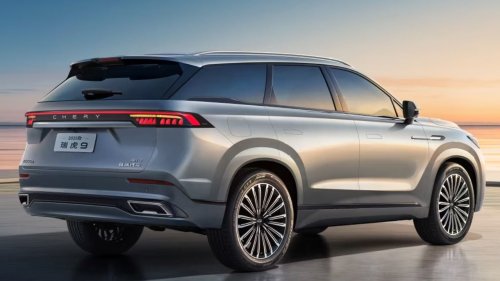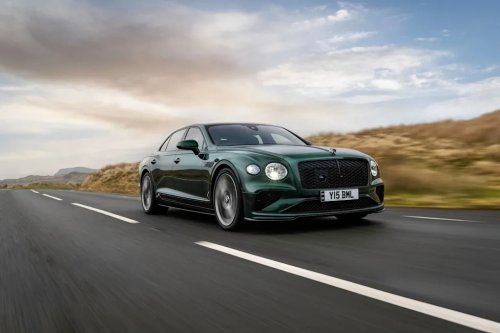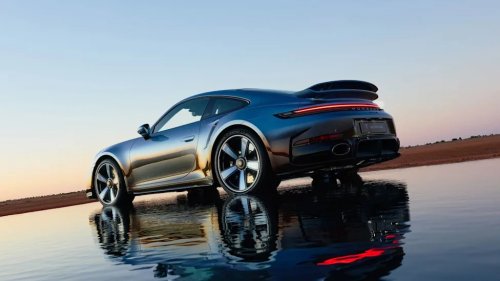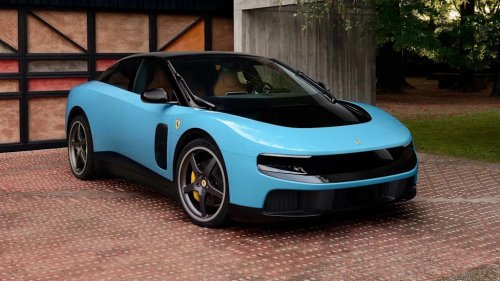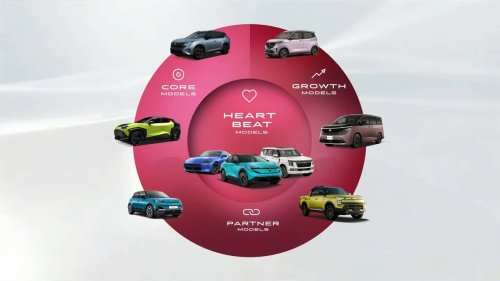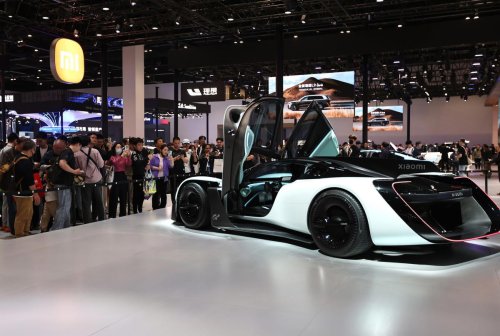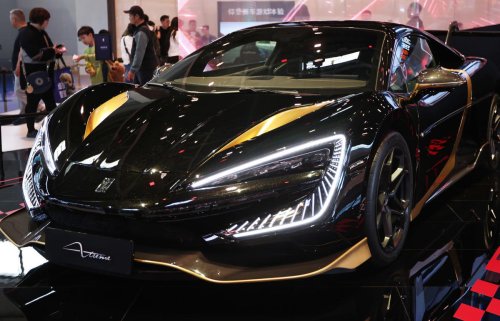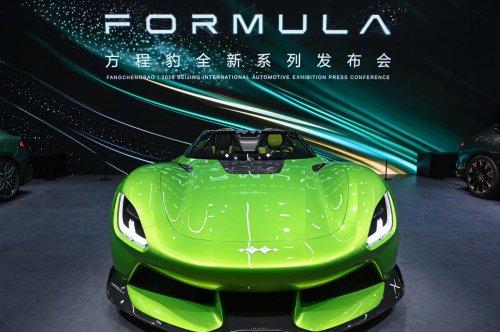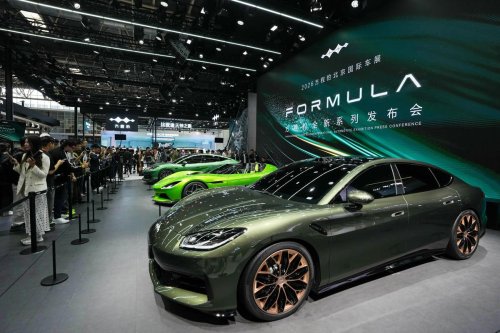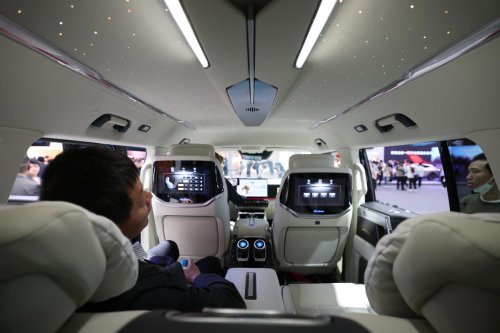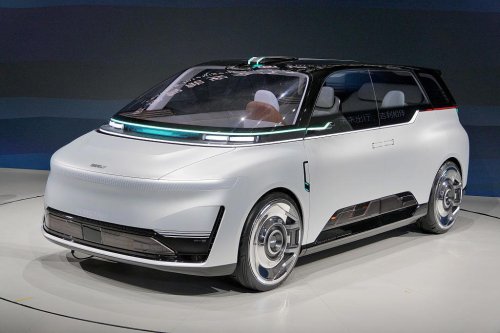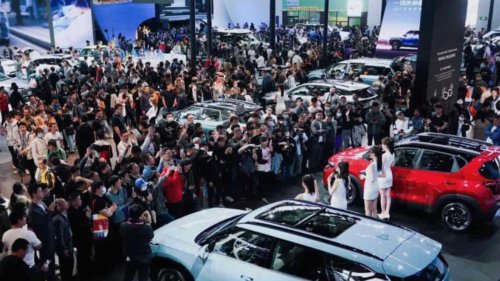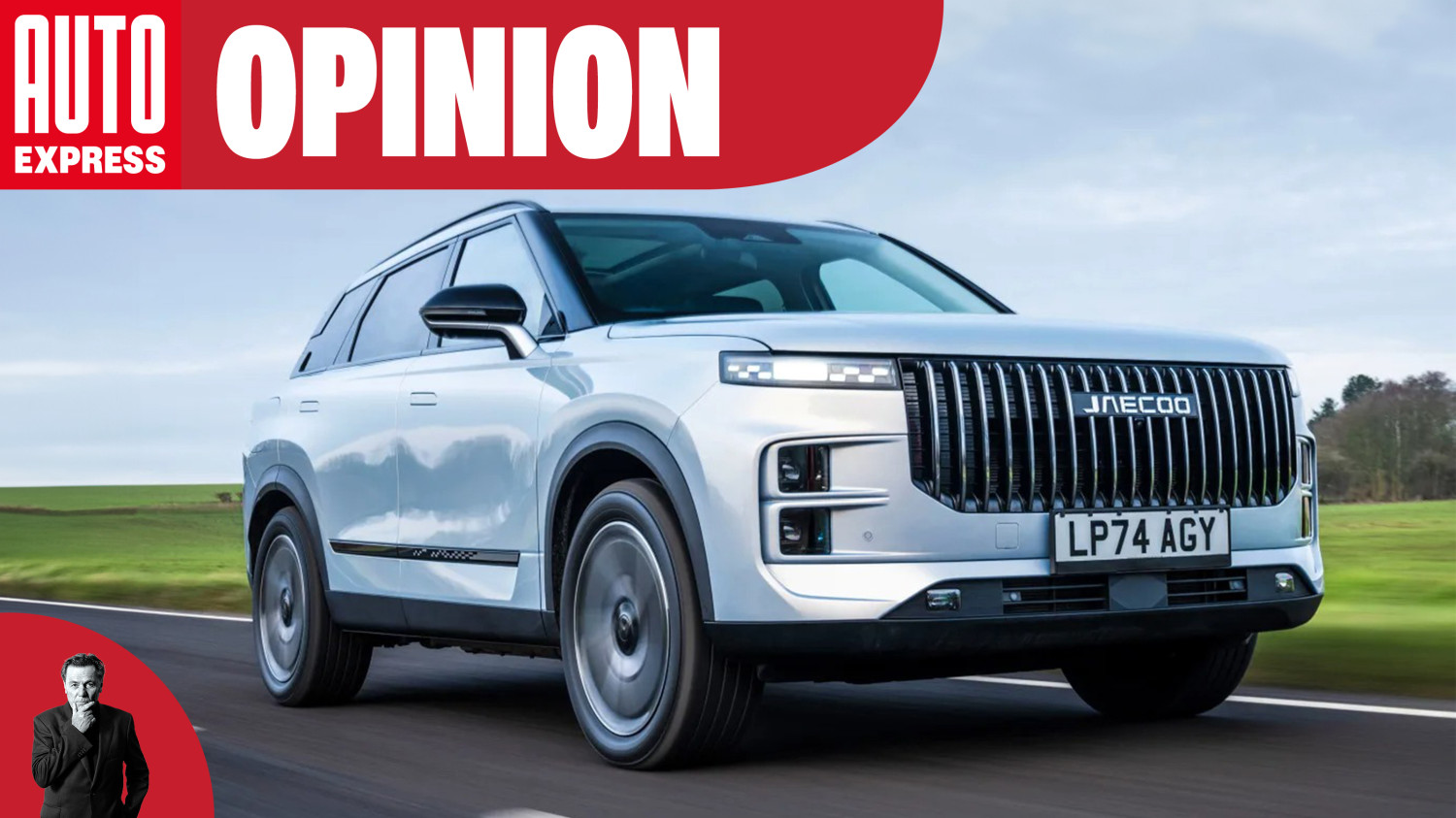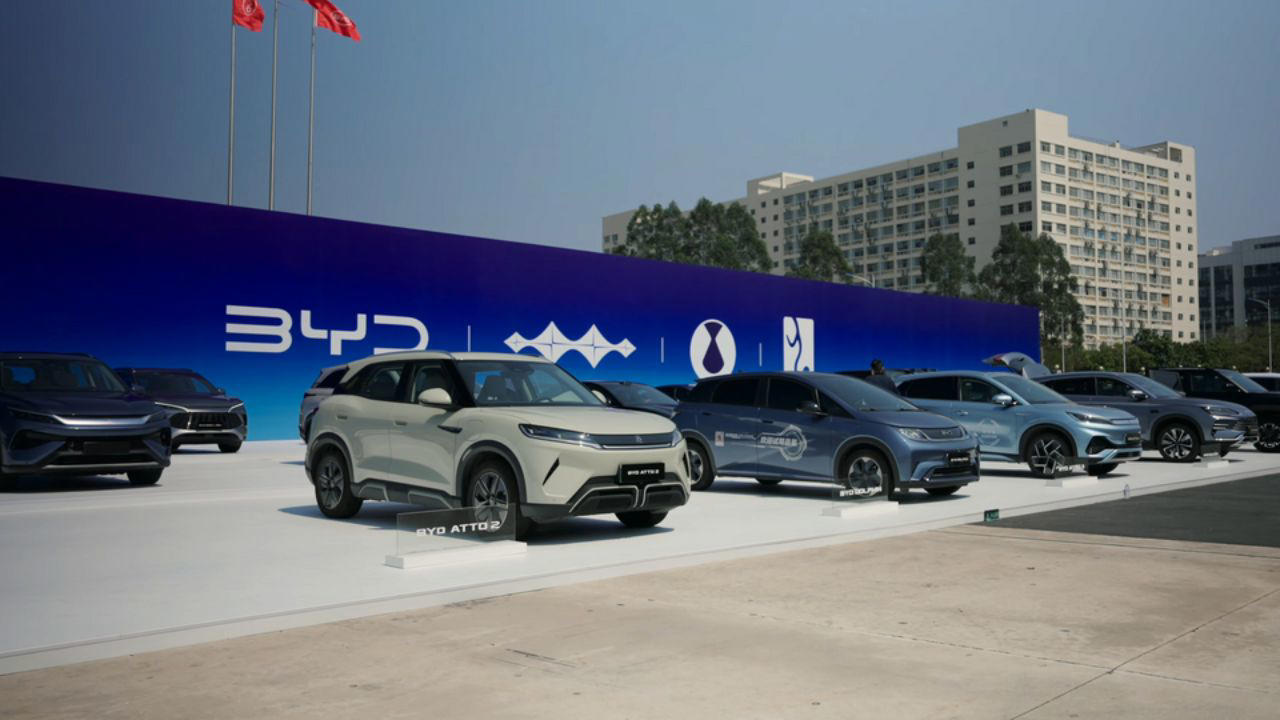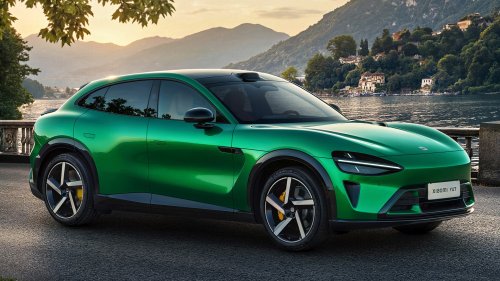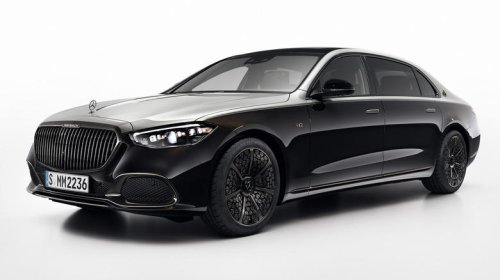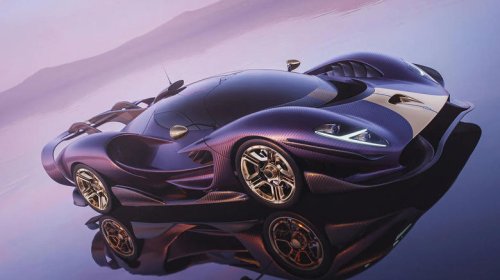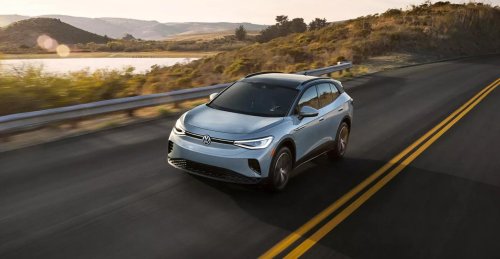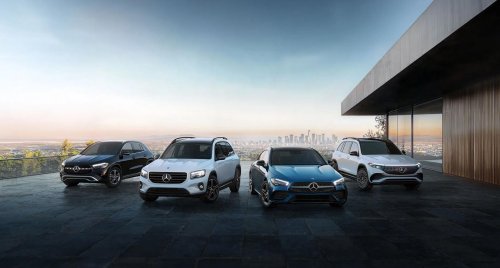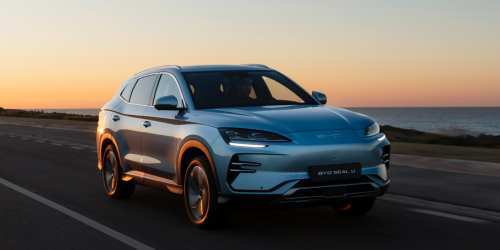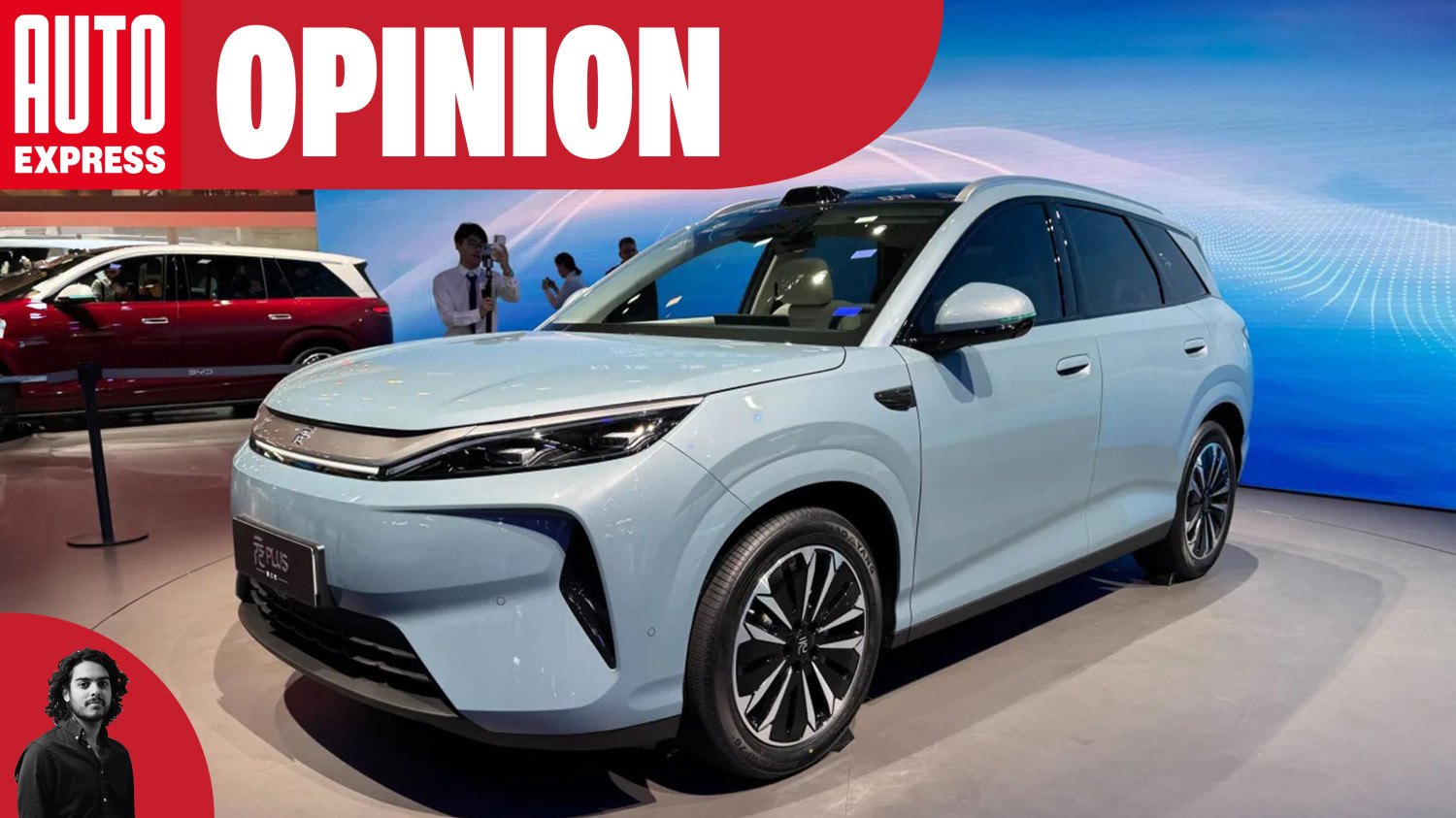



















I bet you’re constantly being told, whether by trusted experts such as ourselves, social media or even the 6pm news, that Chinese cars will be the death of the legacy brands as we know them. That due to heavy regulation, expensive labour and slow decision making, companies from Europe, Japan and even Korea could soon be on their last legs. China’s just too far ahead. Yet after seven days in China, one of which was spent meandering the colossal halls of the 2026 Auto Show, my take on things is a little different. Putting it simply, while Chinese brands will definitely have some appeal for mainstream car buyers from now on, all isn’t quite as one-sided as it might sound. For all the companies’ incredible speed and adaptability, there was still something lacking in almost every car on the glossy stands at the show. It wasn’t charging speed, screen size or connectivity. The problem was that almost nothing seemed authentic. But what is ‘authentic’? There’s a metaphor coming here, so bear with me, but the day before embarking in the Beijing metropolis, I climbed a portion of the Great Wall. This still-standing monument to human capability is obvious, but what struck me wasn’t just the scale or technological wonder, but that it showed in its bare stone the identity of a nation. The Great Wall could be nowhere but China, born out of a need to do a job, yes, but also to represent something. However, when I returned to the 21st century, I was then taken to a ‘modern’ development. Here, it wasn’t just Chinese history that was being remanufactured in fibreglass at four-fifths scale, but also the Colosseum, Venetian gondolas traversing a network of canals – many inside a shopping mall – and a sound stage beside a building that looked like the National Palace in Mexico City. All of this was very visually arresting, but there was also something incredibly off about it when seen through a western lens. Simply, there’s just no need for it. I couldn’t help having a similar feeling about a vast majority of the cars on the stands at the 2026 Auto Show. Chinese car brands might be done with the blatant copy-cat mentality that made us snigger 10 years ago, but there’s still a distinct lack of originality that makes everything seem a little… fake. Almost every new car has a similar face, a similar style, similar wheels, a similar interior. A few potentially had something a little different going on here or there, but none felt authentically Chinese in a way a Fiat feels authentically Italian, or a Citroen French. Admittedly, there are some exceptions to this rule and one or two brands did catch my eye: Avatr and Xiaomi, if you’re interested. But for now, while there will be some casualties among the European and Japanese mainstream due to the influx of inexpensive, attractive and well equipped Chinese cars, until China delivers one that truly offers a unique idea, rather than searching for gaps in the market, the vast majority of brands we know and love will survive. Am I being too romantic? Do buyers care about such things as legacy or authenticity? You can make up your own mind. If there’s one undoubted fact, it’s that many lessons still need to be learnt by the legacy manufacturers, and that complacency, over-regulation and some poor decision making has still made a considerable dent in the future success of many. But the first big choices have already been made and change is coming to those already under pressure in Europe and Japan. So while it might seem like the momentum’s firmly with our Chinese friends, the legacy brands are learning fast. And they’ll do so with authenticity at their very core.