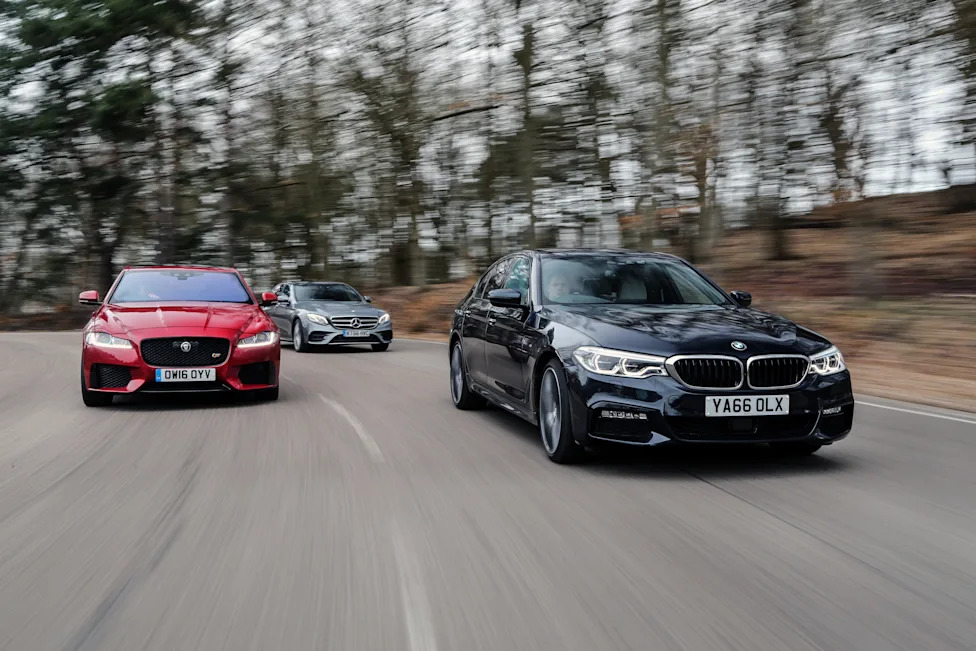
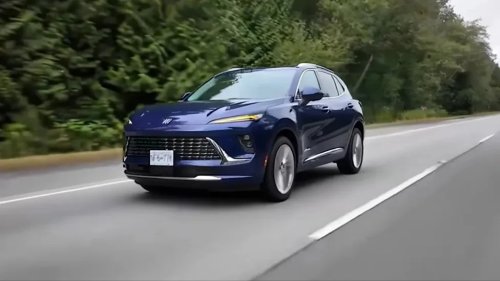
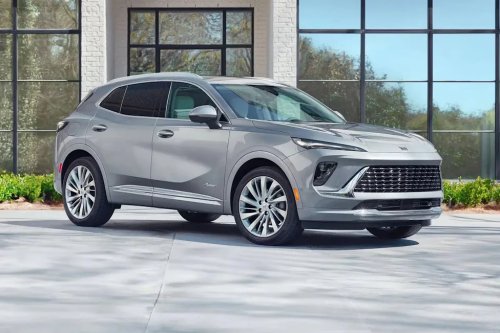
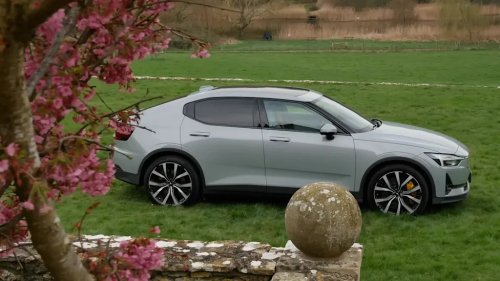
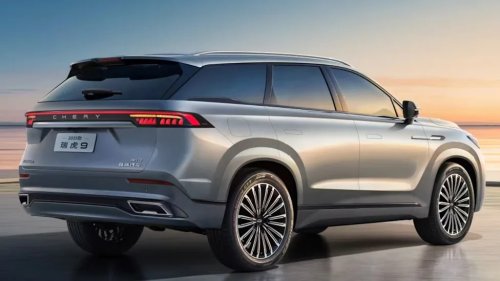
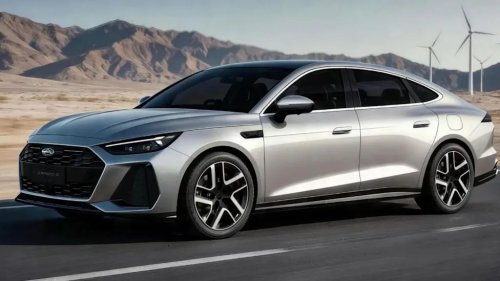
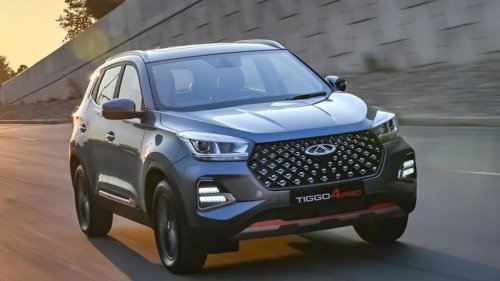
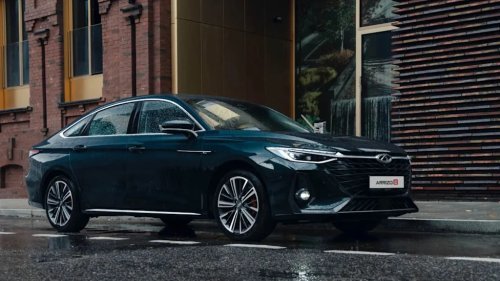
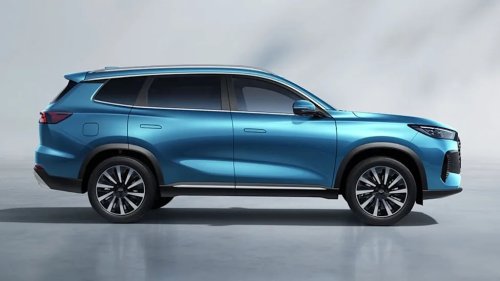
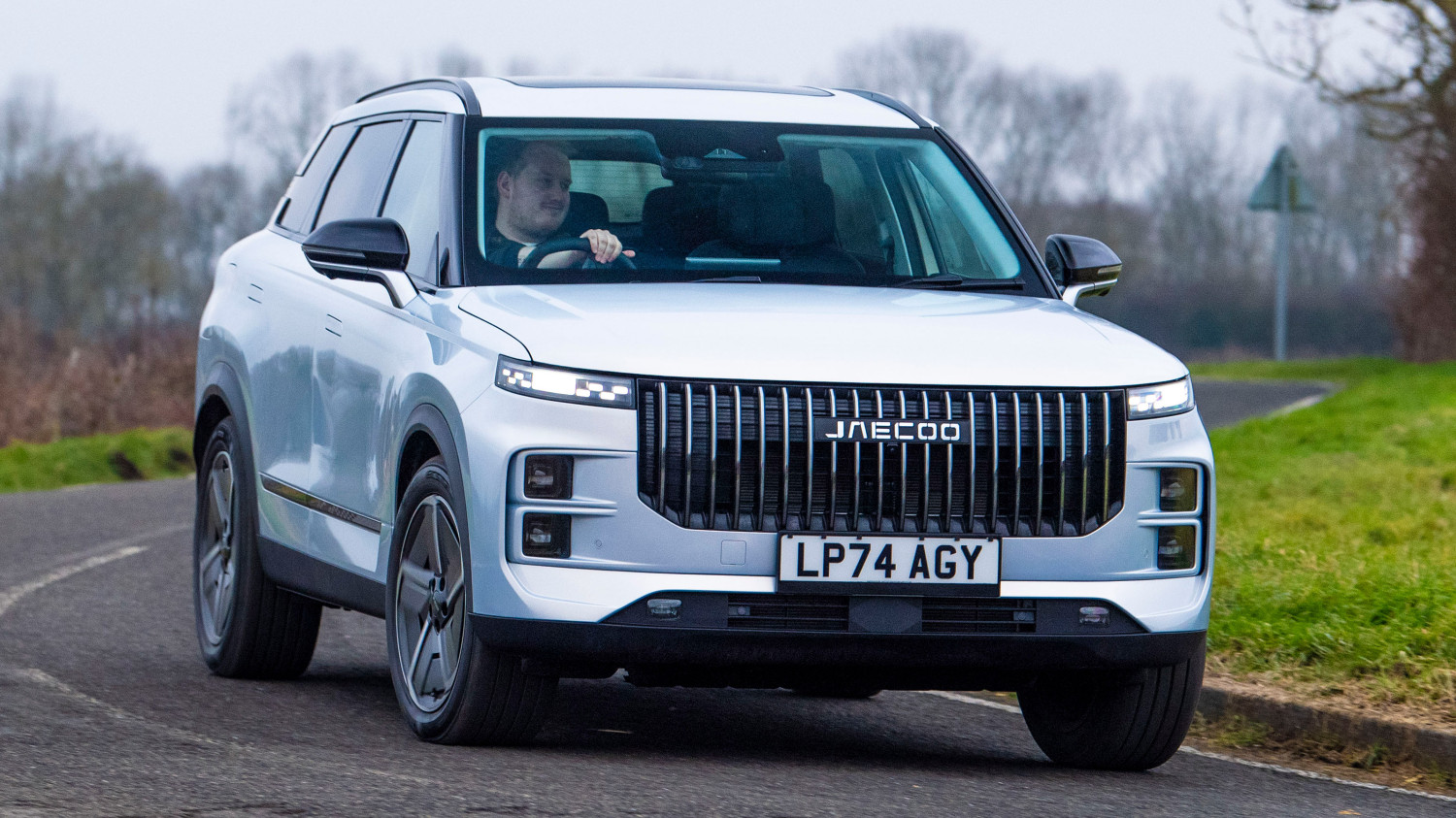
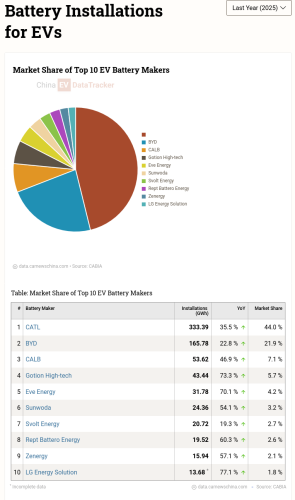
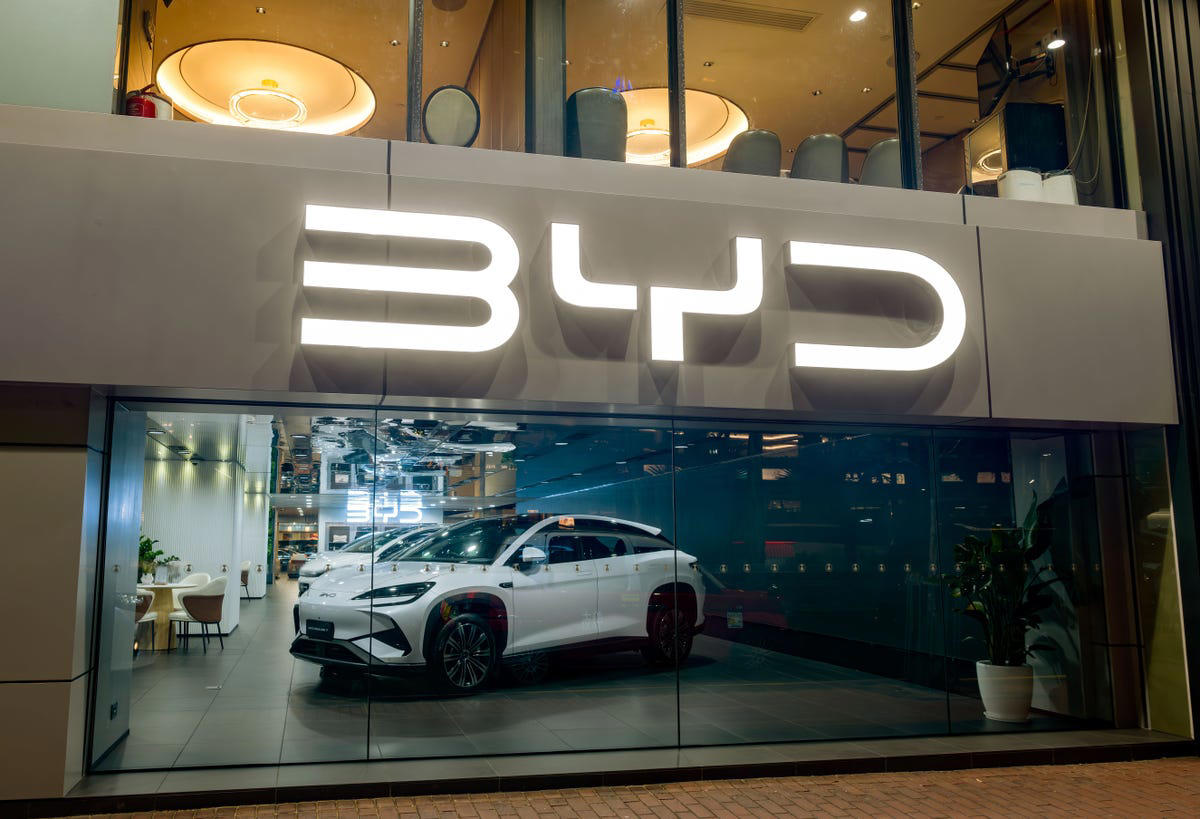
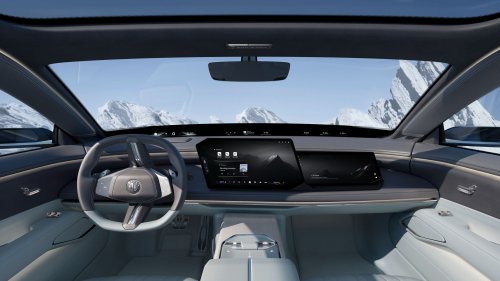
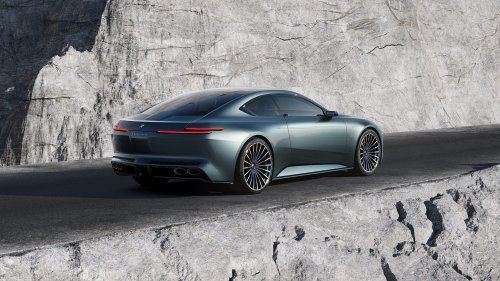
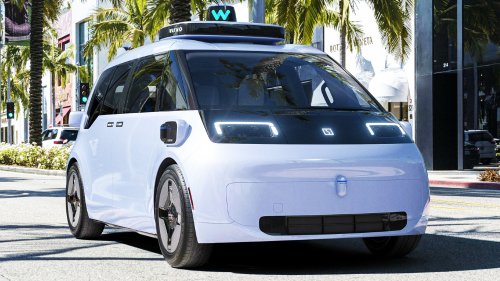
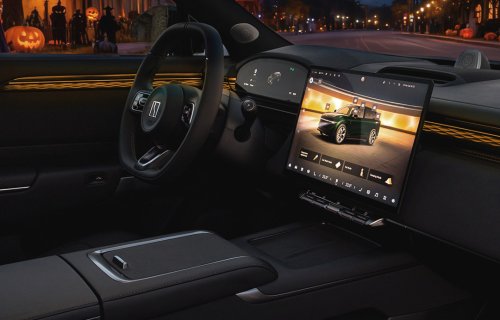
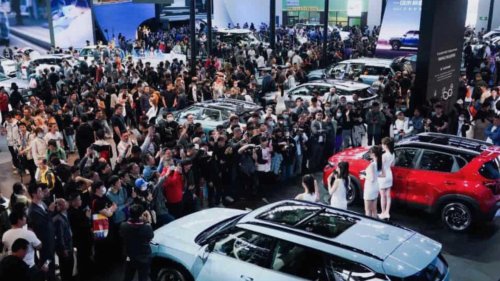
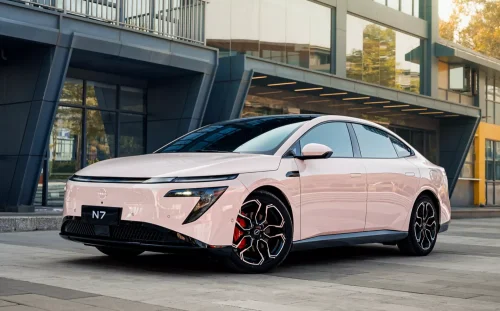
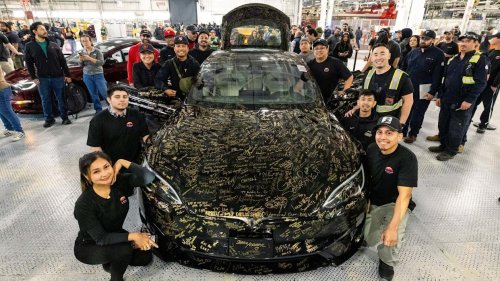
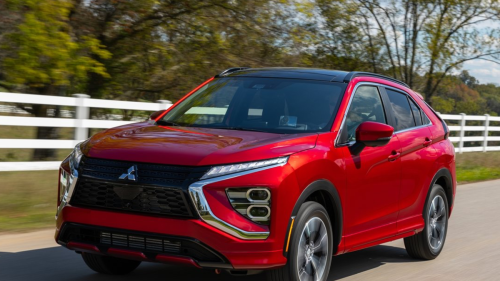
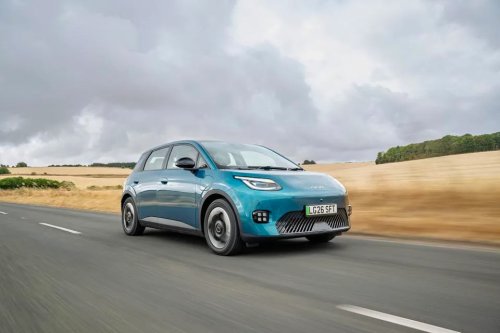
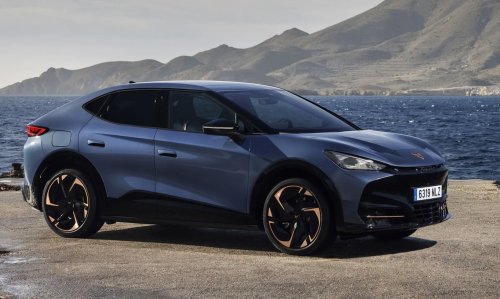
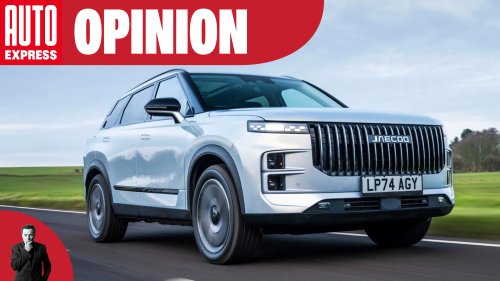
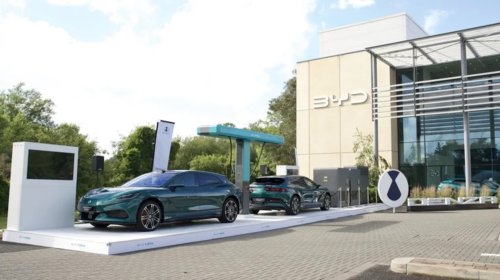
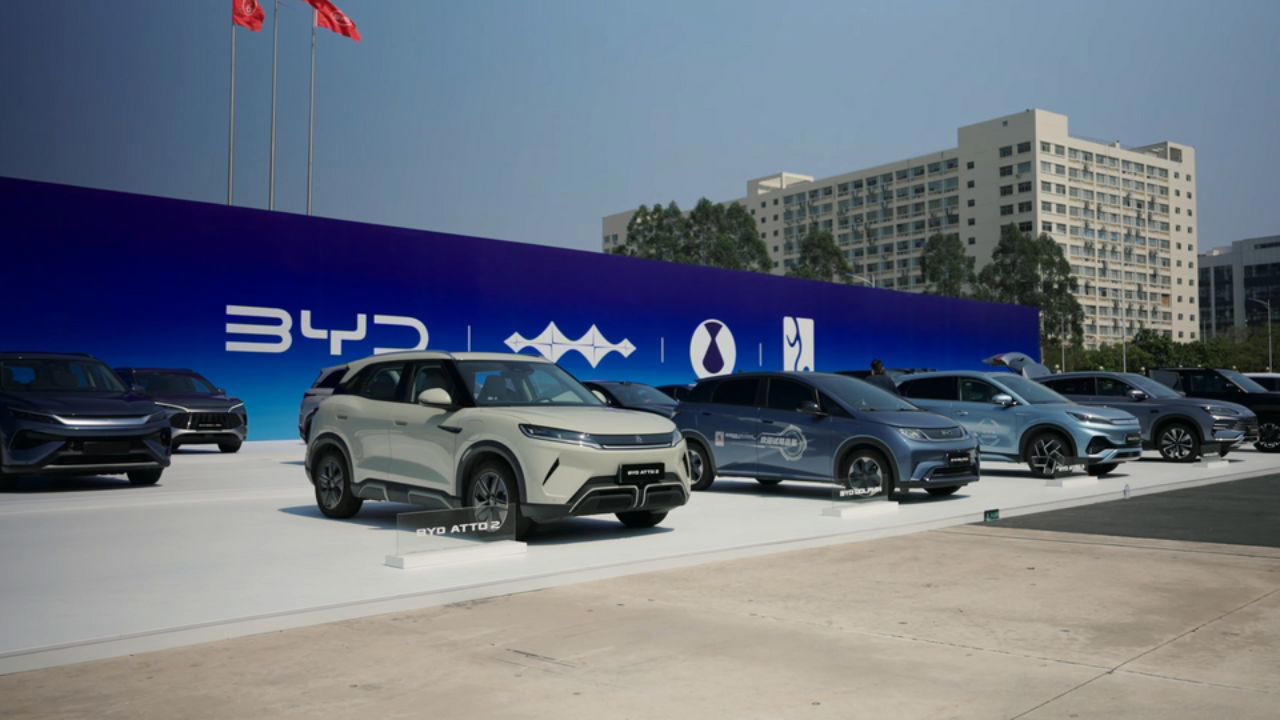
UK Buyers Embrace Chinese Cars as Brand Loyalty FadesBritish car buyers are quietly rewriting the rules of the showroom. As electric vehicles move from curiosity to mainstream choice, loyalty to familiar European and Japanese badges is giving way to a more hard‑nosed focus on price, tech and availability. That shift is opening the door to a wave of Chinese brands that only a few years ago had no presence in the United Kingdom at all. From MG crossovers to BYD hatchbacks and budget‑friendly saloons from manufacturers that most drivers had never heard of, Chinese-built models are starting to claim serious space on UK forecourts. The story is not only about imports but also about how the electric transition is breaking decades of brand habit and reshaping what British motorists value in a car. What happened The most striking change is in buyer mindset. Research into electric vehicle shoppers finds that a large share of prospective owners are now effectively brand agnostic, willing to switch away from long‑trusted marques if a rival offers better value or technology. One analysis of the sector reports that many EV customers will happily cross traditional segment and brand boundaries when a vehicle meets their expectations on range, charging speed and digital features, a pattern highlighted in work such as the EV buyers are study. This change in attitude has collided with an aggressive push by Chinese manufacturers into the UK market. MG, now owned by SAIC Motor, has already become a familiar sight on British roads with models such as the MG ZS EV and MG4. These cars undercut many rivals on price while offering competitive battery ranges and standard equipment that includes large touchscreens, advanced driver assistance systems and over‑the‑air software updates. In showrooms, that combination of affordability and tech‑heavy interiors has helped MG move from fringe brand to mainstream contender. Newcomers are following the same playbook. BYD has launched models aimed squarely at core UK segments, such as compact hatchbacks and family SUVs, with list prices pitched to compete with mid‑range petrol cars rather than premium electric flagships. Other Chinese manufacturers are entering through partnerships with established dealer groups, which provide nationwide sales and service coverage from day one. For buyers who might once have been wary of an unfamiliar badge, the presence of a trusted dealer network reduces perceived risk. Policy has nudged consumers toward these alternatives as well. The gradual tightening of emissions standards in major cities, the expansion of low‑emission zones and the scheduled phase‑out of new petrol and diesel car sales have all pushed more buyers to consider electric models earlier than they might have planned. When those buyers discover that a Chinese-built EV can be several thousand pounds cheaper than a similarly sized European rival, with shorter waiting times and generous finance offers, old loyalties start to look less rational. Traditional manufacturers have also left gaps that Chinese brands have been quick to exploit. Supply chain disruptions and battery shortages have limited production of some popular European and Japanese EVs, leading to long waiting lists and patchy stock. By contrast, several Chinese companies have been able to deliver vehicles more quickly, helped by vertically integrated supply chains and strong control over battery production. For fleet buyers in particular, the ability to secure large volumes of vehicles on predictable timelines has made Chinese models an attractive option. On the ground, the shift shows up in subtle but telling ways. Used car dealers report more customers turning up with shortlists that include MG, BYD or other Chinese brands alongside long‑standing favourites such as Ford, Volkswagen and Toyota. Online search data points to rising interest in specific Chinese models, with comparison sites showing growing cross‑shopping between these new entrants and established compact EVs like the Renault Zoe and Nissan Leaf. The conversation has moved from “Is this brand reliable?” to “What is the warranty, and how far will it go on a charge?” Why it matters The erosion of brand loyalty in the UK car market carries major implications for manufacturers, dealers and policymakers. For decades, many British households repeated the same purchase patterns: a Ford Fiesta replaced by another Ford, a Volkswagen Golf followed by the latest Golf or perhaps a step up to an Audi. Those habits gave incumbents a cushion against new competitors. Electric vehicles have disrupted that pattern by forcing buyers to reconsider core assumptions about what a car should do and how much it should cost to run. Chinese brands have entered at the moment when that cushion is thinnest. Their strategy leans heavily on value for money. A typical Chinese EV often combines a battery range that matches or exceeds mainstream European models with a lower purchase price and a long list of standard features. In a cost‑of‑living squeeze, the ability to cut both upfront and running costs is powerful. Lower electricity prices relative to petrol, combined with competitive finance deals and long warranties, make the ownership equation look attractive to households watching every bill. This shift matters for the domestic and European automotive industry because it challenges their traditional strengths. European manufacturers have long relied on brand equity, perceived quality and dealer relationships to justify higher prices. If a significant share of buyers no longer sees those attributes as worth the premium, the pricing power of established brands erodes. That pressure is already visible in discounting on some electric models and in the rush to launch lower‑cost EV platforms designed to close the gap with Chinese rivals. There are also industrial and geopolitical stakes. The growth of Chinese car sales in the UK raises questions about the balance between open competition and strategic dependence on foreign manufacturers. Policymakers must weigh the consumer benefits of cheaper EVs against concerns about domestic manufacturing jobs and control over critical technologies such as batteries and vehicle software. As more of the UK’s vehicle fleet becomes connected and software‑defined, questions about data handling and cybersecurity will likely move up the agenda. For dealers and service networks, the arrival of Chinese brands is both a threat and an opportunity. Some long‑standing dealerships tied to European manufacturers face pressure as margins tighten and inventories shift toward EVs that require less routine maintenance. At the same time, dealer groups that secure import and distribution rights for Chinese brands can gain new revenue streams and bargaining power. Their experience with local customer expectations, aftersales service and finance products is valuable to manufacturers that are still learning the UK market. Consumers stand to benefit in several ways, although the picture is not entirely one‑sided. Increased competition typically leads to better pricing, more generous equipment levels and faster innovation. The rapid rollout of features such as advanced driver assistance, large infotainment screens and smartphone‑style connectivity in relatively affordable Chinese models has already pushed rivals to respond. However, buyers also face new uncertainties around long‑term support, residual values and the availability of spare parts. A brand that is a rising star today could struggle tomorrow if regulatory conditions change or if it fails to maintain quality. The environmental dimension is equally significant. If cheaper Chinese EVs accelerate the replacement of older petrol and diesel cars, the UK could see faster reductions in tailpipe emissions and urban air pollution. That outcome would support national climate targets and local clean air policies. Yet the overall environmental impact depends on how these vehicles are produced, shipped and charged. The carbon footprint of battery manufacturing, the sourcing of critical minerals and the carbon intensity of the UK electricity grid all affect the true climate benefit of this shift. Brand loyalty fading in one product category often signals broader changes in consumer culture. The rise of subscription services, online shopping and comparison sites has trained people to treat brands as interchangeable, judged primarily on price, features and user reviews. Cars are now following the same pattern. Younger buyers in particular may attach less emotional weight to brand heritage and more to the seamless integration of a vehicle with their digital lives. That mindset plays to the strengths of manufacturers that design cars as connected devices first and mechanical objects second. What to watch next The next phase of this story will be shaped by policy decisions, trade dynamics and how quickly incumbent manufacturers can adapt. One key area to watch is regulation of imports and potential trade measures aimed at Chinese vehicles. Debates about whether Chinese EVs benefit from state subsidies, and how that affects competition, are already live in other markets. If similar questions gain traction in the UK, the result could be tariffs or other barriers that change the economics of these cars almost overnight. Another critical factor is how European and Japanese brands respond on pricing and product strategy. Several are developing dedicated low‑cost EV platforms intended to bring prices closer to Chinese rivals without sacrificing safety or quality. The success of those efforts will determine whether established players can retain share in the mass market or are pushed further upmarket while Chinese brands dominate entry‑level and mid‑range segments. Watch for signs such as simplified trim lines, fewer options and more standard equipment, all aimed at cutting production costs and streamlining sales. Battery technology and supply chains will also shape the competitive balance. Chinese manufacturers currently enjoy advantages in battery production scale and access to raw materials. If European initiatives to build large battery plants and secure alternative mineral supplies gain momentum, the cost gap could narrow. Conversely, if Chinese firms maintain or extend their lead in next‑generation battery chemistries, such as sodium‑ion or solid‑state designs, they may be able to offer even more compelling products in the UK. On the consumer side, residual values and used market performance will be an early test of whether the new brands have staying power. If Chinese EVs hold their value well, that will reassure buyers and finance companies, making it easier to offer competitive leasing and PCP deals. Weak resale values, on the other hand, would quickly show up in higher monthly payments and could dampen demand. The first large cohorts of Chinese EVs will start to hit the used market in significant numbers over the next few years, providing real‑world data rather than speculation. Software and aftersales support are another frontier. Many Chinese manufacturers position their cars as highly connected products that improve over time through updates. UK buyers will be watching to see how frequently those updates arrive, how well they work and how responsive companies are to local feedback. Service networks will need to demonstrate that they can handle repairs, recalls and warranty claims efficiently. Any gap between promise and delivery in these areas could quickly erode trust in newer brands. Public perception and media coverage will continue to evolve. Early adopters of Chinese EVs are already sharing experiences on social media, forums and video channels, influencing the next wave of buyers. Positive stories about reliability, running costs and customer service will reinforce the idea that brand history matters less than current performance. High‑profile failures or safety concerns would have the opposite effect, not just for one brand but potentially for the broader group of Chinese manufacturers in the UK. More from Fast Lane Only Unboxing the WWII Jeep in a Crate 15 rare Chevys collectors are quietly buying 10 underrated V8s still worth hunting down Police notice this before you even roll window down



















 +19 others