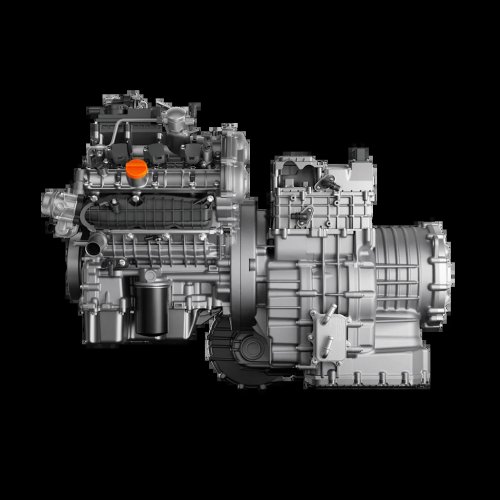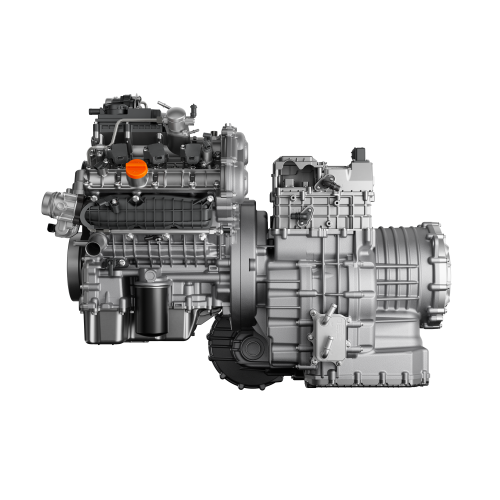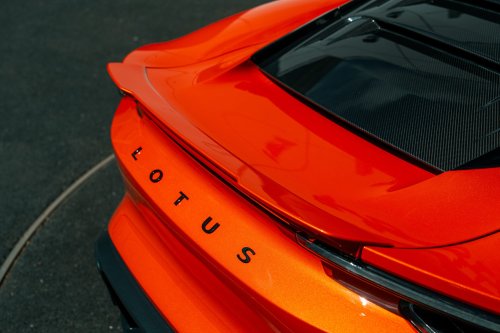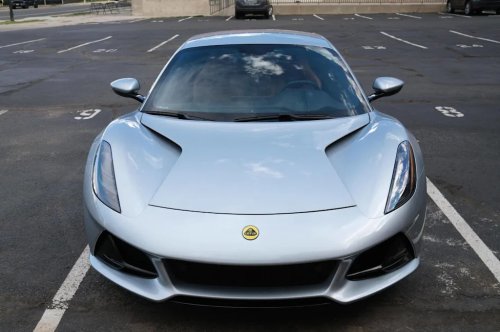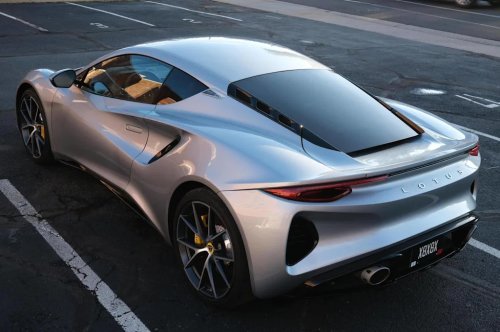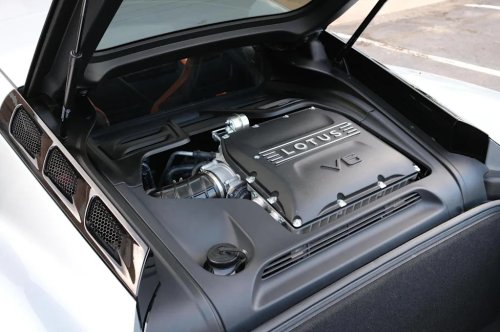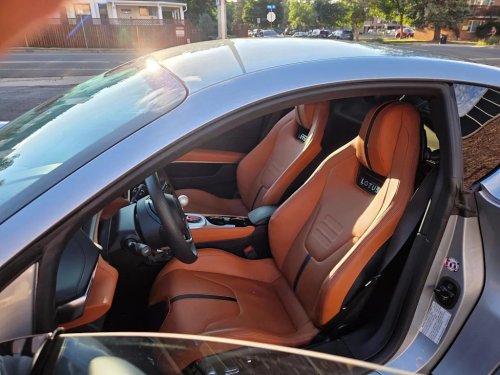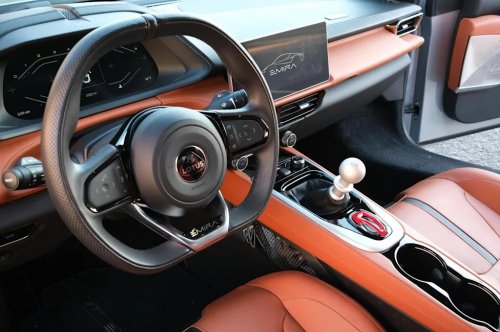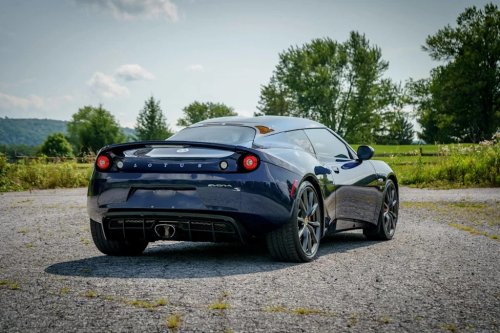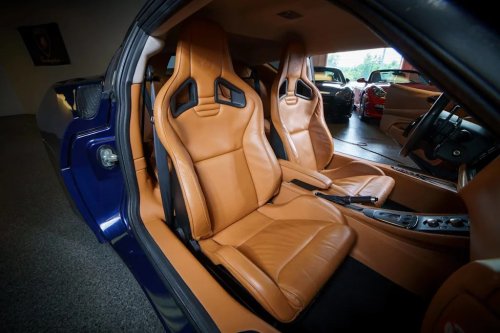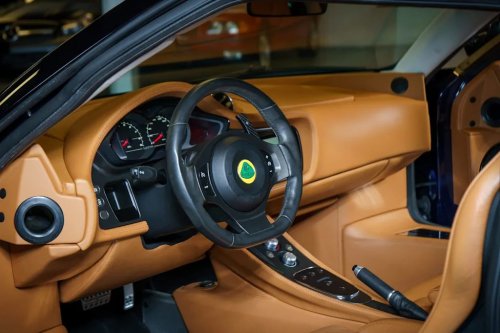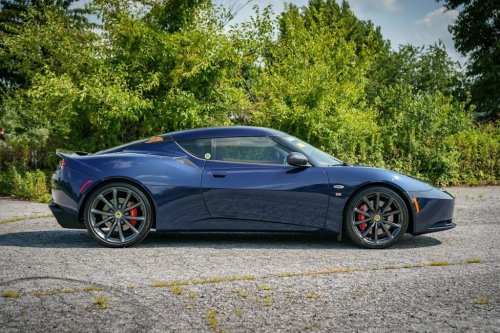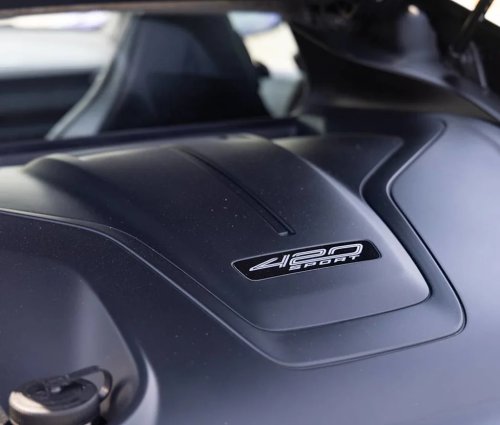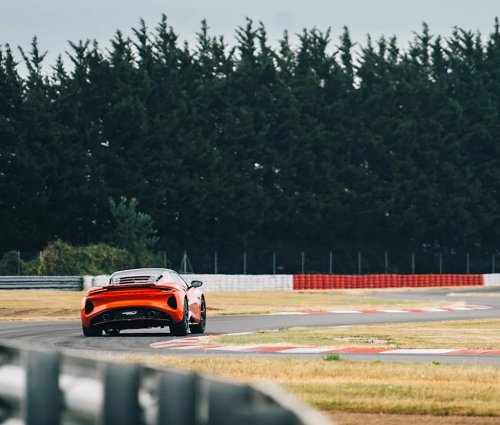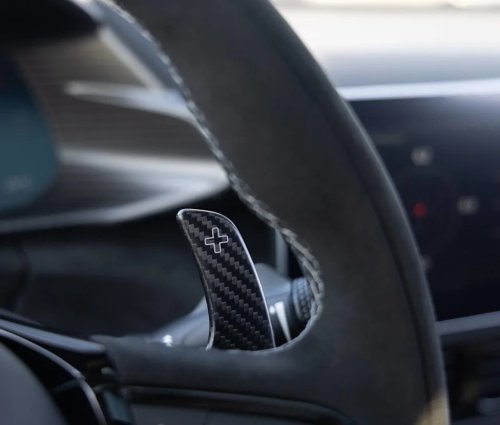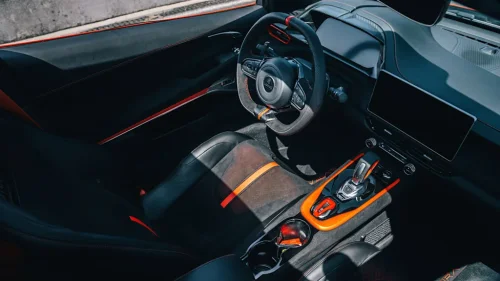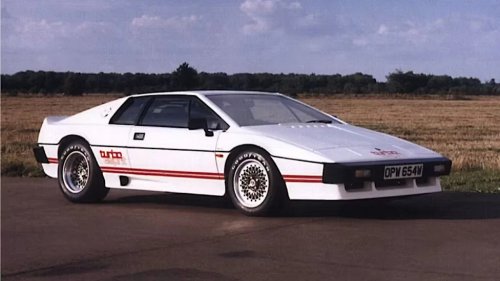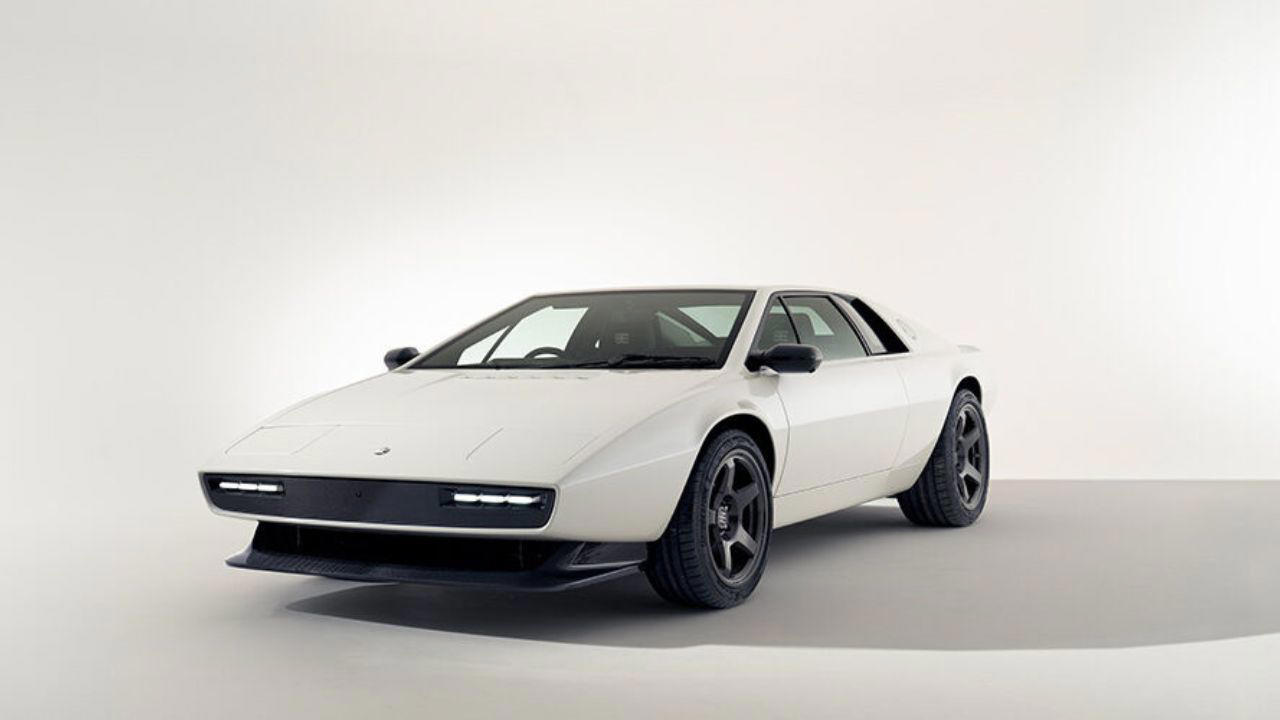



















The Lotus Esprit is coming back, not as a factory reboot but as a meticulously reimagined restomod that costs more than many new supercars. A company called Encor is turning original Esprit shells into hand-built specials with modern performance, a price tag of about 569,000 dollars, and production capped at just 50 cars. The result is a machine that looks like a time capsule from the 1970s yet promises the speed, comfort, and reliability expected of a modern exotic. The project, known as the Encor Series 1, taps into deep nostalgia for one of Lotus’s most iconic shapes while testing how far the booming restomod market can stretch the value of a classic chassis. For collectors and enthusiasts, it raises a pointed question: what is the right way to bring a legend back to life in an era of electrification and SUVs? What happened Encor has announced the Series 1 as a limited run of 50 cars, each based on an original Lotus Esprit body that is stripped down, restored, and rebuilt to a far higher standard than when it left Hethel. The company focuses on the early Giugiaro-designed cars, the sharp-edged “folded paper” Esprit that defined the model in the 1970s and early 1980s, and turns them into modernized machines with a heavily reworked V8, updated chassis, and bespoke interior. According to project details, the target price is around 569,000 dollars before options, positioning the car squarely in rarefied supercar territory. Rather than starting from scratch, Encor sources donor Esprit shells, then carries out an extensive restoration and modification program. The company retains the iconic wedge profile and proportions but reworks the body with new composite panels, tighter shut lines, and subtle aero tweaks that preserve the original look. The idea is to make the car appear stock at first glance, then reveal the depth of the engineering changes on closer inspection. Reports on the Series 1 specification describe a car that is visually faithful to Giorgetto Giugiaro’s design while being built to modern coachbuilt standards. Under the engine cover, Encor fits a reengineered V8 that delivers about 400 horsepower, a significant jump over the original four-cylinder Esprit and even over the later factory V8. The engine is paired with a modernized transmission and revised gearing to make better use of the extra power. According to early technical breakdowns of the 400 hp V8, the powertrain is designed to offer both stronger acceleration and improved drivability at lower speeds, with attention paid to cooling, lubrication, and noise levels that often challenged the original cars. The chassis receives equally comprehensive attention. Encor replaces or reinforces major structural components, reworks suspension geometry, and fits modern dampers and bushings to tame the Esprit’s famously edgy handling. Braking is upgraded with larger discs and contemporary calipers, and the car rides on new wheels that mimic the classic designs while accommodating modern performance tires. These changes aim to transform the Esprit from a charismatic but sometimes fragile classic into a car that can be driven hard on modern roads without constant mechanical anxiety. Inside, the Series 1 abandons the brittle plastics and period switchgear of the original in favor of a bespoke cabin that still respects the original layout. The dashboard and door cards echo Giugiaro’s angular forms, but materials are upgraded to high-grade leather, Alcantara, and metal hardware. Reports on the interior rework describe integrated modern conveniences such as climate control and discreet infotainment, along with improved seating and ergonomics. The goal is to maintain the feel of a classic cockpit while eliminating the squeaks, rattles, and ergonomic compromises that came with 1970s production standards. Encor has also been testing and showcasing the mechanical package in development cars. One report details how the rebuilt V8 fired in an early prototype, highlighting the extent of the engineering work and the emotional pull of hearing a heavily reworked engine come to life in a chassis that first appeared half a century ago. These early tests serve both as engineering validation and as marketing for a project that depends on convincing buyers that a restomod Esprit can justify a price usually associated with new Ferraris and Lamborghinis. Production plans call for only 50 examples of the Series 1, each tailored to its buyer. The limited run is part practical, given the supply of suitable donor cars and the labor-intensive nature of the work, and part strategic. By keeping numbers low, the company aims to create a sense of exclusivity that supports the high price and appeals to collectors who value rarity as much as performance. Why it matters The Encor Series 1 arrives at a moment when restomods have shifted from niche passion projects to a significant segment of the high-end car market. Companies that reimagine classic Porsche 911s, Land Rover Defenders, and Ford Broncos have demonstrated that collectors will pay supercar-level money for old shapes with new engineering. The Esprit project extends that logic to a British icon that has rarely commanded the same market heat as air-cooled 911s, and it tests whether a carefully executed build can reposition the model in the eyes of wealthy enthusiasts. Lotus itself has moved on from the Esprit, focusing on cars like the Emira and the electric Evija, and there is no factory-built modern Esprit on the horizon. That leaves room for independent outfits such as Encor to occupy the emotional space the original car once held. By taking original Esprit shells and rebuilding them to a standard that far exceeds the factory’s capabilities of the 1970s and 1990s, Encor effectively creates a parallel lineage, one that imagines what a modern Esprit might be if Lotus had continued to evolve the concept with internal combustion power. The price is central to the story. At about 569,000 dollars before options, the Series 1 costs more than many new mid-engine supercars and competes with low-volume exotics and coachbuilt specials. That figure reflects not only the cost of materials and labor but also the value of design heritage. The Esprit’s silhouette, made famous in films and on posters, carries cultural weight that is hard to replicate with a clean-sheet design. Encor is betting that buyers will pay a premium to own a piece of that history, especially when it is wrapped in modern performance and reliability. The project also highlights a broader trend in how enthusiasts engage with classic cars. Original, unrestored examples of icons such as the Esprit have long been prized for authenticity, even when that meant living with outdated performance and fragile components. Restomods like the Series 1 argue for a different kind of authenticity, one that respects the original design and character but is not constrained by period-correct hardware. For some collectors, a car that looks like a 1970s Esprit yet accelerates, steers, and stops like a modern sports car is more desirable than a museum-grade original that spends most of its life on a trickle charger. At the same time, the Encor build raises questions about originality and preservation. Each Series 1 starts life as an actual Esprit, which is then heavily modified. Purists may see that as a loss of historical integrity, especially for rarer variants, while others will argue that restomods keep cars on the road that might otherwise decay beyond saving. The limited run of 50 cars suggests that Encor is targeting a small slice of the Esprit population, but the philosophical debate about how far one should go in reworking a classic is unlikely to fade. There is also an environmental angle, although the Series 1 is not an electric conversion. In a market where many new performance cars are moving toward hybrid or fully electric powertrains, Encor is doubling down on a relatively compact, high-output combustion engine in a lightweight chassis. That choice appeals to enthusiasts who still value the sound, response, and mechanical engagement of a traditional powertrain. At the same time, by reusing existing chassis and bodies, the project taps into a different notion of sustainability, one based on extending the life of existing material rather than building entirely new cars from scratch. From a design perspective, the Series 1 underscores how enduring Giugiaro’s original Esprit shape remains. The car’s sharp angles and low, cab-forward stance still look futuristic in an era dominated by bulky crossovers. By keeping the exterior changes subtle, Encor acknowledges that the original design does not need reinvention, only refinement. That approach contrasts with some restomods that significantly alter the proportions or styling of their donor cars and will likely appeal to buyers who want a car that is instantly recognizable as an Esprit. The project also feeds into a broader cultural fascination with analog driving experiences. In a world of advanced driver-assistance systems and digital interfaces, the idea of a hand-built, mid-engine sports car with a relatively simple cabin and a focus on driver involvement carries strong emotional appeal. Reports on the driving intent behind the Series 1 emphasize that the car is designed to be driven, not just displayed, with suspension tuning and power delivery aimed at rewarding skilled drivers on both road and track. The fact that an independent company is willing to invest in such an ambitious project also reflects confidence in the high-end collector market. Buyers who consider a 569,000 dollar restomod are typically individuals with multiple cars and a strong interest in automotive history. For them, the Series 1 offers a way to stand apart from the usual roster of new supercars. It becomes a statement piece that signals both taste for classic design and appreciation for modern engineering. What to watch next The next key question is how quickly Encor can convert interest into firm orders and move from prototypes to customer cars. With only 50 units planned, the Series 1 does not need a large buyer pool, but it does need a highly committed one. Early coverage of the Series 1 rollout suggests strong curiosity from enthusiasts, yet the real test will be whether collectors are willing to allocate supercar-level budgets to a reimagined Lotus rather than a new model from established marques. Performance figures will also be closely watched. Encor has targeted around 400 horsepower, but acceleration, top speed, and lap time data will shape perceptions of the car’s value. If the Series 1 can match or beat modern sports cars in real-world performance while delivering a more visceral driving experience, it will strengthen the case for high-dollar restomods. If it falls short of expectations, critics may question whether the emotional appeal of the Esprit shape is enough to justify the cost. Reliability and usability will be another area of scrutiny. One of the main selling points of restomods is the promise of modern dependability wrapped in classic style. Owners will expect the Series 1 to start on the first turn of the key, handle long drives without drama, and require maintenance schedules closer to contemporary sports cars than to fragile classics. Reports that the engineering focus includes cooling, electrical robustness, and corrosion protection indicate that Encor is aware of these expectations, but only time and miles will confirm whether the car delivers. More from Fast Lane Only Unboxing the WWII Jeep in a Crate 15 rare Chevys collectors are quietly buying 10 underrated V8s still worth hunting down Police notice this before you even roll window down