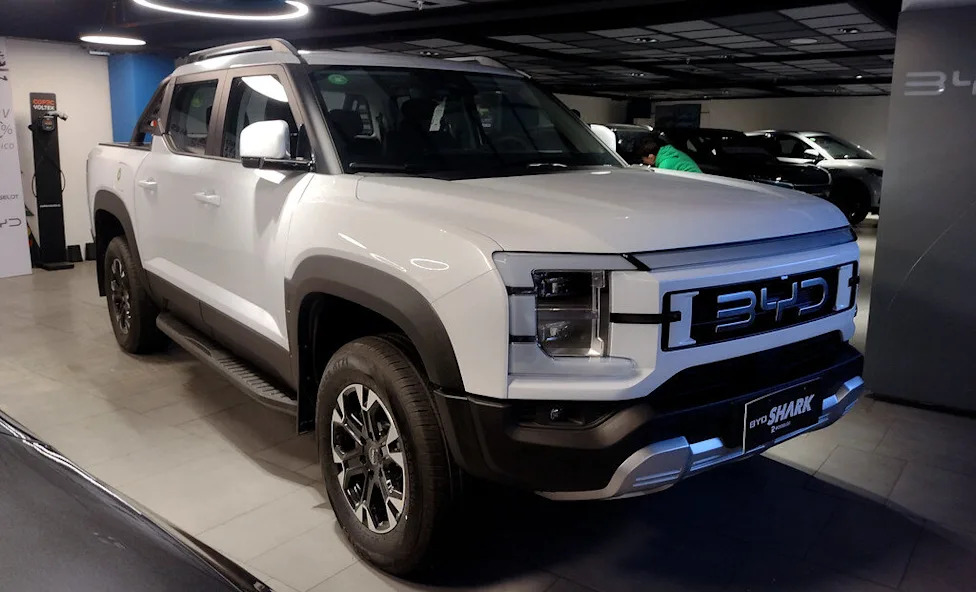
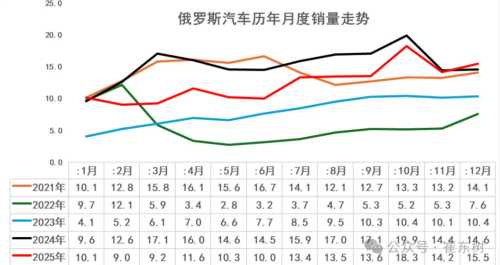
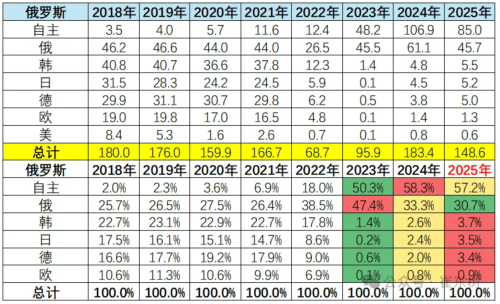
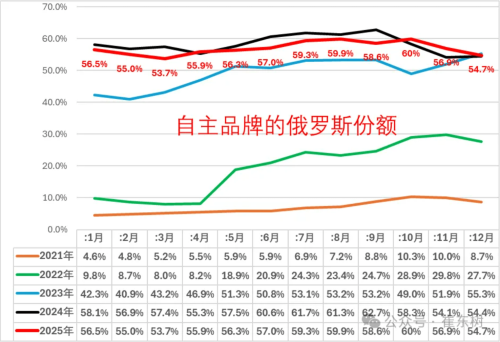
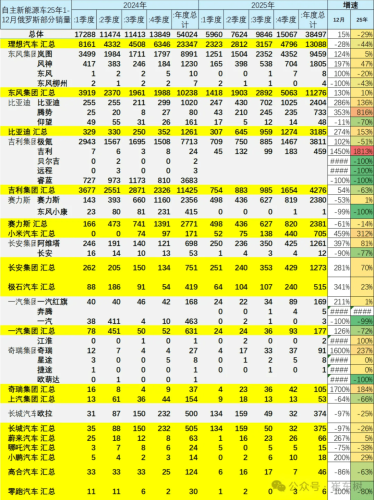
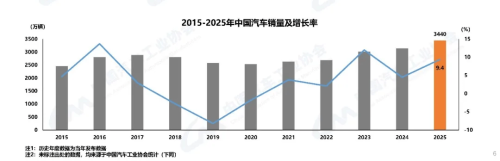
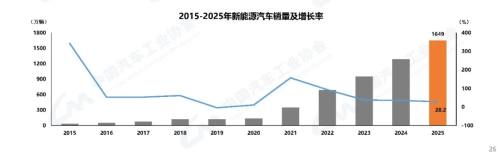
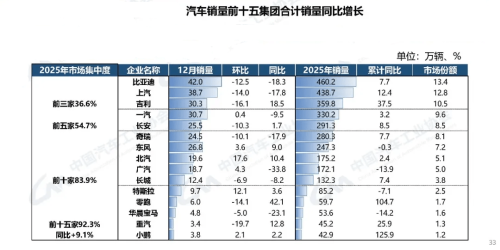
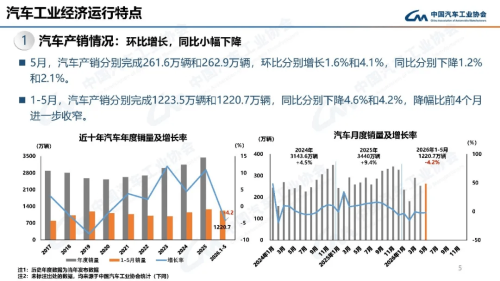
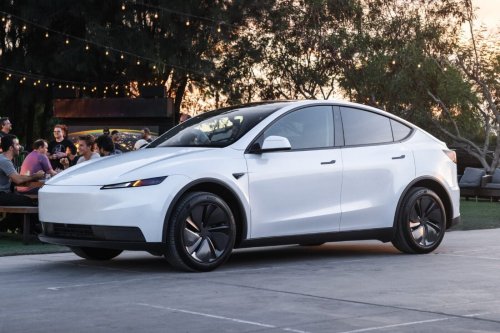
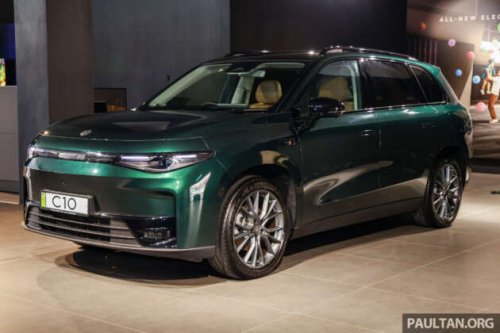
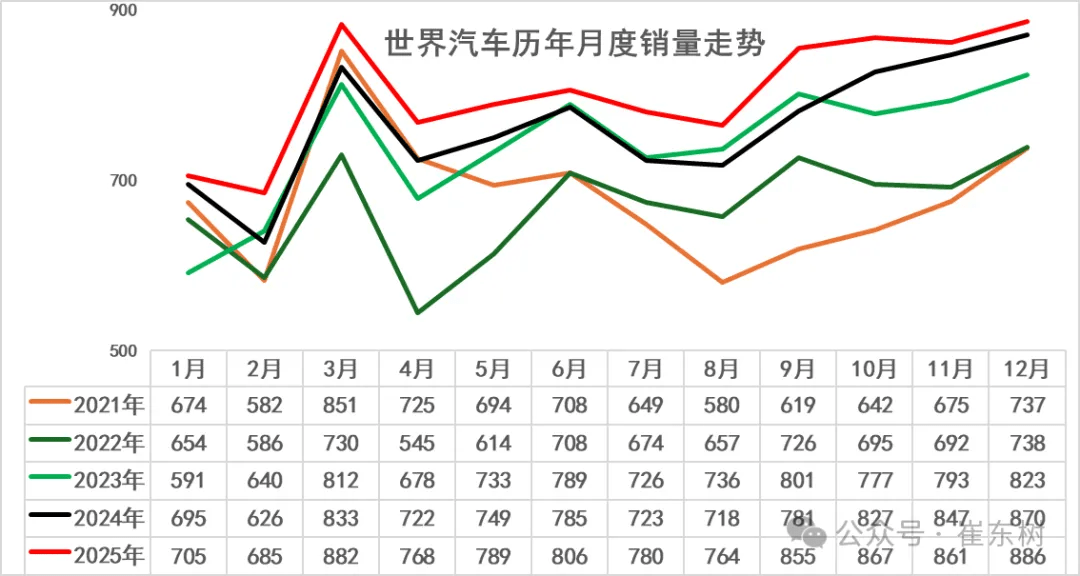
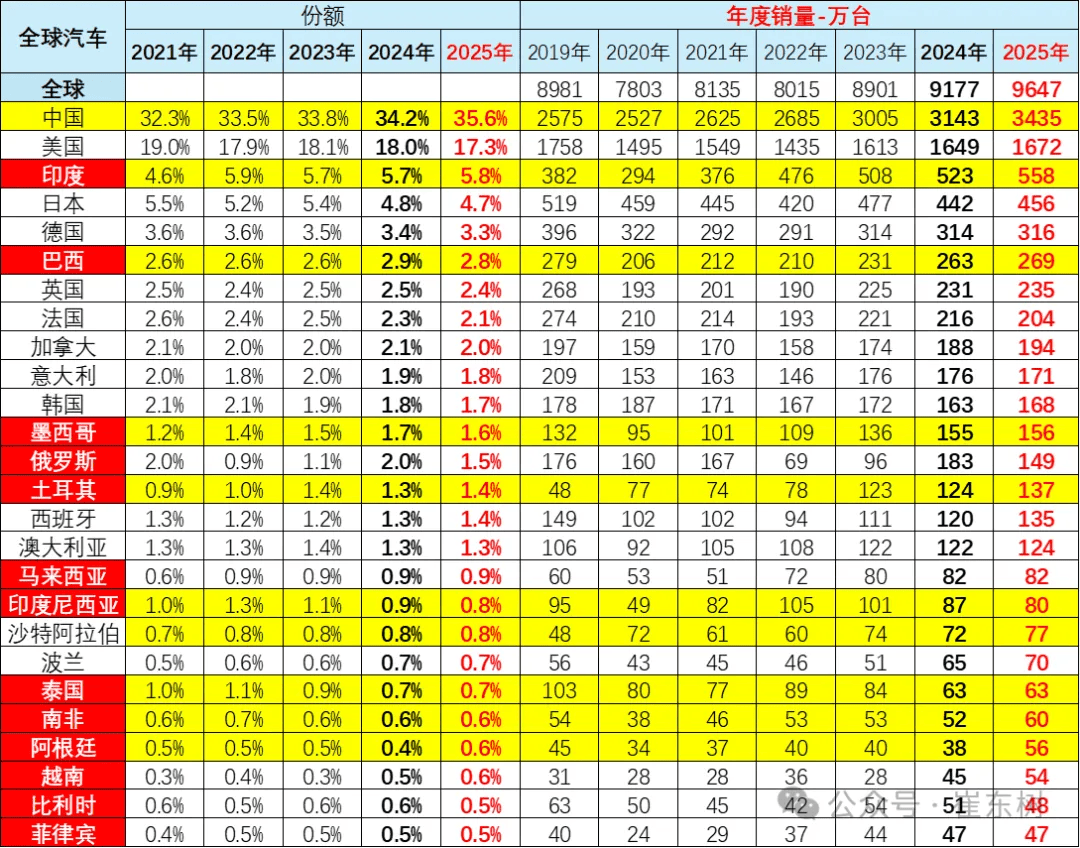
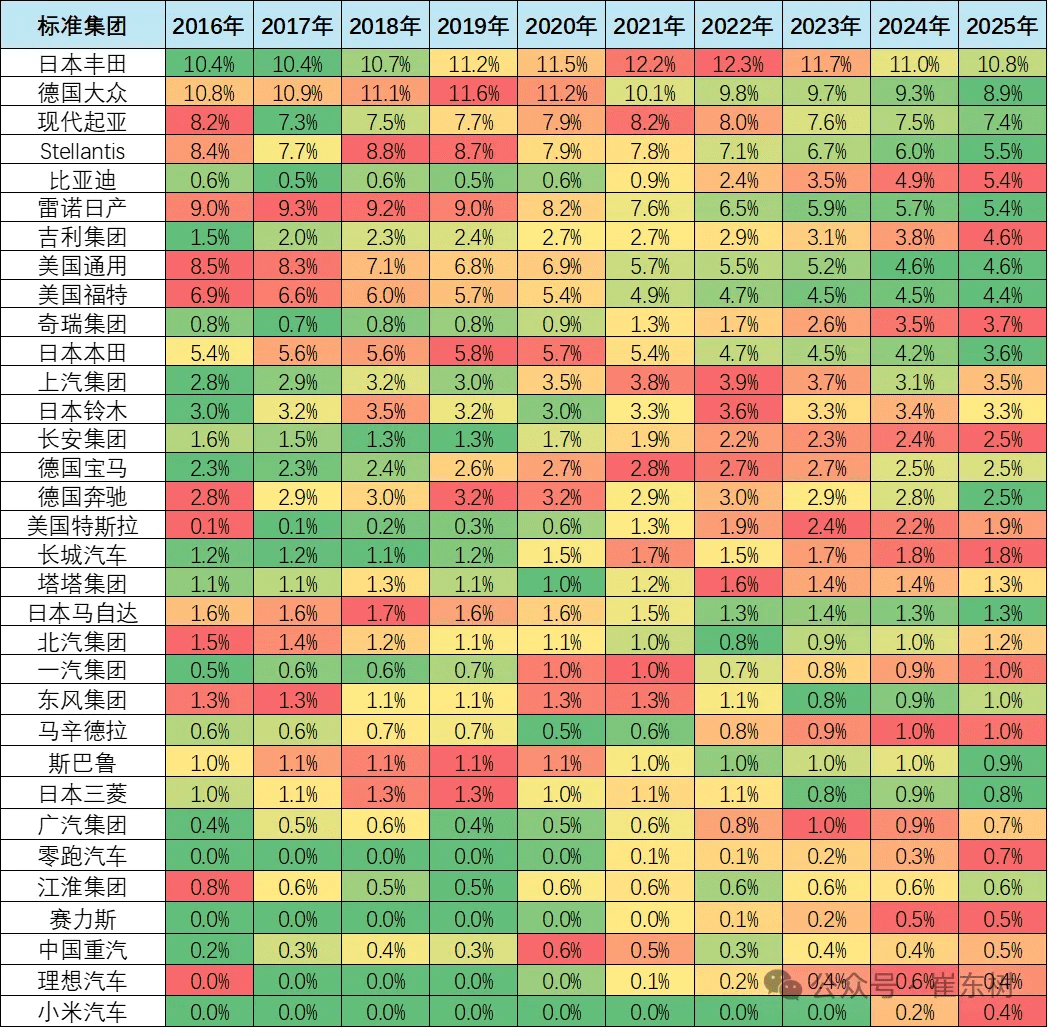
China sold 34.35 million vehicles in 2025, widening its lead over the U.S., India, and Japan. According to the latest data released by Cui Dongshu, secretary general of the China Passenger Car Association, global vehicle sales reached 8.86 million units in December 2025, up 2% year on year and 3% month on month. Growth momentum slowed toward the end of the year, partly due to a temporary deceleration in the Chinese and U.S. markets. Global auto sales trends for the years 2021 to 2025 For the full year 2025, global automobile sales totaled 96.47 million units, representing a 5% year-on-year increase. Among major markets, China remained the primary driver of global growth. China’s annual vehicle sales reached 34.35 million units, up 9% year on year, accounting for 35.6% of global volume—an increase of 1.4 percentage points from the previous year. This share was significantly higher than that of the United States at 17.3%, India at 5.8%, and Japan at 4.8%. Global auto sales and market shares for the years 2021 to 2025 From a regional perspective, developed markets in Europe and North America remained relatively stable, with consumer purchasing power continuing to underpin demand. Russia, which had previously shown signs of recovery, experienced a notable downturn in 2025, with its global market share falling to 1.5%. At the automaker level, three Chinese manufacturers recorded the strongest gains among the global top ten. BYD rose to fifth place worldwide with a 5.4% market share, Geely ranked seventh with 4.6%, and Chery placed tenth with 3.7%. Global auto market share data by company from 2016 to 2025 Meanwhile, SAIC Motor, Changan, Great Wall Motor, FAW Group, Leapmotor, Seres Group, and Xiaomi Auto all posted broadly steady upward trends. Li Auto, however, saw its global market share edge down by 0.2 percentage points year on year. Overall, Asian automakers delivered a solid performance in 2025. Toyota Motor Group maintained its position as the world’s largest automaker with a 10.8% market share, supported by stable sales in Europe and North America. Hyundai Motor and Suzuki also recorded relatively steady results. In contrast, several European and U.S. automakers faced mounting pressure on global share. Volkswagen Group slipped to 8.9%, while Stellantis, the Renault–Nissan alliance, and Tesla fell to 5.5%, 5.4%, and 1.9%, respectively.



















 +21 others