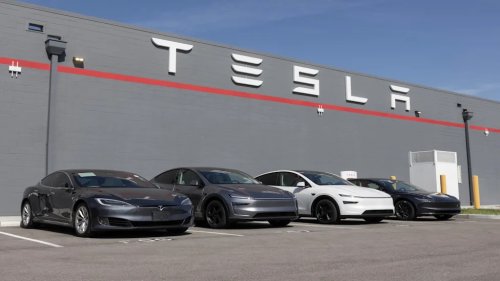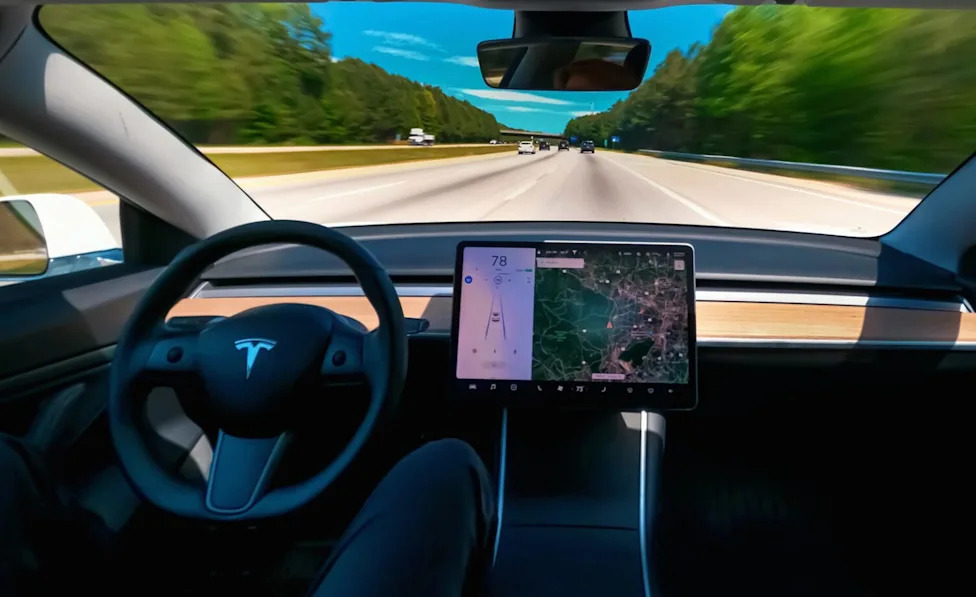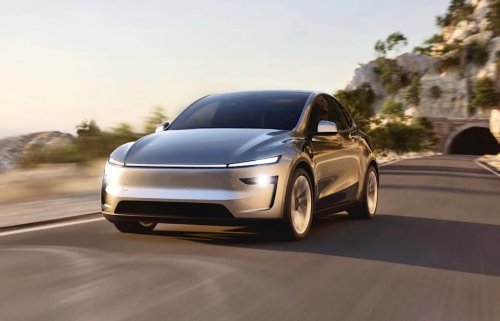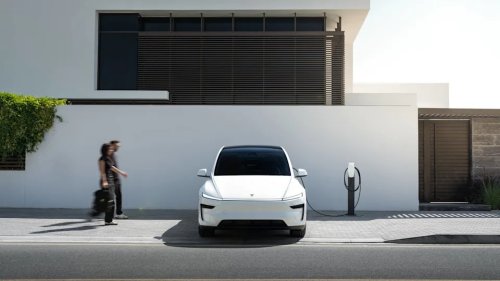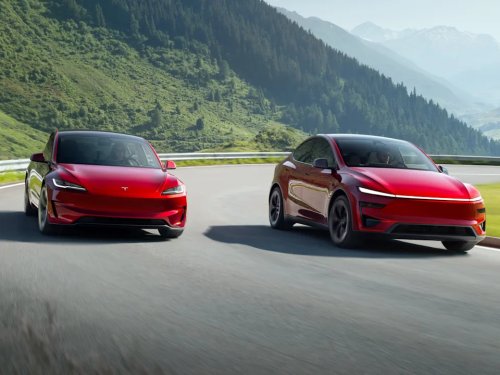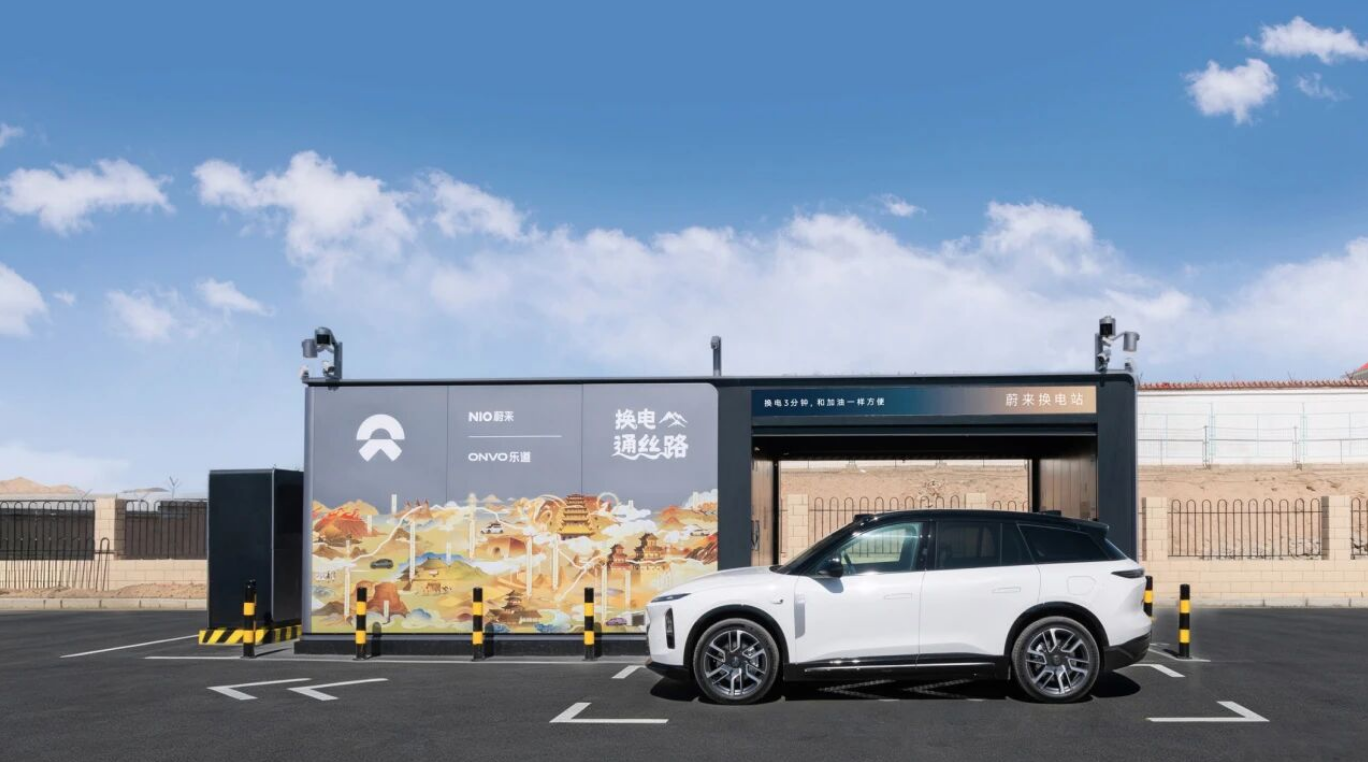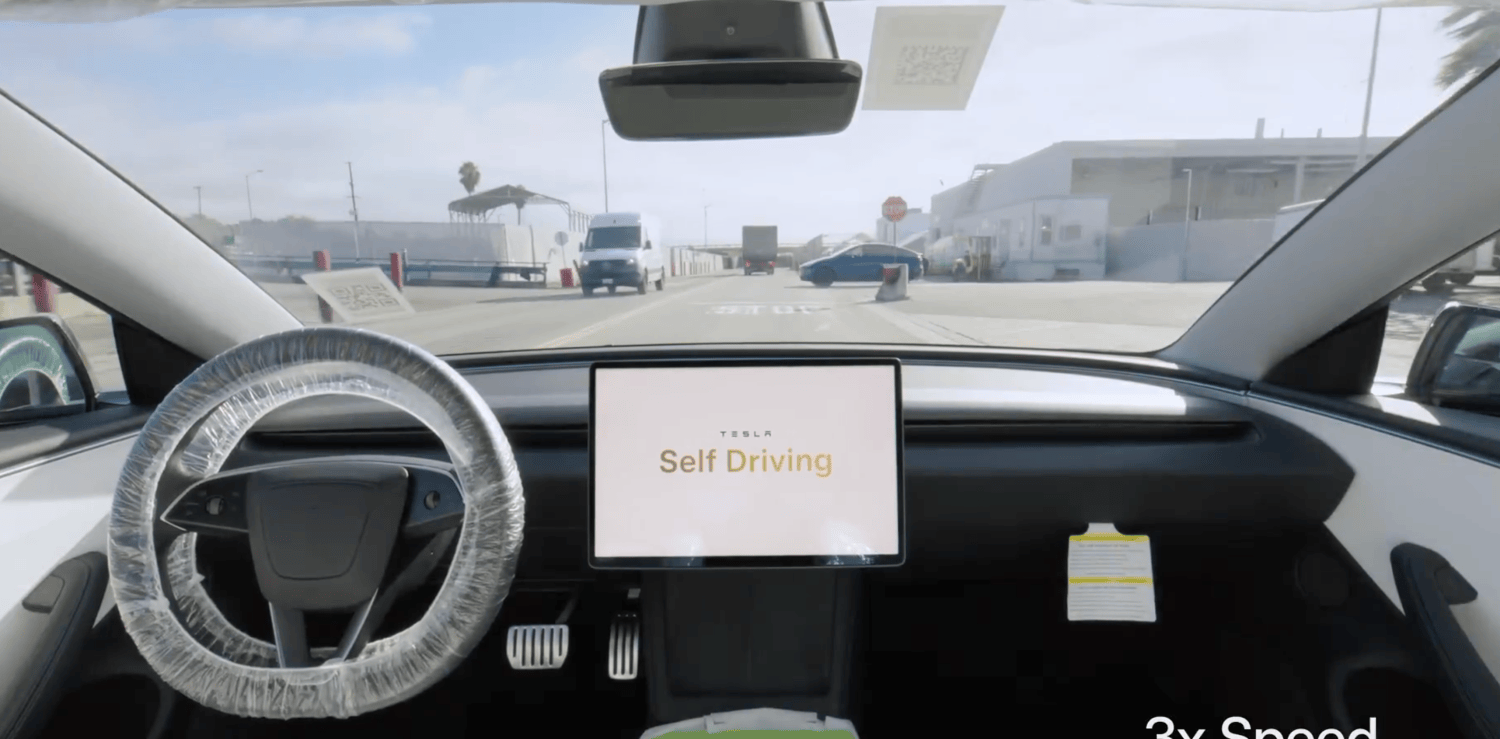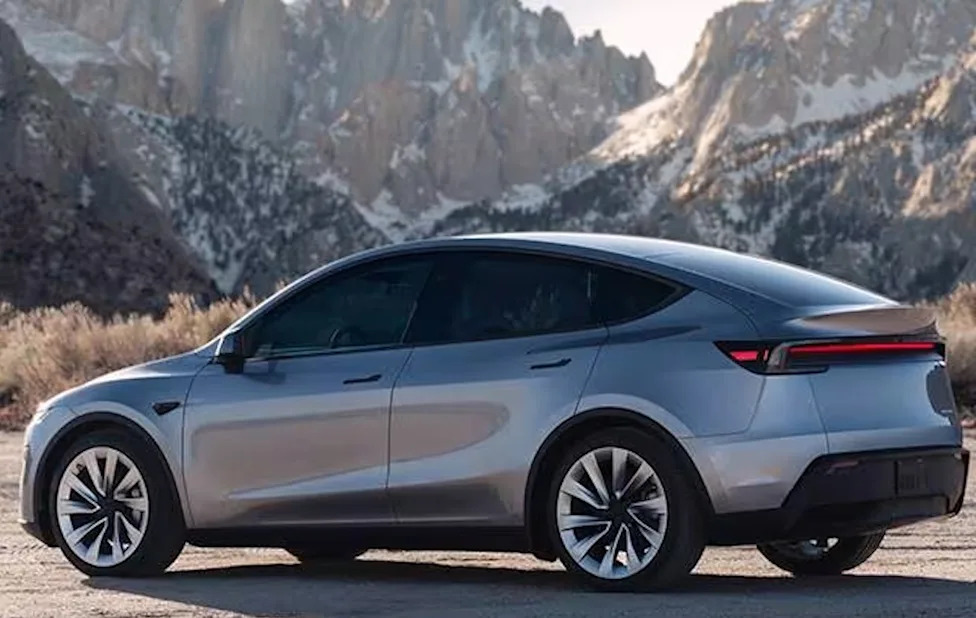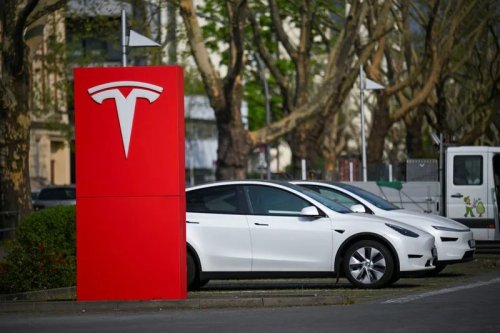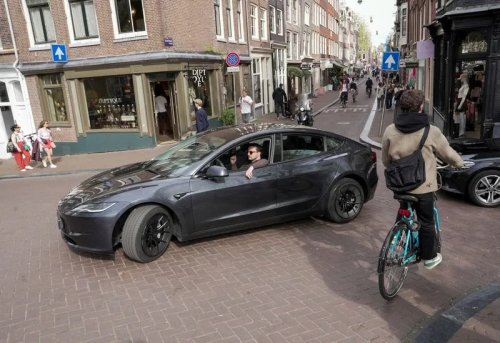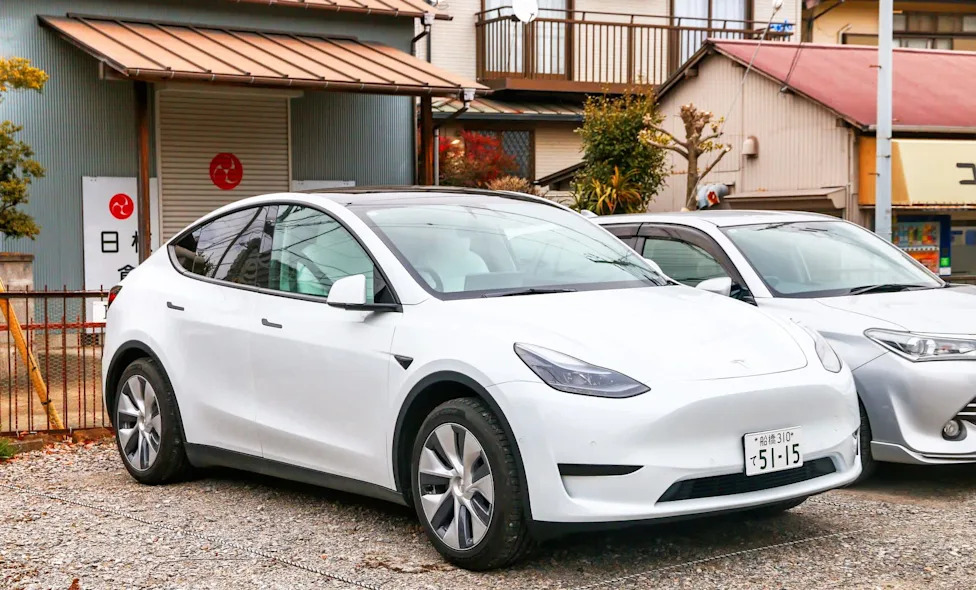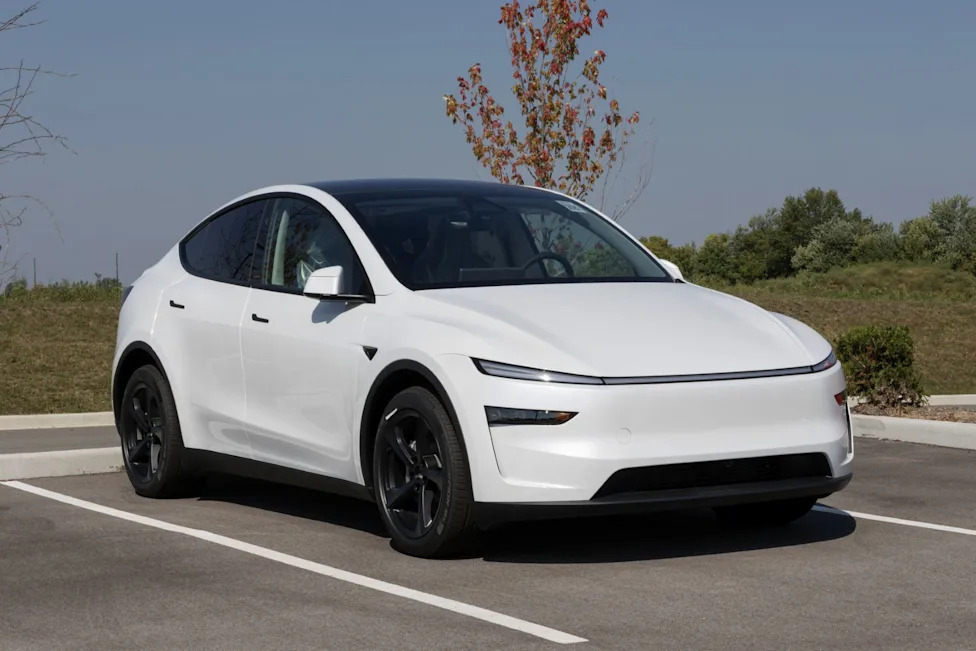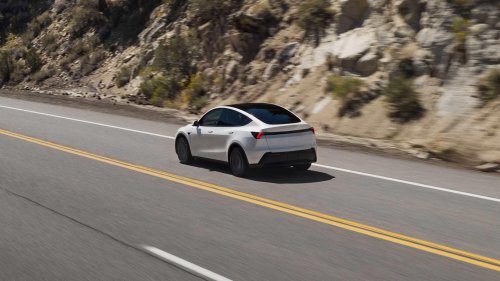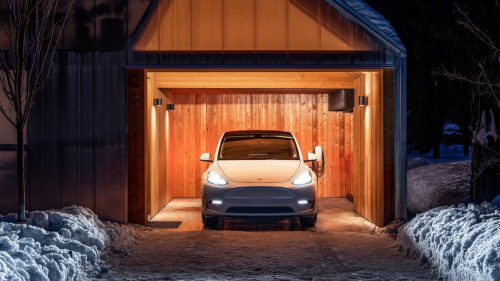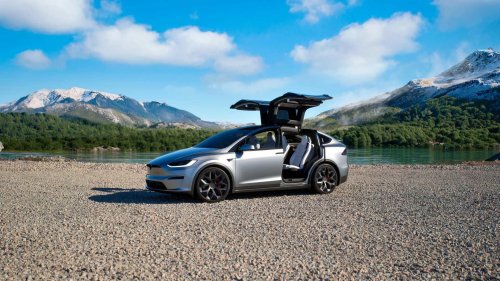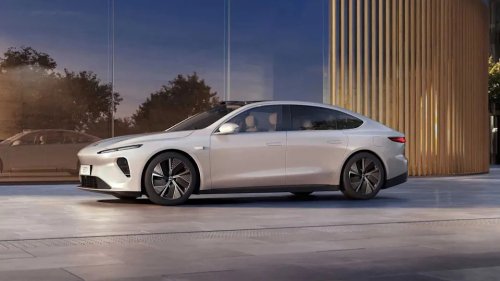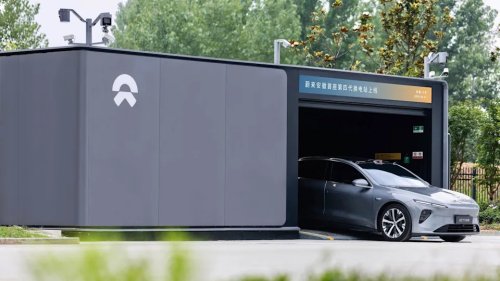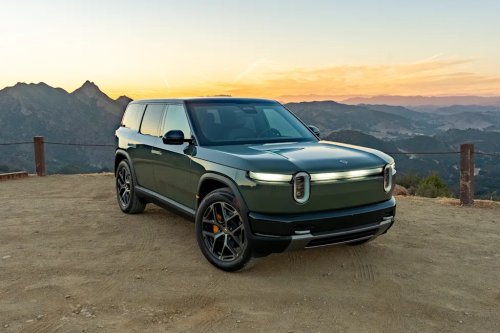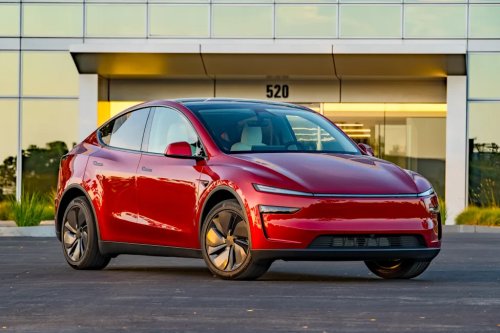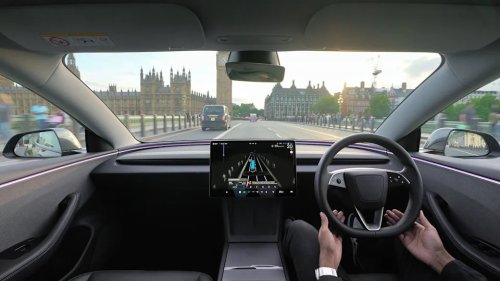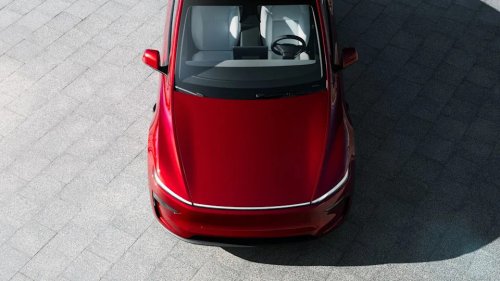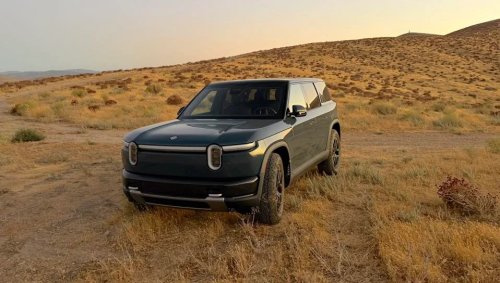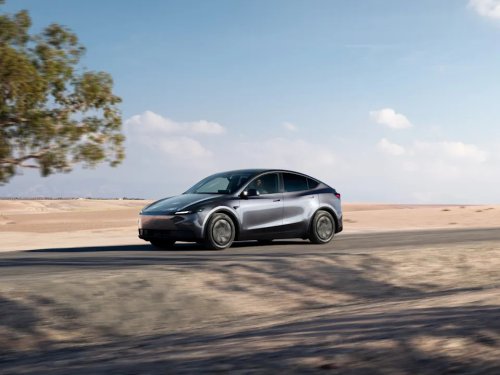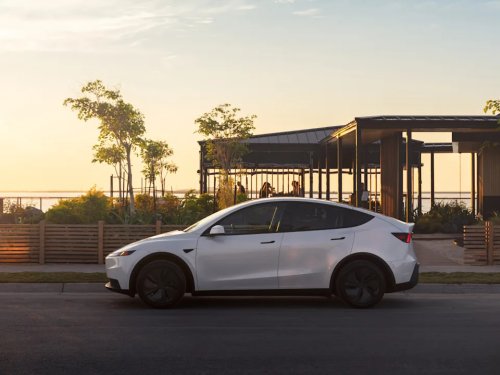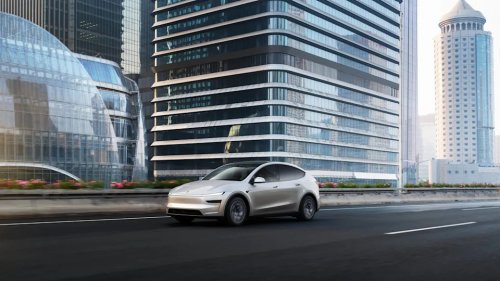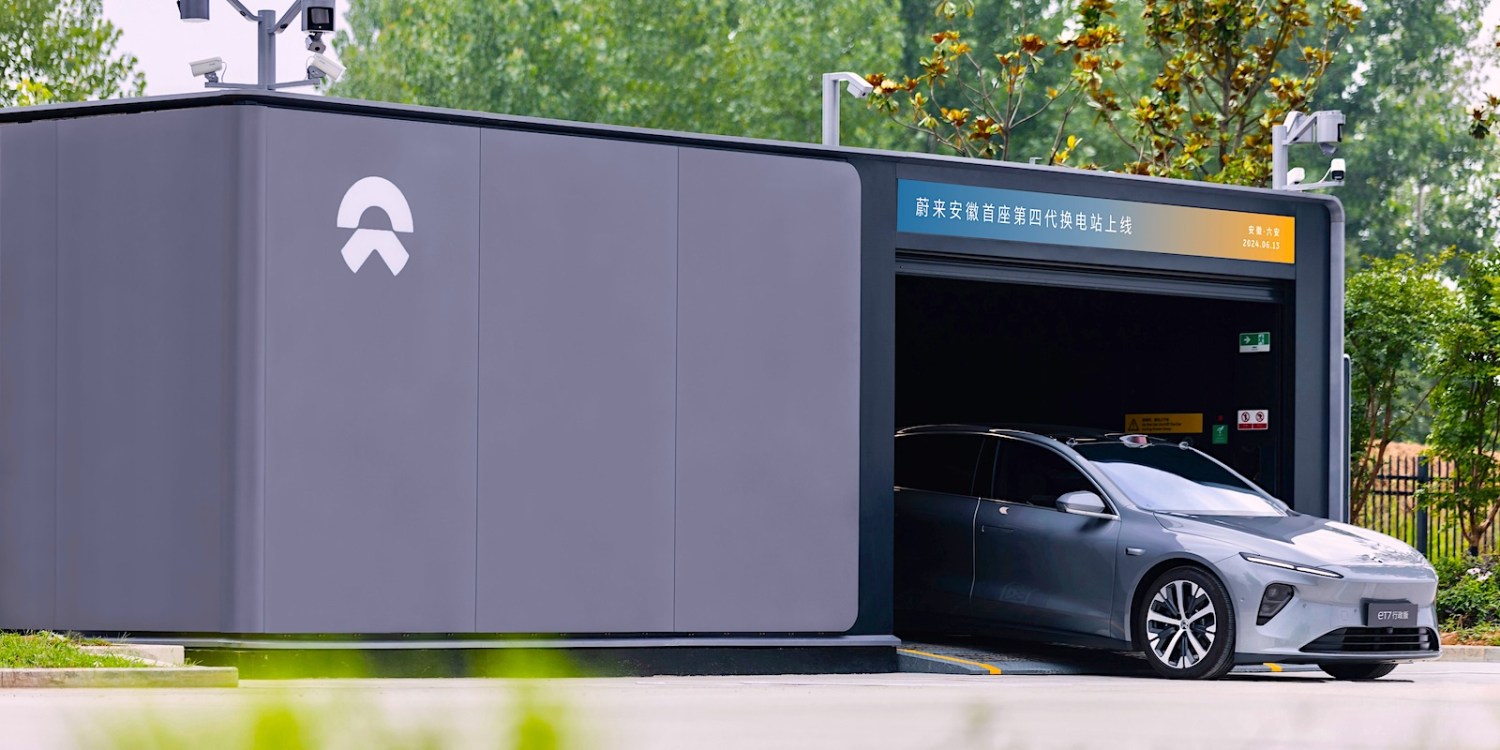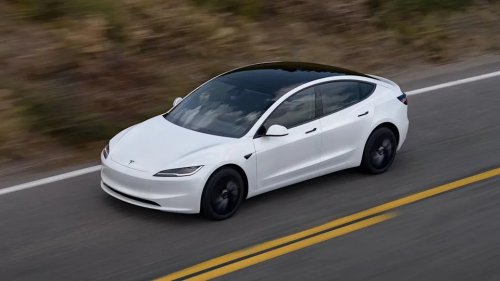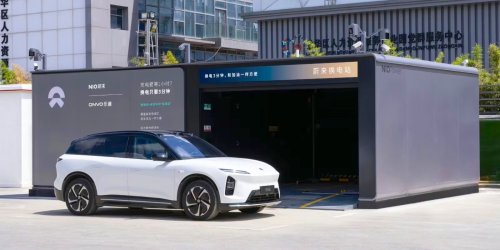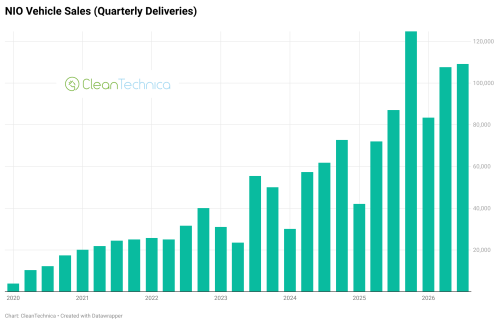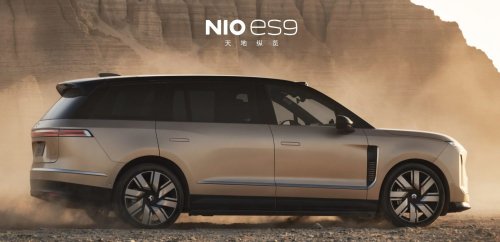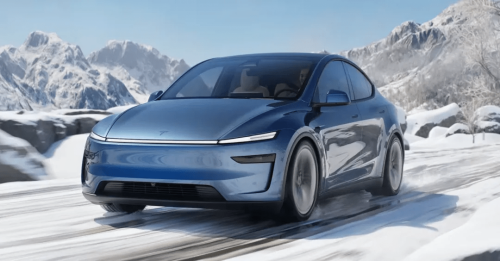
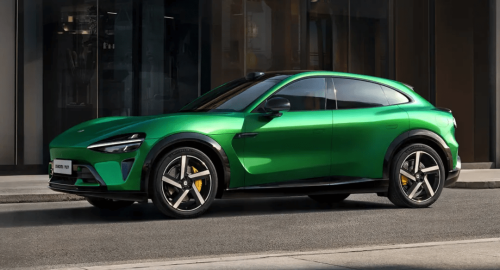
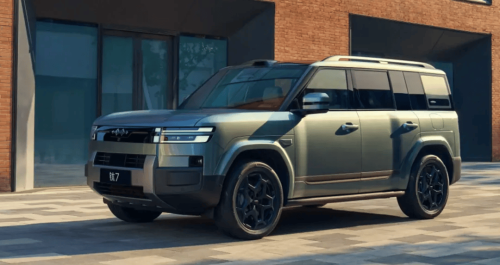
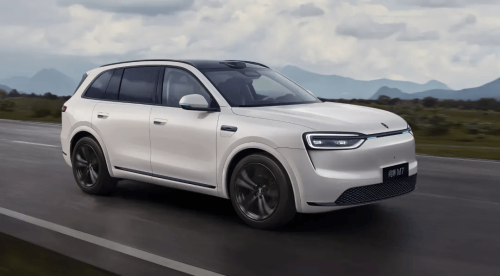
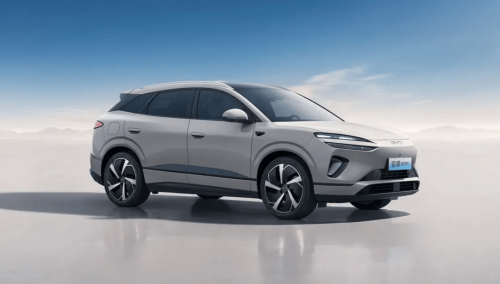
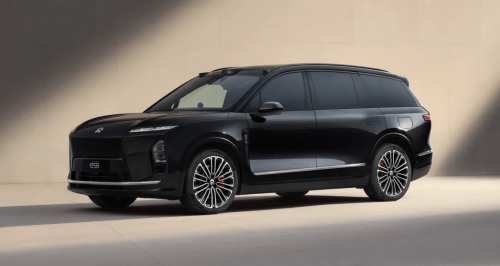
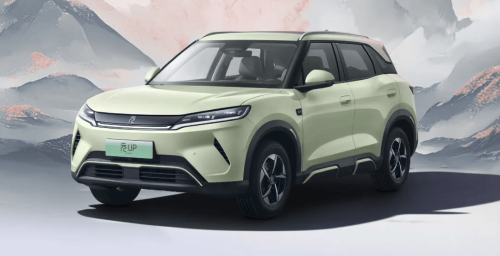
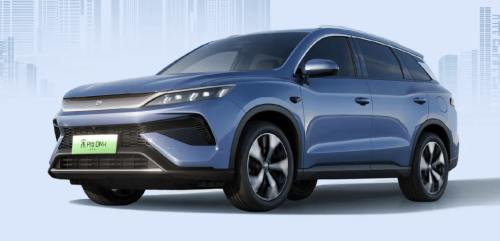
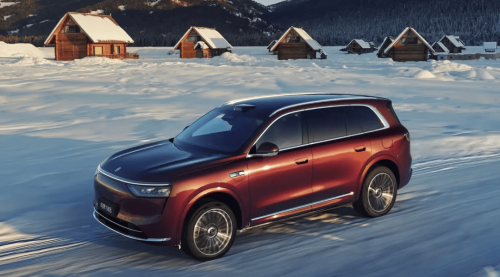
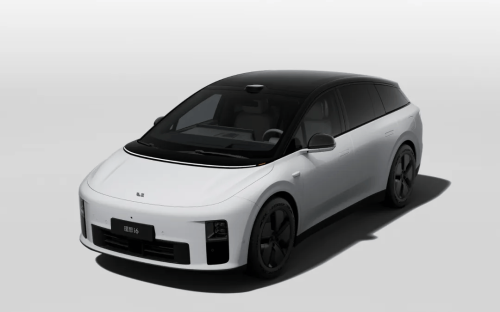



















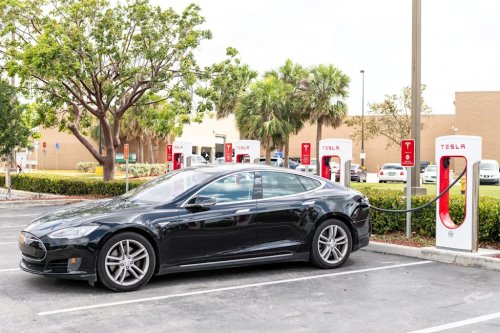
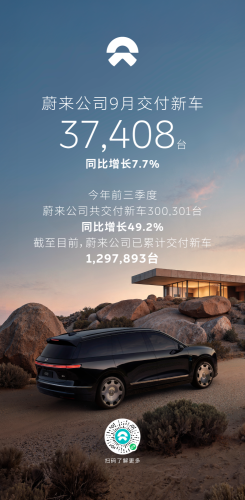
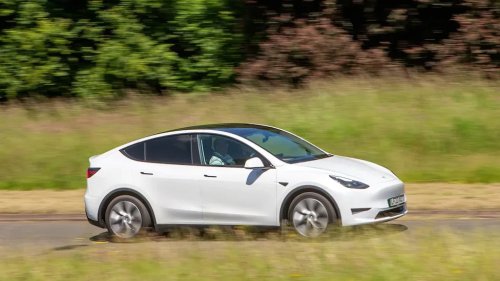
December 2025 saw significant changes in China’s new-energy SUV market, with Tesla and Xiaomi leading. Competition in China’s new-energy SUV market saw notable shifts in December 2025. While Tesla and Xiaomi retained the top two positions, rankings from second to eighth experienced varying degrees of reshuffling, and several new entrants appeared on the list. Overall, the Tesla Model Y remained the undisputed best-selling SUV in China across all powertrains, with single-model sales exceeding 400,000 units annually—placing it far ahead of rivals in the NEV SUV segment. Xiaomi’s YU7 emerged as the year’s standout dark horse. With less than six months of deliveries since launch, cumulative sales have already surpassed 150,000 units, while December deliveries surged to nearly 40,000 units, cementing its status as a breakout hit. Nearly half of the Top 10 models came from BYD, underscoring the automaker’s strong market pull. The inclusion of new-generation brands such as NIO and Li Auto also highlights the relative success of their product strategies. By contrast, traditional major automakers such as Geely, GWM, Galaxy and Changan were absent from the Top 10—potentially foreshadowing a more intense competitive landscape in 2026. With that, here is a closer look at which NEV SUVs emerged strongest at the close of 2025. No. 1 Tesla Model Y As competitors come and go, the Model Y remains firmly in place. In December, Model Y defended its top position with deliveries of 65,874 units, up 39.76% month on month from around 47,000 units in November. For the full year, Model Y delivered 425,337 units, ranking first among all SUVs regardless of powertrain. Across all vehicle categories, it trailed only Geely Xingyuan. Given its positioning and price range, the Model Y’s sales performance carries particular weight. Throughout 2025, Tesla’s key move was the introduction of the extended three-row, six-seat Model YL, which defied early skepticism to become a core sales variant, with repeated reports of monthly production selling out. On the financing front, Tesla introduced a five-year zero-interest plan in April 2025, which remains in place. In January 2026, Tesla further rolled out seven-year low-interest financing across the Model Y lineup, lowering the purchase threshold. Combined with factors such as the potential subscription-based rollout of FSD, the Model Y is widely expected to remain the benchmark for NEV SUV sales in 2026. No. 2 Xiaomi YU7 Xiaomi YU7 retained second place in December, posting a new monthly record of 39,089 units, up 15.89% month on month. Cumulative deliveries reached 153,673 units in less than six months. As noted earlier, the YU7 is an undisputed dark horse in the NEV SUV segment. From 289,000 firm orders placed within the first hour of launch to steadily rising deliveries, it has become one of the hottest products on the market. Based on online feedback, the YU7 delivers strong driving dynamics and solid range performance in the RMB 250,000 ($35,000) price segment, with interior space being its main relative weakness. Overall, it is widely regarded as a well-rounded offering. Despite strong sales, Xiaomi introduced additional incentives for YU7 in January 2026 to navigate an increasingly competitive market. Currently, YU7 buyers can access three-year zero-interest or seven-year low-interest financing. Orders placed before Feb. 28 also qualify for a free upgrade to dual front zero-gravity seats. These incentives are expected to help sustain YU7’s strong momentum. No. 3 BYD Fangchengbao Tai 7 BYD’s Fangchengbao Tai 7 has emerged as a fast-rising contender in the NEV SUV market. In December, Tai 7 climbed two positions to third place, with sales of 34,086 units, up 41.91% month on month. Full-year sales reached 86,257 units, making it the undisputed sales pillar of the Fangchengbao brand. Launched on Sept. 9, 2025, Tai 7 offers four SKUs differentiated primarily by electric range and powertrain. Pricing ranges from RMB 179,800 ($25,170) to RMB 219,800 ($30,770). In terms of positioning, Tai 7 directly overlaps with the current BYD Tang DM-i, but has achieved results that Tang DM-i did not—becoming a genuine hit in BYD’s RMB 200,000 ($28,000) SUV lineup. Current incentives focus on three-year zero-interest and five-year low-interest financing, which are moderate by market standards. Its boxy styling, accessible pricing and practical configuration appear to be its key selling points. With no immediate direct competitors, strong sales momentum is likely to continue. No. 4 AITO M7 AITO M7 recorded December sales of 29,386 units, slipping one position compared with November. Even so, monthly deliveries nearing 30,000 units remain strong, with a month-on-month increase of 16.24%. Full-year sales totaled 118,425 units. From another perspective, the refreshed M7 has returned to peak form, with production constraints largely resolved and a stable outlook for future deliveries. The new M7 is offered in five-seat and six-seat layouts, with both extended-range and pure electric variants, priced from RMB 279,800 to RMB 379,800 ($39,170–$53,170). Current incentives include option credits, insurance benefits and financial offers such as zero down payment or ultra-low down payment ratios, with some regions offering up to two years of interest-free financing. No. 5 BYD Sealion 06 Ranked fifth, BYD Sealion 06 was one of only two models in the Top 10 to see a month-on-month decline, down 2.84% to 24,380 units, slipping one position. Full-year sales reached 136,116 units. Priced from RMB 139,800 to RMB 163,800 ($19,570–$22,930), Sealion 06 effectively replaces the Song Plus DM-i within BYD’s Ocean lineup. As Sealion 06 stabilized, Song Plus DM-i was officially phased out. However, Sealion 06 has now posted three consecutive months of declining sales, reflecting mounting pressure from competitors such as Leapmotor C16 and Deepal S07 during an intensely competitive period. Cash discounts vary by region and can reportedly reach RMB 20,000 ($2,800) in some markets. Current financial incentives include two-year zero-interest financing and zero down payment offers. With sales momentum easing, incentives may increase further in 2026, making it worth monitoring for prospective buyers. No. 6 NIO ES8 NIO ES8 posted one of the fastest growth rates on the list, surging 108.23% month on month to 22,258 units in December, jumping seven places. Full-year sales of the new ES8 reached 46,729 units, making it the best-selling model under the NIO brand. ES8 is also the most expensive vehicle in the December Top 10, and the only model with a starting price above RMB 400,000 ($56,000), underscoring the strength of its performance. Looking ahead to January 2026, deliveries remain promising, with NIO confirming the delivery of the 50,000th ES8. Founder William Li has stated that ES8 orders remain robust, and its higher margins could help NIO achieve profitability in the fourth quarter of 2025. Unlike rivals, ES8 currently offers no five-year zero-interest financing, with incentives limited to optional equipment packages—leaving room for future adjustments. No. 7 BYD Yuan UP BYD Yuan UP was the other model to see a notable decline, with December sales down 9.03% to 18,766 units, ranking seventh. Full-year sales totaled 189,277 units, making it BYD’s second-best-selling model overall. As an entry-level electric subcompact SUV, Yuan UP has gained popularity for its design and practical space, becoming a common first EV choice for many buyers. However, competition has intensified. Premium compact hatchbacks such as Leapmotor Lafa5 and firefly have diverted demand, while larger compact electric SUVs cut prices toward year-end. Multiple consecutive months of declining sales suggest that stronger incentives may be needed. In January 2026, BYD introduced a limited-time RMB 3,000 ($420) subsidy, lowering the starting price to RMB 71,800 ($10,050), enhancing its appeal in the segment. No. 8 BYD Song Pro A long-standing model, BYD Song Pro maintained solid competitiveness, selling 18,373 units in December, up 41.62% month on month and rising two places. Full-year sales reached 180,661 units, ranking third within BYD’s lineup. Looking ahead, Song Pro DM-i is expected to hold steady despite a softer market. On Jan. 10, the 2026 Song Pro DM-i Intelligent Driving Edition launched with a new 220 km pure-electric range variant and a limited-time starting price of RMB 99,800 ($13,970). The new version adds features such as a hot-and-cold refrigerator, front-seat ventilation and heating, and makes the “God’s Eye-C (DiPilot 100)” driver assistance system standard. While its styling no longer stands out, Song Pro remains a balanced, value-oriented choice for entry-level buyers. No. 9 AITO M8 AITO M8 sold 17,123 units in December, up 5.15% month on month, but slipped one position. Full-year sales totaled 150,420 units. It is the second most expensive model in the Top 10, with a starting price of RMB 359,800 ($50,370), trailing only NIO ES8. Given its price point, monthly sales above 17,000 units remain solid. However, performance was stronger earlier in 2025, when monthly sales exceeded 20,000 units. The recent decline suggests the model may be nearing the end of its peak cycle. Current incentives focus on option credits and reward points, which are less compelling than the low- or zero-interest offers from competitors. In 2026, AITO plans to introduce the M6 to compete in the RMB 300,000 ($42,000) segment, potentially easing pressure on the M-series lineup. No. 10 Li Auto i6 Rounding out the Top 10 is the Li Auto i6. After muted performance in October and November, i6 rebounded sharply in December with sales of 15,994 units, up 135.28% month on month, jumping 19 positions. For the full year, the i6 sold 28,971 units, despite being on the market for less than six months. The December surge reflected improved production and deliveries, along with year-end incentives including purchase tax coverage, RMB 5,000 ($700) cash discounts, and bundled high-value options. These offers remain in effect through Jan. 31. Following earlier controversy, the i6 appears to be establishing a foothold in the RMB 250,000 ($35,000) pure electric SUV segment, though sustaining momentum amid a cooling market and intensifying competition remains a challenge.