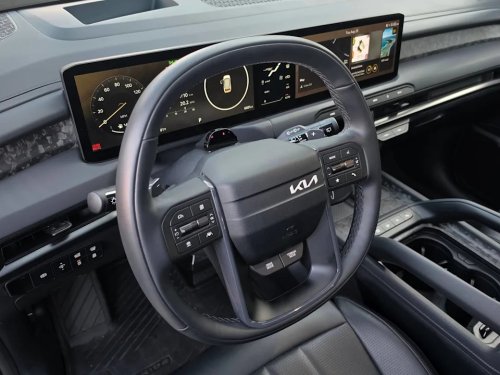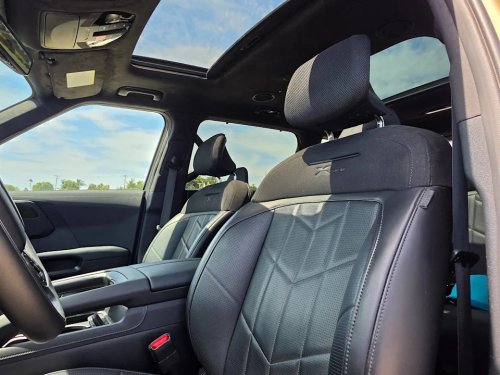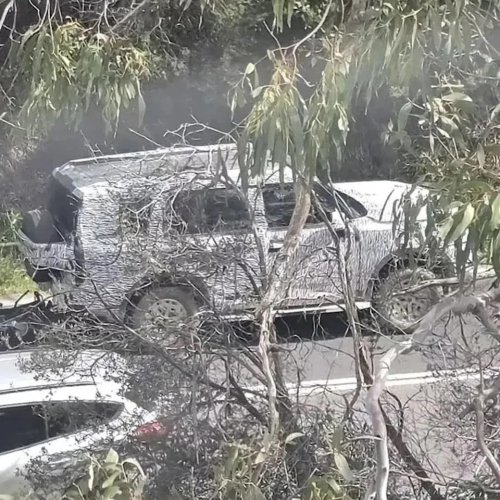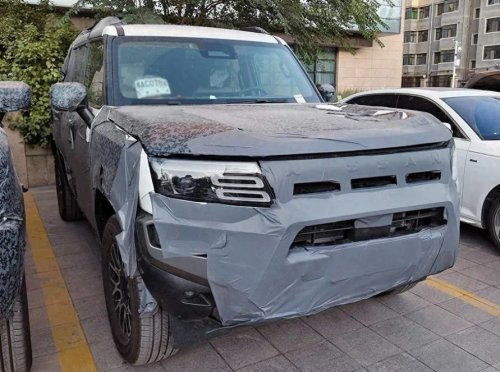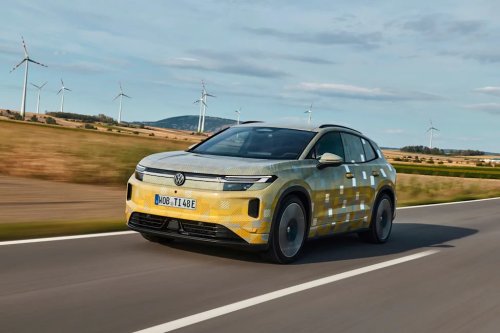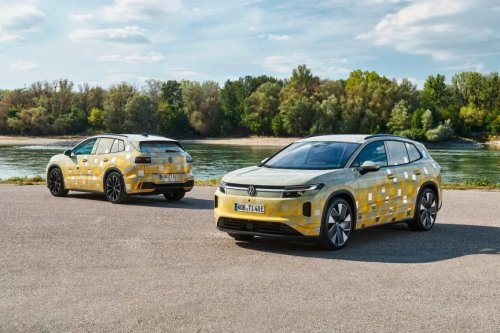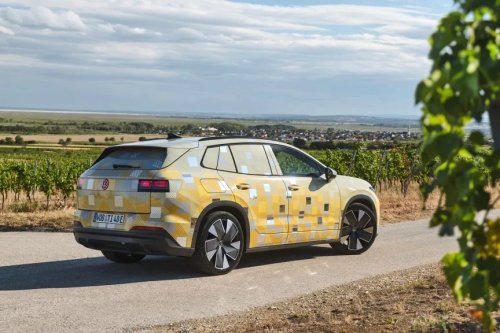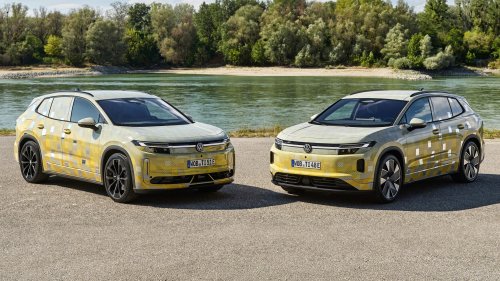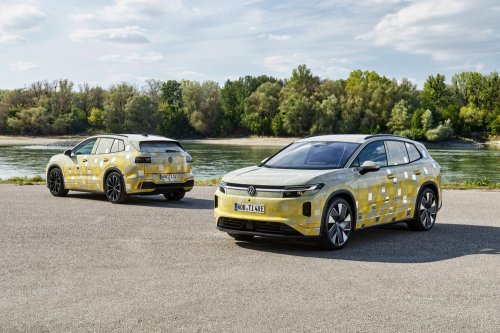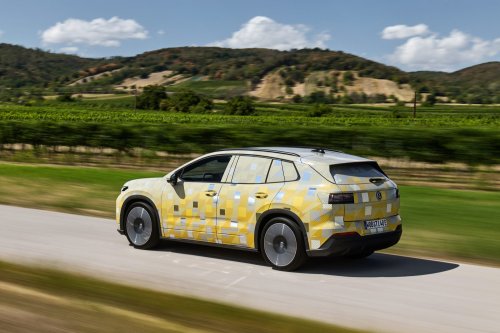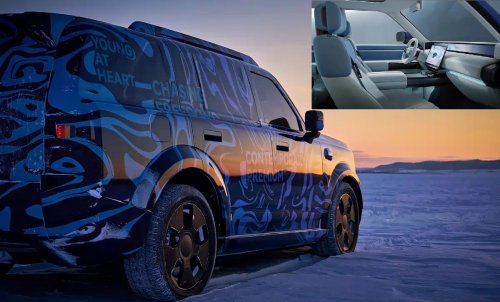
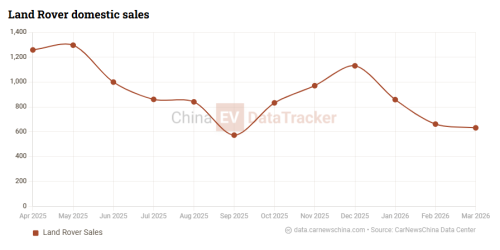
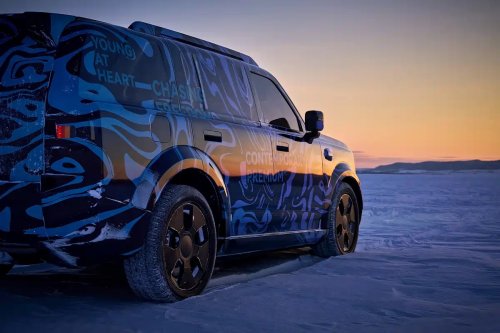
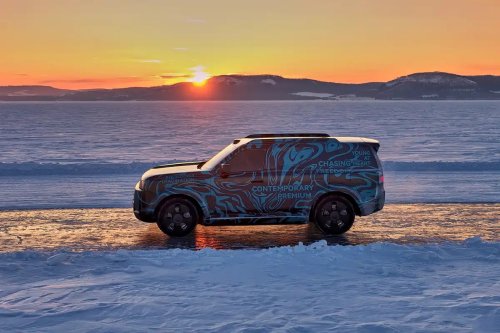
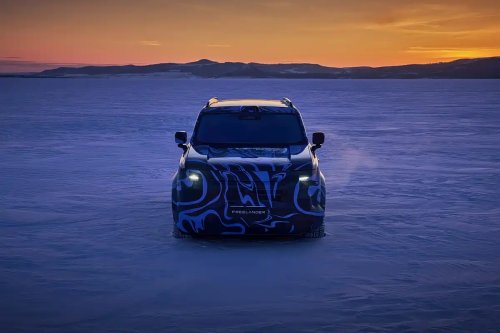
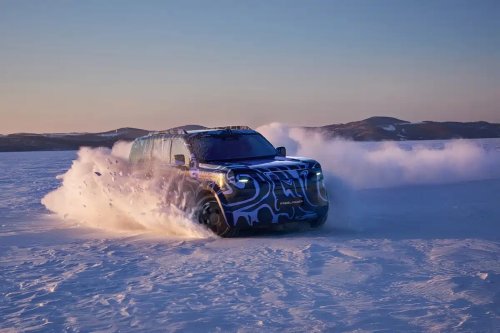
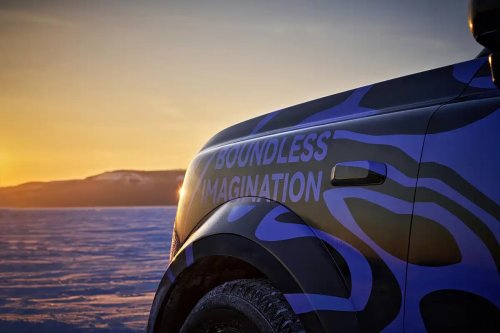
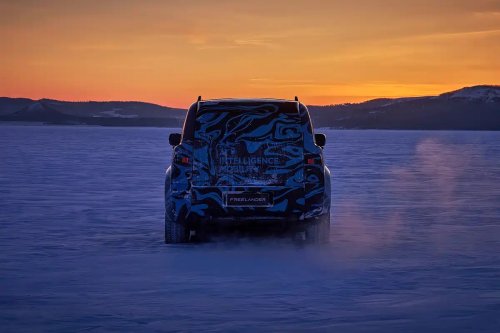
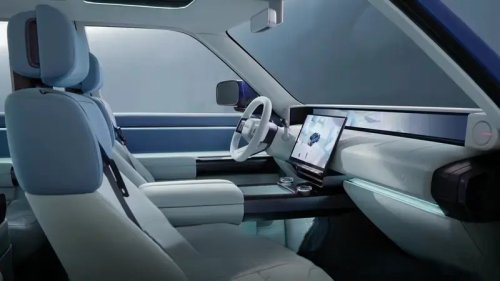
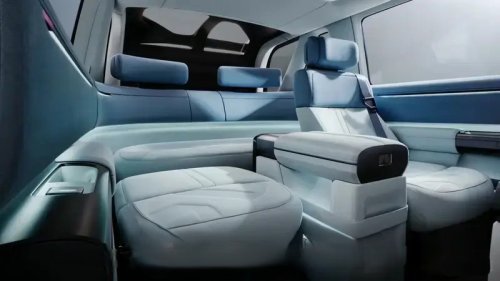



















Camouflaged Freelander SUV undergoes extreme cold testing ahead of 2026 debut. Image enhanced by CNC. Understand China EV’s Market Real-time notifications when critical EV data is released All important data in one place 2,000,000+ data points Become a member The production version of the Freelander SUV, developed under the Chery and Jaguar Land Rover joint venture, has completed extreme cold testing, according to company executives and official brand channels reported by Autohome. Wen Fei, global CEO of Freelander and executive vice president of Chery Jaguar Land Rover, said the new vehicle has entered winter testing. The brand later confirmed that the production model had successfully passed all extreme-cold validation tests, marking a key milestone ahead of its planned launch in the second half of 2026. Production model moves closer Spy images and official footage released during testing show a heavily camouflaged SUV that closely follows the design of the previously unveiled Concept 97. The vehicle adopts a boxy silhouette, with upright proportions and a flat roofline, reflecting styling cues associated with earlier Land Rover models. The production version is expected to debut first in China before expanding to global markets. According to earlier disclosures, Freelander plans to launch six new models over the next five years, roughly one every six months. New joint venture model Freelander was formally introduced on March 31 as a new global new energy vehicle brand jointly developed by Chery and Jaguar Land Rover. As previously reported, “the Chinese side leads product definition, NEV technology development, and supply chain integration,” while Jaguar Land Rover contributes design direction and brand positioning. This structure differs from traditional joint ventures, with Chery taking a more central role in engineering and commercialisation while leveraging Jaguar Land Rover’s global brand resources. Land Rover sales in China. Credit: China EV DataTracker Huawei, CATL, Qualcomm integration The Freelander SUV will integrate multiple Chinese technology partners. The model is set to come standard with Huawei’s ADS 4.1 intelligent driving system, with the option to upgrade to future versions. It will also feature a 896-line lidar sensor, positioned as a first for a global all-terrain SUV. The vehicle is among the first to adopt Qualcomm’s Snapdragon 8397 automotive chip. Compared with the previous 8295 platform, the new chip delivers 3x higher CPU and GPU performance, along with 12x higher AI computing power. Battery technology is being co-developed with CATL. The system supports a peak charging rate of 6C and up to 350 kW of peak charging power, targeting faster energy replenishment under high-load conditions. Development timeline The Freelander SUV was first observed testing in China in July 2025, ahead of the brand’s official launch. The transition from early test vehicles to a validated production model within less than a year indicates an accelerated development cycle. Further technical details are expected to be released in June, with the full production debut scheduled for the second half of 2026. Market positioning Freelander represents a new attempt to reposition a legacy Land Rover nameplate as a standalone electrified brand. The approach combines Chinese-led development and supply chain execution with global branding and design input, reflecting a broader shift in how joint ventures operate in China’s NEV sector. Freelander production model seen during winter validation testing in China.