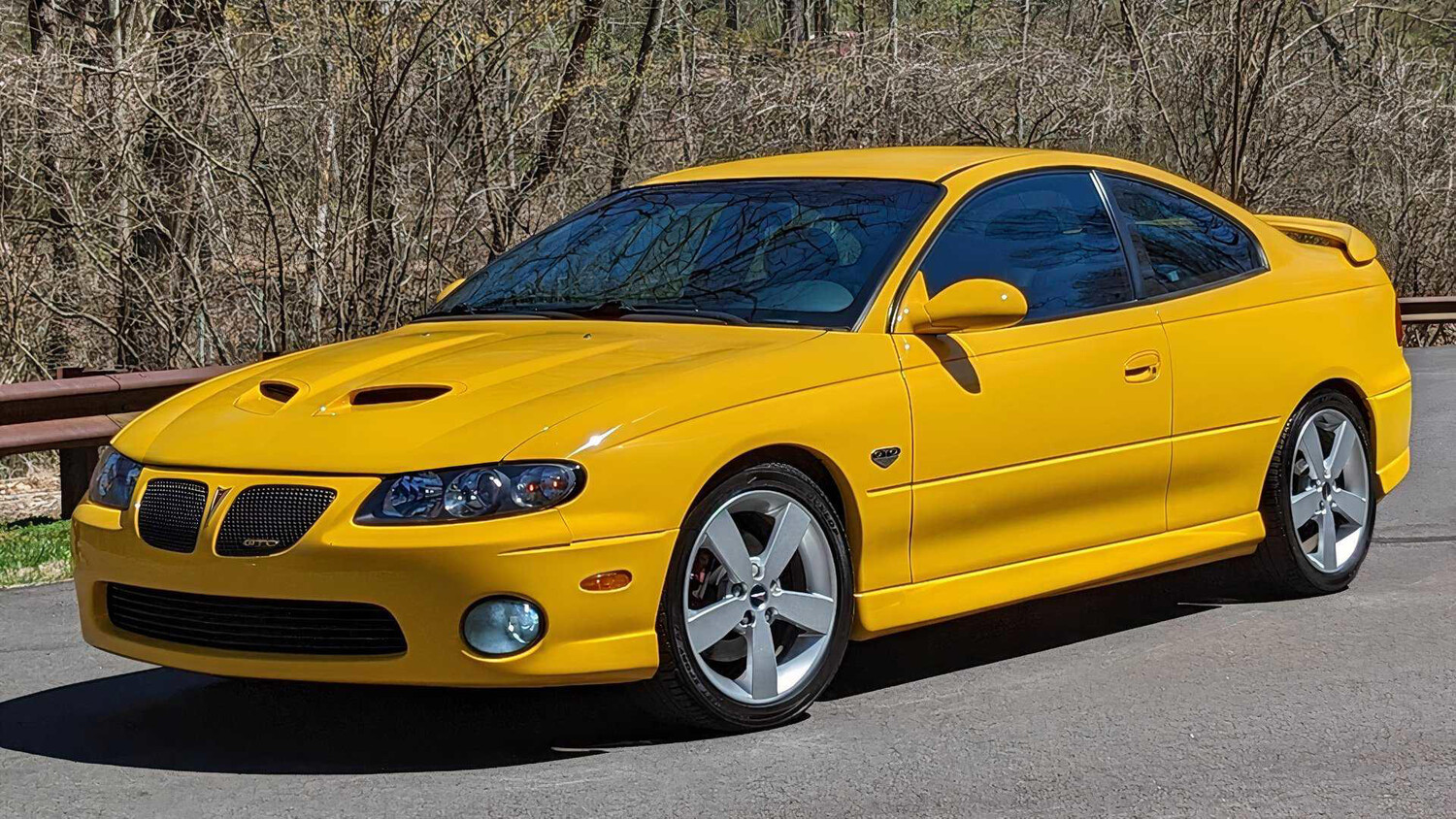
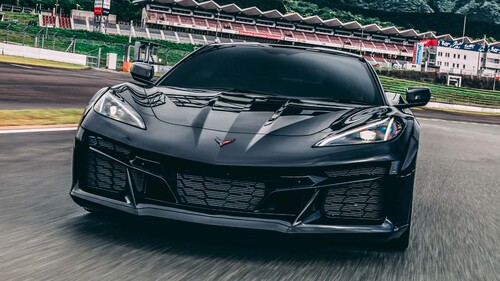
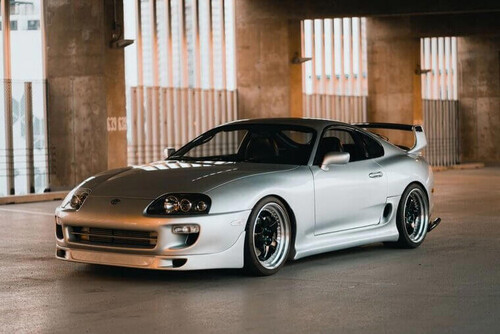
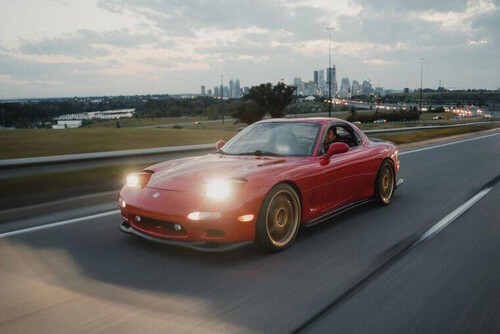
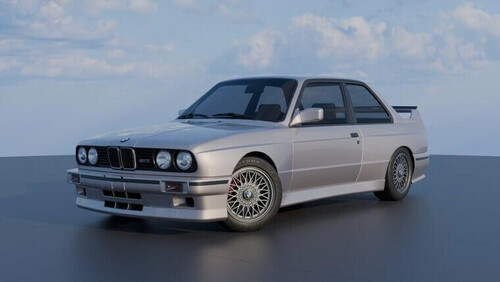
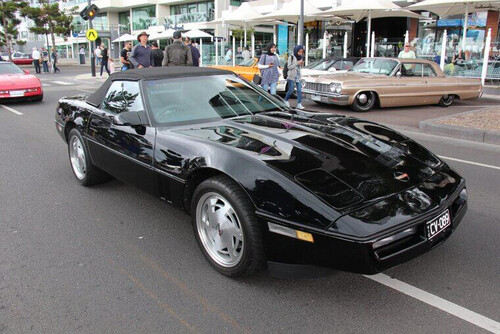
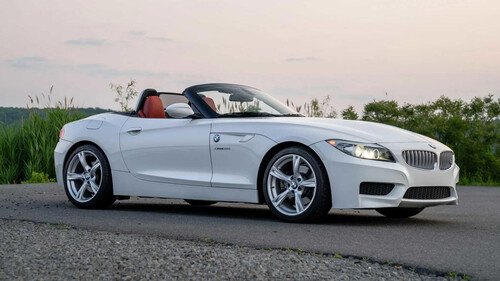
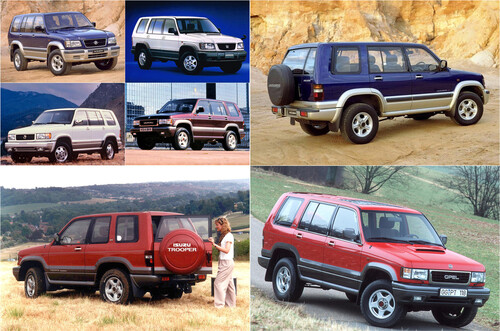
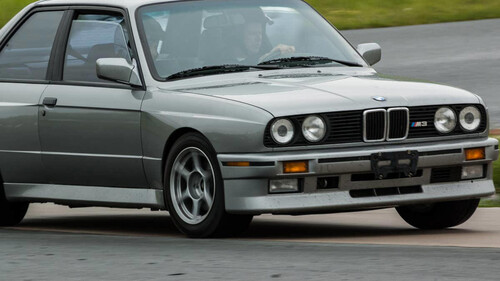
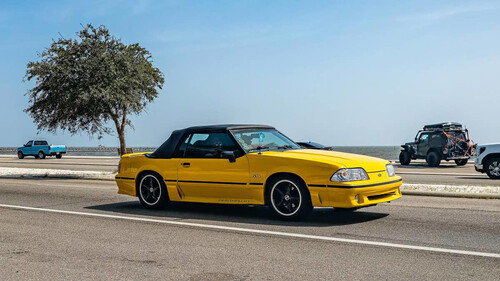
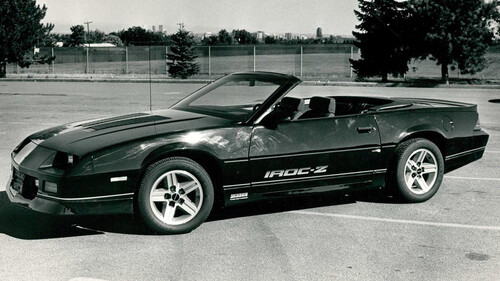
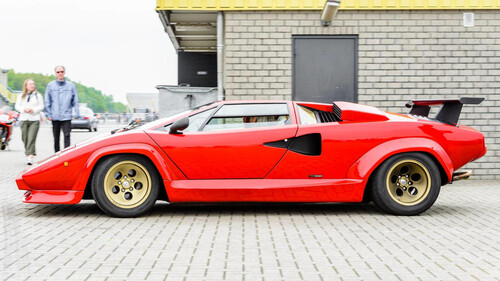
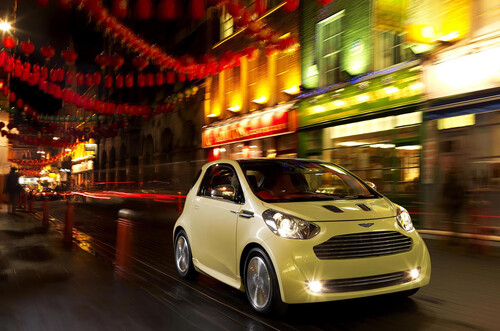
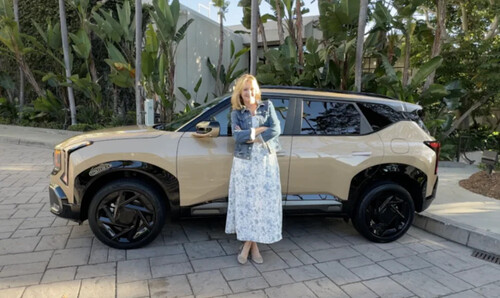
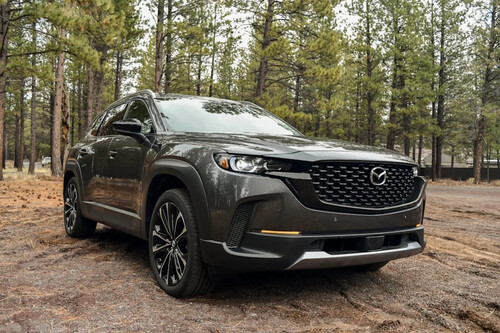
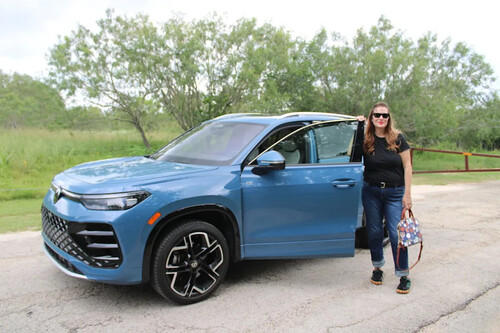
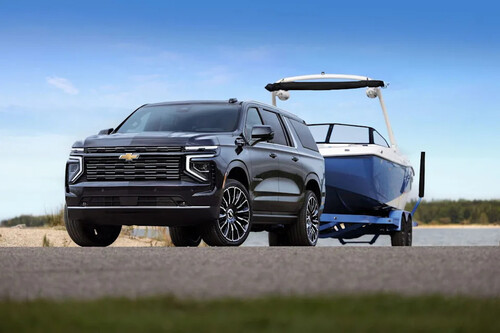
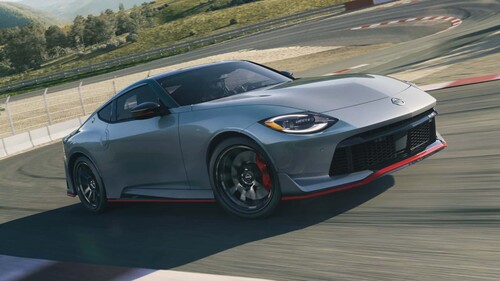
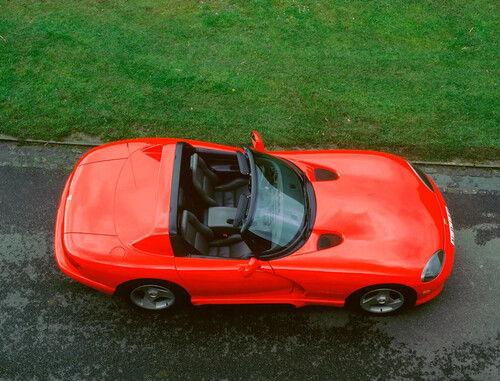
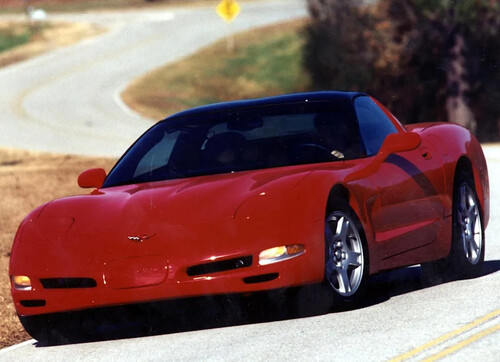
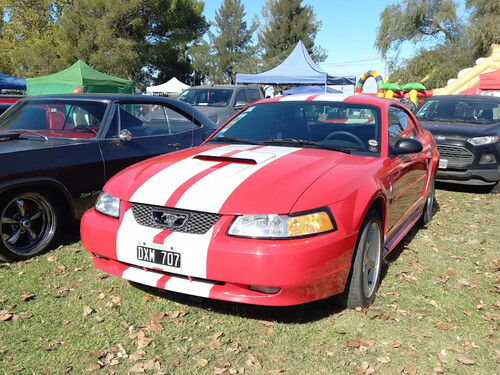
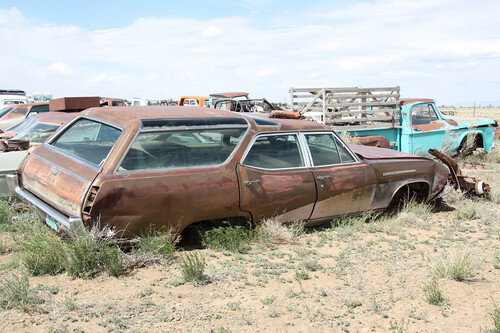
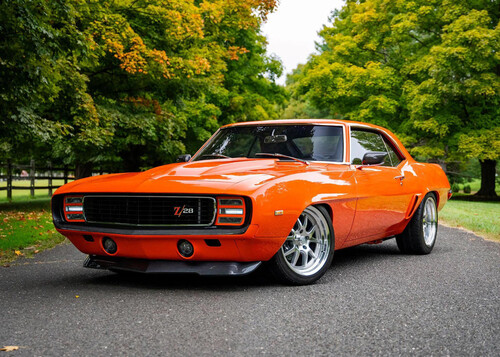
Navigating the automotive landscape and history books is often a test of memory, since there is such a wide array of brands, models, and variants of those same models. Then there are the abbreviations, which can also change over time. For example, the Z/28 badge. Or ZR-1 badge. Sometimes, to make things harder for the casual or non-enthusiast, model names are used in lieu of the automaker's name. Sometimes, only a generation and trim are used. For example, the C5 Z06. Let's take a quick look at the difference between makes and models, with some examples of both. What Makes A Car Make 2026 Subaru Solterra badgeThe make refers to the brand or manufacturer of a vehicle. Chevrolet is a make, while Corvette is a model. General Motors is the parent company, of which Chevrolet is a sub-brand. Sometimes another manufacturer builds the cars, and the brand used to sell the car is different. One example of this is rebaging or badge engineering (see later). Sometimes the brand name is prioritized when discussing a car. For example, when referring to a car with implied qualities, for example - 'I drive a Toyota' to infer reliability, or 'I drive a Ferrari' which implies an expensive vehicle. Old classic vehicles are sometimes also referred to by the make and model year, such as a '41 Chevy for brevity. Primary American Brands In the US, there are many automotive brands, but, as in other industries, many fall under just a few broad companies. Here are the main brands and, where applicable, the parent companies they belong to:Other companies produce performance cars in small quantities or modified versions of existing models, in the case of SSC and Shelby, respectively. Stellantis is a much larger umbrella company overall that also includes the following brands: Abarth, Alfa Romeo, Chrysler, Citroën, Dodge, DS Automobiles, Fiat, Jeep, Lancia, Maserati, Opel, Peugeot, Ram, and Vauxhall. Volkswagen Group is another large conglomerate that includes many other brands such as Volkswagen, Audi, SEAT, Cupra, Škoda, Bentley, Lamborghini, Porsche, and Ducati. Discontinued Brands The US has a rich history of brands that produced iconic and memorable vehicles, many of which came from brands that are now defunct. Some of these brands were part of existing brands as subbrands, and they often produced badge-engineered variants of existing models. Defunct brands include:Pontiac and Saturn (General Motors)Plymouth and Eagle (Chrysler)American Motors Corporation Mercury (Ford) Car Models: Room For Confusion Genesis To help differentiate between versions and types of cars, a model name is given. For example, Car A and Car B. This allows brands to differentiate the models for consumers and lets them know that the vehicles differ in terms of design, features, performance, and other areas. Sometimes the model name changes by year, but mostly, models go through what we call 'generations'. A fifth-gen Corvette is the fifth evolution of the brand's sports car, with little in common with the first generation, but it helps orient the model for buyers. People also grow attached to a model name, and for this reason, the name is often recycled, sometimes to make a comeback and drum up enthusiasm courtesy of nostalgia - for example, the new Honda Prelude. Model Names VS. Trim Names Craig Cole | TopSpeed Trim levels sit below the model name in the automotive nomenclature hierarchy, denoting a different set of features. SE may mean the car has more features than standard. Toyota's current trim levels for the Corolla start with LE, then SE, then typically XLE, XSE, and so on. Sometimes, performance versions of cars are given extra names - for example, the Ford Focus RS. Chevrolet's Corvette also has multiple performance variants, which add the Z06 or ZR1 moniker to the end of the model name. This makes it possible to shorten car names when citing the generation 'C6' and using the variant 'Z06'. From this, we can deduce that we are talking about a Chevrolet Corvette without actually using those names. Types Of Cars: Hatchback, Sedan, Coupe, And More 9-179.jpgSince the early days of automotive design, the formula has varied on how to build a car - sometimes a hard roof, sometimes roofless, sometimes two doors, sometimes four. Automotive engineers and designers found ways to elaborate on the idea of how to build a trunk - the hatchback worked well for practicality, but the sedan's notchback design has also been around for decades. When we describe a traditional car, most will fit into a few categories:Hatchback: A car (usually, but not always, a compact car) with a rear door that swings upward to allow access to the cargo area inside the main cabinSedan: Usually a notchback design with a horizontal trunk located separately from the main cabinCoupe: A two-door, sporty design with a fixed roof, more streamlined than a hatchback or sedanConvertible: Where the car has a fabric or folding roof that can be lowered - a variation of this theme is the 'targa' that has a removable sectionWagon: The trunk area is expanded to allow for a much larger cargo area, and the roof is lengthened to accommodate the longer rear Short Guide To Badge-Engineered Cars 3/4 side view of 2005 Pontiac GTOOftentimes, cars share platforms, mechanical elements, and other components between subrands of a larger parent company; For example, between GMC and Chevrolet, in the case of the Chevrolet Silverado and GMC Sierra. Brands can also share platforms or powertrains, and components even when they are not related under a common parent group, in a commercial agreement. This is the case with the Toyota Supra and BMW Z4, which are largely the same underneath (with some differences) while both offer different body styles and designs. Captive Imports And Badge Engineered Models Badge-engineered models are like the Chevy/GMC models, which share most of the same platform, powertrain, drivetrain, electronics, components, and structure, often with only minor cosmetic or trim changes. The Toyota and BMW Z4 are different as they are not badge-engineered models.Another well-known example is the venture between Chrysler and Mitsubishi that produced the Mitsubishi Eclipse, Eagle Talon, and Plymouth Laser. A similar product was the Mitsubishi 3000GT and Dodge Stealth.Captive imports, such as the Pontiac GTO, are foreign-designed or built models sold by a domestic brand under its own badge with minimal changes. That model was based on the Australian Holden Monaro and enabled Pontiac to have access to a modern muscle car without the costly R&D or tooling.