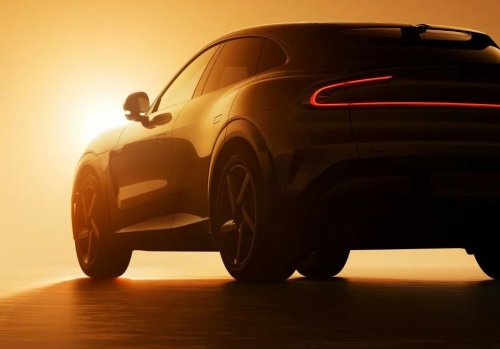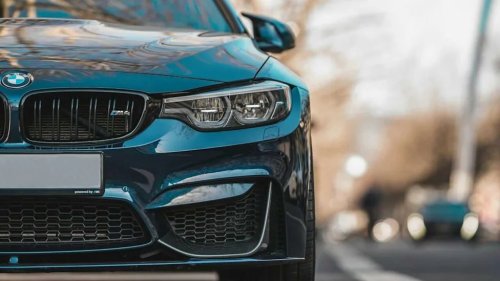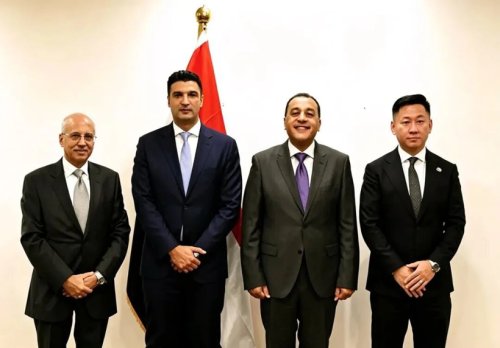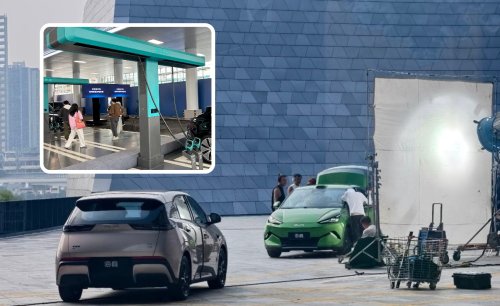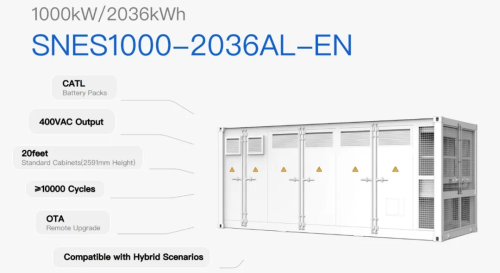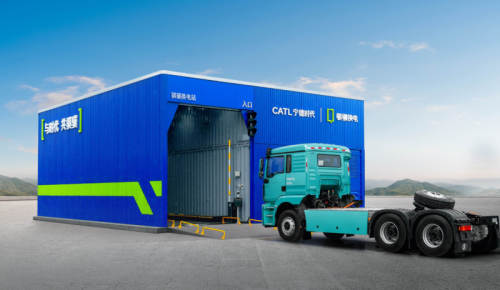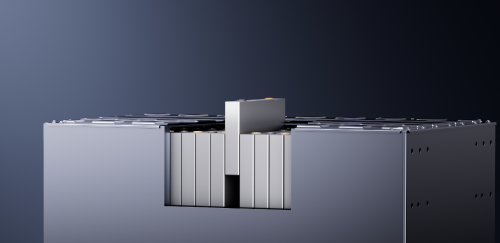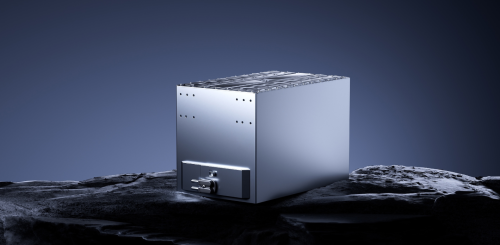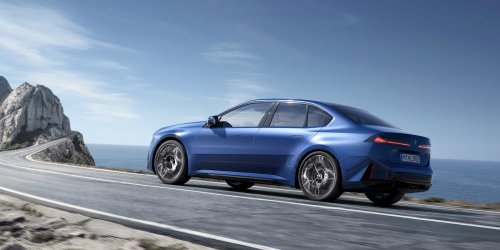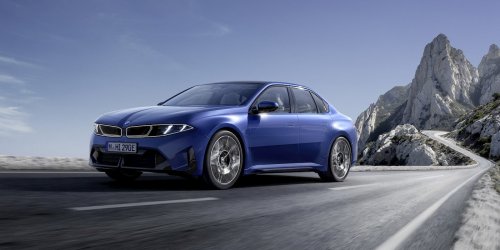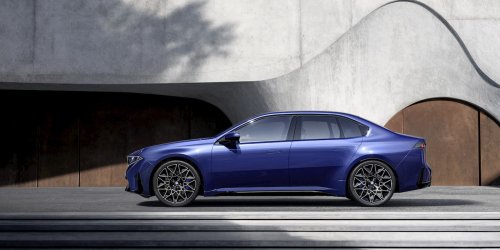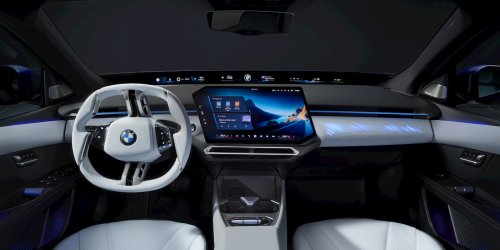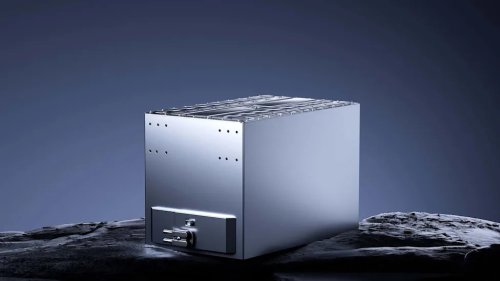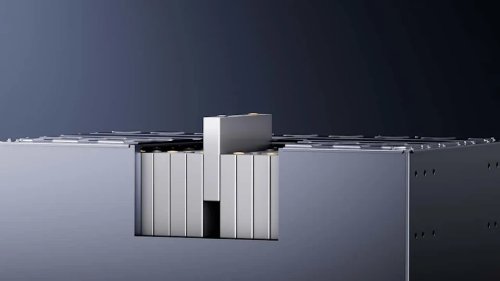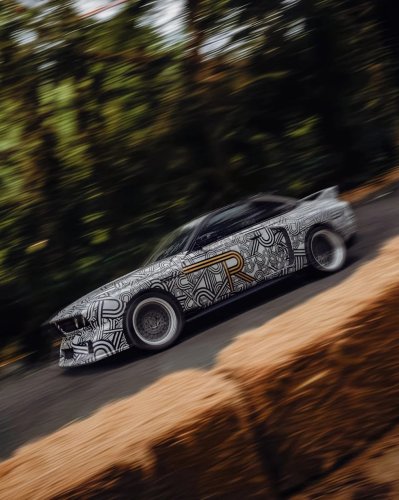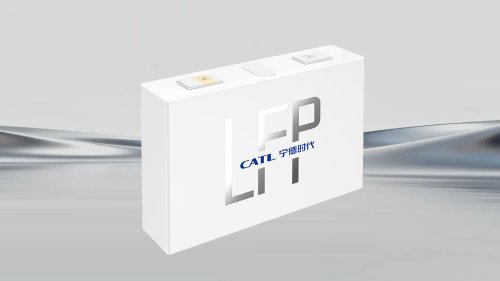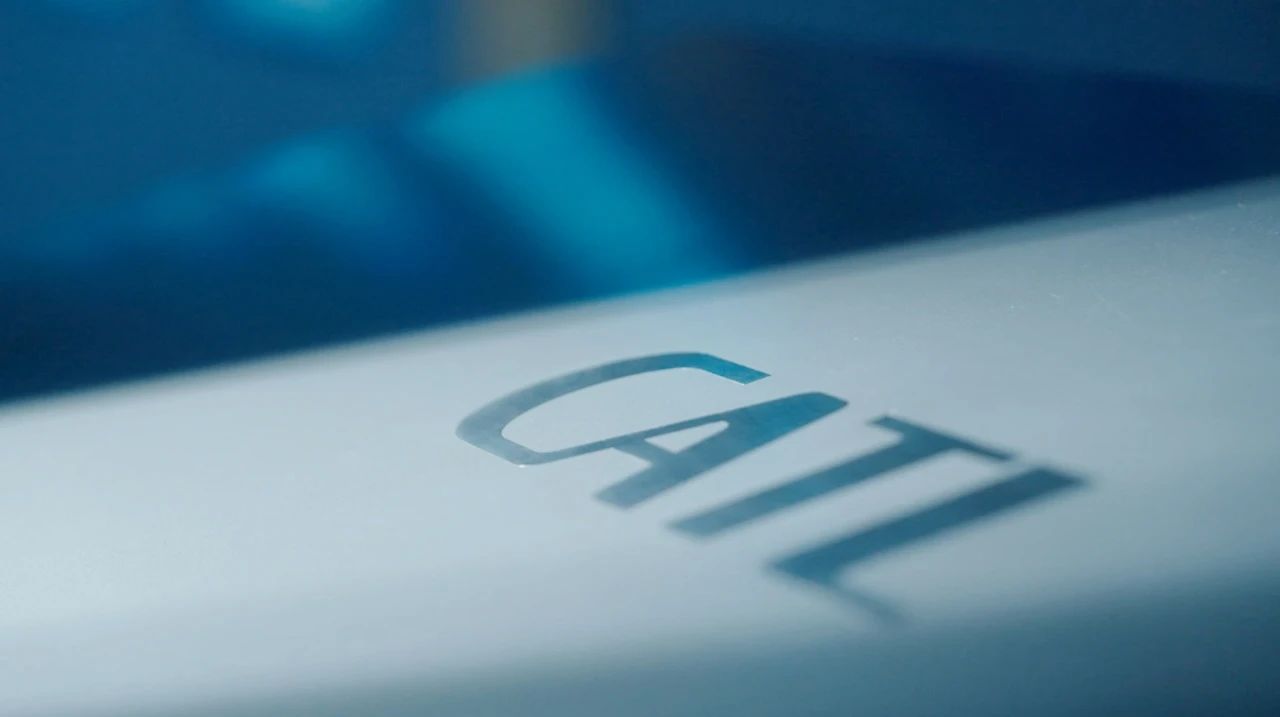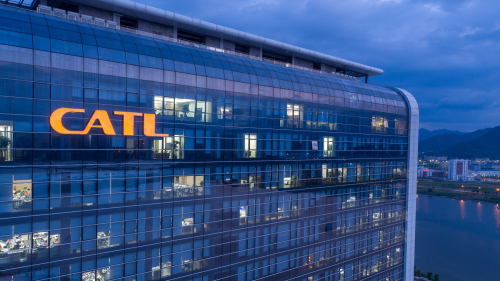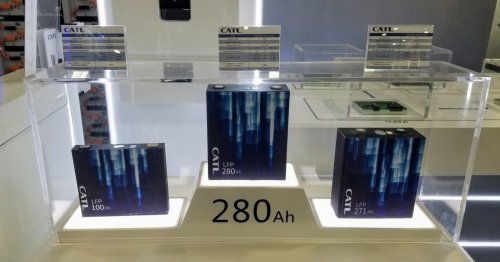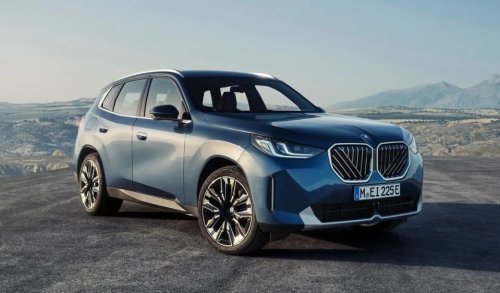
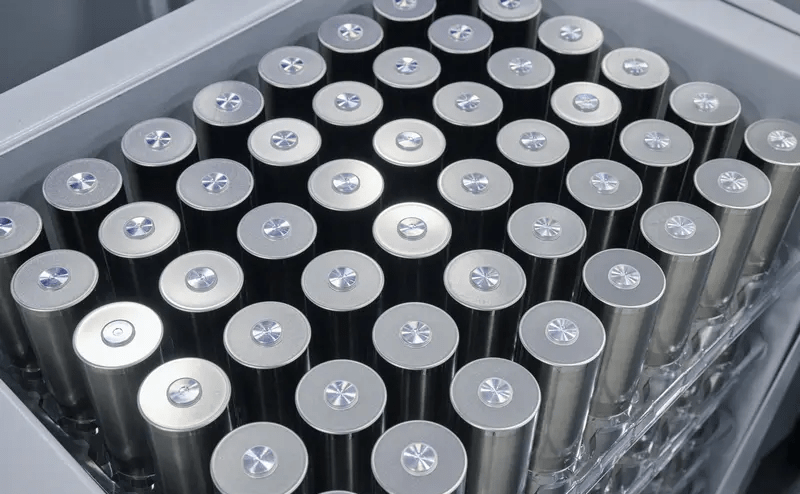
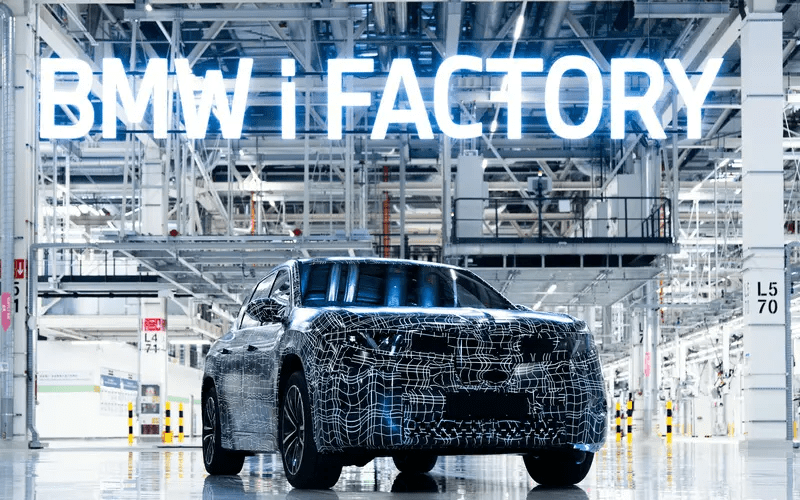


















The partnership will support compliance with tightening EU battery regulations, reinforcing BMW’s electrification strategy and China localization push. On February 25, BMW Group Chairman Oliver Zipse accompanied German Chancellor Friedrich Merz on a visit to China. BMW Group Chairman Oliver Zipse During the trip, BMW and CATL signed a memorandum of understanding in Beijing focused on decarbonizing the power battery supply chain and strengthening data exchange. The cooperation does not center on additional production capacity, but instead extends to full lifecycle battery management. According to disclosed information, the two sides will conduct cross-border data pilot projects under the “battery passport” framework, exploring trusted data exchange mechanisms, battery carbon footprint accounting methodologies and related tool development. The collaboration will also promote technical standards alignment based on the Catena-X standardized data architecture. BMW’s strategic alignment with CATL has been developing for several years. In 2022, the companies reached a long-term agreement under which CATL will supply cylindrical battery cells for BMW’s Neue Klasse pure electric platform starting in 2025. Cylindrical battery cells supplied by CATL The cells will be produced at two battery plants in China and Europe, each with annual supply capacity of up to 20 GWh for BMW. The Neue Klasse architecture represents the technological backbone of BMW’s long-term electrification transition, with battery performance and carbon emissions control directly influencing overall vehicle competitiveness. Against a backdrop of tightening carbon regulation in Europe, battery carbon footprint disclosure has become a critical compliance issue for automakers. The EU Battery Regulation explicitly mandates carbon emissions disclosure and traceability requirements, which will increasingly be tied to market access. BMW i Factory BMW’s decision to deepen cooperation with a Chinese battery manufacturer at this stage reflects practical considerations around supply chain efficiency and regulatory compliance capabilities, while also reinforcing its localization strategy. BMW has operated in China for more than three decades. Since 2010, the company has invested over RMB 120 billion ($17.44 billion) in its Shenyang production base, continuously expanding electrification and digital manufacturing capacity. BMW currently operates four major R&D and innovation centers and three software companies in China. Local R&D teams are deeply involved in development of the Neue Klasse models, with the first domestically produced Neue Klasse vehicle, the long-wheelbase iX3, scheduled to make its global debut at the Beijing Auto Show in April.