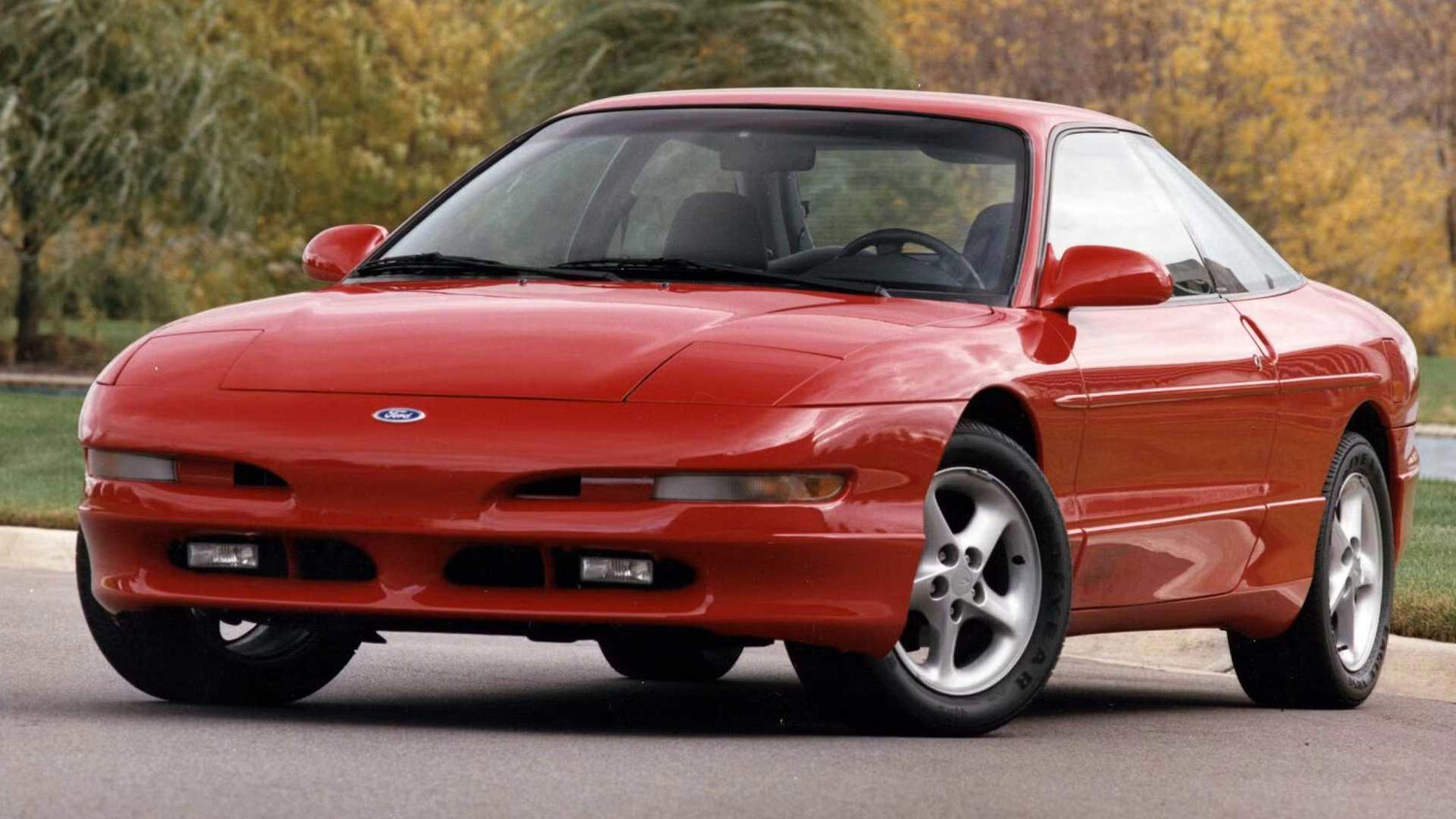
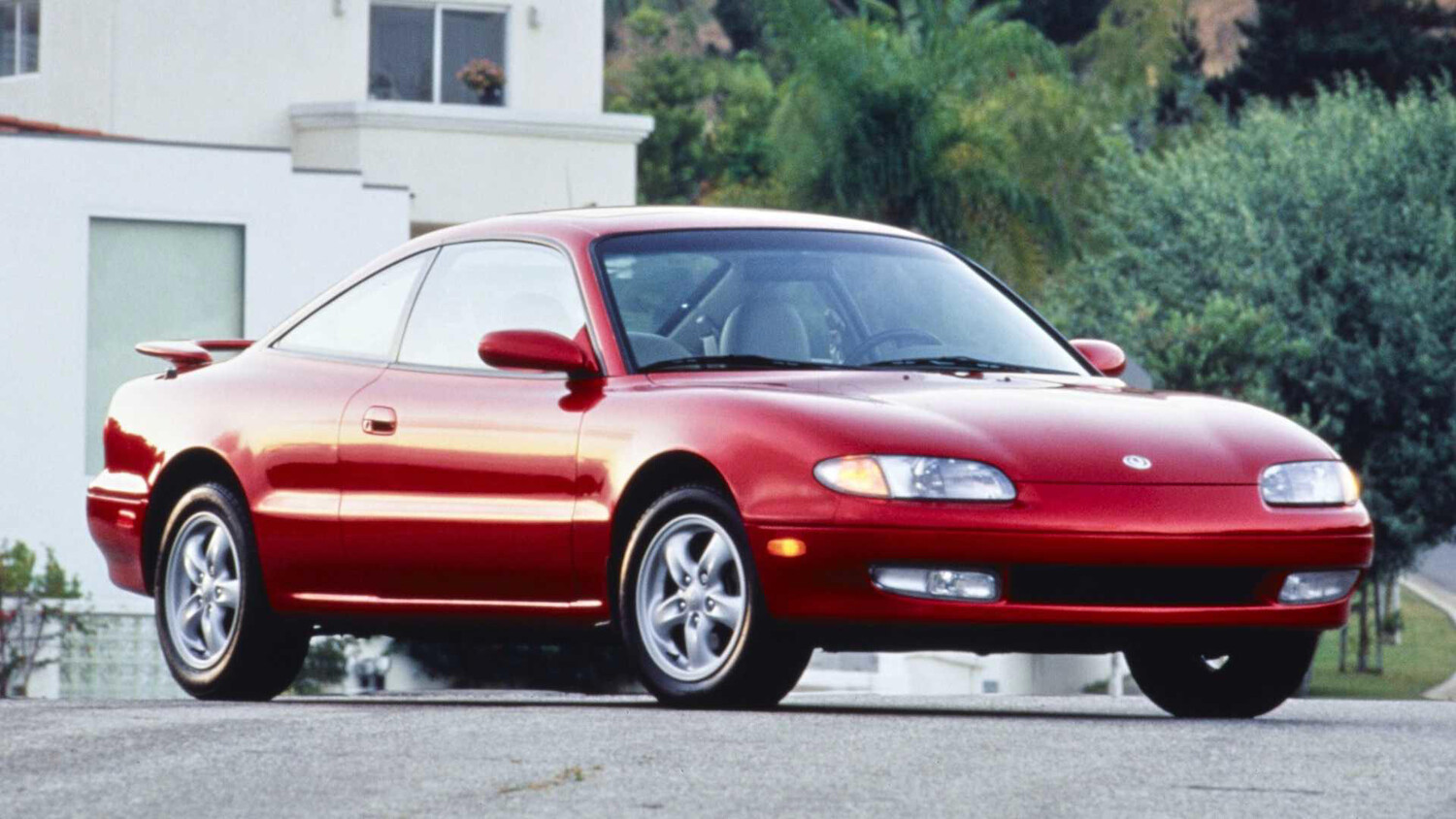
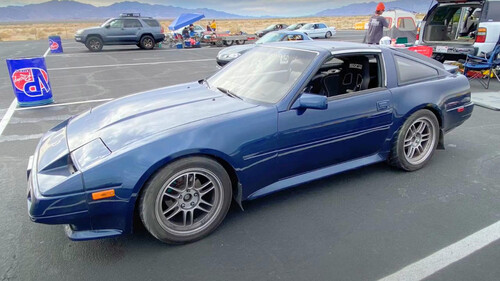
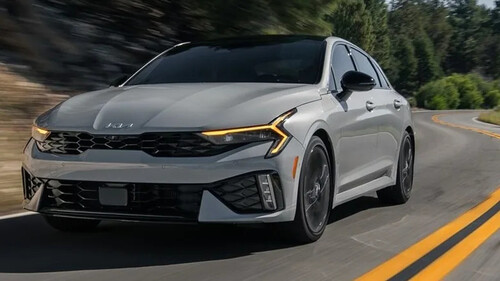
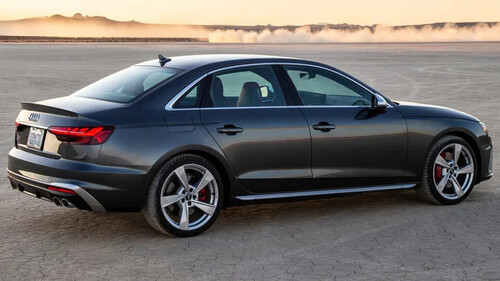
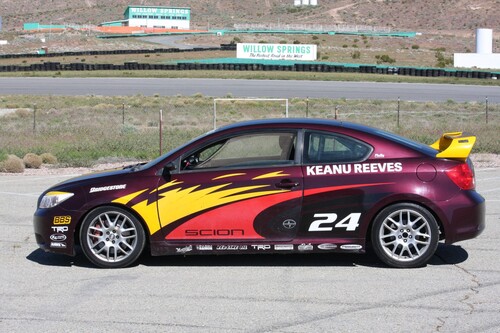
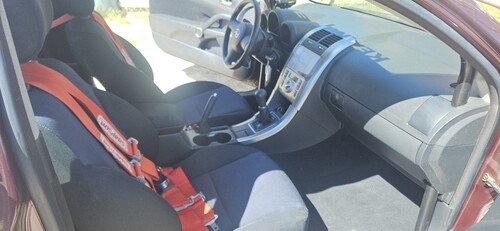
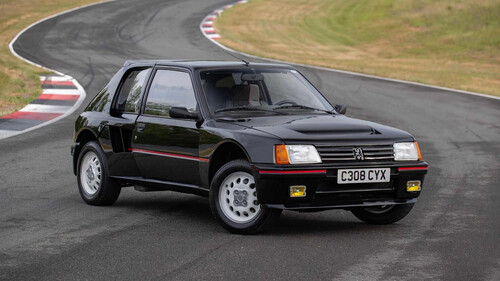
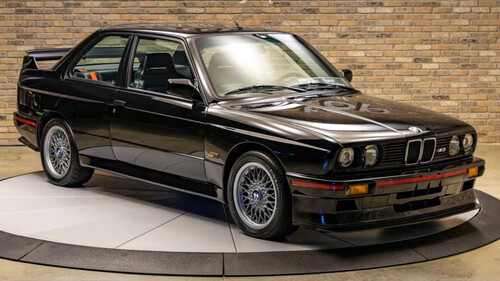
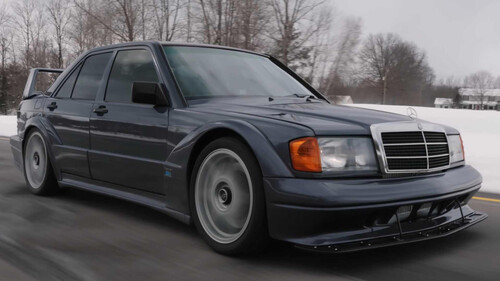
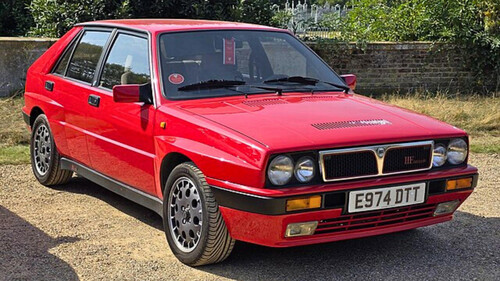
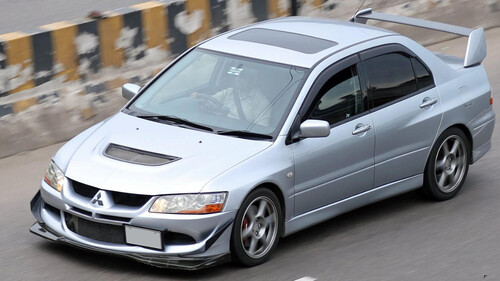
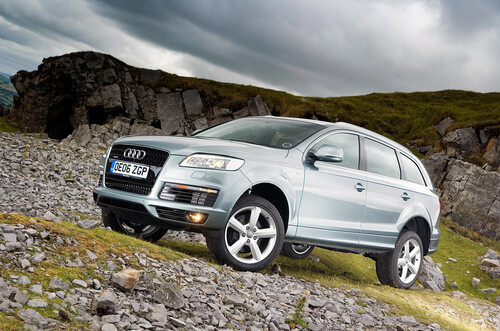
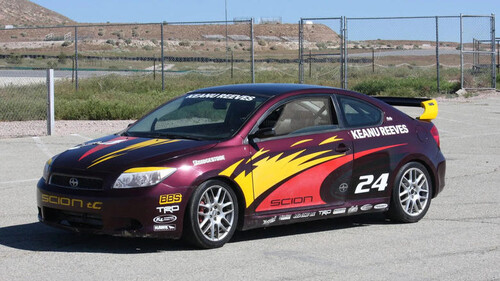
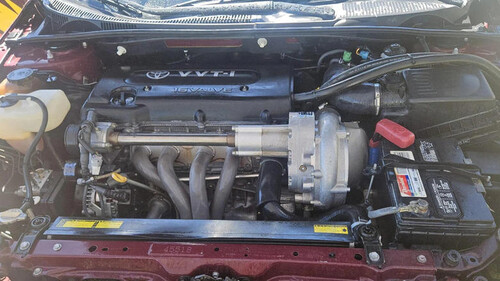
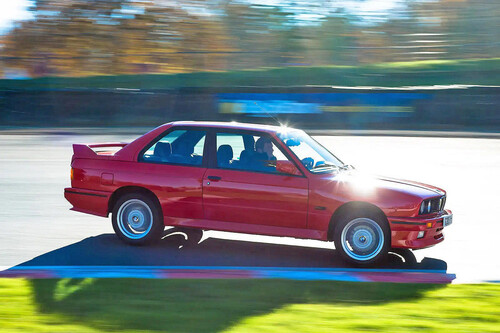
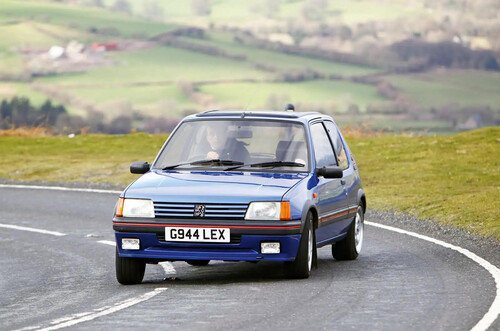
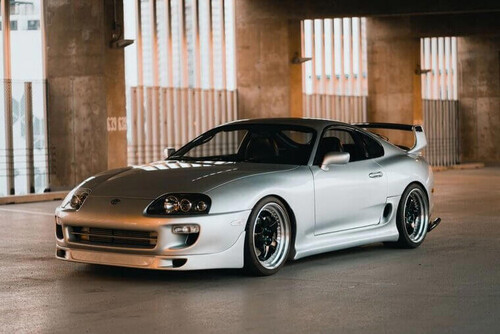
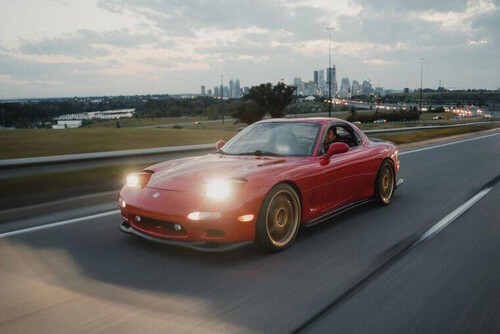
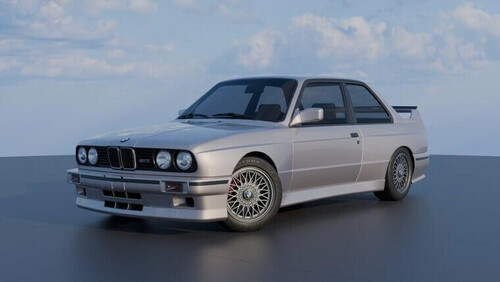
Why are rear-wheel drive cars the most fun to drive? Well, that layout is typically optimal for handling, weight distribution and, of course, getting sideways. And with this subtle (or maybe not-so-subtle) preference lingering in our minds, we often look at cool sports cars and automatically assume the rear wheels are driven.Obviously, that's not always the case. It's an unavoidable canon event for new enthusiasts to assume a front-wheel drive car is rear-wheel drive, and get promptly schooled by a seasoned gearhead. And we thought today we'd explore that idea with a group of cars you may not know are front-wheel drive.And one last disclaimer: we know the veteran enthusiasts will likely know about these, so don't fry us in the comments.In this article, all factory specifications are sourced directly from each car's respective manufacturer. If specs are not available from the manufacturer, they are sourced from reputable automotive outlets like Car and Driver, MotorTrend and more. Audi TT (Until 2010) Cars & Bids In no particular order, we begin with the Audi TT. The TT itself, as well as the Audi brand as a whole, has always been inextricably linked to all-wheel drive. They've constructed some of the best all-wheel drive cars ever made, leading many to believe that every Audi you see puts power to all four wheels.Before 2010, though, that wasn't the case with the Audi TT. For the 8N and 8J generations, lower trims with the 1.8T and 2.0T engines came in base form with front-wheel drive. For the 8N, the 3.2-liter V6 option was only available with all-wheel drive. As for specifications, the early 1.8-liter turbo-fours made between 180 and 225 horsepower with all-wheel drive equipped, while the 3.2-liter V6 made 250 horsepower.The later 2.0-liter turbo engines made 200 horsepower in base spec and up to 265 horses in TTS spec. Across the 8N and 8J, a five-speed manual, six-speed manual, and six-speed automatic transmission were available depending on engine configuration. Scion tC Scion While the confusion with the Audi stems more from the brand's image, our next pick, the Scion tC, is confusing for a different reason - its proportions. Both of these themes will be apparent throughout the rest of the article, but let's talk about the tC specifically. Scion is a sub-brand of Toyota that was marketed primarily towards younger buyers in the North American market, and the tC was one of its sportiest options.Its design proportions, especially in later models (2011-2016), are very rear-wheel drive centric, with a short deck and long skinny driver and passenger windows, it could easily fool the average car guy into thinking it's rear-wheel drive or maybe even all-wheel drive. First-gen models came with a 2.4-liter naturally-aspirated inline-four producing 161 horsepower and 162 pound-feet of torque, while the second-gen car used a 2.5-liter inline-4 that made 180 horsepower and 172 pound-feet of torque.Transmission options for the first-gen included a five-speed manual and four-speed automatic, while the second-gen came with a new six-speed manual and six-speed automatic. And a fun fact: the tC is one of the cars that gets pulled over the most. Ford Probe GT Ford From the 1980s until the mid-2010s, Ford owned significant shares in Mazda. This partnership resulted in vehicles like the Mazda B4000 trucks, which were related to the Ford Ranger, as well as the Mazda B2000 and Ford Courier, which were also related. The Ford Probe was another badge-engineered car with Mazda, which shared the same G-platform as some of Mazda's compact cars in the 1980s and 1990s.And yes, it is front-wheel drive. This is another case of skewed proportions, and just like the Scion tC, the Probe's design is where the confusion lies. Especially in the second-generation cars from 1993 onward, the Probe looks like a slick Japanese sports car with its space-age design and full-glass greenhouse (we think it's aging like fine wine). And the sportier GT models are even more confusing, considering they are the performance variant of this small sports car, which feels like it should be rear-wheel drive even more.First-gen Probe GTs came with a 2.2-liter turbo-four making 145 horsepower and 190 pound-feet of torque, while the second-gen GTs sported a 2.5-liter naturally aspirated V6 making 164 horsepower and 156 pound-feet. Mitsubishi Lancer GT Mitsubishi For the ninth-generation Mitsubishi Lancer, also known as the last one sold worldwide, Mitsubishi offered a range of trims that sat below the mighty Lancer Evolution models and the slightly detuned Lancer Ralliart, both of which were all-wheel drive and had turbocharged four-cylinder engines. Our pick, and the highest non-Ralliart/Evolution trim, is the Lancer GT.The GT came with a 2.4-liter naturally aspirated inline-four that produced 168 horsepower and 167 pound-feet of torque, mated to either a five-speed manual or continuously variable transmission that sent power to the front wheels only. The reason it makes this list is because all enthusiasts associate the Lancer with the Evolution models, which always denotes all-wheel drive, rally-racing goodness, but we often forget that the lower trims exist in front-wheel drive form. Mazda MX-6 Mazda Remember when we mentioned the Mazda-Ford partnership and how the Probe was a Mazda underneath? Well, this is it! The Probe was based on this MX-6 and was mechanically identical except for a few miscellaneous parts and, of course, the bespoke bodywork. Built from 1987 through 1997, the MX-6 had two distinct generations. The second-gen cars are what we'll focus on, but both body styles could fool someone into thinking it's rear-wheel drive.The second-gen MX-6's curvy, flowing lines and overall proportions almost make it look like a mid-engined, rear-wheel drive coupe, when in reality, it was a front-engine, front-drive vehicle. Under the hood of the updated second-gen cars was a 118-horsepower 2.0-liter naturally aspirated inline-four as the base engine, but could also be equipped with the same 164-horsepower 2.5-liter V6 that the Probe GT received. Both trims were offered with a five-speed manual and four-speed automatic. Dodge Neon SRT-4 Cars & Bids The Neon SRT-4 has long had a dedicated cult following and, even in recent years, has gained more attention for its outstanding performance as a compact sedan of the mid-2000s. But for the average new enthusiast, the SRT-4 could be a bit tricky to identify as a front-wheel drive car. For starters, Dodge is primarily a rear-wheel drive company, meaning most would associate any Dodge product with that same layout.Secondly, the Neon SRT-4 is the high-performance variant of this Dodge product, and like the Probe GT, most would assume that a special car like this must drive the rear tires or all of them for that matter. But what it lacks in drift potential, it makes up for with power. The front-drive SRT-4 came from the factory with a 2.4-liter inline-four breathing through a Mitsubishi-sourced TD04-L-16GK turbocharger, which brought the power rating up to 215 horsepower and 245 pound-feet for the 2003 model year. For 2004 and 2005, the turbo-four made 230 horsepower and 250 pound-feet of torque. Honda Prelude (5th-Gen) Honda I remember when I first saw a 5th-gen Prelude before having any car knowledge and thinking it must have been the coolest rear-wheel drive Honda of all time. Maybe you can relate, but of all the cars on this list, the Prelude has to be the biggest catfish among them. The combination of its short deck and long hood is a tell-tale sign of a rear-drive sports coupe, but, as you know, it's always been a front-wheel drive car.In the U.S., we only received the base model and Type SH trims, which both shared a 2.2-liter naturally aspirated inline-four that produced 195 horsepower and 156 pound-feet of torque. Honda also offered two transmission options: a five-speed manual or a four-speed automatic unit. The 1997 model, in particular, was named the best handling car under $30,000 by Car and Driver. Lancia Delta HF Bring A Trailer The Lancia Delta first debuted in 1979 and was a huge hit in the economy-hatch segment in Europe. But the first true performance variant of the Delta wouldn't come until 1983, with the HF. You might be confused, thinking, "The HF is 100% AWD, this guy has no idea what he's talking about." But we promise, this isn't a joke.The HF you're thinking of is the HF Integrale, which is the all-wheel-drive homologation version of the dominant Integrale rally cars. Our featured car is just the Delta HF with no Integrale. Also known as the HF Turbo, this front-wheel-drive variant was powered by a 1.6-liter turbocharged inline-four putting down 128 horsepower and 140 pound-feet of torque. Alfa Romeo GTV (Type 916) Car & Classic An Italian sports coupe surely wouldn't stoop to the level of front-wheel drive, would it? Wrong. The Alfa Romeo GTV Type 916 is just that. This car was built to bring back the glory days of Alfa's iconic coupes, and in tandem with the Pininfarina design house, Alfa Romeo unveiled this wacky-looking, but uniquely cool machine.Again, the proportions are the most confusing part. A good eye could spot the slightly bulkier front end that houses all the extra parts for the transaxle, but in general, the wide, tapered rear end makes this coupe look like it should be sliding sideways through a corner. Under the unusual skin was a myriad of engines from 1993 to 2004, including 1.8 and 2.0-liter inline-fours making between 142 and 148 horsepower, as well as 2.0, 3.0, and 3.2-liter V6 engines that produced between 189 and 237 horsepower.