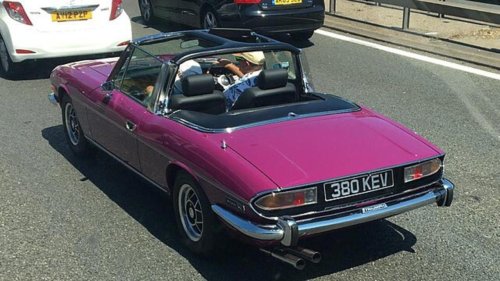
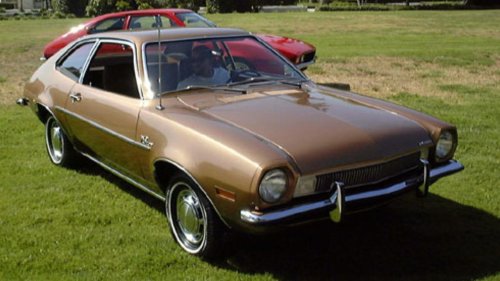
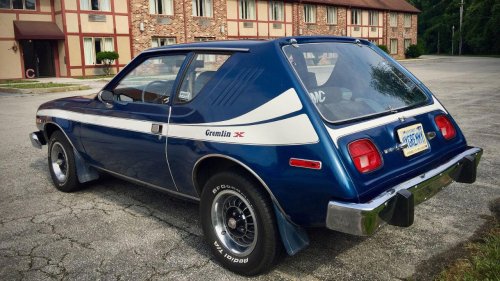
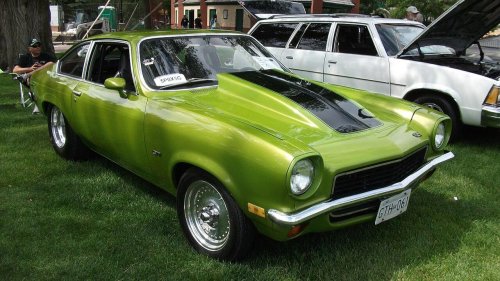
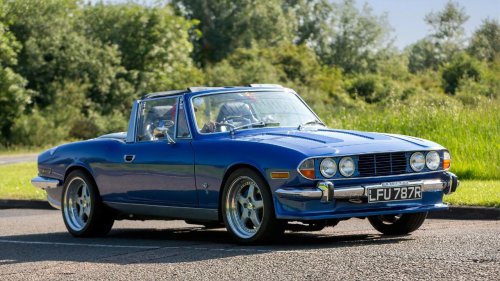
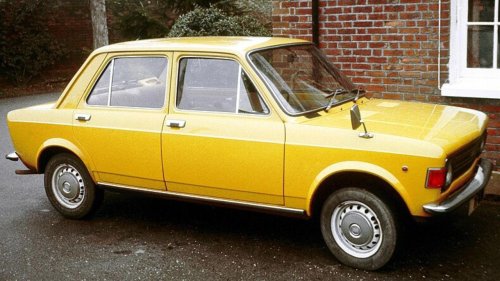
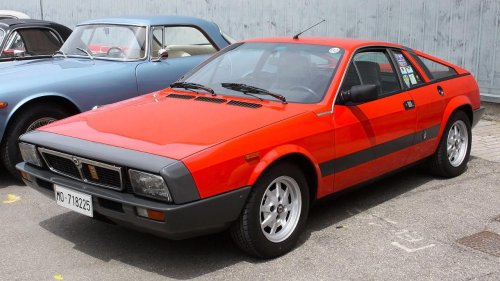
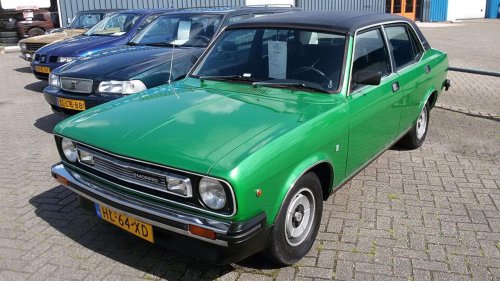



















The 1970s were a vibrant era for automotive design, but not all cars from that decade have aged gracefully. Some models have become infamous for their mechanical problems, safety issues, or simply being outclassed by modern standards. Let’s take a closer look at eight cars from the ’70s that are better left in the past.Ford PintoThe Ford Pinto, produced from 1971 to 1980, is often remembered for its controversial safety issues. A design flaw in the fuel tank placement made it susceptible to fires in rear-end collisions. Despite Ford’s efforts to address these concerns, the Pinto’s reputation was irreparably damaged. Today, it serves as a cautionary tale about the importance of safety in automotive design. Beyond its safety issues, the Pinto was also criticized for its lackluster performance and uninspiring design. Its small size was intended to compete with imports, but it offered little to make it stand out in a crowded market. The Pinto’s story is a reminder of how critical safety and innovation are to a car’s long-term success.AMC GremlinThe AMC Gremlin, introduced in 1970, was AMC’s attempt to create a compact car that would appeal to American drivers. Its distinctive hatchback design set it apart, but it was often ridiculed for its awkward appearance. The Gremlin’s short wheelbase and overall proportions made it look more like a quirky experiment than a serious contender in the compact car segment. In addition to its polarizing design, the Gremlin was plagued by quality control issues. From rust problems to unreliable engines, it struggled to maintain a positive reputation. While some appreciate its unique charm, the Gremlin remains a symbol of the challenges automakers faced in adapting to the changing automotive landscape of the 1970s.Chevrolet VegaThe Chevrolet Vega, produced from 1970 to 1977, was Chevy’s answer to the growing demand for small, fuel-efficient cars. Despite its promising start, the Vega quickly became known for its poor build quality and mechanical issues. Engine problems, particularly with the aluminum block, led to frequent breakdowns and costly repairs. While the Vega initially drew attention for its sleek design and innovative engineering, these positives were overshadowed by its reliability issues. The car’s reputation took a hit, and it struggled to regain consumer trust. Today, the Vega is often remembered as a cautionary example of the pitfalls of cutting corners in automotive manufacturing.Triumph StagThe Triumph Stag, launched in 1970, was a British luxury sports car that promised style and performance. Unfortunately, it was notorious for its mechanical unreliability, particularly related to its V8 engine. Problems with overheating and timing chain failures plagued the Stag throughout its production run. Despite its elegant design and comfortable ride, the Stag’s mechanical issues overshadowed its positives. It became a maintenance headache for many owners, and its reputation suffered as a result. While some enthusiasts have managed to keep their Stags running with modern upgrades, the car remains a reminder of what happens when engineering doesn’t meet expectations.Fiat 128The Fiat 128, introduced in 1969 and sold through the mid-1970s, was notable for its front-wheel-drive layout, which influenced many future designs. Despite this innovation, the 128 struggled with rust issues that were common in Fiats of the era. Its bodywork often succumbed to corrosion, especially in regions with harsh winters. Aside from the rust problems, the 128 was a competent car with decent handling and practicality. However, its lack of durability overshadowed these benefits. The Fiat 128’s legacy is a mixture of pioneering design and the challenges of maintaining quality in mass production.Lancia BetaThe Lancia Beta, launched in 1972, was a stylish Italian car with a sporty edge. Unfortunately, it suffered from severe rust problems that affected its structural integrity. The Beta’s reputation was further damaged when reports emerged of the car’s suspension components detaching due to corrosion. Despite its advanced engineering and comfortable ride, the Beta’s rust issues were insurmountable. The car’s reputation never recovered, and it became synonymous with poor durability. While some Betas may still be found on the road today, they serve as a testament to the importance of quality materials and construction in automotive design.Morris MarinaThe Morris Marina, produced from 1971 to 1980, was intended to be a practical and affordable family car. However, it was often criticized for its uninspired design and lack of refinement. The Marina’s handling and ride quality were frequently described as subpar, making it a less-than-ideal choice for drivers seeking comfort and reliability. In addition to its lackluster performance, the Marina faced issues with rust and mechanical reliability. These problems contributed to its declining popularity and eventual discontinuation. The Marina remains an example of the challenges faced by British manufacturers in the competitive automotive market of the 1970s.