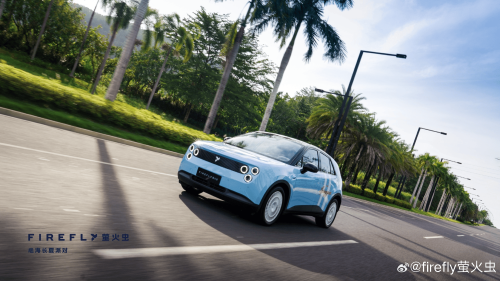
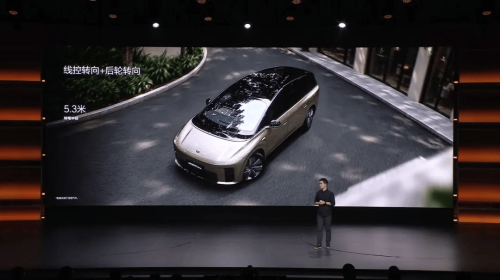
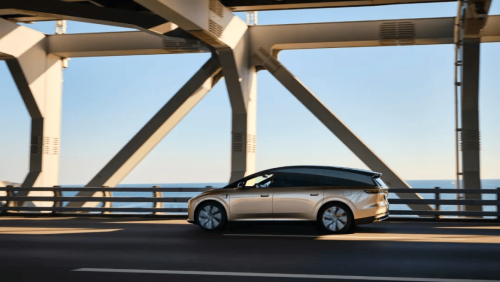
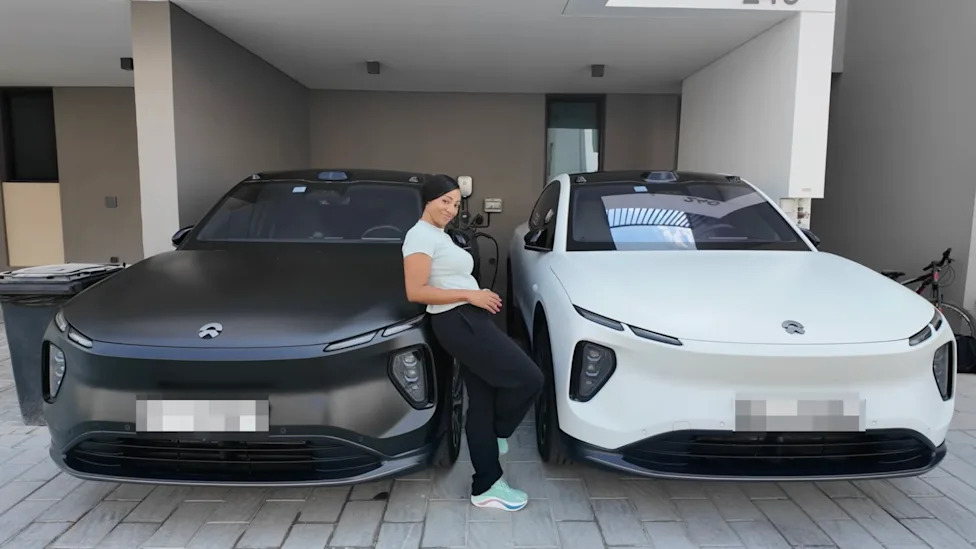
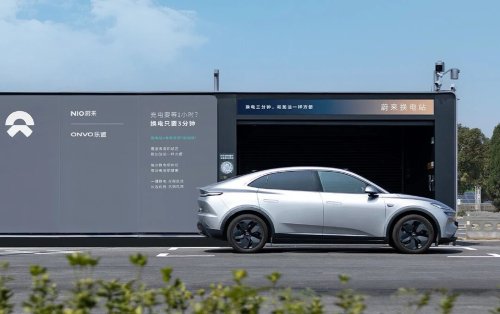
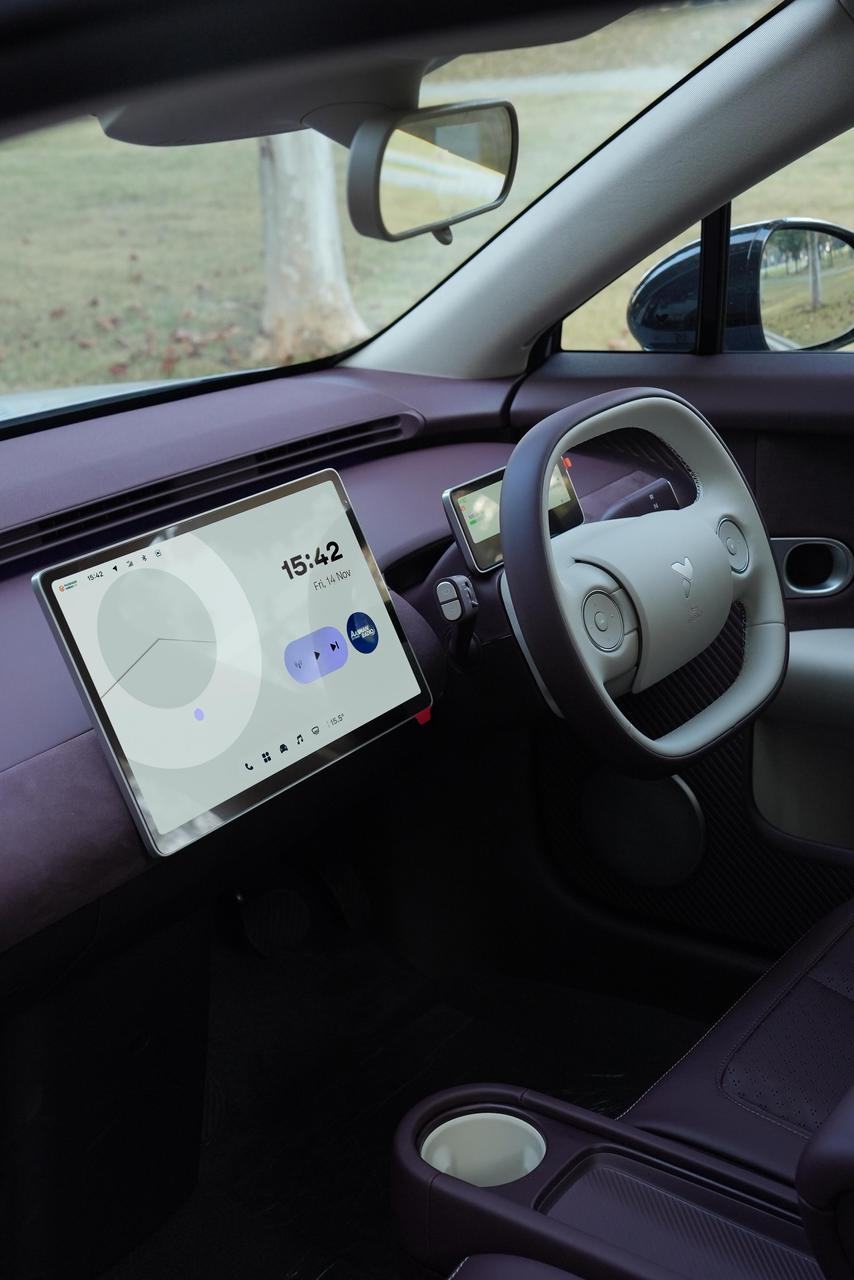
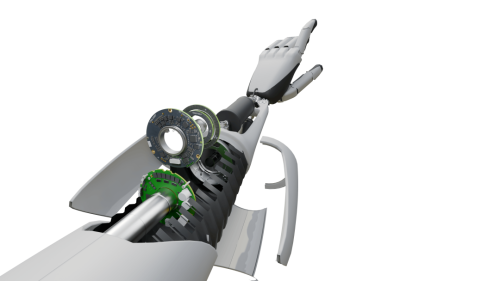
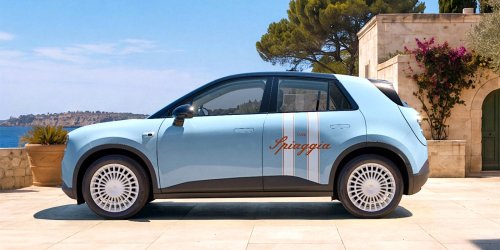
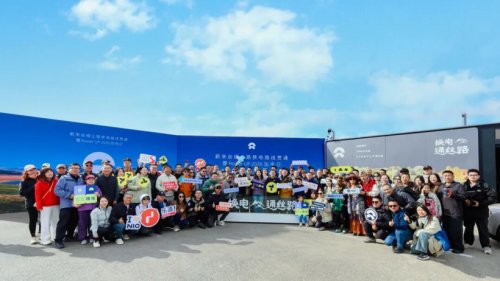
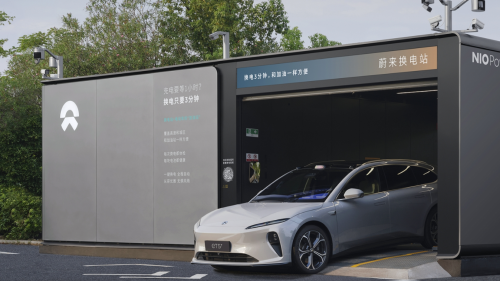
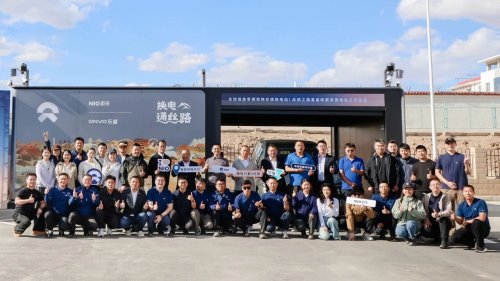
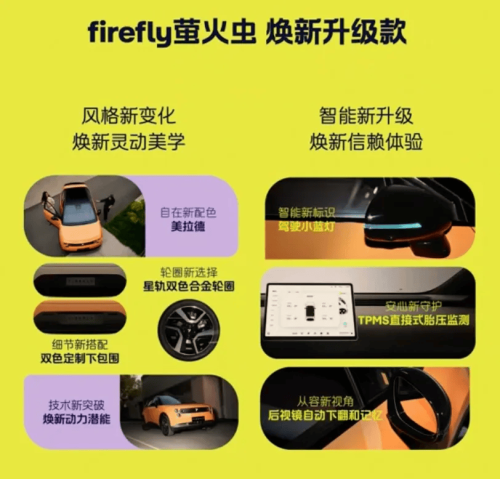
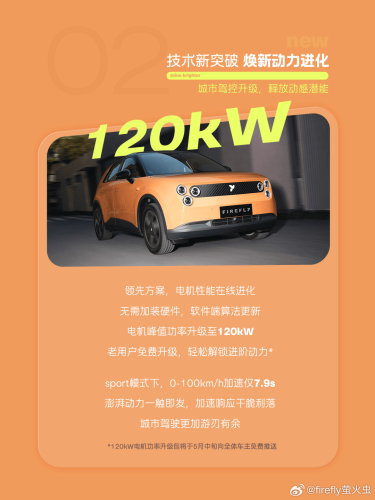
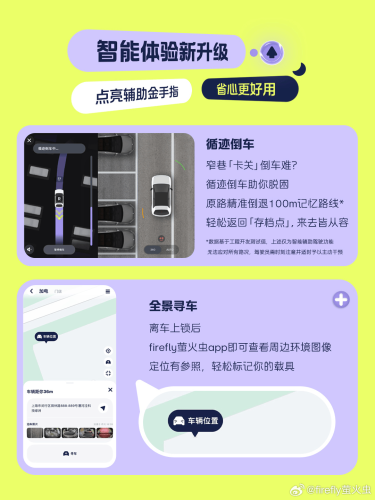
As a standard, traditionally defined compact car, what can firefly actually do? Beyond daily commuting and urban maneuverability, real owners revealed at the “firefly First Anniversary” event that the vehicle can also take users on trips as ambitious as driving to Mount Everest, weekend getaways, and even sports activities. It is likely this unexpectedly strong product capability that has driven firefly’s market outperformance. Since launch, cumulative deliveries have exceeded 50,000 units, surpassing earlier expectations from CEO William Li that “a few thousand units per month domestically would already be decent.” To remain competitive in an increasingly demanding market environment and sustain both product and brand momentum, the refreshed firefly was officially unveiled on April 7, 2026. However, the most notable takeaway from the launch event is that existing owners have little reason to feel “left behind.” This has little to do with pricing—the 2026 firefly retains identical pricing to the outgoing model. It starts at RMB 119,800 ($17,470) or RMB 79,800 ($11,640) under the BaaS (Battery as a Service) scheme, with the top trim at RMB 125,800 ($18,340) or RMB 85,800 ($12,510) under BaaS. Refreshed firefly The core message is that all upgrades introduced in the new model are also accessible to existing vehicles. This is rare across the industry: new hardware can be retrofitted via official upgrade packages, while software features will be rolled out simultaneously to both new and existing users. Even the increase in motor output can be unlocked via a free OTA update—something that is typically a paid feature in comparable implementations such as those by Tesla. While existing owners may feel reassured, it is worth examining what tangible upgrades the refreshed firefly delivers—and how legacy users effectively “benefit passively.” Comprehensive upgrades across hardware and software As noted by Vice President Jin Ge, the updates to the new firefly focus on both hardware and software layers, primarily addressing prior usability gaps. Some enhancements had already been disclosed, such as tapping the front hood to automatically open it, which will be rolled out to all users in May. So what upgrades are exclusive to the 2026 model? At present, these appear limited to a new wheel design valued at RMB 3,000 ($437) and a newly introduced dual-tone lower body trim not available on the previous model. Upgrades in the refreshed firefly As for the new “Melard” color option, it had briefly been offered on the older model as a limited option. Its return is driven by strong user demand, priced at RMB 4,000 ($583), with a limited-time discount to RMB 3,000 ($437). Other upgrades can be described as “temporarily exclusive.” As mentioned earlier, new hardware can later be installed via official retrofit packages, while software features will be deployed across all vehicles through the Aster 1.4.0 OTA update. On the hardware side, both the 2026 model and retrofitted 2025 units will gain three new features: TPMS tire pressure monitoring, automatic mirror tilt-down, and an auxiliary driving indicator light. Specific package configurations and pricing are expected to be announced within two weeks. Notably, the increase in motor output to 120 kW can also be unlocked via OTA. Motor upgrade in the refreshed firefly While software-based performance unlocking is not new, the fact that this upgrade is provided free of charge is uncommon in the industry. On the software side, all firefly users will receive updates via Aster 1.4.0, while the 2026 model ships with the system pre-installed. New system features include: Ambient lighting with dynamic “band-style” effects Customizable lock sounds (preset or user-uploaded) Game screen projection (including Switch casting) Reverse trajectory assist (up to 100 meters memory) Vision-based parking assist with offset parking capability Mis-acceleration suppression with audible alerts New “smooth” driving mode to reduce pitch during acceleration, with synchronized visual transitions Additional features such as “intelligent guard mode” and traffic light countdown have also been introduced, although they are not exclusive due to unchanged hardware. Aster 1.4.0 Overall, the 2026 firefly represents a conventional mid-cycle refresh. What sets it apart is the ability for existing owners to access most new features via paid or free upgrades, reflecting a product strategy that explicitly considers legacy users and avoids the perception of obsolescence. A defensive move in a competitive market? Under prevailing industry practices, even minor facelifts often introduce significant upgrades that render older models less competitive, leading to the common perception of “early buyers losing out.” firefly’s approach is markedly different: limited upgrades, but full backward compatibility for existing users. The rationale can be traced back to Jin Ge’s opening remarks—according to third-party surveys, firefly’s user satisfaction has reached 97%, up 4 percentage points sequentially. This suggests that the current product already meets user expectations, and incremental refinements are sufficient to address remaining pain points. Refreshed firefly In other words, this restrained update strategy reflects strong confidence from the firefly and NIO Inc. teams in the product’s maturity. From a sales perspective, firefly has already exceeded market expectations, with peak monthly sales surpassing 6,000 units and an average above 4,100 units, placing it among the leaders in the premium compact segment. More pragmatically, firefly does not appear under immediate competitive pressure. In the absence of clearly dominant rivals, its market performance is unlikely to fluctuate significantly in the short term, barring seasonal industry slowdowns. At the same time, this first facelift underscores the product’s high level of completeness from launch. Looking ahead, it is reasonable to expect limited changes in user experience until a full generational overhaul arrives—offering consistency that many users may value. This translates into two tangible benefits: residual value stability in the secondary market, and peace of mind for buyers, who no longer need to worry about rapid product obsolescence. In today’s highly competitive Chinese EV market, the latter is an increasingly rare proposition.





















 +71 others