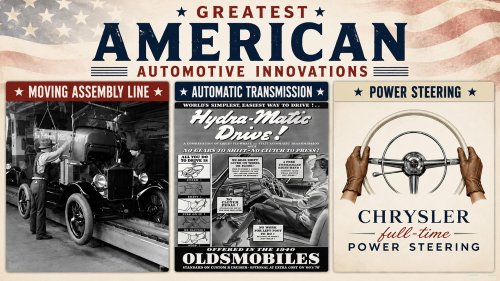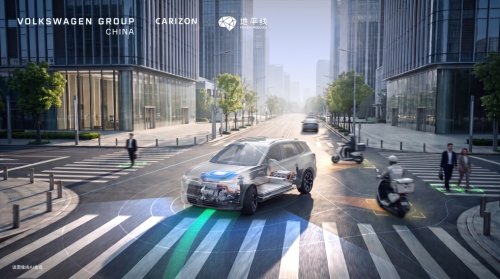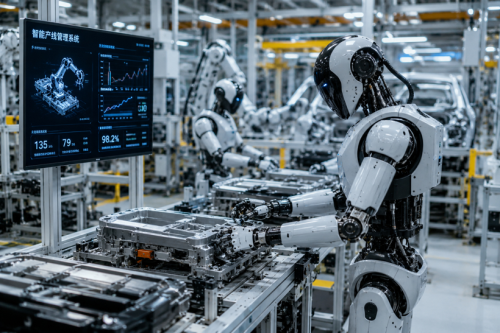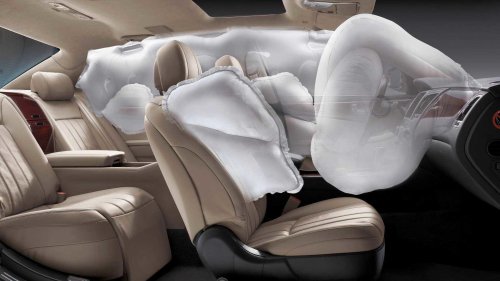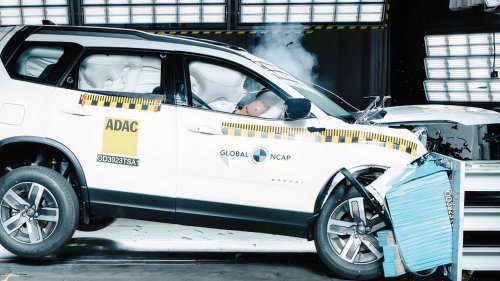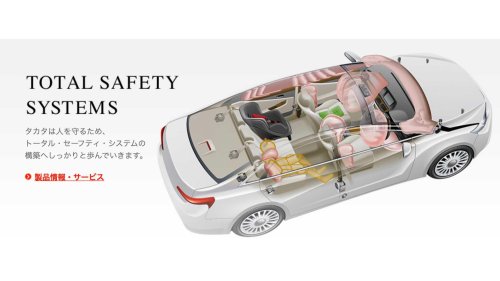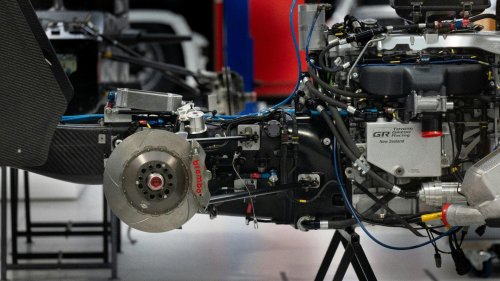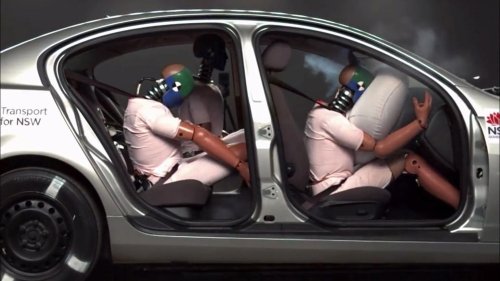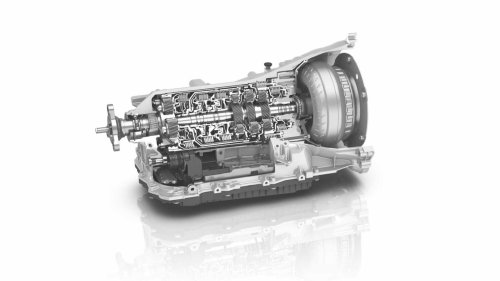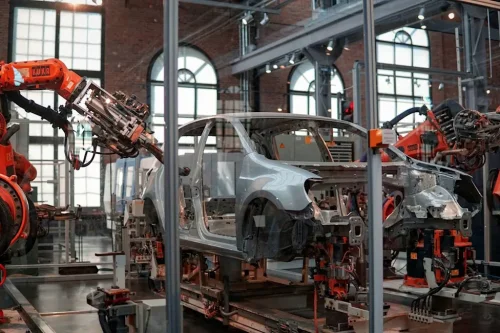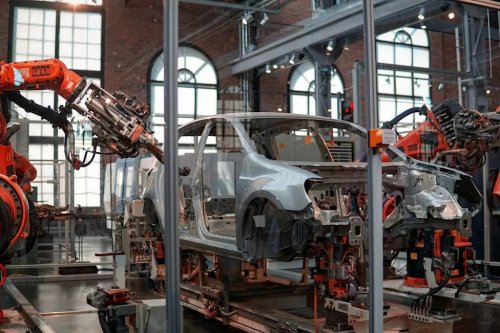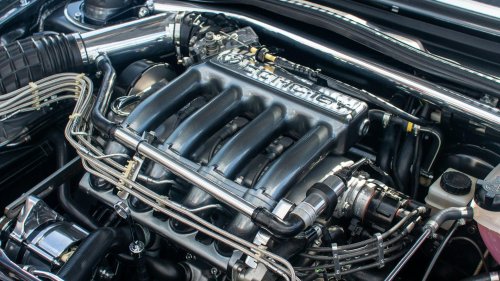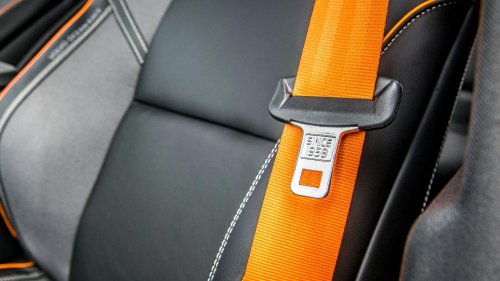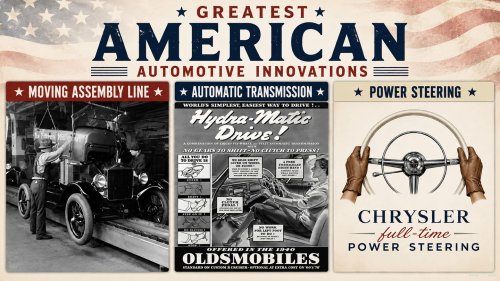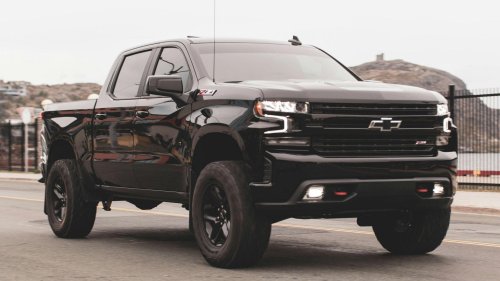







































The Road To InnovationCars have come a long way, and so has the technology inside them. What started as a way to get from point A to point B quickly has evolved into a world of incredible innovation. Some of these upgrades are so amazing that they've totally altered how we experience the road, making driving safer and smarter. So, here are 20 car innovations that completely reshaped the automotive world as we know it.1. Assembly Line ManufacturingThe introduction of this feature by Henry Ford in 1913 revolutionized car production. By standardizing the manufacturing process, it drastically reduced production times and costs. This made cars affordable for the average person, forever changing the automotive market.2. Internal Combustion Engine (ICE)The internal combustion engine (ICE), invented in the late 19th century, remains the most common power source for cars. Before this, horse-drawn carriages and steam-powered vehicles were the primary means of travel. In short, ICE powered the dawn of an entirely new era in transport.3. Electric Starter MotorGone are the days of using hand cranks to start a car. In 1912, the electric starter motor enhanced car engines, making them much safer and more convenient. Invented by Charles Kettering, it replaced the need for this manual effort and sparked an evolution in car design.4. Safety Cell And Crumple ZonesIntroduced by Mercedes-Benz in the 1950s, these features focus on absorbing the energy of a collision and directing it away from the vehicle's occupants. Crumple zones are strategically placed in areas like the front and rear of a car, while the safety cell—the part that houses the passengers—remains intact.5. Anti-Lock Braking System (ABS)ABS ensures that your wheels don’t lock up when you apply the brakes, maintaining traction and allowing you to steer even in the most hazardous conditions. Today, this system is a standard feature in most vehicles, giving drivers peace of mind knowing they have enhanced control.6. AirbagsThe airbag, which inflates in a fraction of a second, was first introduced in the 1970s, but it wasn’t until the late 1980s and early 1990s that it became standard. By cushioning the impact, airbags reduce the severity of injuries.7. Seat Belts (3-Point Harness)Before the introduction of the three-point seatbelt in 1959, cars only had lap belts or no seat belts at all. Volvo’s invention of the three-point harness dramatically increased safety by securing the upper and lower parts of the body. Volvo even made the patent available to other manufacturers.8. Hydraulic BrakesHydraulic brakes give drivers greater control and reduce the likelihood of brake failure, which makes them a game-changer for car safety. Today, hydraulic brakes are a standard feature in nearly all vehicles, demonstrating their enduring importance in driving technology.9. Automatic TransmissionManual transmissions require constant shifting. On the other hand, automatic transmission simplifies the driving experience by allowing the vehicle to shift gears automatically. This innovation gave drivers the freedom to focus on the road without worrying about specific gear changes.10. Power SteeringThese systems use either hydraulic or electric actuators to assist with steering, which makes it quite easier for drivers to cross tight turns and parking lots. Once reserved for luxury cars, power steering is now a standard feature in almost every vehicle on the road.11. Cruise ControlAs a standard feature in modern cars, cruise control has evolved with adaptive versions that automatically adjust to traffic conditions, making road trips even easier. It’s a great example of how small innovations can make a big difference in the driving experience.12. GPS Navigation SystemsRemember the days of getting lost with nothing but a paper map to help you? Those days are long gone, thanks to GPS navigation. With real-time, turn-by-turn directions, you’ll never be caught without a map again (unless your phone dies, of course).13. Bluetooth ConnectivityBluetooth made it possible to connect your phone to your car without the hassle of too many wires. It’s hands-free, it’s wireless, and it’s now standard in almost every car. Bluetooth even gives you the freedom to communicate and jam out without ever having to touch your phone.14. Hybrid PowertrainsHybrid vehicles, like the Toyota Prius, entered the market in 1997, combining an electric motor and gasoline engine for better fuel efficiency. It allowed drivers to save on gas while also reducing their carbon footprint.15. Electric Vehicles (EVs)Electric vehicles, once a niche market, have surged in popularity, with Tesla leading the charge. EVs reduce reliance on fossil fuels, offering a cleaner, quieter, and more efficient driving experience. As battery technology improves, EVs will become the future of personal transportation.16. Automatic Driving TechnologySelf-driving cars might sound like a sci-fi dream, but they’re fast becoming a reality. Automatic driving technology uses sensors, cameras, and artificial intelligence to guide a vehicle without human input. So, we’re closer than ever to a world where the car drives itself.17. Lane Departure Warning SystemsA Lane Departure Warning System is one of the safety features in vehicles designed to alert the driver when the car unintentionally drifts out of its lane. It’s among the foundational technologies in the Advanced Driver Assistance Systems suite, aiming to reduce accidents caused by distracted driving.18. Electric Parking BrakesThis one on the list replaces the traditional handbrake or foot pedal with an electronic switch that activates motors to clamp the rear brakes. It enhances convenience, saves space in the cabin, and often includes features like auto-hold on inclines.19. Heads-Up Displays (HUDs)Designed to minimize distraction, HUDs let drivers access critical data without looking down at the instrument cluster. Modern HUDs often use augmented reality to overlay lane guidance or obstacle detection onto the road view.20. Vehicle-To-Everything (V2X) CommunicationWith Vehicle-to-Everything (V2X) communication, your car is constantly chatting with traffic lights, other cars, crosswalks, and even construction zones. V2X turns your vehicle into a hyper-aware, street-smart ride that sees around corners and dodges trouble.