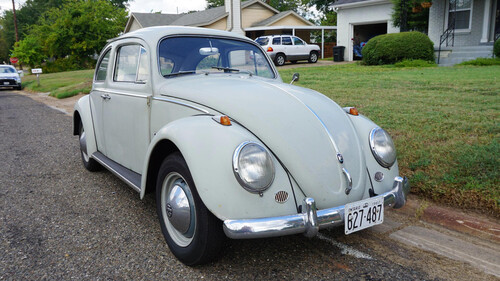
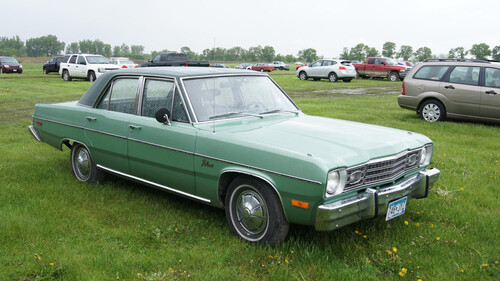
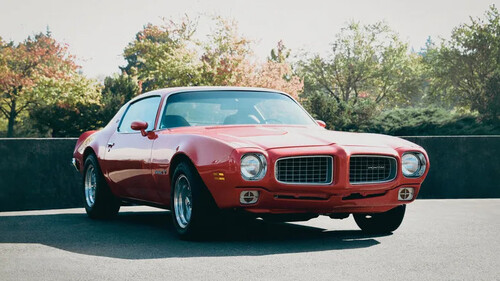
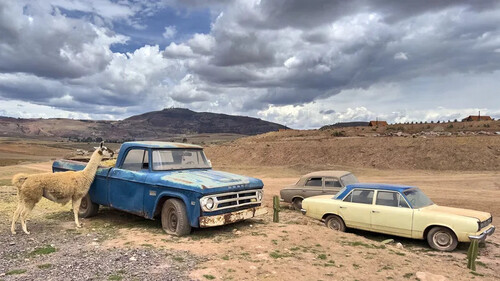
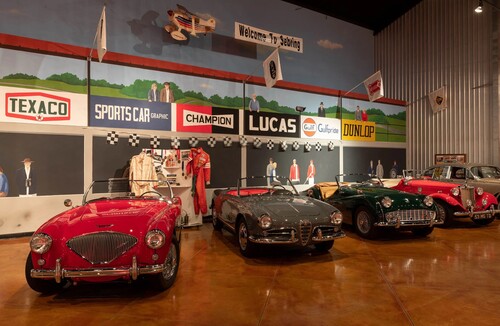
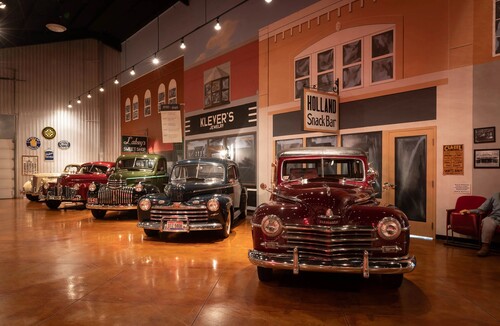
1,300 Cars, 6 Buildings, One Man's Mission: Inside Alabama's Most Jaw-Dropping CollectionThere are collectors, and then there is Ralph Mayhew. When Hagerty's Barn Find Hunter host Tom Cotter pulled up to a property outside Dothan, Alabama, he expected a substantial collection. What he found instead was something he later described as unlike anything he had encountered in more than three decades of hunting down forgotten cars: six outbuildings crammed floor-to-ceiling with over 1,300 vehicles—Cadillacs, muscle cars, pickup trucks, race cars, oddities, and everything in between—amassed by a single man over the better part of a half century.The collection, which went to no-reserve online auction through Hagerty's marketplace platform, represents one of those genuinely once-in-a-generation dispersal events that serious collectors wait years to encounter.What Was in ThereThe breadth of the Alabama collection was extraordinary. Cotter's walkthrough revealed rare Cadillac convertibles from the 1950s still largely intact under thick dust. There were muscle car survivors from the late 1960s and early 1970s—Chevelles, Impalas, a variety of Mopars—alongside trucks from virtually every decade of the American automotive era. Several of the buildings contained cars stacked on makeshift shelving or pushed so tightly together that inspection required serious patience and a good flashlight.AdvertisementAdvertisementWhat distinguished this collection from a typical junkyard or salvage yard was the evident care behind the accumulation. Mayhew didn't collect randomly. He collected consistently, with an eye for vehicles that meant something—to American automotive history, to particular manufacturers, or simply to the culture of the era in which they were built. The result was something closer to an involuntary museum than a hoarder's stockpile.Why Collections Like This MatterLarge, private collections that have never been picked over or parted out represent a genuinely different kind of opportunity for collectors. The cars have lived together in the same conditions their entire storage lives. They haven't been stripped for parts by previous owners who spotted something valuable. The documentation, where it exists, tends to be intact. And crucially, the prices at dispersal auctions—even for desirable cars—often reflect the logistical reality facing buyers: you're likely hauling something non-running out of a field in Alabama.That reality cuts both ways. Buyers who do their homework on specific vehicles and have a clear plan for transport and storage can find genuine value. Buyers who get caught up in auction excitement without thinking through the back end often overpay for problems they didn't anticipate.The Auction RealityHagerty's no-reserve format means that every car in a collection like this will sell—at whatever price the market will bear on a given day. For the right buyer with the right knowledge, a no-reserve auction on a large, lightly-picked collection is the closest thing the modern market offers to stumbling across something in the wild. The cars haven't been cherry-picked by a dealer. The prices haven't been inflated by a consignor who watched auction results all week. They're going to whoever shows up ready to buy.AdvertisementAdvertisementThe Alabama collection drew bidders from across the country and internationally. Several of the more significant muscle cars sold in the mid-five figures; the bulk of the field moved in the range of a few thousand dollars each. A handful of genuine surprises emerged—cars whose significance wasn't obvious from the listing photos but became clear to buyers willing to do the legwork.The Charitable AngleOne of the details that emerged from Cotter's visit was that many of Mayhew's acquisitions over the years were made for explicitly charitable reasons—buying cars from families or estates as a way of providing value rather than simply extracting it. The result was a collection with an unusual moral dimension: a man who spent decades turning other people's abandoned vehicles into part of something larger. Whether or not buyers were moved by that context, it shaped the character of what ended up in those buildings.Collections like this one don't appear on the market often. When they do, they reward the collectors who were paying attention—and remind everyone else what they missed.Related ArticlesAdvertisementAdvertisementFive Things Every First-Time Barn Find Buyer Gets Wrong (And How to Avoid Them)How to Value a Barn Find Car: A Practical Guide for Collectors and BuyersEngine-Out or Drive It Home? How to Decide What a Classic Car Really Needs