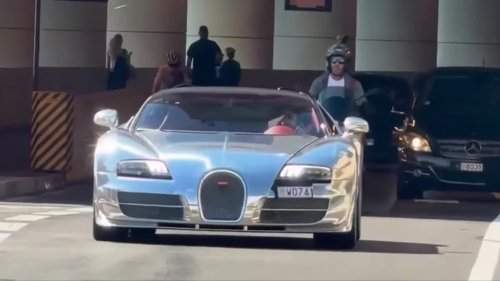
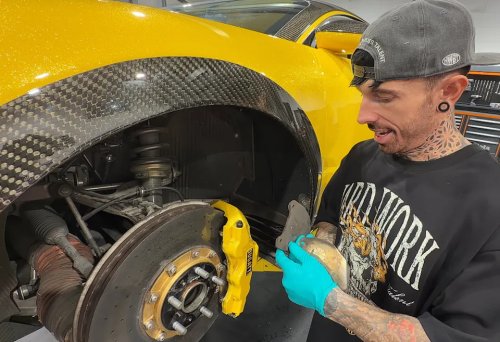
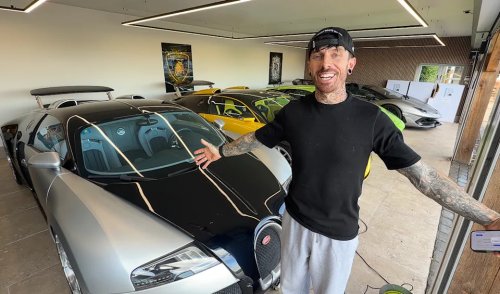
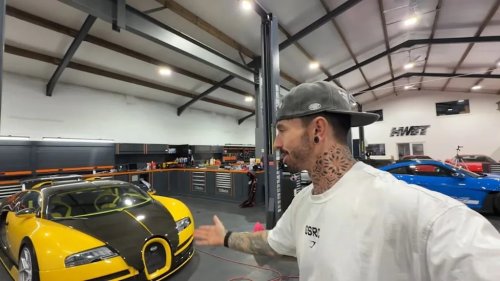
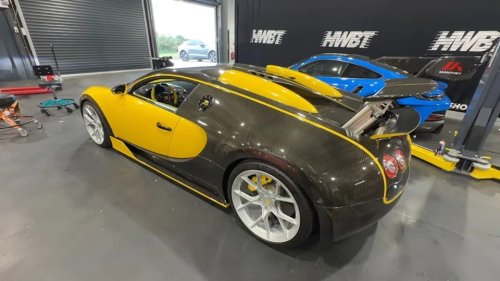
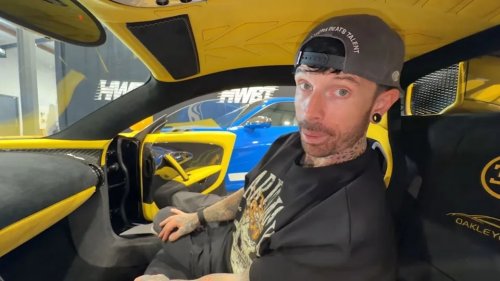
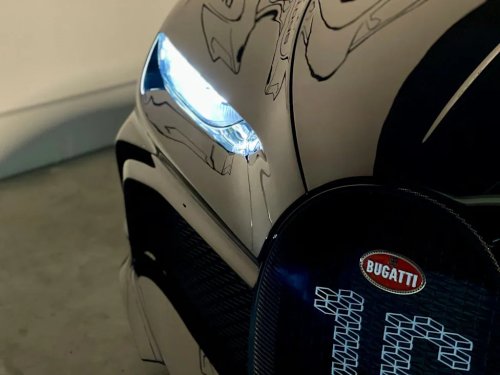
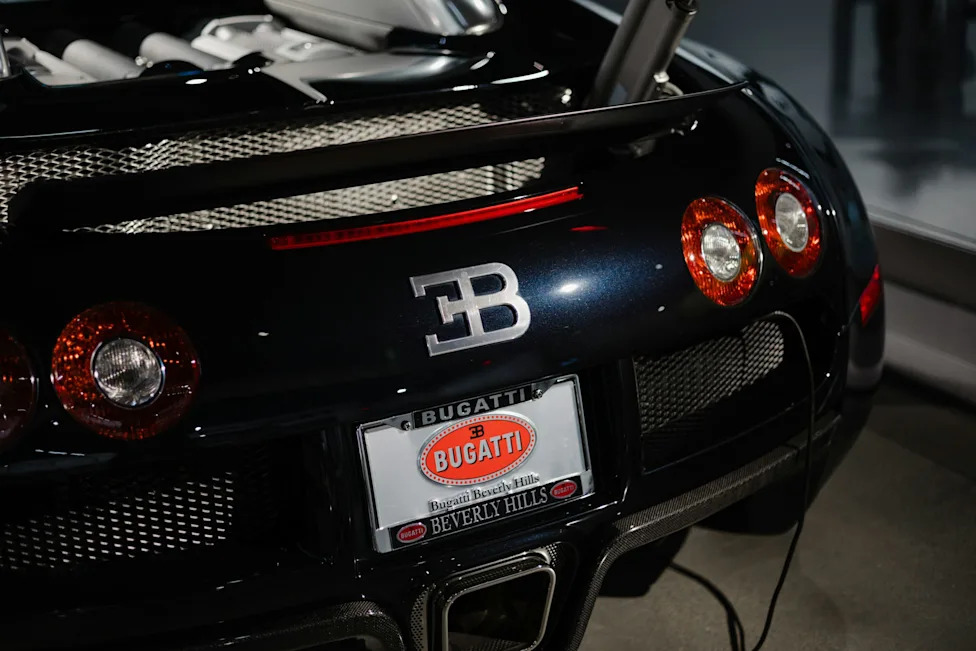
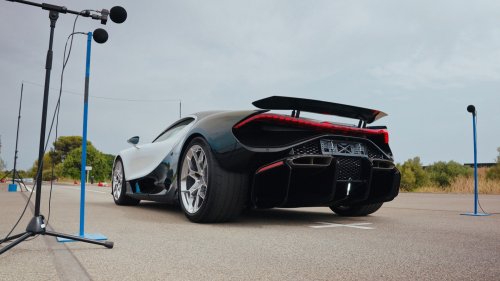
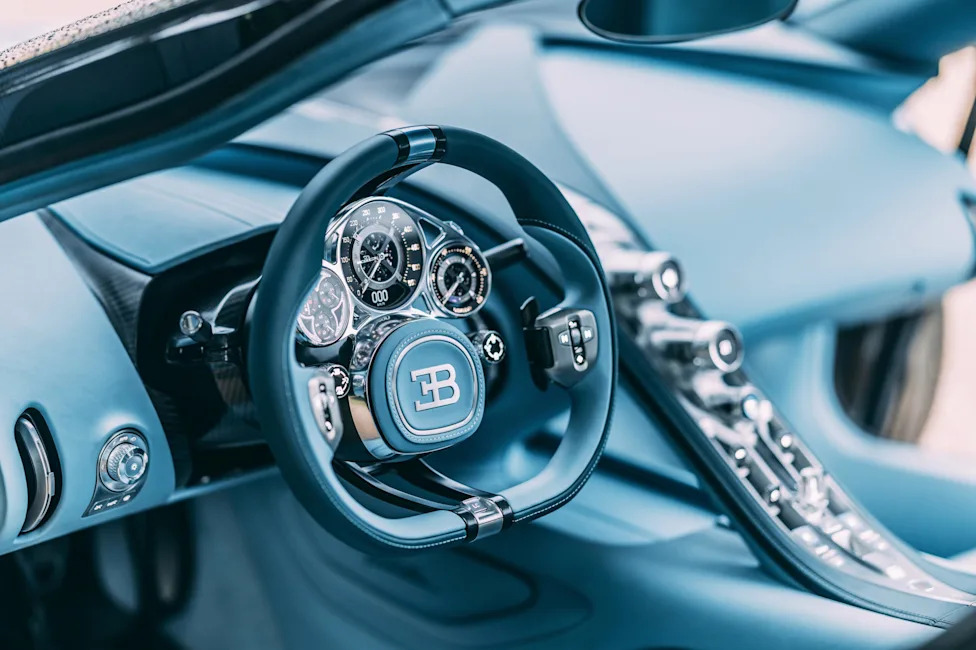
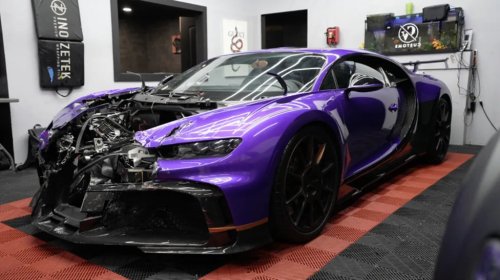
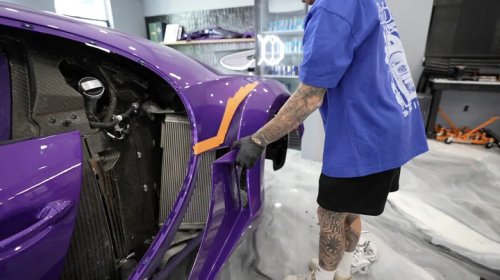
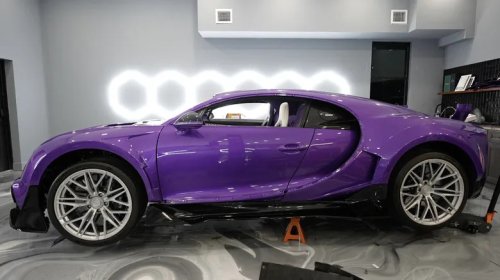
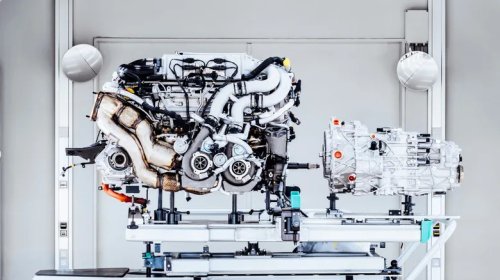
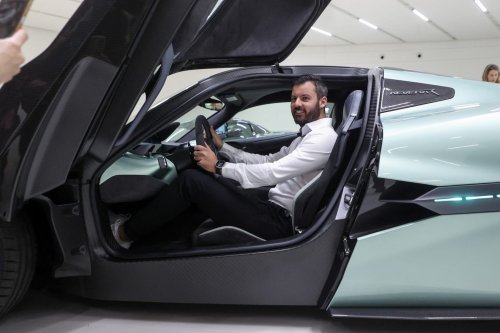
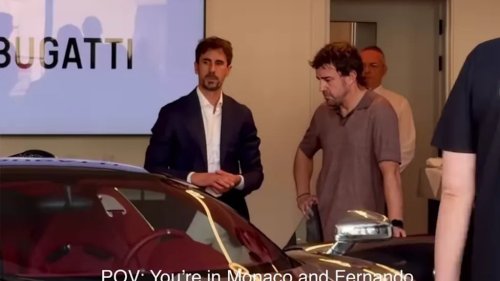
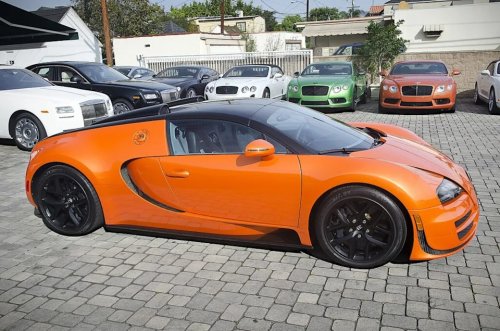
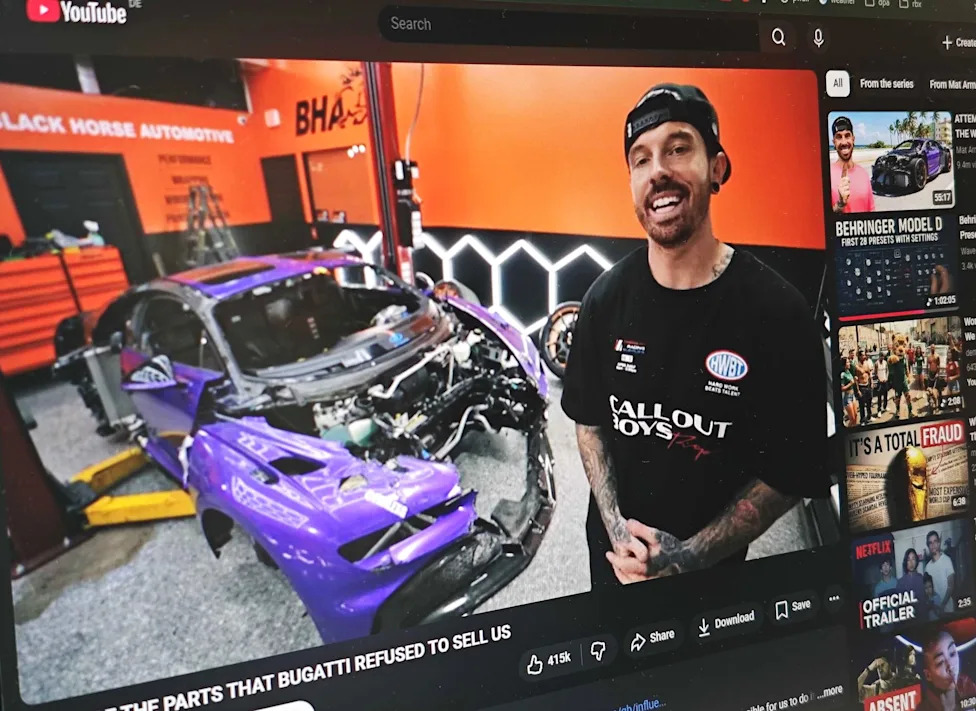
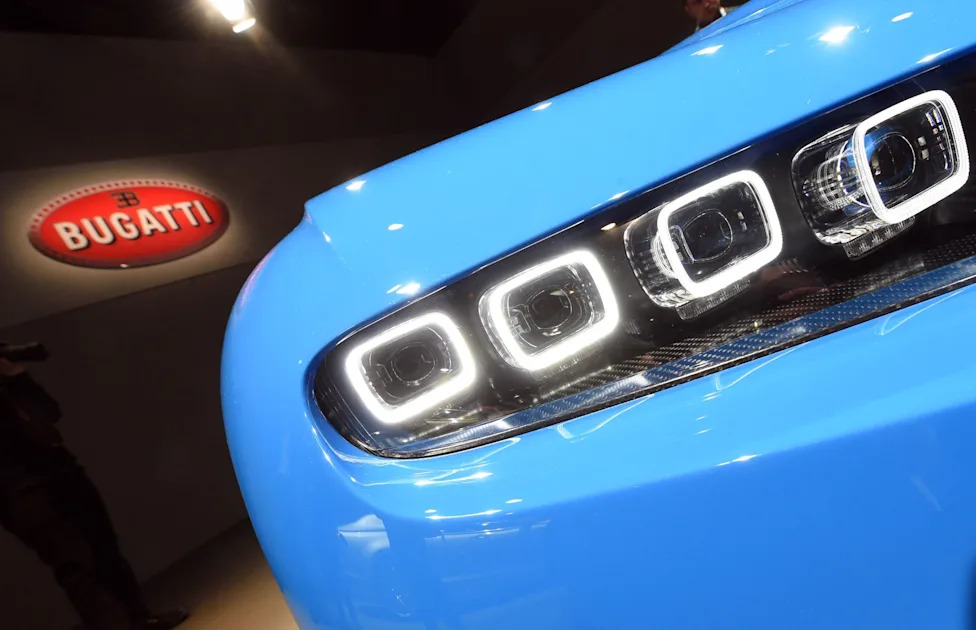
Despite new EU laws on the right of consumers to repair the things they buy, ultra-luxury car brand Bugatti refused to sell UK car rebuilder Mat Armstrong (pictured on his YouTube channel) the parts he needed to rebuild a crashed supercar. Coman Hamilton/dpaA major new European Union law called the right to repair comes into force on July 31, 2026 and it has the potential to change the future of vehicle ownership, repairs, and manufacturer control forever.The legislation first agreed two years ago gives consumers the legal right to freely maintain, repair or modify products such as cars, electronics and farm equipment like tractors. Manufacturers are also obliged to supply the spare parts needed.Critics claim the law could prevent consumers from repairing their own cars or even taking them to capable independent, private workshops. There are also questions about what the new legislation actually says, and how it will be enforced.AdvertisementAdvertisementOne thing is for certain. The right-to-repair debate is not a niche discussion, but affects how customer and manufacturers react to each other around the world.Amid the controversy, a real-world example has shed light on the challenges this legislation aims to address. It is the story of UK mechanic Mat Armstrong's struggle to rebuild a crashed Bugatti Chiron Pur Sport which cost $6 million to buy new.The 14-month ding-dong battle between Armstrong and a billion-dollar brand involved the company's Croatian-born chief executive Mate Rimac and has spurred dozens of videos from Armstrong on YouTube, many of which have racked up millions of views.Reports in automotive media suggest Netflix is also speaking to Armstrong about a content deal. The company wants to globally stream the whole rebuild saga. The channel has not commented officially on the possible deal.AdvertisementAdvertisementArmstrong is a working-class man from Leicester in the English Midlands, a petrol-head who just loves fast cars and has used his passion to gain close to 7 million followers on YouTube. He learned how to fix cars in his father Tony's garage, he says on his YouTube channel.Armstrong crossed swords with luxury car maker Bugatti after it refused to supply him with the original parts needed to put the wrecked Chiron back on the road.The manufacturer said the supercar could only be repaired by its own mechanics and at its own workshops, Armstrong says.Bugatti said the safety of the 16-cylinder car, which can top 400 km/h, would be compromised if Armstrong fixed it himself. The mechanic disagreed and soon the law will be on his side.AdvertisementAdvertisementThe new rules aim to avoid the waste of resources caused by machinery or devices which are not repairable at fair market prices.Smartphone owners are familiar with batteries which are expensive to replace in lifetime-sealed devices or Apple's "Lightning" charging ports and adapters, which require a non-standard process to repair.Applying the law to cars opens up a whole new spectrum of issues, with car repair shops claiming that public access to the telematics of complex assistant systems in cars could create privacy and cybersecurity risks.Germany's car mechanics association said the rule would see older cars remaining in use beyond their useful life, especially combustion-engined models which do not comply with the latest emission regulations.AdvertisementAdvertisementIn the US state of Maine, legislators passed sweeping right-to-repair rules in 2025 and even US President Donald Trump has waded in on the issue, although he recounted an inaccurate anecdote to bolster his support for consumers. Trump said, in remarks on June 4, a man was given a jail sentence because "he fixed his own car."A report on Factcheck.org said the case actually revolved around a diesel mechanic given a "seven-month" sentence for disabling the computerized on-board diagnostic (OBD) systems on at least 344 heavy-duty commercial trucks. These OBDs regulate emissions and tampering with them is a criminal offence.But back to Mat Armstrong. His popular videos recount the story of rebuilding the crashed Chiron and he exposed the difficulties of sourcing parts, accessing manufacturer systems and overcoming software-related obstacles.Armstrong has brought back numerous badly damaged supercars from the brink, including Ferraris and Lamborghinis and a Rolls-Royce belonging to footballer Marcus Rashford.AdvertisementAdvertisementYet his dream to fix the Chiron threatened to turn into a nightmare when the maker turned down a simple request for replacement components.Armstrong said Bugatti told him he could bring the car to one of its service centres and they would repair it at regular, albeit extremely costly, repair rates. It turns out that servicing a Chiron with an oil change alone costs €20,000, despite Armstrong being happy to do all the work himself.Armstrong first saw the purple-wrapped Chiron after it had been involved in a serious crash in Los Angeles. The front of one of the most exclusive cars in the world was completely wrecked.Bugatti flew in an expert from Paris who said the car was a total loss and not viable for repair. The company said it would cost around $1.7 million to restore it to original specification.AdvertisementAdvertisementThe owner took the insurance money and the car entered the US car salvage system. He later bought back the wreck in an auction and asked Armstrong to help.After seeing the videos on YouTube, Bugatti's Rimac sent Armstrong a message saying parts of the car such as the monocoque were probably damaged and unrepairable. He offered to help but said body panels and other parts could not be replaced with after-market alternatives.Armstrong planned to split the front end and rear end of the car in order to repair a damaged gearbox.That was when Rimac made a video on his own YouTube channel, saying only two facilities in the world had the tools to do the job properly.AdvertisementAdvertisementArmstrong pressed ahead and proved that Bugatti's warnings were wrong. He flew to Florida and put the car back together in a professional manner that showed up the French maker.Along with 3D-printed parts and components from humble cars like the Audi A3, the car received new custom-built cooling radiators fabricated by a specialist company from scratch.Ultimately, the Bugatti saga has little to do with the world of exclusive supercars that cost millions of dollars or even petrol-head car fans. It's about the right to repair that could affect millions.Armstrong had already repaired his own Bugatti Veyron with parts from a humble Volkswagen Lupo, proving that some manufacturers are just deliberately making life hard for consumers.Despite new EU laws on the right of consumers to repair the things they buy, ultra-luxury car brand Bugatti refused to sell UK car rebuilder Mat Armstrong the parts he needed to rebuild a crashed Bugatti supercar. The saga on YouTube has attracted millions of viewers. Uli Deck / dpa



















 +77 others