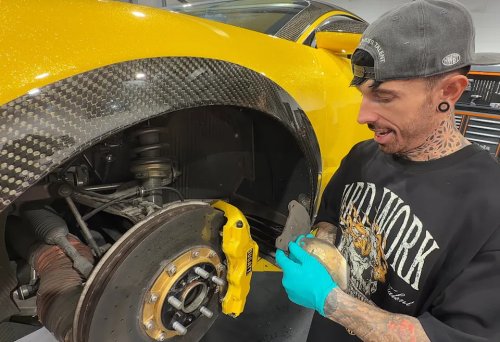
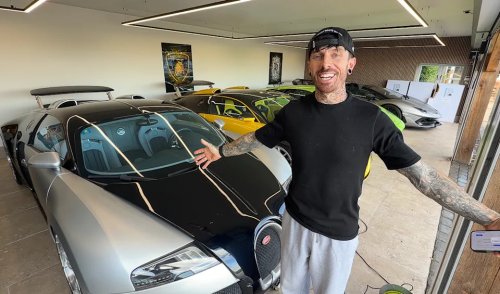
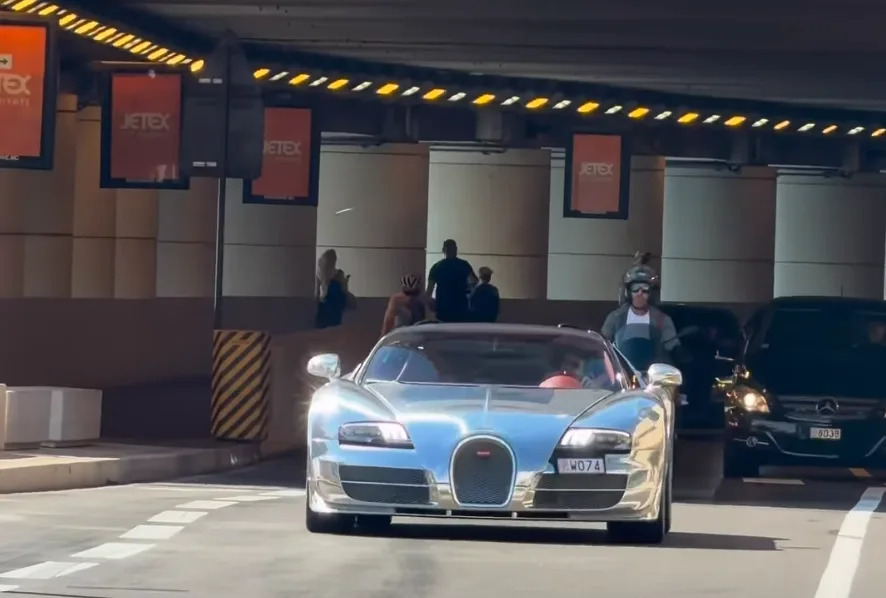
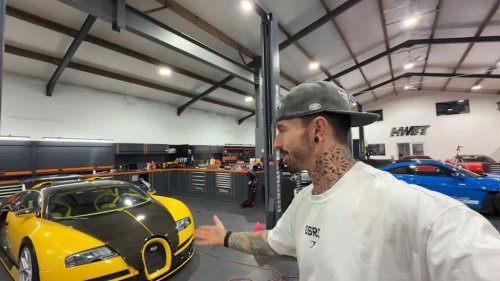
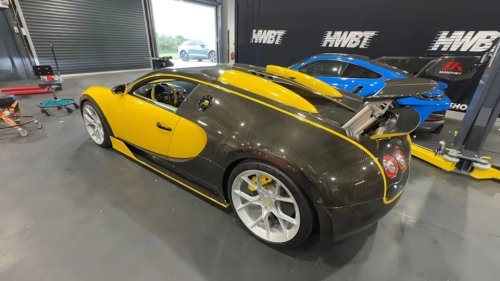
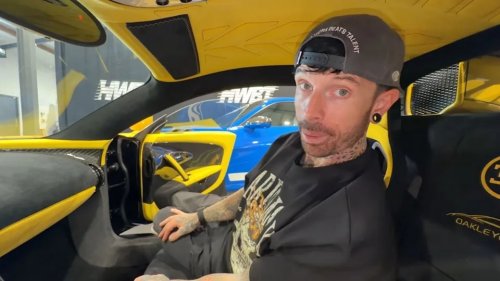
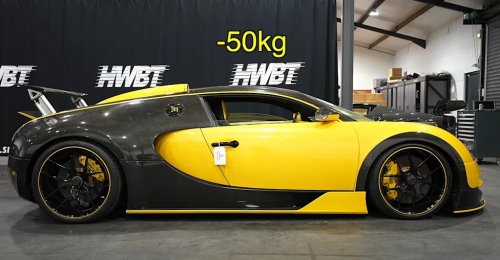
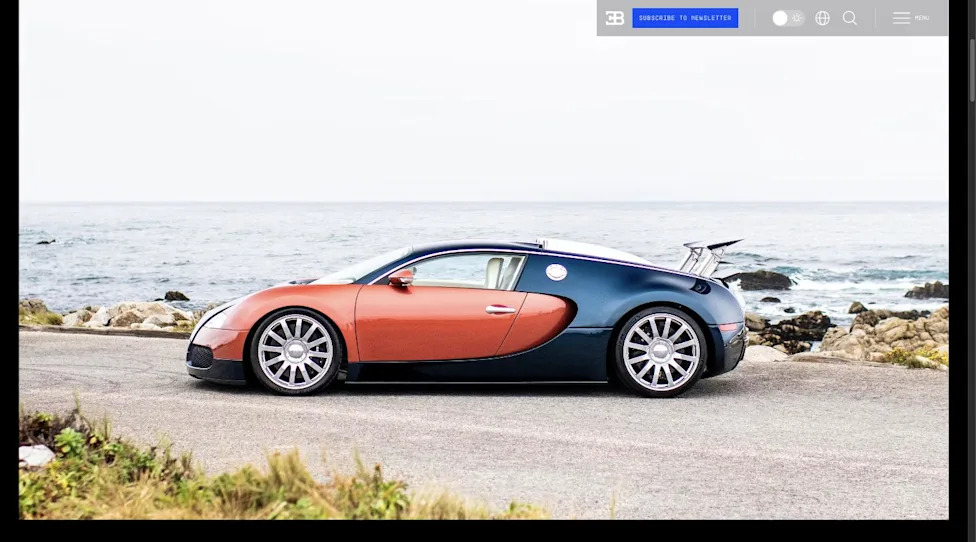
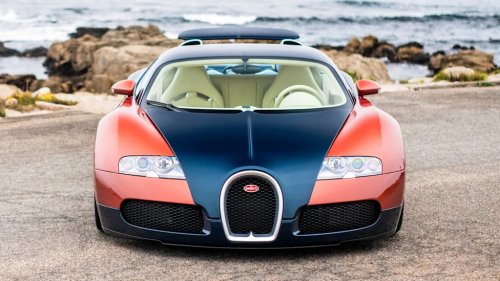
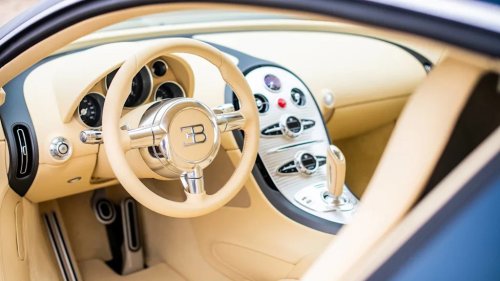
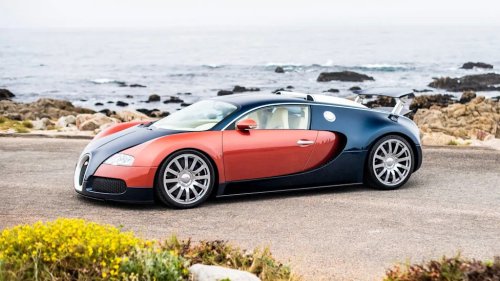
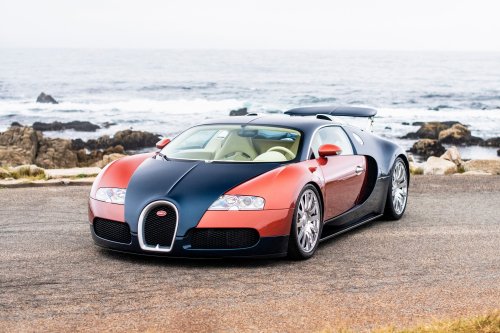
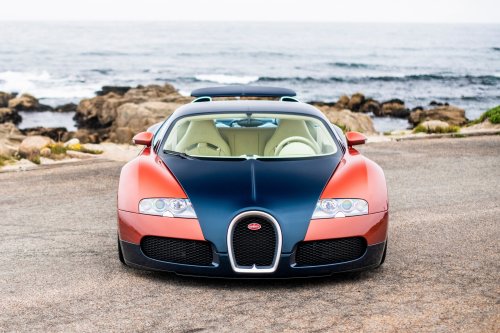
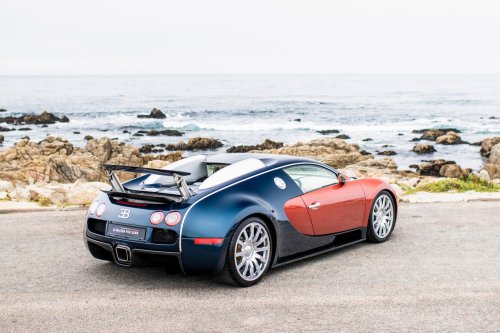
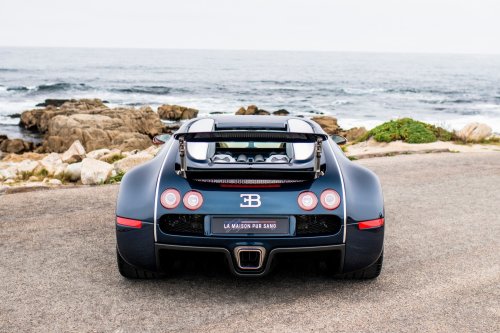
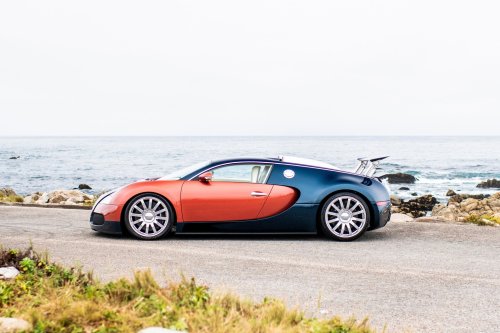
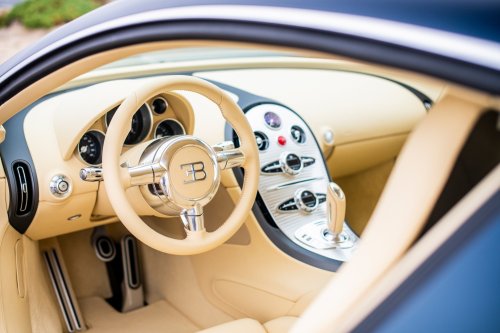
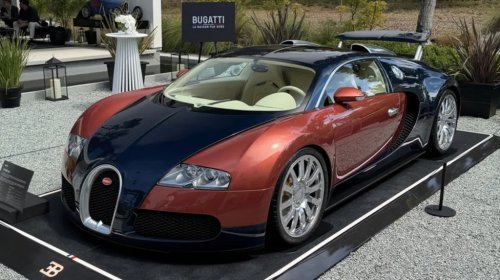
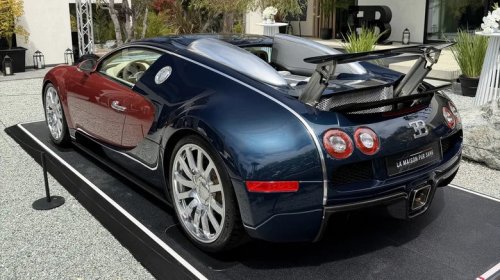
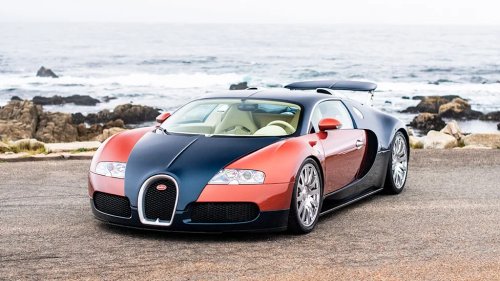
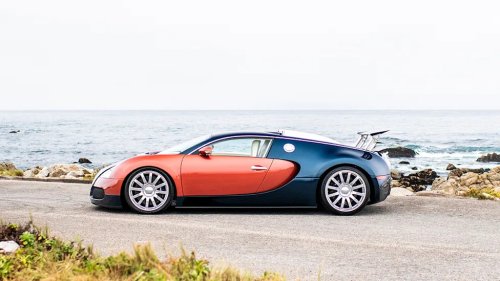
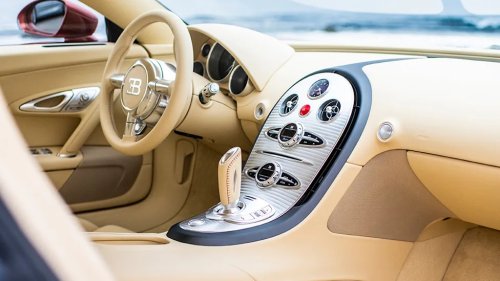
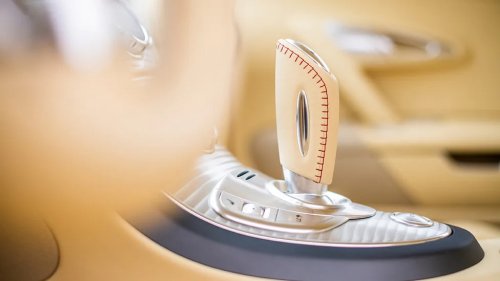
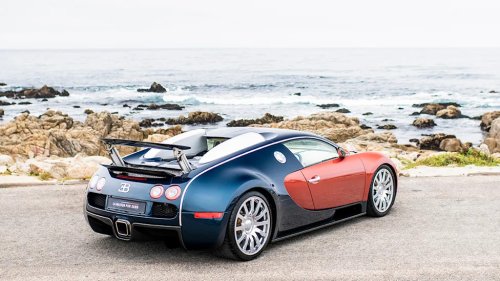
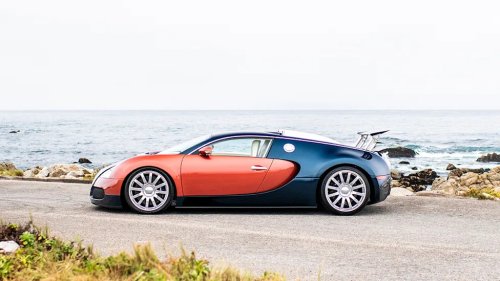
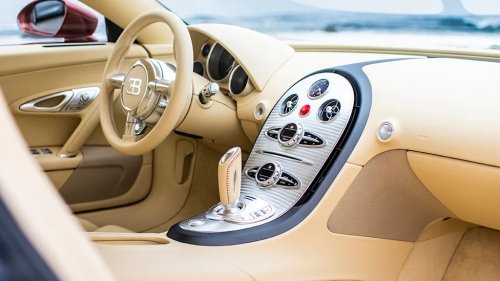
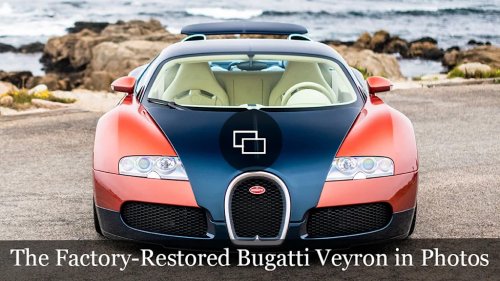
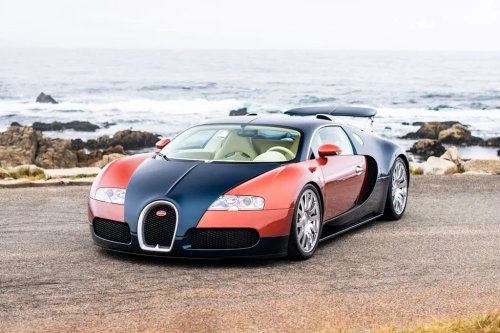
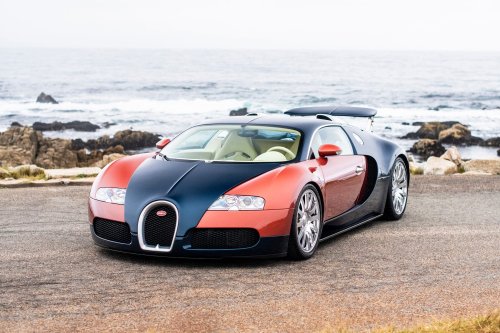
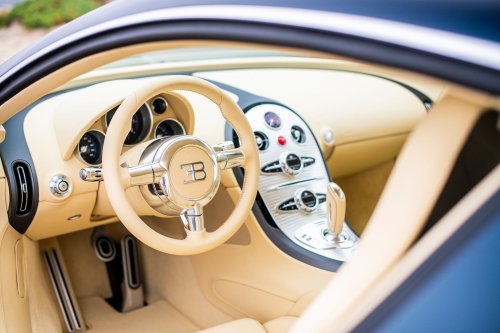
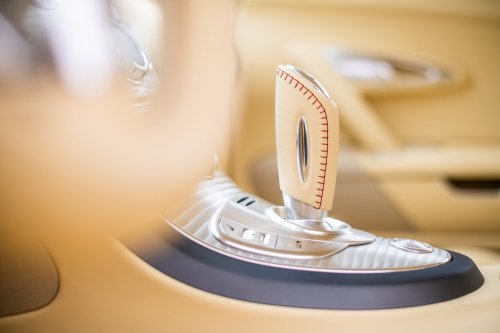
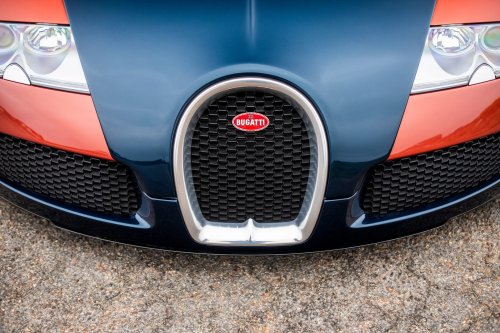
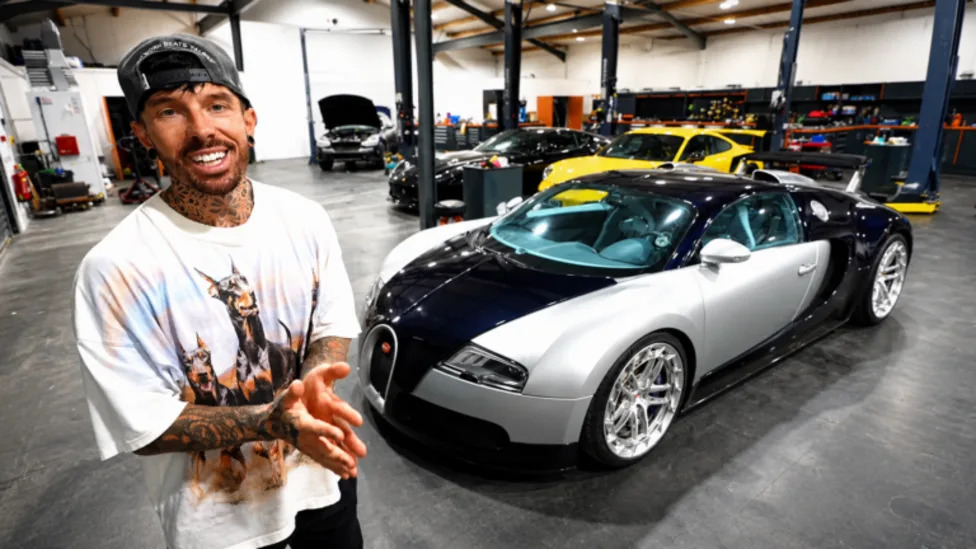
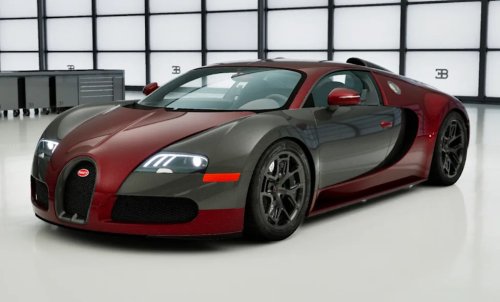
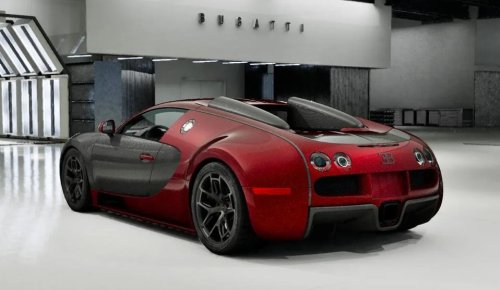
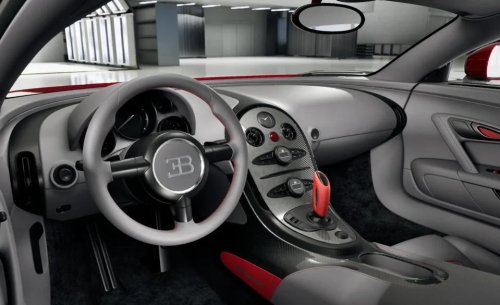
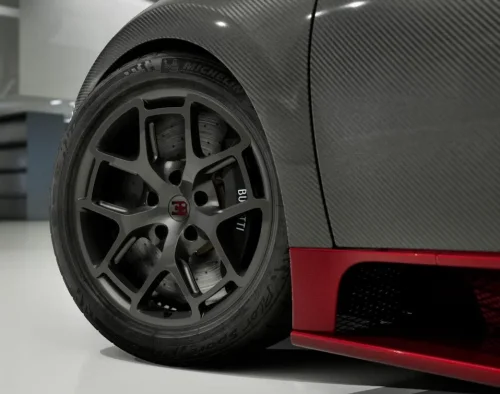
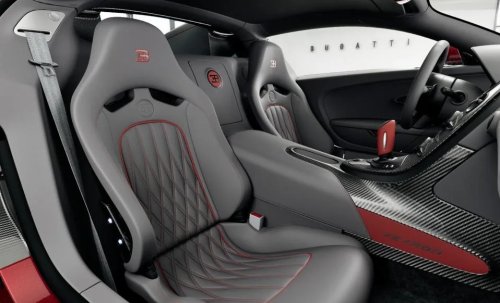
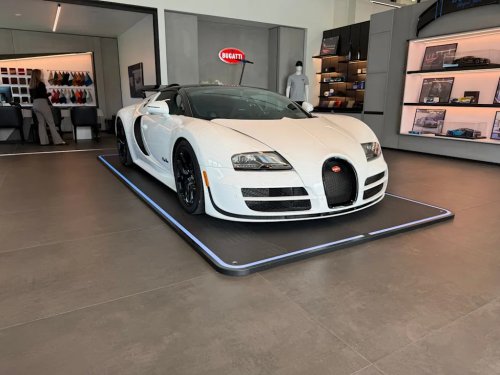
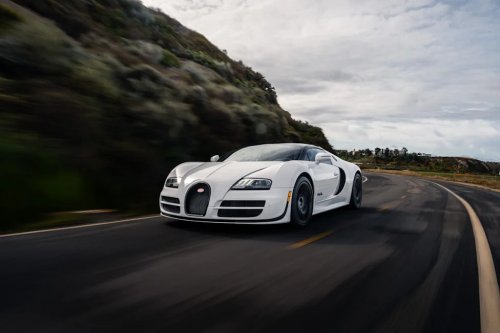
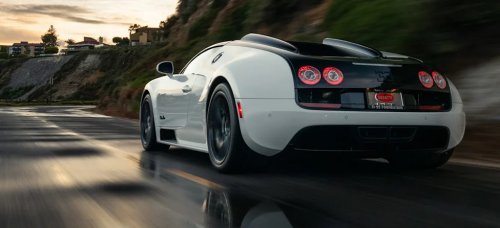
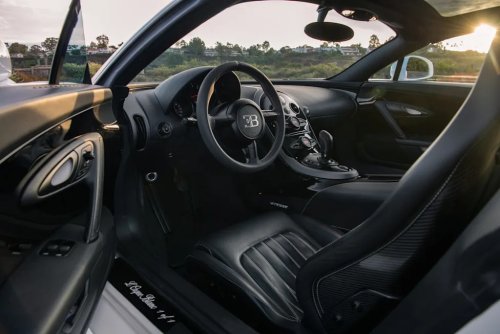
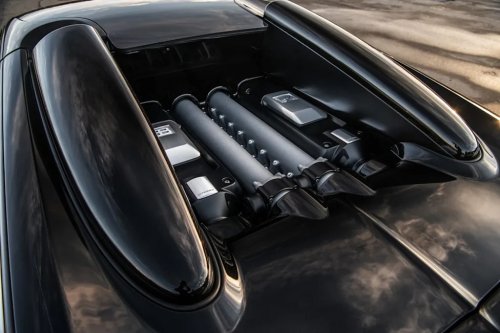
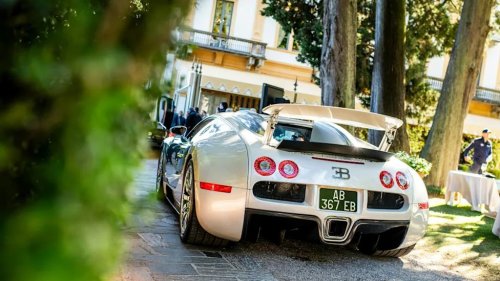
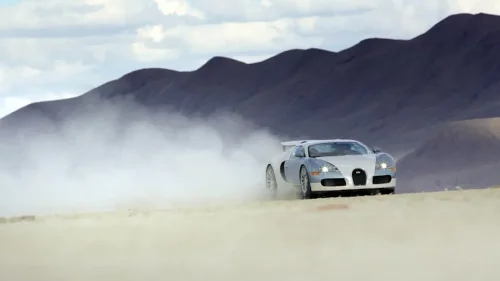
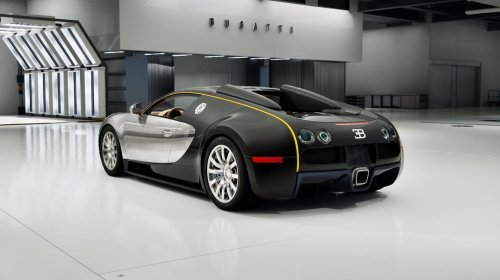
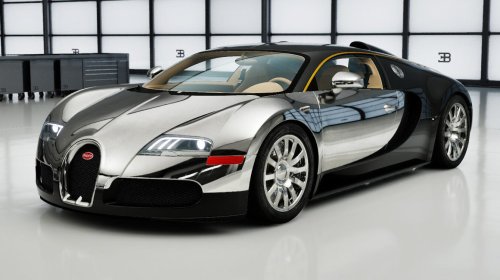
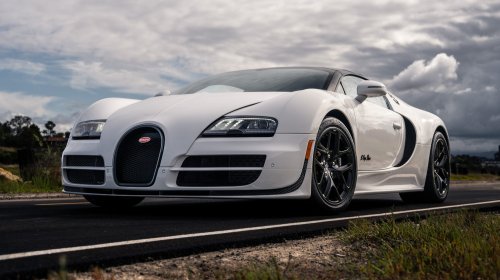
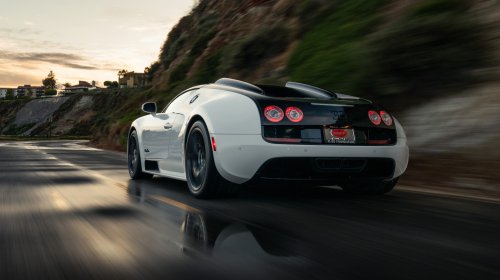
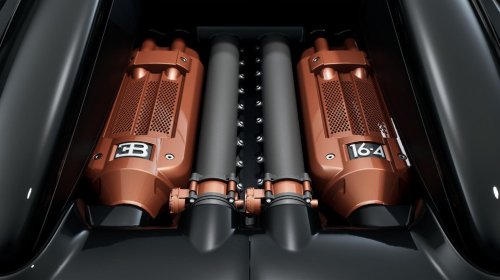
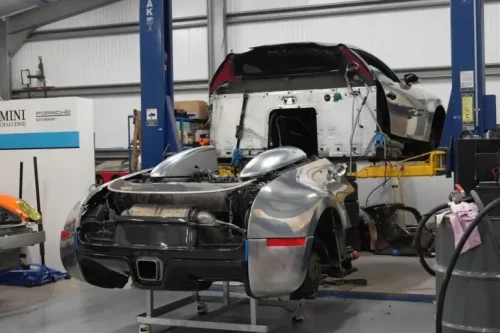
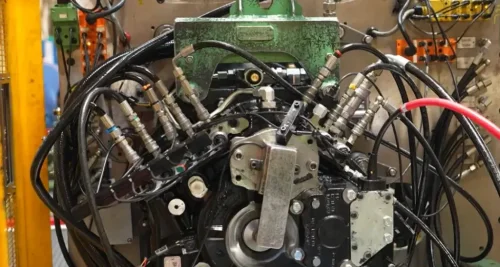
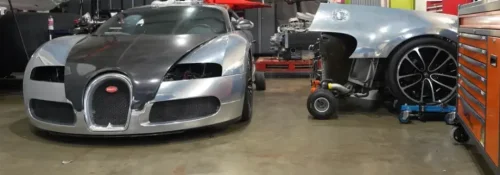
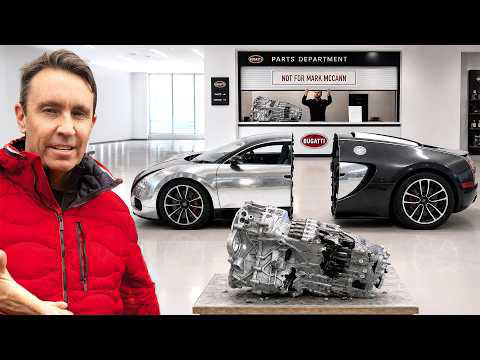
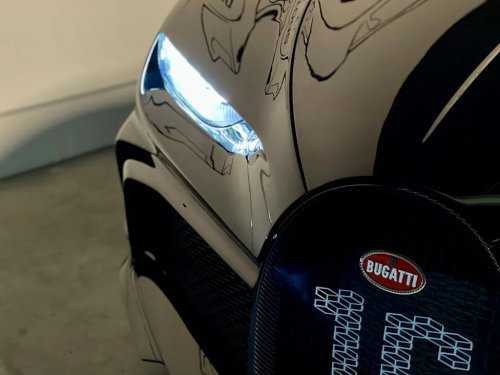
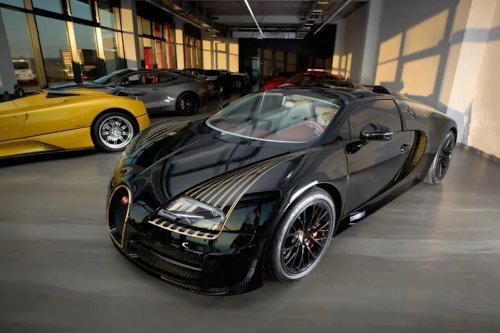
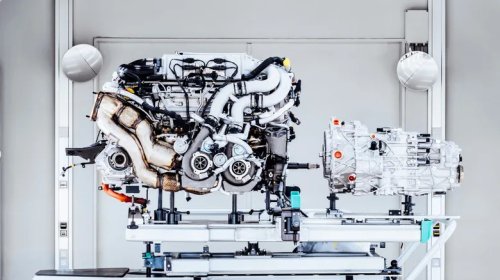
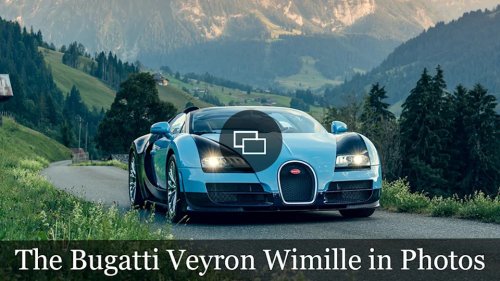
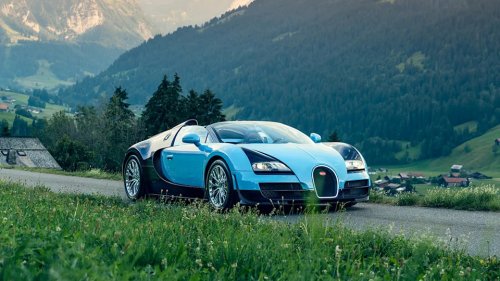
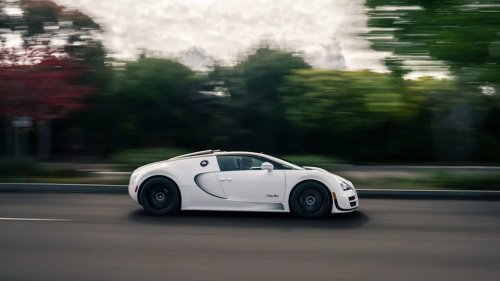
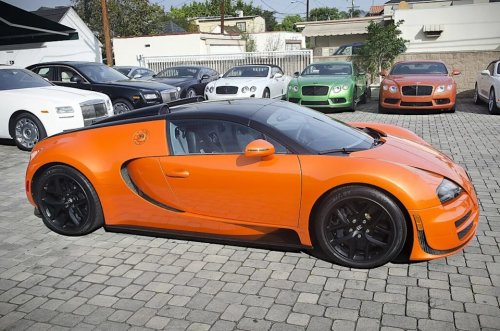
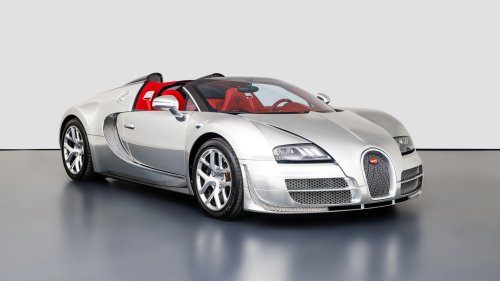
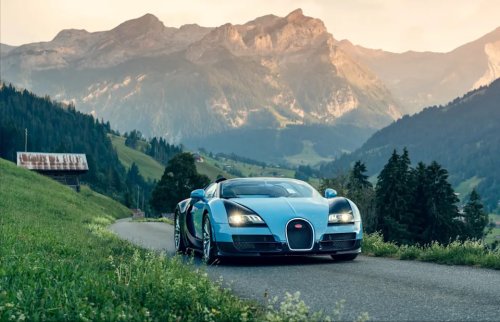
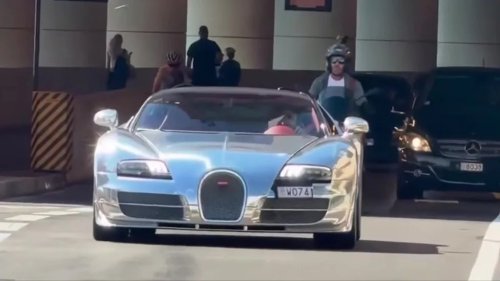
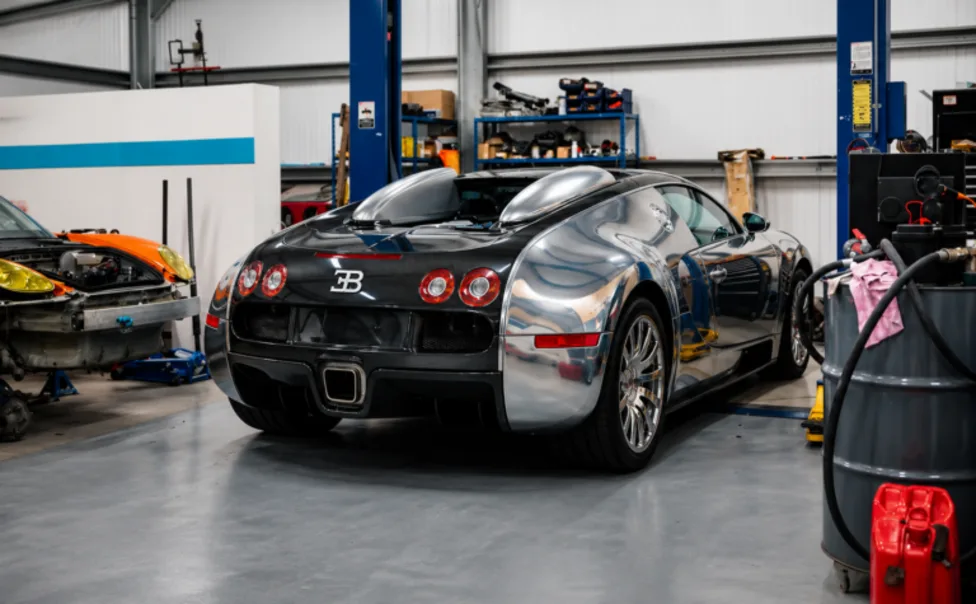
A Hidden 20-Year-Old Feature Saved This £900,000 Bugatti Veyron ProjectWhen British YouTuber Mark McCann paid £900,000 for a disassembled Bugatti Veyron – split across multiple garages, gearbox damaged, previously ignored by Bugatti's own dealer network – the obvious risk was financial. The less obvious risk, it turned out, was a clutch that didn't speak the same language as the car's brain.The Veyron's seven-speed dual-clutch transmission was developed by UK engineering firm Ricardo, which had previously built gearboxes for Formula 1 and the McLaren F1. It handles over 1,200 horsepower and shifts in under 150 milliseconds. It is not a unit you improvise around. When Bugatti declined to supply replacement clutch parts – the company reportedly only sells complete sealed transmission units rather than individual components – the team had clutch specialist Pascal reverse-engineer the original plates from scratch using CAD drawings. The resulting parts worked mechanically. The issue stemmed from a difference in friction materials – the replacement clutch was made primarily from carbon-based compounds, whereas the original had used a paper-based material that contained only a partial carbon element.AdvertisementAdvertisementThe gearbox ECU had been mapped to the characteristics of the original – and when the car woke up with entirely different clutch hardware installed after years of dormancy, it had no frame of reference.Why the Car Was Slipping – and What Actually Fixed ItThe clutch uses oil pumped at 32 litres per minute for thermal management. Rob Barnes, a former Ricardo engineer who helped design the original gearbox back in 2006, explained the big issue: the new material's surface finish lacked the channelling cuts present on the original plates, and the high-volume oil flow was effectively hydroplaning across the clutch faces rather than being expelled. The pressure map stored in the ECU had been calibrated for the original clutch, which had since been replaced, meaning the unit was applying insufficient force to the plates to properly displace the oil.The worst-case scenario was splitting the car again to rebuild or replace the clutch assembly entirely, which would have meant unwinding months of work. Barnes identified a second possibility."However, in the software to allow for the variability between the clutches, there is an adaptation in there," he explained. A kiss point learn routine – the process by which the ECU locates the precise position where each clutch begins transmitting torque – had been written into the gearbox software at the original development stage to account for manufacturing tolerances and gradual wear across a car's service life. Barnes and his business partner Andrew had built it in two decades ago, and it had been sitting dormant in the transmission controller ever since.AdvertisementAdvertisementThe process requires the gearbox to reach 40°C before anything happens. With the engine up to temperature and the car held still, the ECU carries out a 30-second idle sequence to recalibrate the engagement points on each of the two clutches. Additional calibration points higher in the torque curve become accessible only while the car is in motion – requiring 30 seconds of stable revs and consistent speed held in each gear, working progressively through the full rev range. The team attempted daytime runs but traffic made consistent conditions impossible. They went back out at midnight. After 110 km of late-night motorway laps, the improvement was unambiguous. "It's certainly got a lot better… noticeably noticeably better. Yeah. 100%," test driver Matt said.McCann said afterward: "Rob and Andrew, if they hadn't wrote this adaptation, the learning path into that gearbox ECU 20 years ago, we'd be in a right mess right now."What the Car Is Worth NowThree hypercar specialists independently assessed the finished Veyron. Two came in at around £2 million; Matt from Furlonger Cars put it at £1.75 million as his realistic sell price. The car is a Mansory Persang conversion – extensive carbon fiber work and a revised finish, though without the aggressive wide-body kit associated with the name – which the specialists agreed added rarity value rather than detracting from it. The Veyron market has strengthened recently, partly due to the model's 20th anniversary and growing collector interest.McCann's total outlay came to £939,083, meaning the repair and restoration work beyond the purchase price ran to under £40,000 – a figure kept low largely because Ricardo's Barnes, the Furlonger team, and several other contributors refused payment. Against a conservative valuation of £1.75 million, the paper return on six months of work is difficult to argue with. The car is due to appear publicly at Silverstone's Tracks event on 16 August 2026.AdvertisementAdvertisementThe engineers who built the Veyron's gearbox in 2006 clearly anticipated that a 1,000-horsepower dual-clutch transmission would eventually encounter clutch characteristics it hadn't been trained on. They wrote the car a way to teach itself. That it still works, on a car that spent years partially dismantled in garages across Europe, says something both about the quality of the original engineering and about how much of the Veyron's sophistication has stayed invisible – until someone had a good enough reason to go looking for it.


















 +14 others