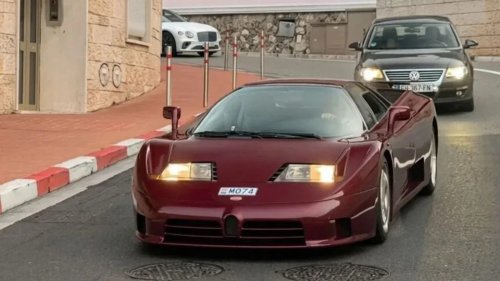
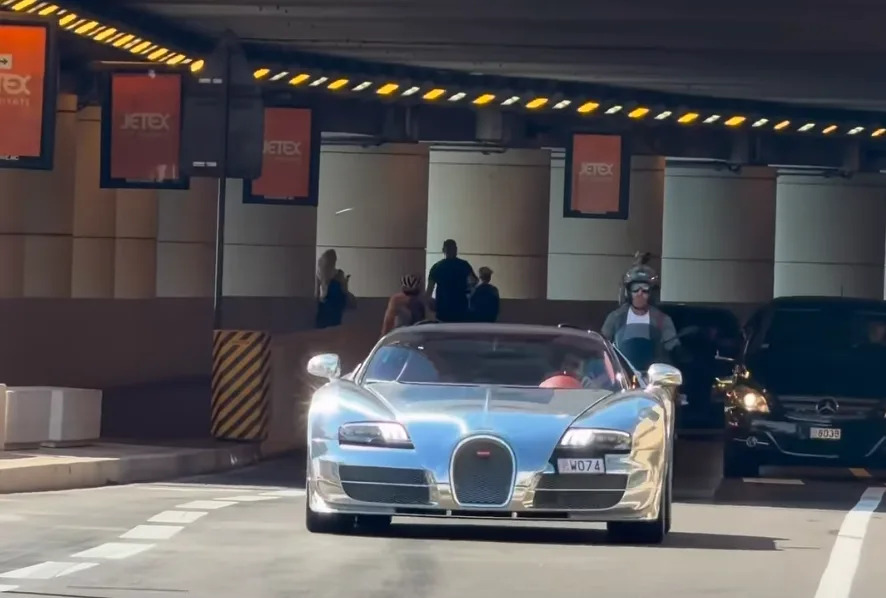
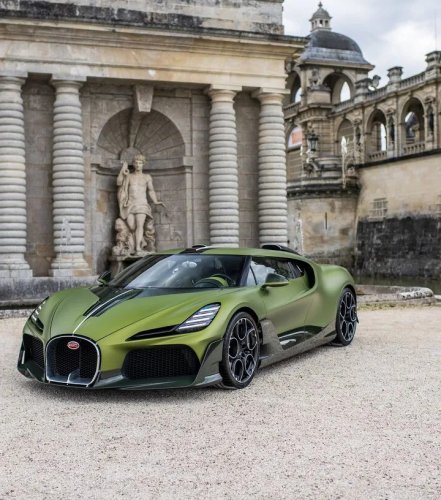
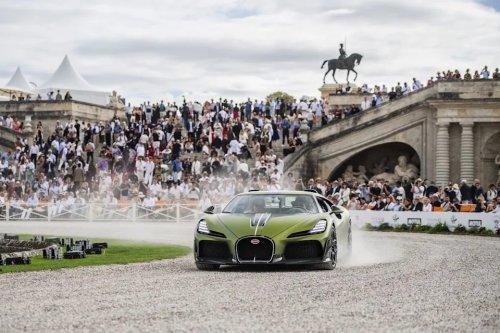
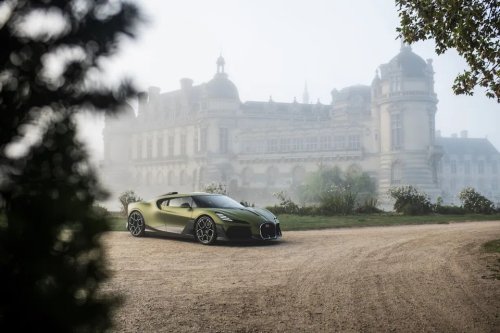
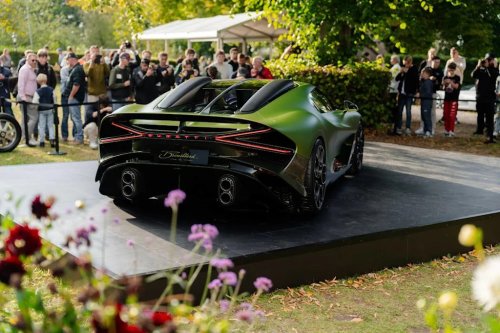
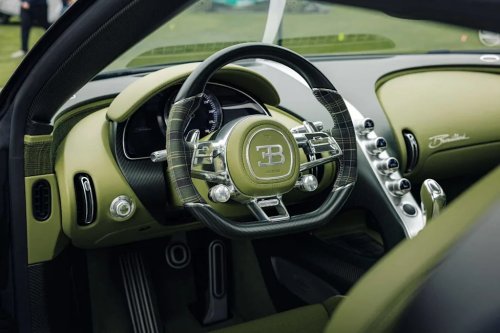
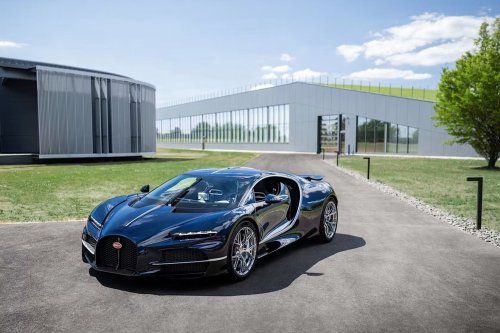
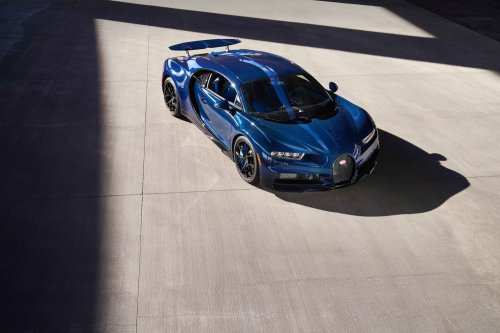
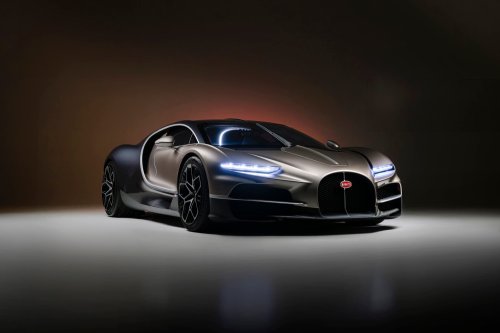
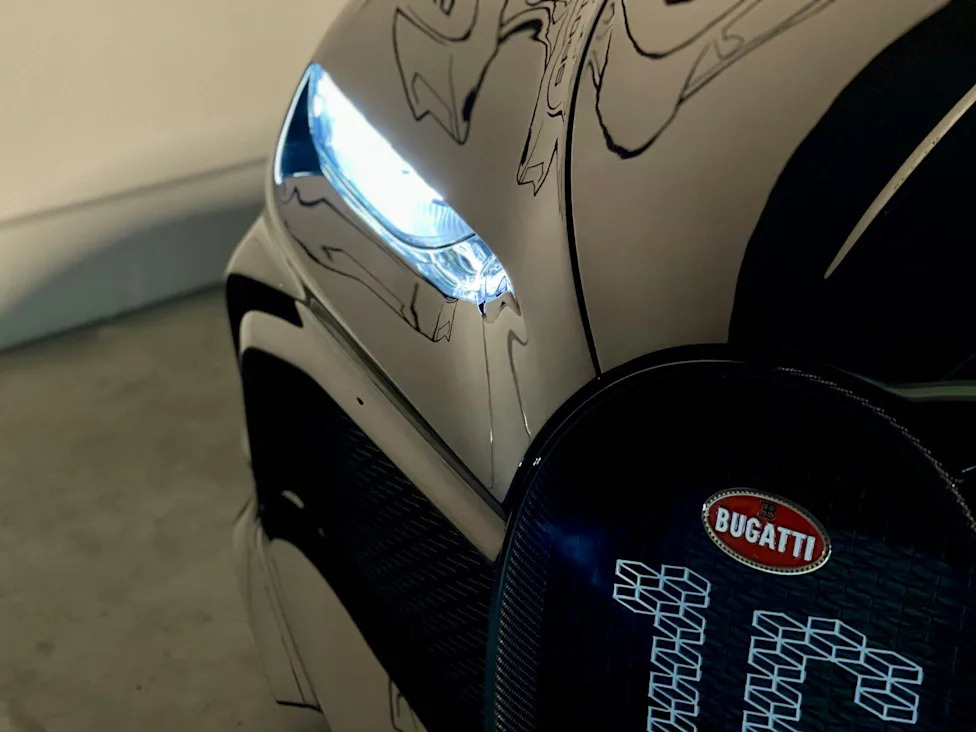
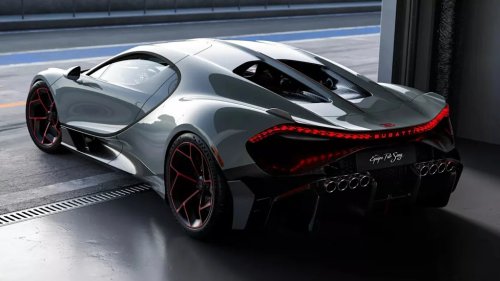
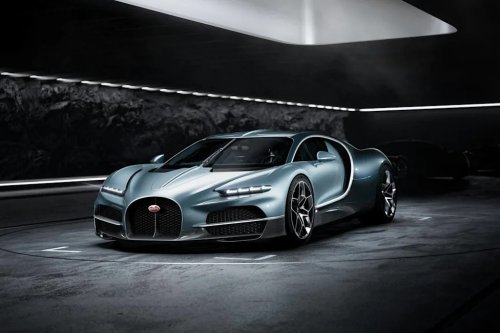
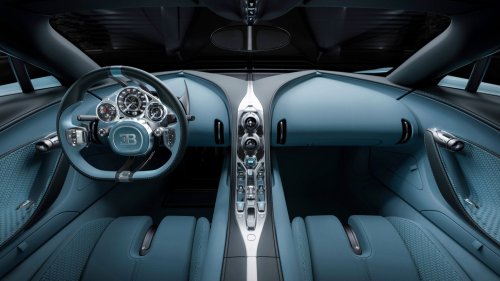
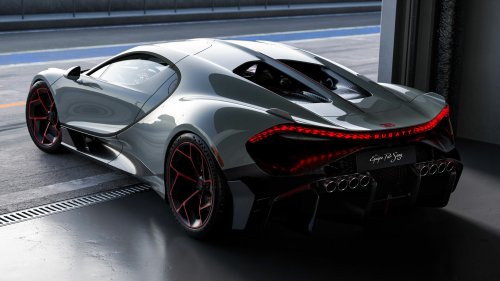
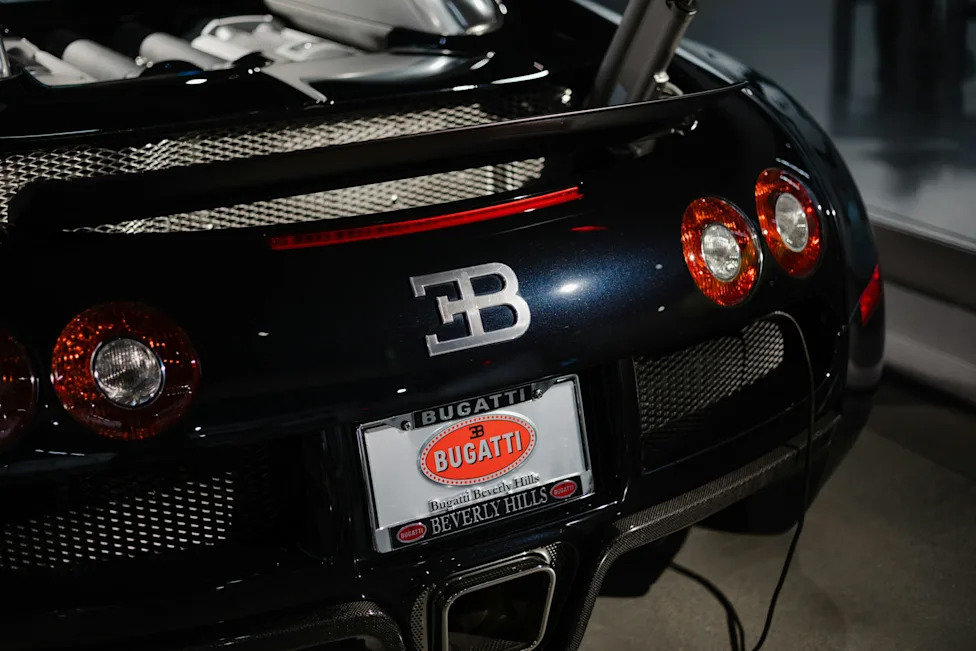
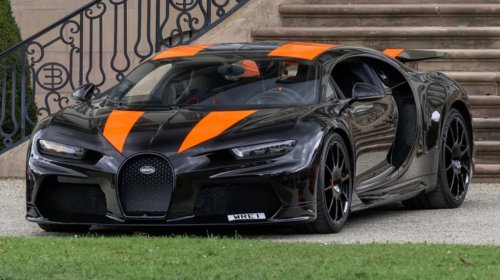
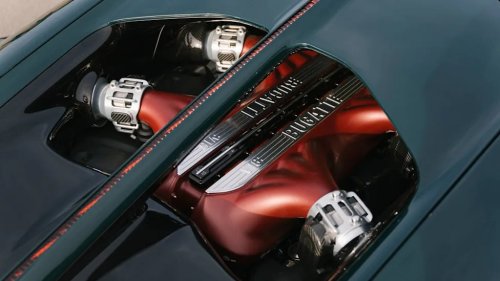
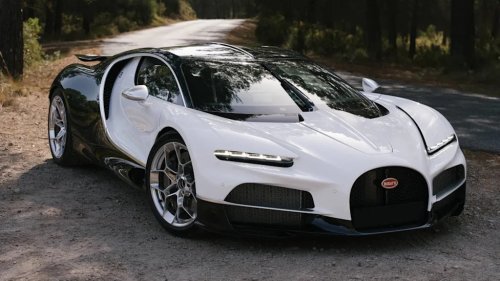
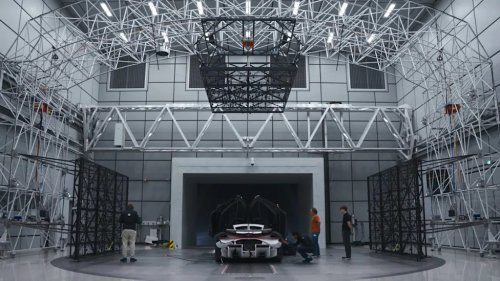
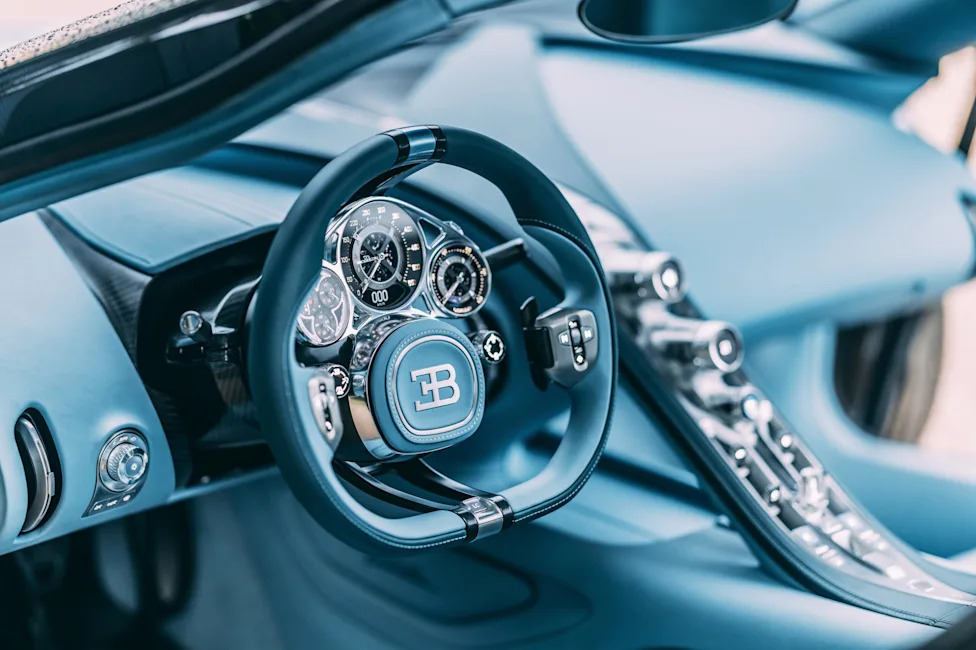
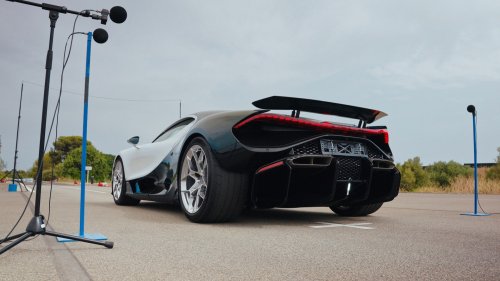
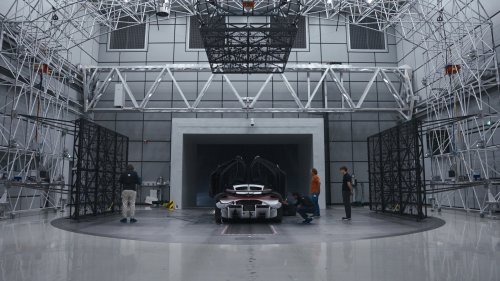
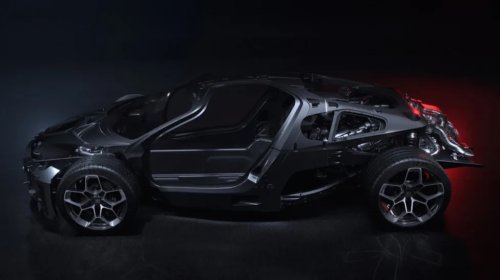
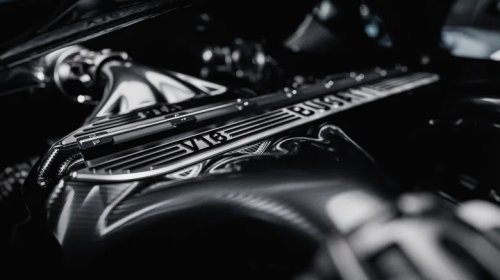
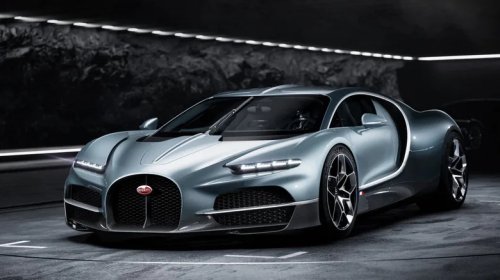
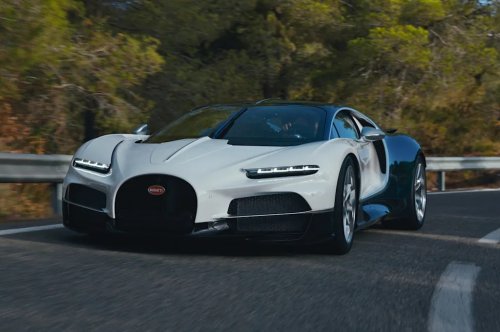
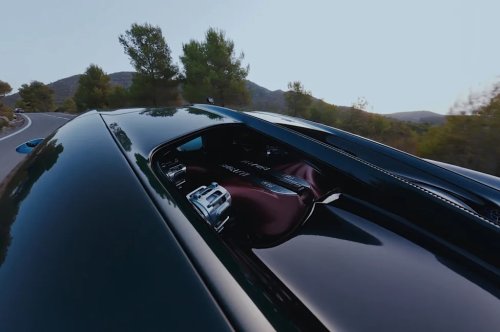
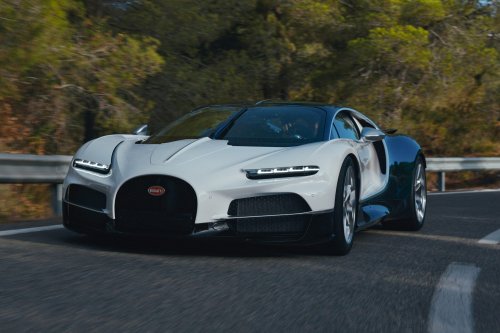
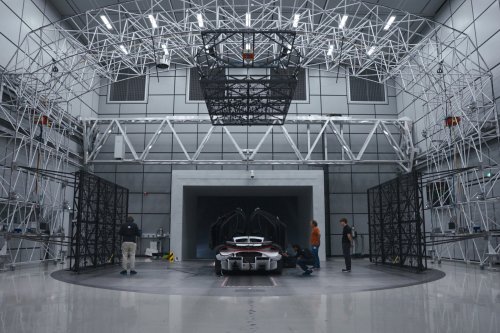
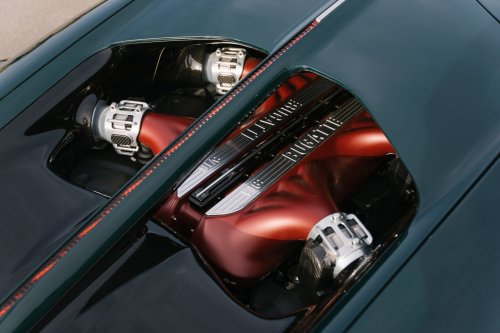
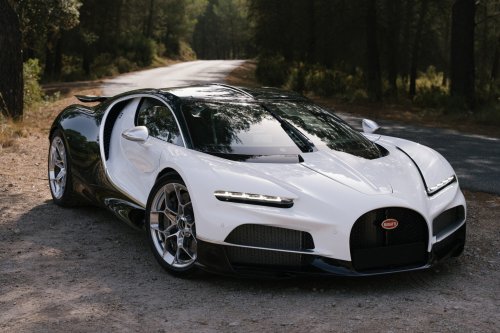
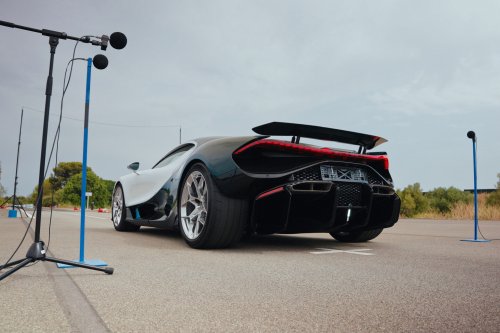
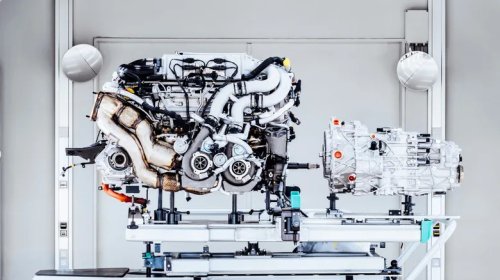
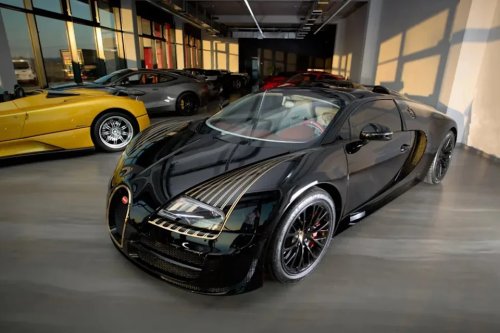
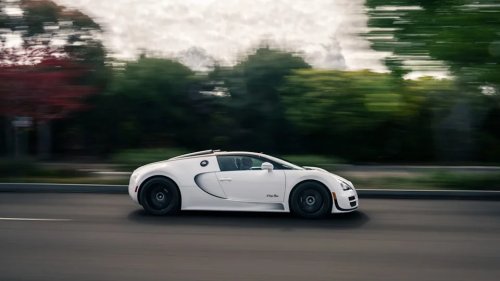
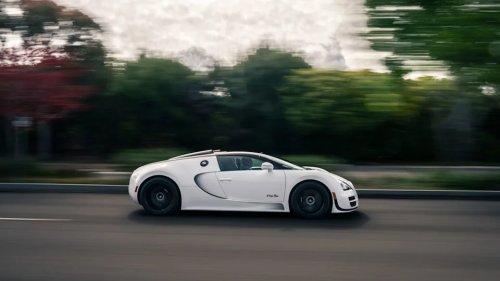
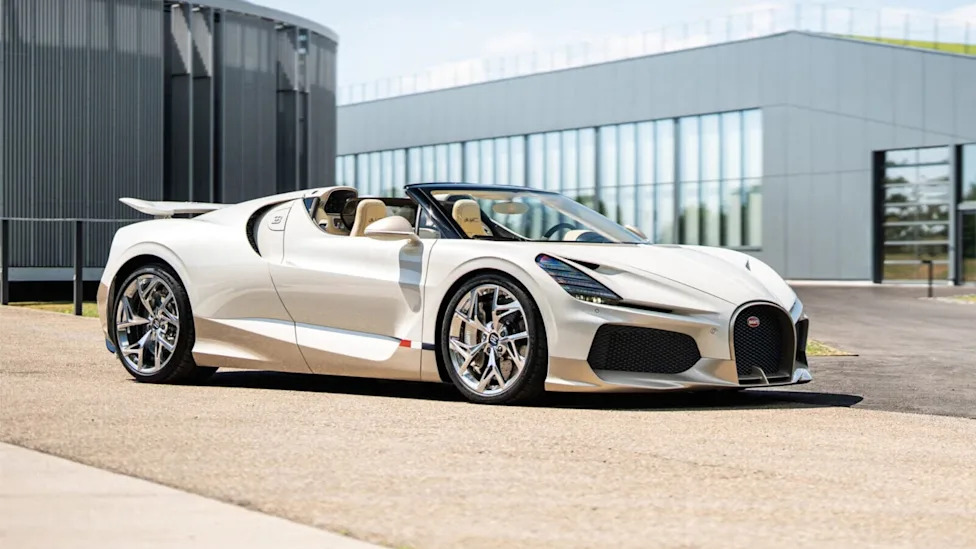
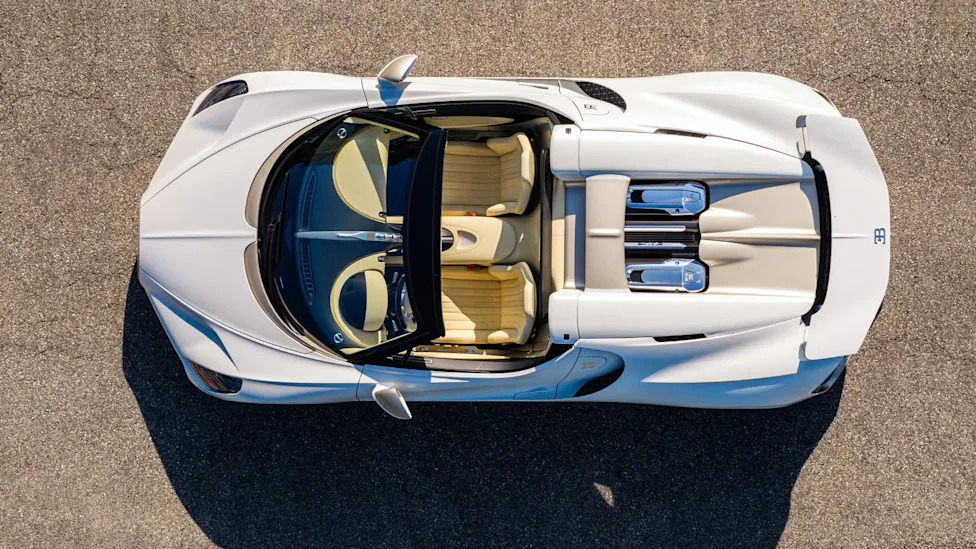
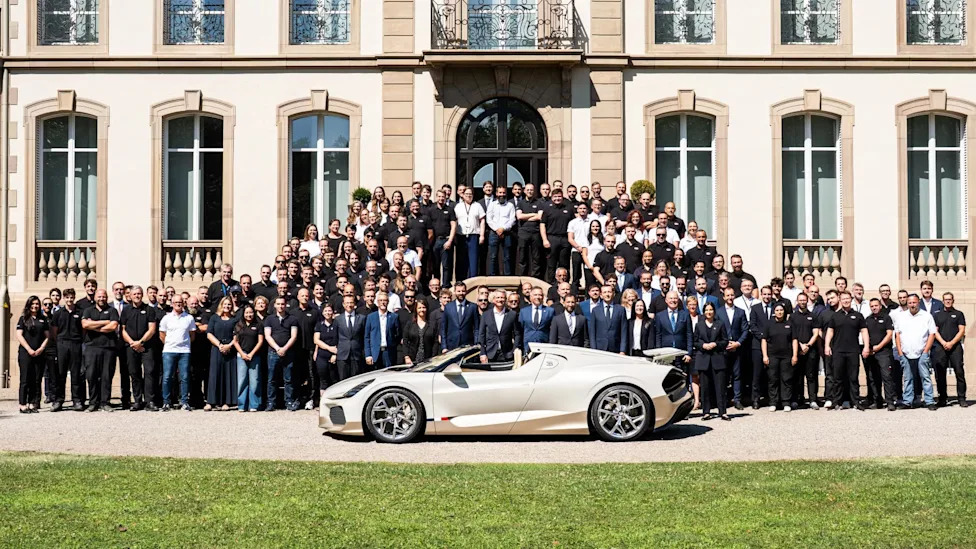
Image Credit: Bugatti.Bugatti has officially completed production of its final W16-powered road car, bringing one of the most extraordinary engine eras in automotive history to a close. The last example is a W16 Mistral built at the company's Atelier in Molsheim, France.The Mistral was always intended to serve as an open-top farewell to Bugatti's legendary quad-turbocharged W16 engine. With production now complete, the brand is preparing to move into a new era centered on its naturally aspirated V16-powered Tourbillon.This final Mistral is number 99 of the model's limited production run and carries the fitting theme "The last of its kind." Its bespoke details pay tribute not only to the W16 itself, but also to the Veyron, Chiron, and Mistral models that carried the engine through more than two decades of Bugatti history.AdvertisementAdvertisementThe W16 helped redefine what a modern hypercar could be, combining enormous power with luxury and astonishing top-speed capability. Its retirement marks the end of a chapter that began with the Veyron and ultimately pushed production cars beyond the 300-mph barrier.The Final Mistral Is Packed With Tribute DetailsImage Credit: Bugatti.The last Mistral is finished in a subtle two-tone combination Bugatti calls Pearl and Sparkle. Inside, the car features Magnolia upholstery and matte gray carbon-fiber trim, giving the final W16-powered model a restrained but highly bespoke appearance.Silhouettes of the Veyron, Chiron, and Mistral appear on the door panels, while the words "The last of its kind" are incorporated throughout the car. The phrase can also be found beneath the automatically deploying rear wing, creating a hidden tribute that only reveals itself when the aerodynamic element rises.Ettore Bugatti's signature appears on the headrests, aluminum door sills, and engine cover. The center armrest also contains a frozen crystal glass piece created with Lalique and titled "Spirit of the Wind," while a falcon-head detail on the gear selector reflects the owner's home region.The W16 Changed the Hypercar WorldBugatti introduced the W16 to the road with the Veyron, a car developed under Volkswagen Group ownership with the goal of achieving performance numbers that seemed almost impossible at the time. Its quad-turbocharged 8.0-liter engine initially produced more than 1,000 horsepower, setting a new benchmark for production-car performance.AdvertisementAdvertisementThe unusual W16 configuration allowed Bugatti to package 16 cylinders into a more compact layout than a conventional V16. That architecture became a defining element of the brand, powering increasingly extreme versions of the Veyron before evolving further for the Chiron generation.Over time, output climbed dramatically, while Bugatti continued pushing top-speed records. The Chiron Super Sport 300+ famously surpassed 300 mph, while the Mistral later claimed the title of fastest open-top production car with a 282-mph run in 2024.The Mistral Gave the Engine One Last Send-OffImage Credit: Bugatti.The W16 Mistral was developed as the final road-going expression of Bugatti's long-running powertrain. Based around the Chiron-era architecture but reworked as an open-top model, it combined the W16's enormous performance with a completely different visual and driving experience.Its limited production of just 99 examples also made it considerably rarer than the Chiron, of which Bugatti built 500 units. The final car therefore represents both the conclusion of the Mistral program and the closing chapter of the W16's production-car story.AdvertisementAdvertisementBugatti has been careful with its wording, describing the car as the end of the W16's road-going era. While that technically leaves room for the engine to appear in some future non-road-legal project, there is no indication that the company plans to revive it for another regular production model.Bugatti's Next Chapter Starts With a V16The W16 may be finished, but Bugatti is not abandoning large combustion engines. Its next-generation Tourbillon uses an 8.3-liter naturally aspirated V16 developed with Cosworth, paired with an electrified powertrain.That represents a major philosophical change. Instead of relying on four turbochargers, Bugatti is moving toward a high-revving naturally aspirated engine supported by hybrid technology, preserving the emotional appeal of a massive combustion engine while embracing a new generation of performance systems.The final Mistral therefore stands as a bridge between two very different eras. From the Veyron's original 1,000-hp shockwave to the Chiron's 300-mph achievements and the Mistral's open-top record, the W16 leaves behind a legacy few engines will ever match.AdvertisementAdvertisementFor Bugatti, the future now belongs to the V16. Still, the final W16-powered car rolling out of Molsheim feels like a genuine automotive milestone—the end of an engine that helped turn Bugatti into the defining hypercar brand of the modern era.If you want more stories like this, follow Guessing Headlights on Yahoo so you don't miss what's coming next.



















 +58 others