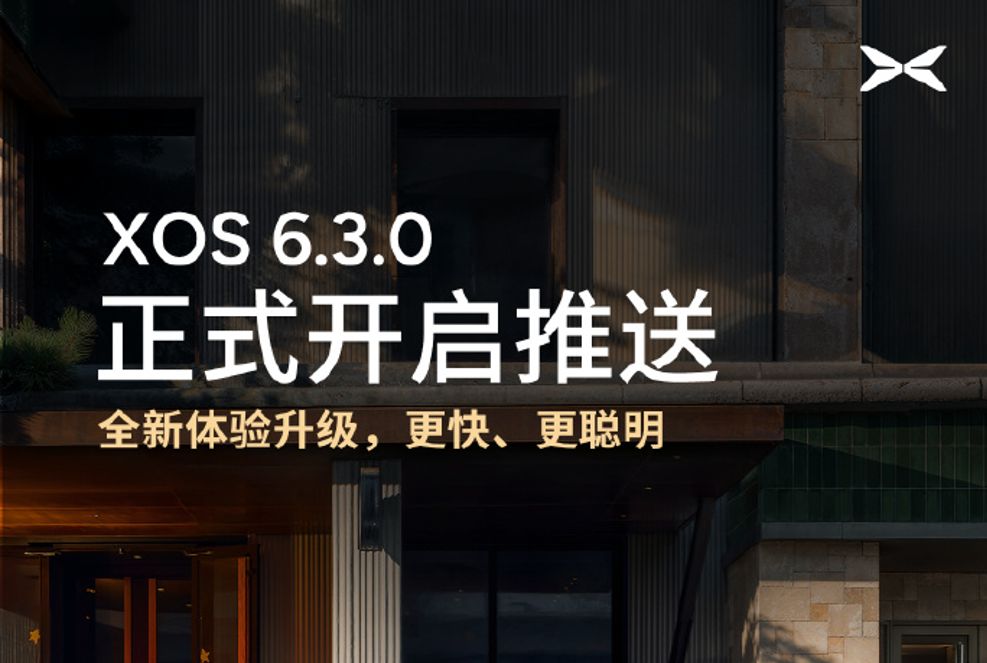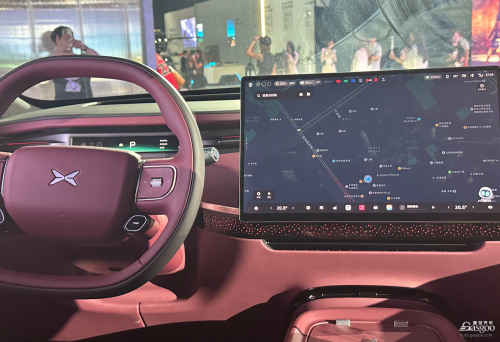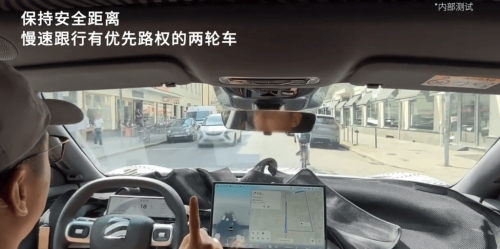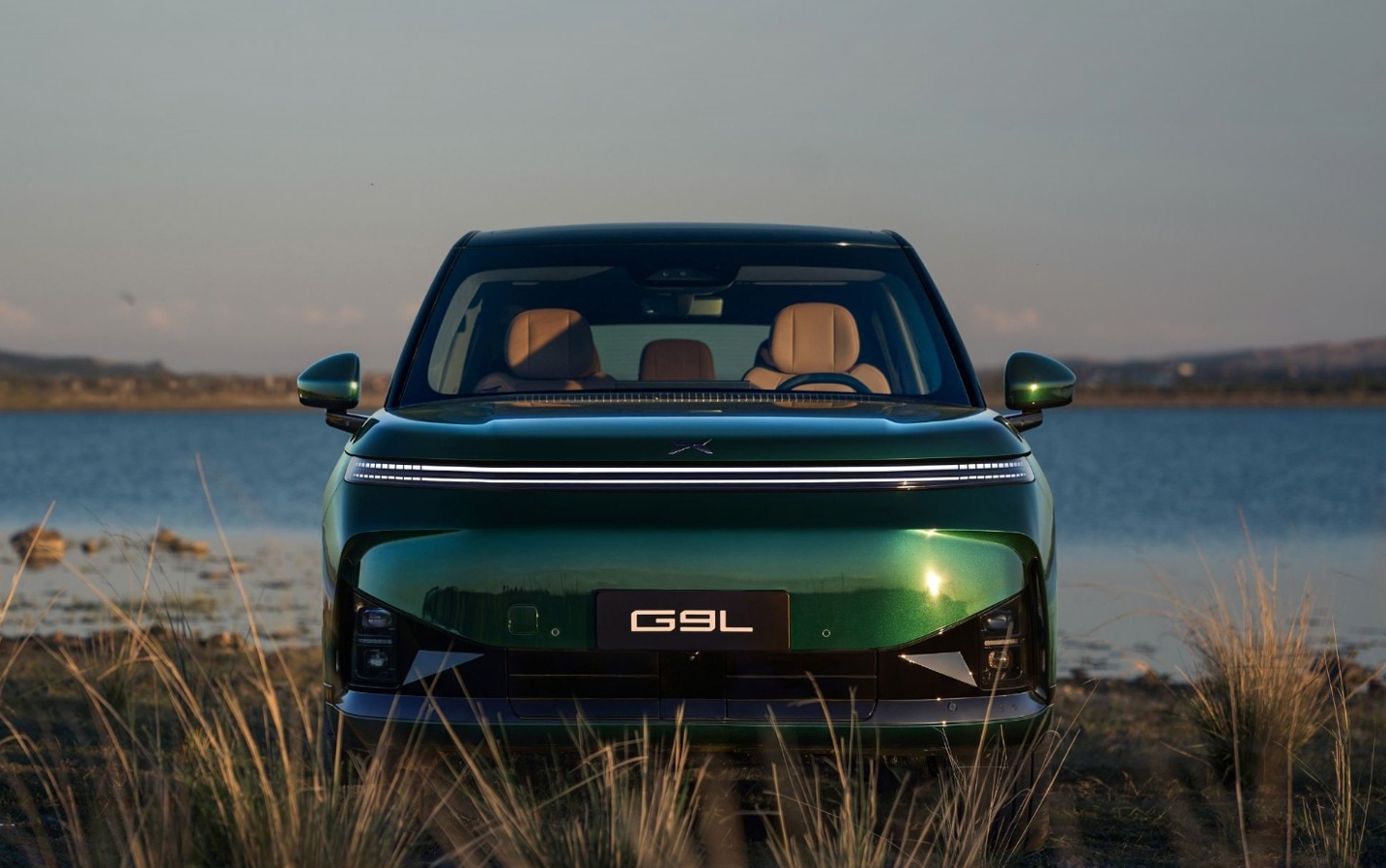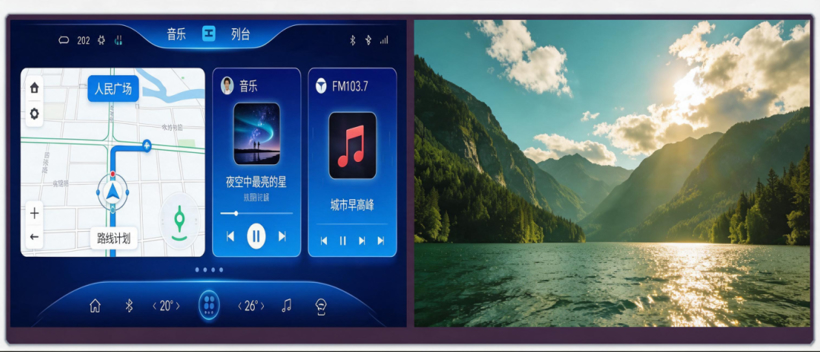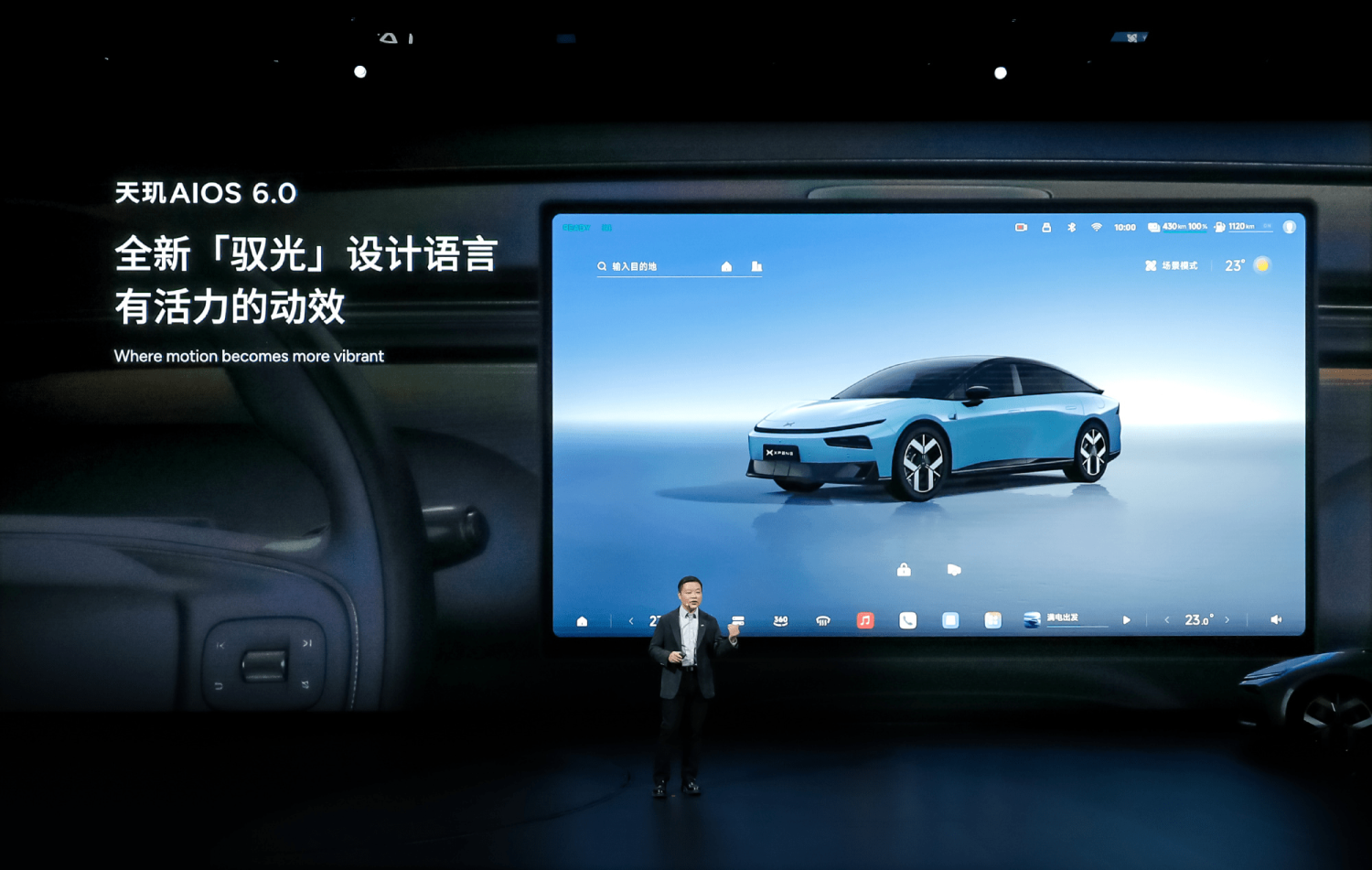
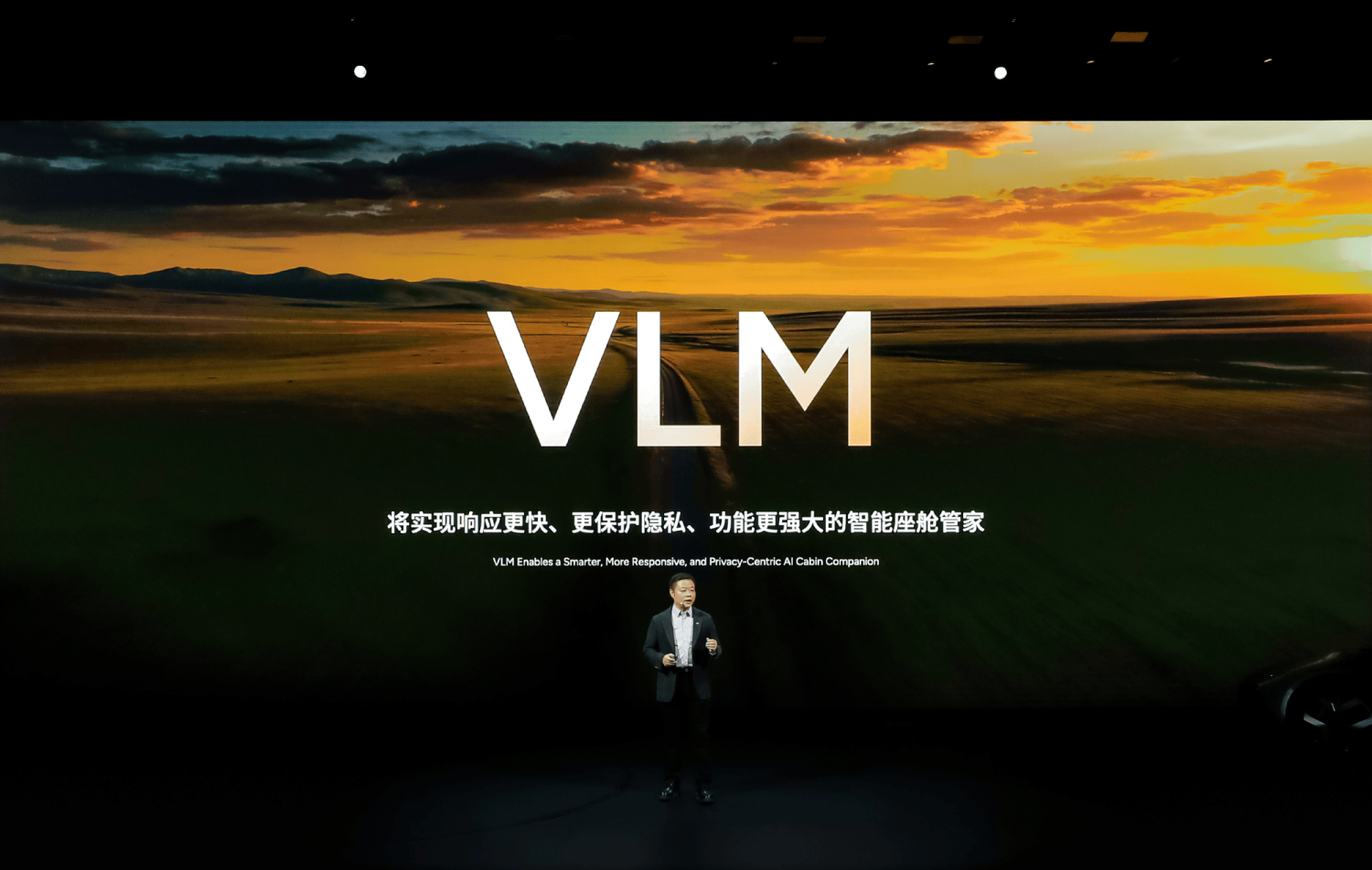
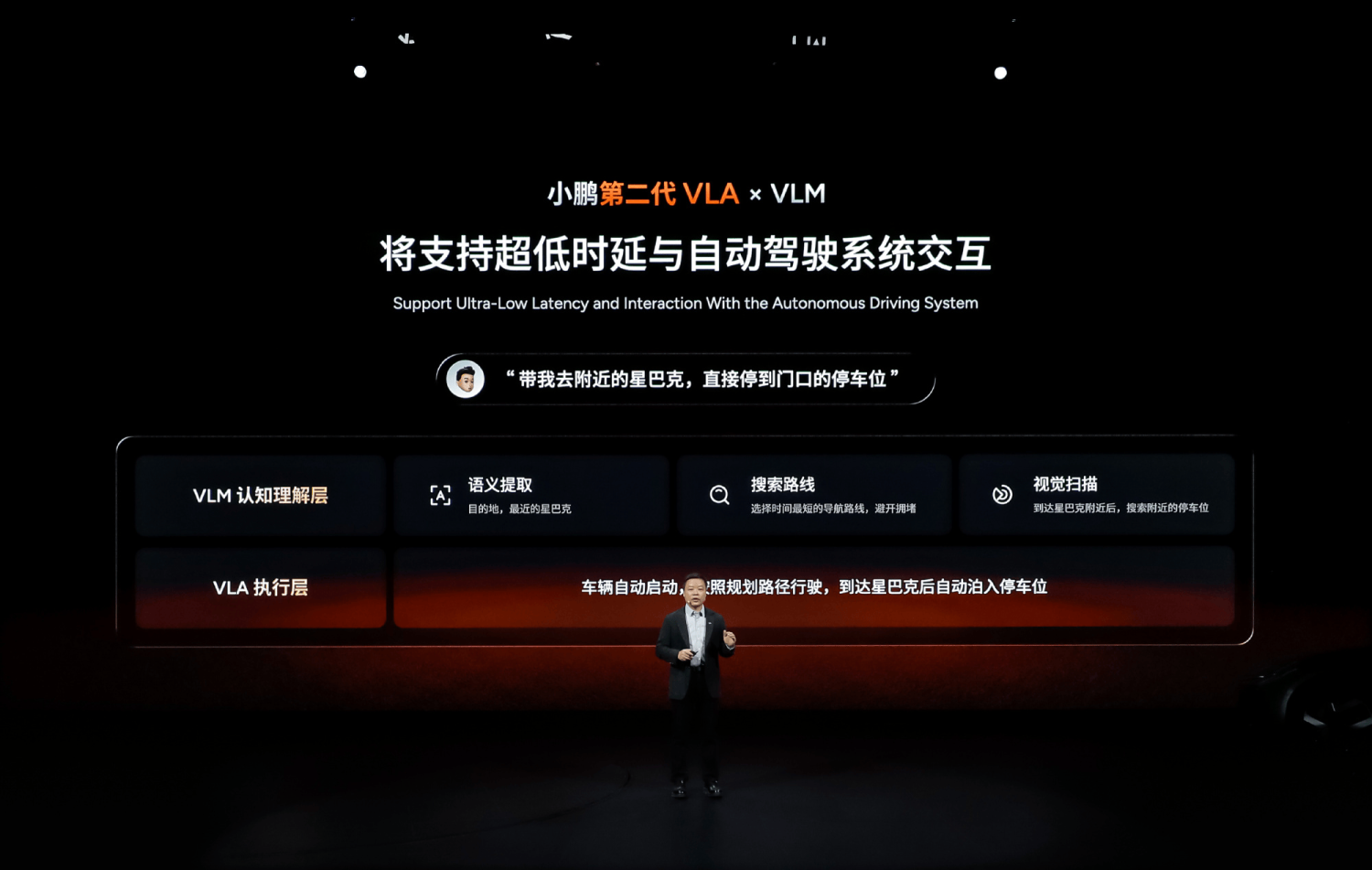






















According to Chinese media reports, Wei Bin, Vice President of XPeng Group and head of smart cockpit, has recently resigned after being on leave for family reasons. Public information shows that Wei Bin joined XPeng in late 2021 and previously served as Product Director at AutoNavi Map. During his tenure, he led the platform-based development of XPeng’s smart cockpit, facilitated the release of the Tiangji XOS 5.0 system, and developed the AR-HUD in collaboration with Huawei as well as the industry’s first wake-up-free intelligent voice feature. Tianji AIOS 6.0 Reports indicate that Wei Bin had been on leave due to family matters and ultimately resigned. Currently, XPeng has merged its Smart Cockpit Center and Autonomous Driving Center to form the General Intelligence Center, which is now managed by Liu Xianming. In fact, this restructuring was previously outlined by Chairman He Xiaopeng in the company’s commencement letter this February, with the aim of ensuring that “driving decisions and human-machine interaction are no longer separate,” paving the way for advanced intelligence in the AI era. Xpeng VLM Behind Wei Bin’s departure lies XPeng’s technological transformation in the smart cockpit domain. Before leaving, Wei Bin’s primary responsibility was advancing the integration of the VLM (Visual Language Model) large model into the smart cockpit. An insider revealed that after the VLM large model is deployed this fall, XPeng’s smart cockpit performance will be further enhanced. It is understood that after the integration of XPeng’s cockpit-side VLM large model and the driving-side second-generation VLA large model, the company is pursuing “voice-controlled driving”: users only need to give a command, and the vehicle can execute driving actions such as acceleration or deceleration. The integration at the model level can enhance capabilities in both domains: the cockpit gains access to driving-side environmental perception and driving behavior data, enabling it to become a more empathetic assistant that better understands the user; meanwhile, the autonomous driving system acquires cockpit-side human-machine interaction and user behavior data, effectively equipping it with a “general-purpose brain” that improves reasoning in complex scenarios. It is worth noting that XPeng is not alone in this endeavor—several automakers have already followed the technology roadmap of cockpit-driving integration. On January 28 this year, Li Auto merged its autonomous driving team into its software team, appointing Gou Xiaofei to oversee the combined R&D efforts. On March 17, Geely Auto announced a partnership with Qianli Technology and StepStar, benchmarking against Tesla’s Grok and FSD, to jointly develop the “Super Eva + G-ASD 4.0” technological convergence.