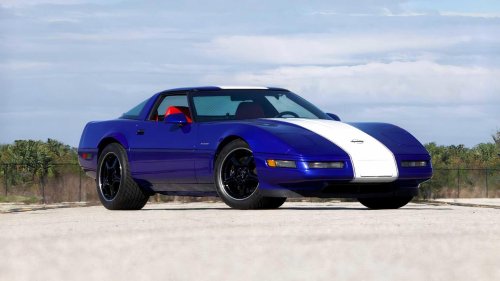
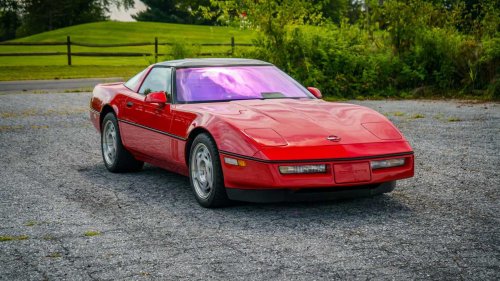
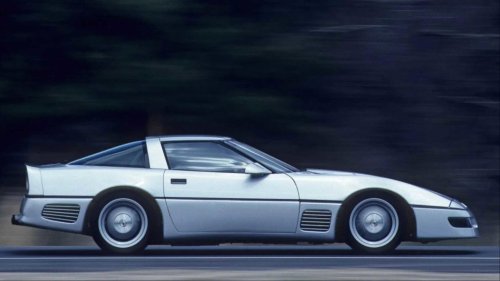
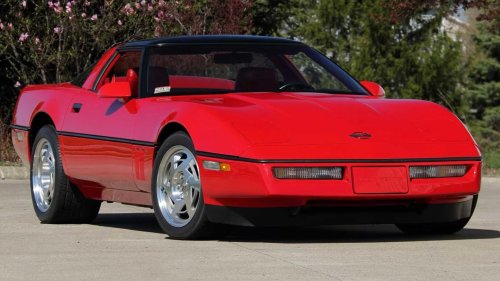
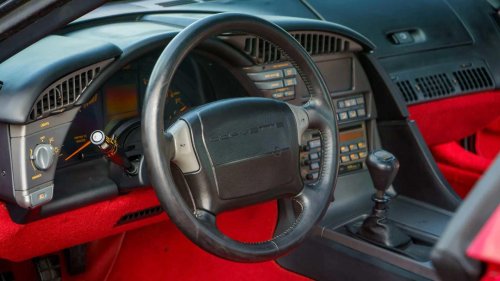
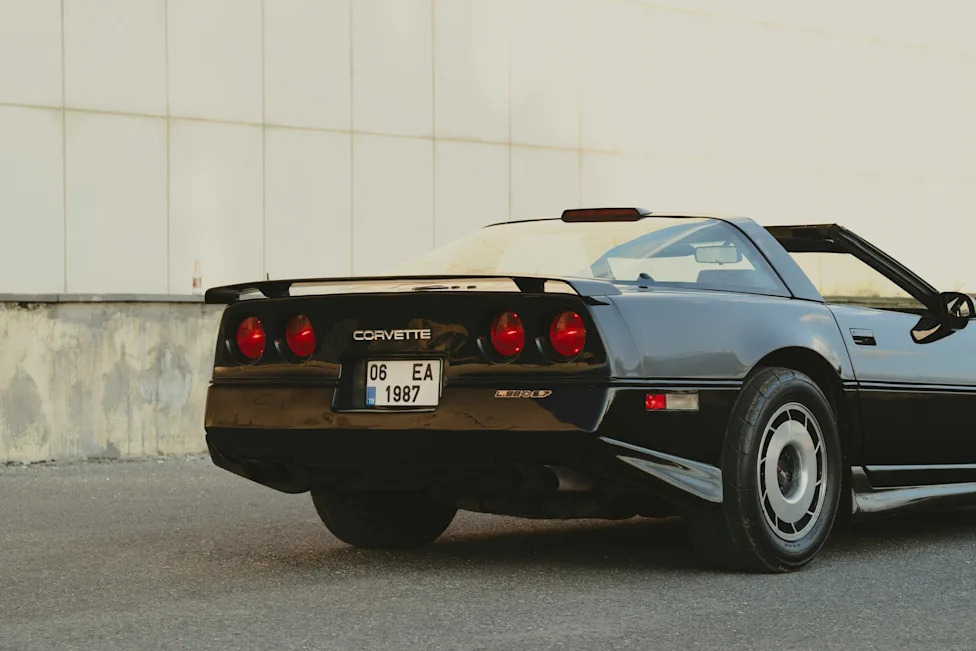
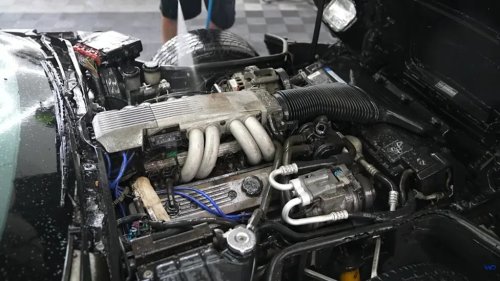
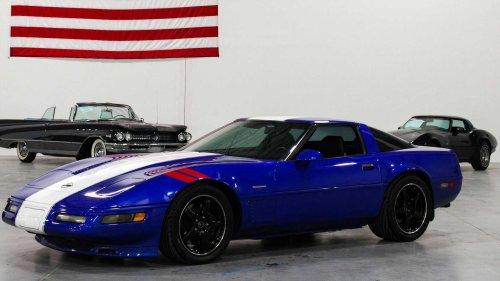
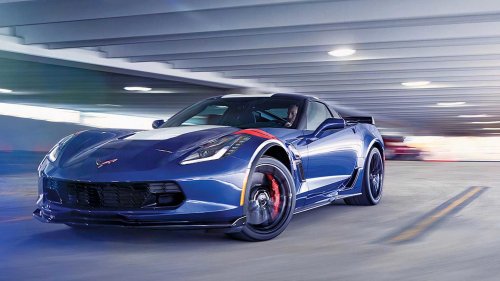
One strange paradox in the collector car world is that one of the most capable performance machines ever built could sit quietly at the bottom of the market, being overlooked for decades. This was the lot of the Chevrolet Corvette C4. In its prime, the C4 Corvette chased European exotics, with the ZR-1 beating out models like the Ferrari 348, and the LT1 significantly faster than the Nissan 300ZX, at a fraction of the cost. However, for years, this same vehicle has been dismissed as the “awkward middle child” of Corvette history. Decades later, that perception is beginning to crack.Corvette used the C4 to reset the American sports car tradition. It was a necessary reinvention, transitioning from the 1970s American sports car era into serious performance territory. The high-performance ZR-1 trim, one of the most underrated supercars of its era, was considered the "supercar killer", competing with some of the most prestigious and expensive European sports cars. Today, the C4 offers that rare combination of a genuinely fast, analog performance car that won’t stretch your finances while buying it. From Rock Bottom To Redemption: How The C4 Corvette Saved An American Icon General Motors In the early 1980s, Corvette was in trouble, with GM struggling with a massive identity crisis and structural decline throughout the period. At this time, the C3 generation had overstayed its welcome, and its declining performance, bloated styling, and the tightening emissions regulations had completely dulled its edge. Chevrolet needed a clean break, and that break came with the 1984 Corvette. Development delays and quality issues meant there was no 1983 production model, so when the 1984 car finally arrived, it arrived as a complete overhaul. It introduced a dramatically more aerodynamic body on a brand-new chassis, and a clamshell hood through which you could see nearly the entire engine bay.Corvette started the evolution from there and progressed in a steady and purposeful fashion. What followed was the 1986 return of the convertible and the introduction of ABS. In 1989, the C4 Corvette included a six-speed manual and advanced suspension tuning. By 1990, the C4 Corvette marked the arrival of the ZR-1, which was termed the “King of the Hill”, being the undisputed fastest production car of its era. By 1992, the C4 Corvette introduced the LT1 engine, bringing high performance to an everyday Corvette. By 1996, the C4’s chapter was closed with the Grand Sport and Collector Edition. However, not everything was perfect with the C4. Owners reported having issues with the early digital dashboards, also complaining about the cheap nature of the interior. The early years were also known to have a few reliability concerns. Built To Run: The Engines That Made The C4 A Legitimate Performance Machine Via: Bring a TrailerAt the beginning of its run, the 1984 Corvette relied on the L83 engine, which used a cross-fire injection system. On the 1985 Corvette, the L98 5.7-liter V8 engine was equipped with Tuned Port Injection. Its peak output power ranged from approximately 230 to 250 horsepower, which was not headline-grabbing, but when paired with its strong low-end torque and the fourth-generation's lighter, more rigid chassis, it delivered real-world performance that felt alive. For the everyday driver, the real turning point came in 1992 with the LT1 engine, with the base model producing 300 horsepower, 50 horsepower more than the previous base model. This transformed the base Corvette into a genuinely quick car, which was more refined, more responsive, and far more competitive.The C4 ZR-1 was the crown jewel. It ran on the exotic Lotus-engineered LT5 engine, which produced 375 horsepower at launch and featured dual overhead cams. By 1993, the engine had been upgraded to a peak output of 405 horsepower. This gave it a 0–60 mph time of 4.3 seconds, a quarter-mile time of 12.6 seconds, and a top speed exceeding 180 mph. This meant it could outrun a Ferrari 348 at nearly half the price. Handling was designed to match the power, with a fully independent suspension paired with a rigid backbone chassis and optional Z51 performance packages that gave the 1990 Corvette real composure, so it could be fast in a straight line and also corner with confidence. King Of The Hill And Everything Beneath It: Breaking Down Every C4 Trim And Variant Bring a Trailer The model launched as a coupe-only vehicle in 1984, but it later added the convertible in 1986. At the base level of the C4 Corvette, coupe and convertible models made up the bulk of production. With the right engine, especially if your car is equipped with the LT1 engine, you get a compelling mix of speed and usability. The LT1 is universally seen as the smart entry point. The Z51 Performance Handling Package, which was introduced in 1984, added upgraded brakes, sharper suspension tuning, and wider wheels. However, with this package being very stiff, Corvette introduced the Z52 Sport Handling Package in 1987, which used softer base springs to make the C4 more livable on the street.By 1990, the Chevrolet Corvette C4 lineup included the ZR-1, the high-performance trim. It had unique square taillights, wider rear bodywork, and subtle but purposeful visual cues that set it apart. Corvette produced just around 6,900 units of this trim, giving it real rarity. At the end of the run, Chevrolet delivered the 1996 Corvette Grand Sport, with its Admiral Blue and white stripes making it instantly recognizable, and the Collector Edition, a more understated farewell trim in Sebring Silver. Among enthusiasts, the coupe vs. convertible debate always arises. C4 coupes were usually stiffer and slightly more performance-focused, while the convertibles felt like they were designed for casual driving. The Smart Buyer’s Playbook: Best Years, Common Problems, And What To Inspect Via: Mecum AuctionIf you’re searching for a C4 Corvette for sale, it's important to know where value meets reliability. The best years to target are 1992–1995. This period is typically considered the sweet spot due to the introduction of the LT1 with everyday power, improved refinement, and fewer early-production quirks. You would also get the 1995 Corvette ZR-1, where the trim peaked with the LT5 engine’s performance hitting 405 horsepower. Another good option would be the 1996 Grand Sport. This trim is already climbing in collector value.Via: Bring a Trailer Before settling on that particular option you’re eying, check for these common C4 Corvette issues. On LT1 cars, check for OptiSpark failures or just budget for replacement. This issue affected the 1992 to 1995 models. Another issue is the aging of interior plastics. With the generation using cheap interior materials, this issue is widespread. Also, check for wear on the rear leaf springs. Also, inspect the ignition and cooling system on ZR-1 models, or just budget for proper maintenance. Check the birdcage or the frame for rust, and test all electronics, especially the digital cluster. It tends to have electrical quirks.With the buyers who grew up seeing the Corvette C4 now reaching peak purchasing age, demand for a C4 Corvette for sale is returning. This same generational cycle that pushed sales of the C2 and C3 values upward has turned its sights on the C4. The ZR-1 and Grand Sport models are the trims enjoying the most appreciation in value. The C4 feels like an outlier compared to the C3 and the C5, feeling undervalued relative to its performance and historical importance.Source: Edmunds, Bring A Trailer, Top GearFAQQ: What is the best year for a C4 Corvette?The 1992–1995 models are ideal for most buyers due to the LT1 engine’s 300 hp and improved refinement. For collectors, the 1995 ZR-1 and 1996 Grand Sport stand out.Q: Why is the C4 Corvette so cheap?Lingering perceptions around interior quality and early reliability issues have kept prices low. However, well-maintained examples are increasingly recognized for their performance value.Q: How much horsepower does a C4 ZR-1 have?The Chevrolet Corvette ZR-1 produced 375 hp between 1990 and 1993. The engine was later upgraded to produce 405 hp from 1993.Q: What are common C4 Corvette problems?Key issues include Optispark failures, aging interior materials, suspension wear, and occasional electrical faults.Q: Is the C4 Corvette a good investment?Yes, especially rare variants like the ZR-1 and Grand Sport. Base models remain affordable entry points with upside potential.