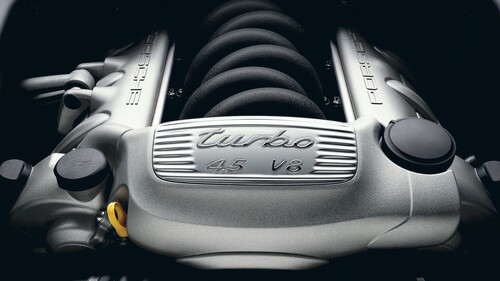
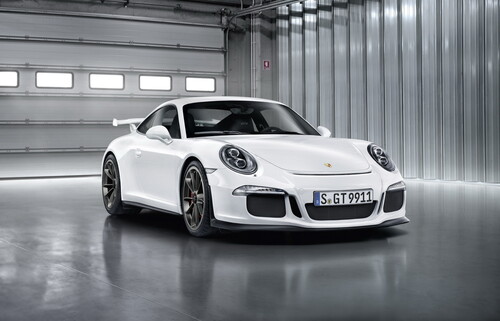
Why luxury car depreciation hits harder than buyers expectLuxury cars often symbolize success, status, and sophistication, but they come with a financial caveat that many buyers overlook: steep depreciation. The allure of a high-end vehicle can overshadow the reality of its dwindling value over time, leaving owners with more than just a lighter wallet. Let’s delve into why luxury cars lose value faster than expected and the factors contributing to this rapid depreciation. Understanding Depreciation in Luxury Cars Depreciation, in the simplest terms, is the reduction in a vehicle’s value over time. While all cars experience depreciation, luxury cars are particularly susceptible to steeper declines. This reduction in value plays a significant role when it comes time to sell or trade in the vehicle. For luxury cars, the impact is more pronounced, often catching owners off guard. Luxury vehicles tend to depreciate more rapidly than their non-luxury counterparts. For instance, a brand-new Mercedes-Benz S-Class can lose nearly 40% of its value in the first three years alone. This is often due to the higher absolute cost of luxury vehicles, meaning even a small percentage drop in value translates to a significant dollar amount. Comparing this to a more modest vehicle like a Honda Accord, which may only lose about 20-30% of its value in the same period, the financial sting is apparent. Factors Contributing to Rapid Depreciation One of the primary factors contributing to rapid depreciation in luxury cars is the high initial purchase price. The more expensive the car, the more value it stands to lose. This is compounded by the fact that luxury cars are often loaded with the latest technology and features, which, while appealing at first, can quickly become outdated. As new models are introduced with even more advanced gadgets, older models start to look less appealing. Different luxury brands also experience depreciation at varying rates. For example, while Porsche tends to maintain better resale value due to its brand prestige and enduring appeal, brands like Jaguar or Maserati might depreciate faster due to perceived reliability issues or less widespread brand recognition. These brand-specific trends can significantly impact an owner’s return on investment. Market Dynamics and Consumer Preferences The luxury car market is heavily influenced by consumer preferences, which can change rapidly. A shift in consumer tastes towards new models with the latest tech and design features can render older luxury cars less desirable. This is particularly true in the age of electric and hybrid vehicles, where consumers are increasingly looking for environmentally friendly options. An older luxury vehicle without such features might see its value plummet as a result. Economic conditions also play a crucial role in the value of luxury cars. During economic downturns, the demand for high-end vehicles can decrease significantly, leading to even higher depreciation rates. In contrast, a booming economy might help stabilize or even increase the value of certain luxury cars as more buyers are willing to invest in high-end models. However, the market’s volatility means that predicting these trends can be challenging. Cost of Ownership Beyond Purchase Price Owning a luxury car involves more than just the purchase price. Maintenance and repair costs can be substantially higher than those for non-luxury vehicles. Parts for a BMW or Audi, for example, often come with a hefty price tag, and even routine services can add up quickly. These ongoing costs can affect the overall ownership experience and contribute to the vehicle’s depreciation. Insurance premiums also tend to be higher for luxury cars due to their increased value and repair costs. This added expense is another factor that potential buyers need to consider when evaluating the long-term costs of owning such a vehicle. Additionally, the unique features and customizations found in many luxury cars can become liabilities over time, as they may require specialized maintenance and are sometimes seen as less desirable on the used market. Strategies to Mitigate Depreciation There are strategies that can help mitigate the depreciation of a luxury car. One approach is choosing brands and models known for better value retention. For example, Lexus and Porsche often have models that depreciate less quickly due to their reputation for quality and reliability. Researching historical trends can provide valuable insights for making an informed decision. Regular maintenance and keeping detailed service records can also help preserve a car’s value. Potential buyers are more likely to pay a premium for a well-maintained vehicle with a documented history of care. Additionally, timing the purchase and sale of a luxury car can make a significant difference. Buying a slightly used vehicle that has already experienced its steepest depreciation and selling it before it becomes too outdated can optimize resale value. More from Fast Lane Only Unboxing the WWII Jeep in a Crate 15 rare Chevys collectors are quietly buying 10 underrated V8s still worth hunting down Police notice this before you even roll window down