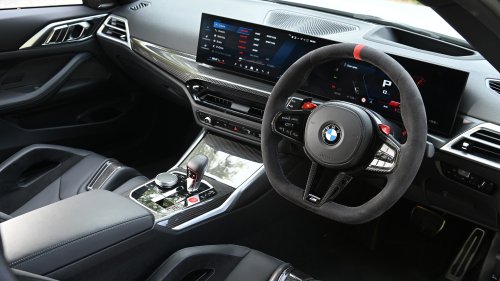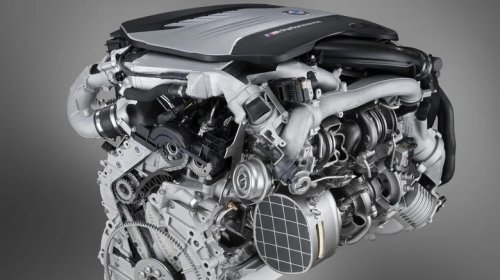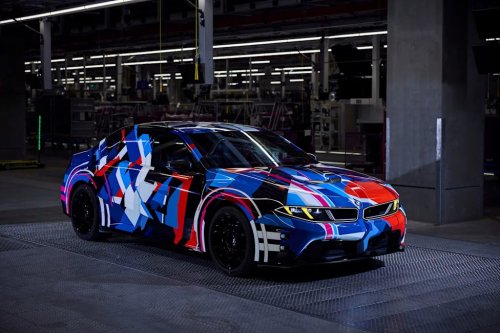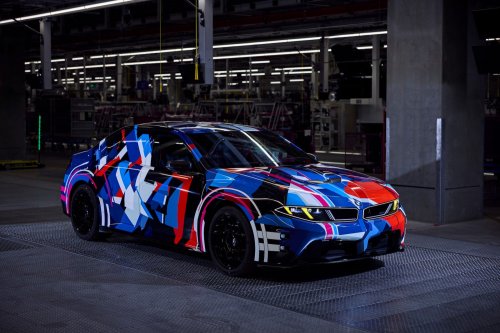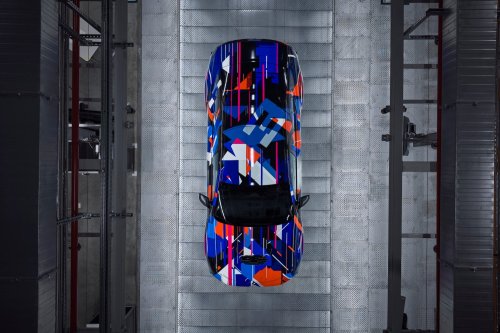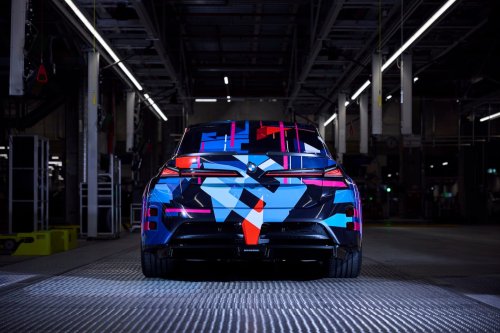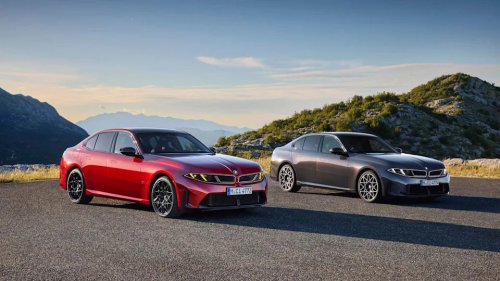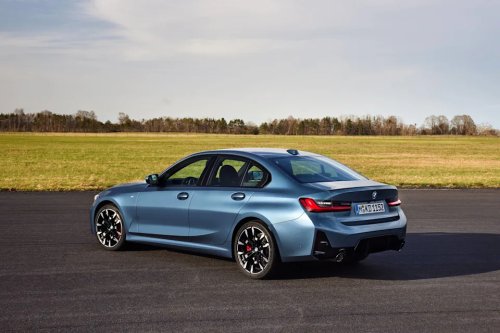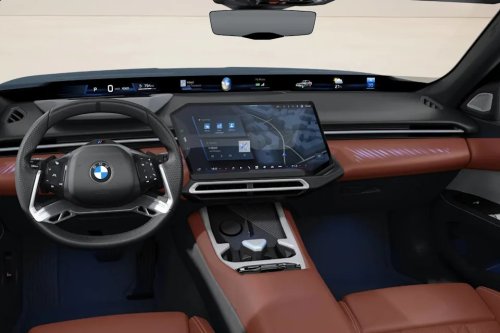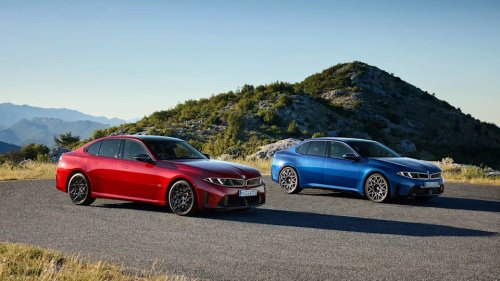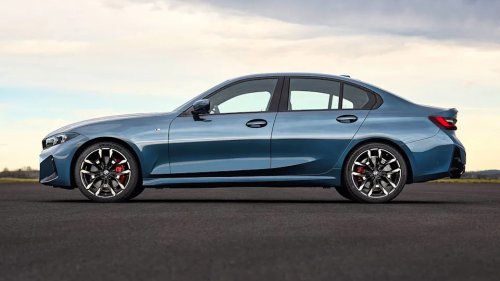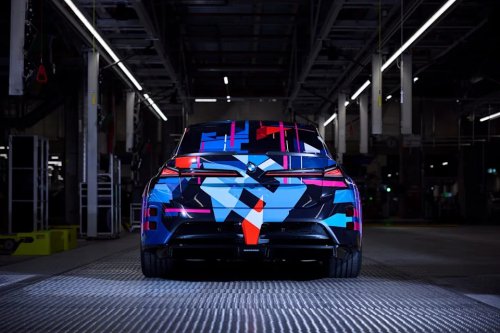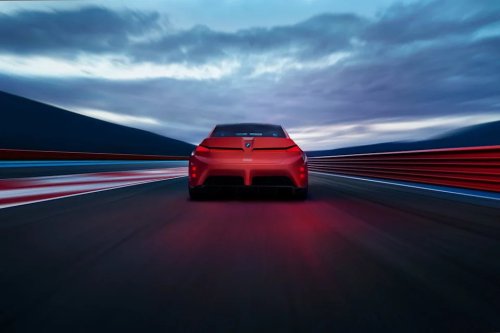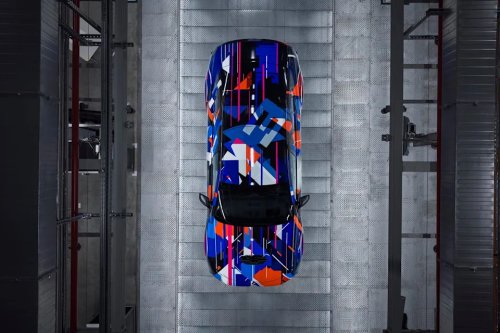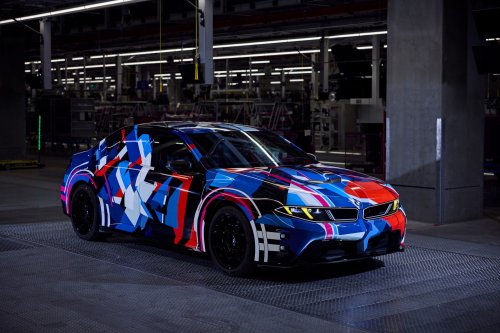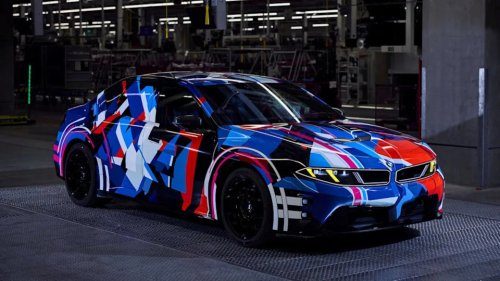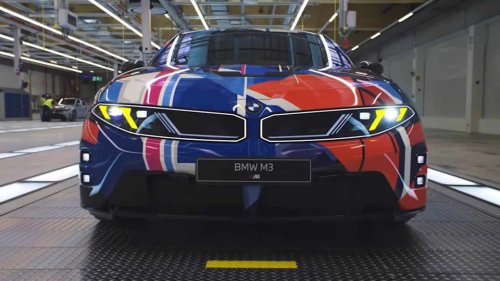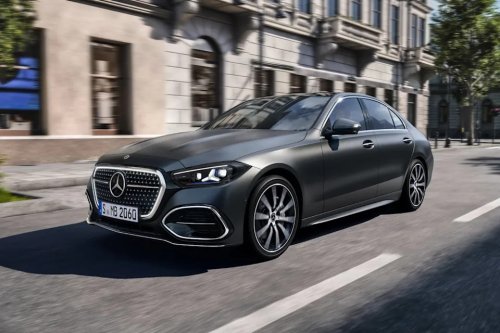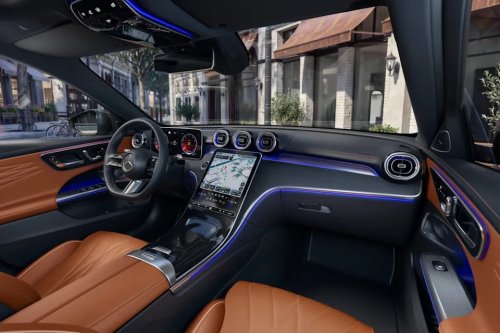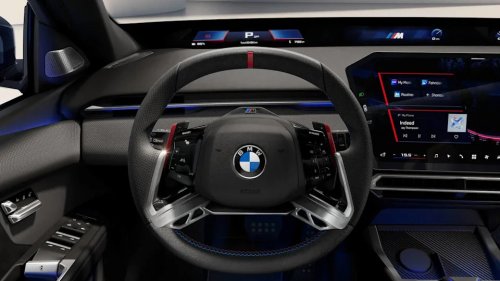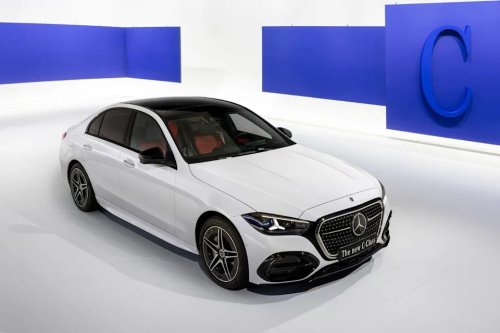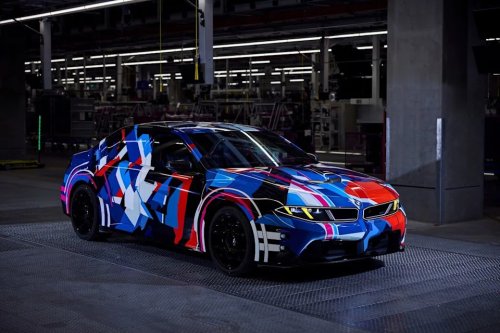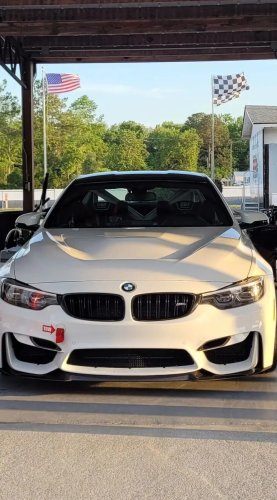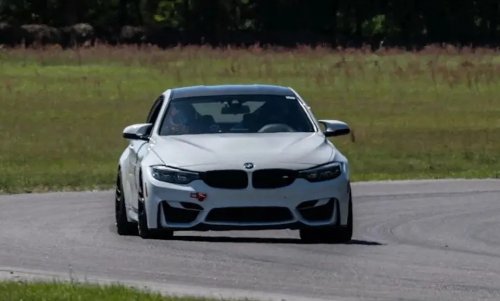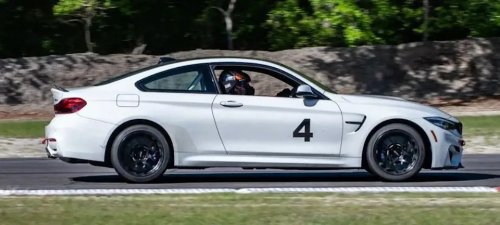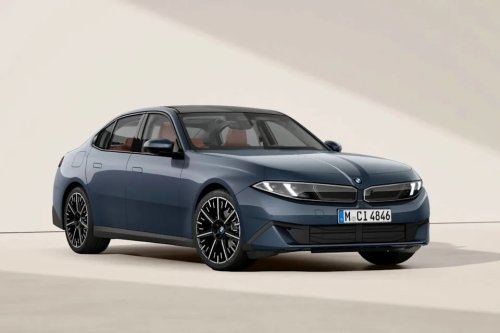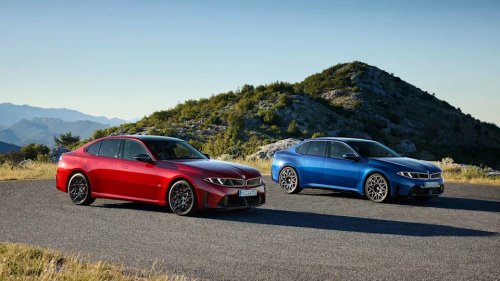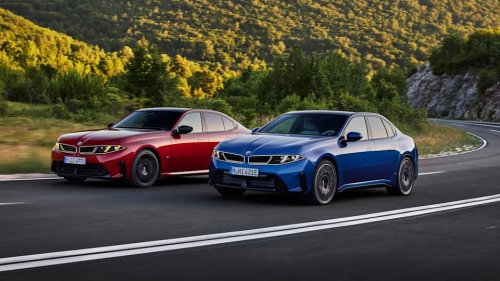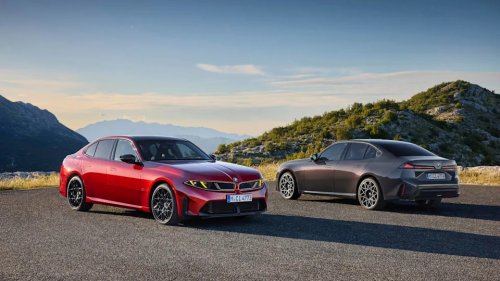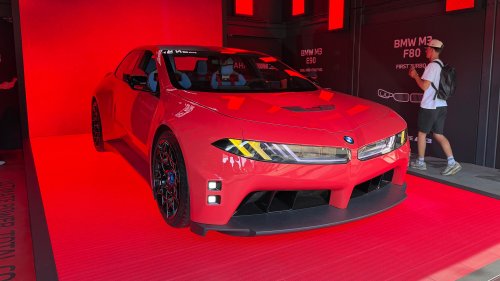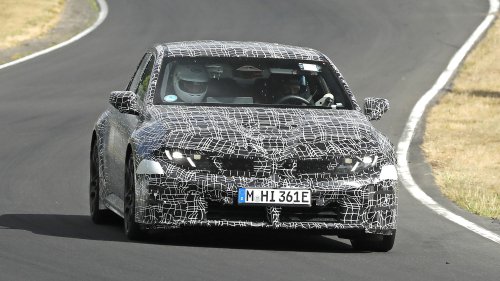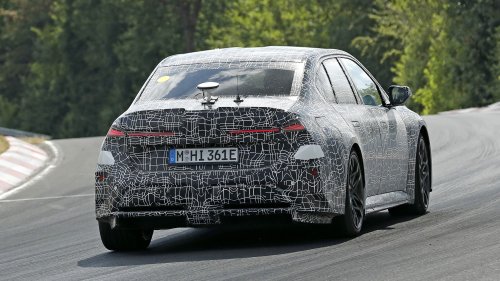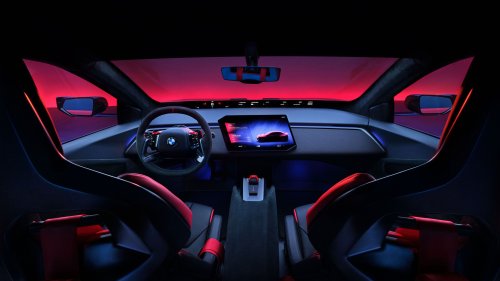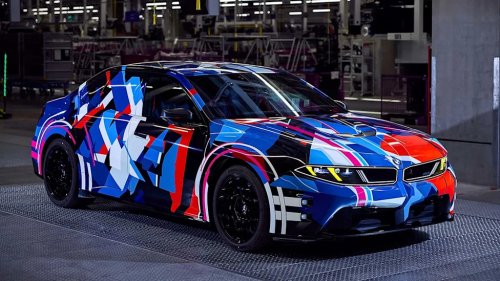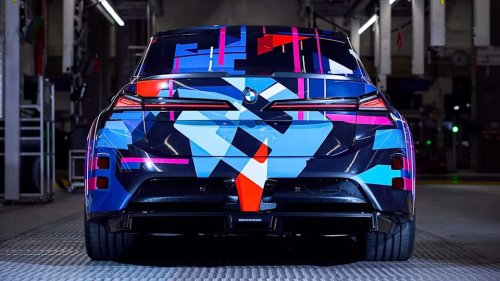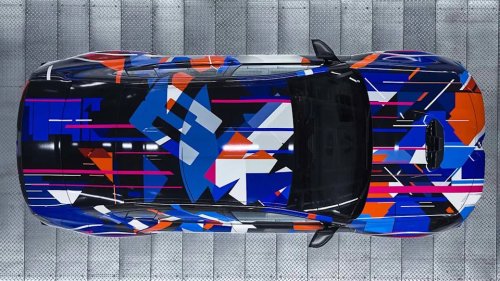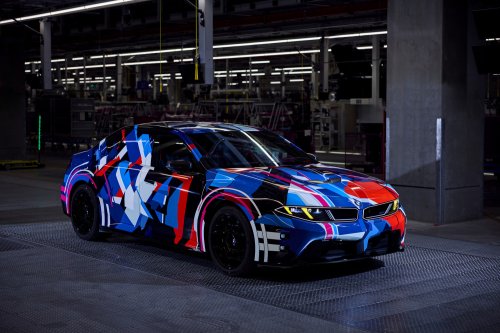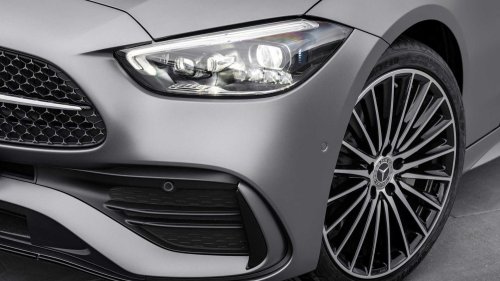
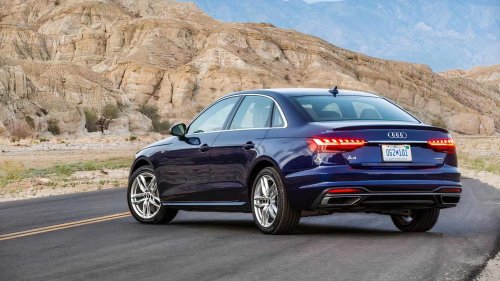
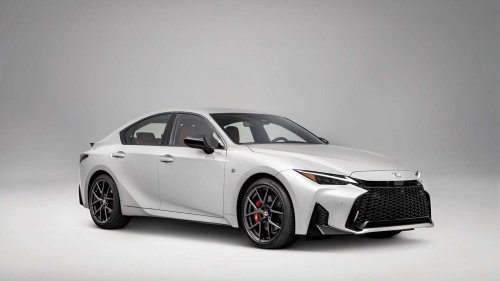
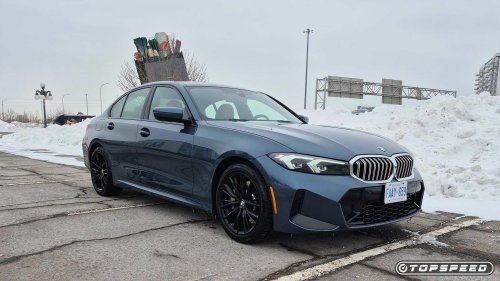
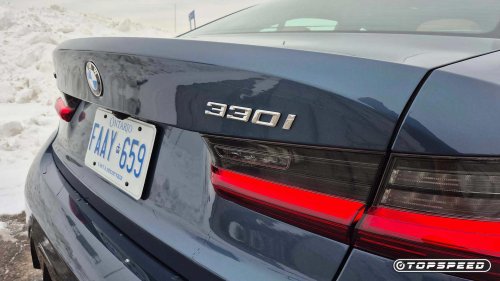
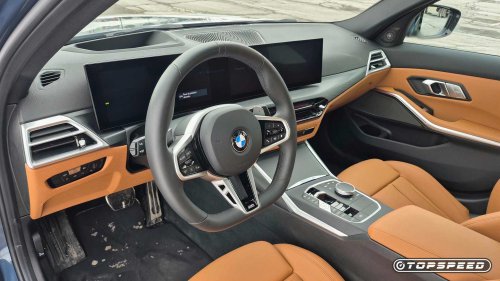
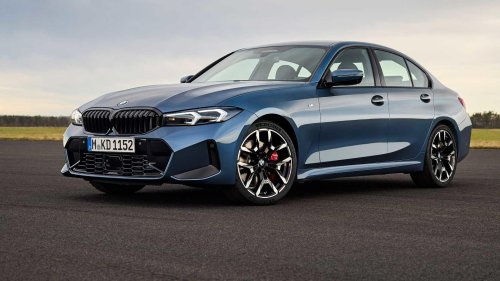
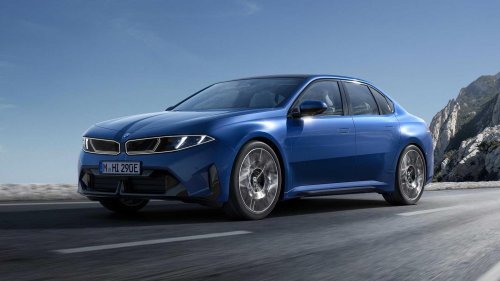
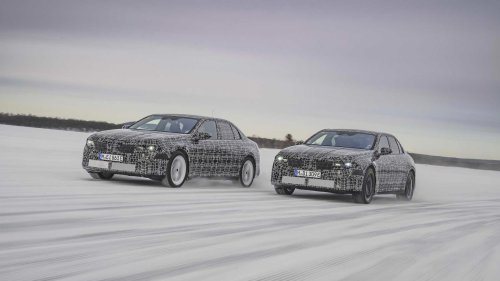



















The BMW 3 Series has always been the benchmark compact sports sedan for decades. It is still an internal combustion engine (ICE) sedan I love amidst a ton of new electrified vehicles. Amidst a rapidly evolving automotive market, the BMW 3 Series has evolved to keep up with the times, and as such, this iconic sports sedan remains at the top of people's minds.But if you've got a somewhat limited budget and can't go all-out with the spec sheet, there's still a lot to like about the base 330i. Besides, this is the variant that most people will go for, due to its balance of pricing, performance, and features. In today's article, we're going to explore why the BMW 3 Series, particularly the 330i, is still the most balanced luxury sports sedan while keeping pace with a rapidly evolving market. How BMW's Competitors Lost Their Way in 2026 Mercedes-Benz To understand how the 3 Series in general has remained on top, let us explore what this vehicle is competing with and what BMW did right to keep this vehicle at the top of people's minds. Mercedes And Audi Forgot What Made Them Great AudiLet's talk about two of its competitors—theMercedes-Benz C-Class and Audi A4. The C-Class comes from a brand primarily known for the S-Class—a car that's focused on a comfortable ride. BMW, on the other hand, is a sporty brand that is primarily known for the 3 Series. Now, for most of its history, the C-Class has been a great compact luxury sedan, but somewhere along those lines, the new generation model may have somewhat forgotten its core market.Mercedes-Benz is primarily for those who want a cushy ride, so to my surprise, when I drove the current C-Class, the chassis was tuned for sportiness. It would have been great, and all, but the chassis tuning isn't matched by a sporty calibration to the steering or powertrain. By trying to be both sporty and focused on relaxed stability, the C-Class, in my opinion, isn't good at either. Meanwhile, the Audi A4's direction also got lost, because we now have a brand that is indecisive in its naming scheme. The A5 became the A4's successor, and that's a very long story for another day. Lexus And Cadillac Clung To Outdated Platforms Lexus And then other luxury sports sedans didn't keep up with the 3 Series in terms of modernity and freshness. The Lexus IS, for instance, is getting another major facelift for 2026. Yes, it's still using the same rear-wheel drive (RWD) platform for about 13 years already. To be fair, its platform has received numerous updates to improve its driving dynamics, while for 2026, the major facelift is giving the IS more modern tech features. In my opinion, it's still a great compact luxury sports sedan—one that's reliable, too. Unfortunately, it's not necessarily the freshest and newest model on the block.Lastly, there's also the Cadillac CT5 and the Genesis G70. The midsize Cadillac CT5, oddly enough, is what's being pitted against the 3 Series, mostly due to its price, but the CT5's interior and fit-and-finish don't necessarily match well with the BMW. Likewise with the smaller CT4, which is similar to the 3 Series in size, but priced alongside the smaller 2 Series GranCoupe. The G70 is also a great sports sedan, but it's also another option that has been left on the back burner as Genesis seems to be focused on updating models that sell in higher numbers in its lineup.With all these competitors either lost or aging, the question becomes: what did BMW do differently to keep the 330i fresh and relevant? The BMW 330i Is Just Right William Clavey | TopSpeed This finally leads us to the BMW 3 Series, particularly the well-balanced 330i. Despite adapting to evolving consumer preferences, what you won't absolutely fault BMW with this car is that the 3 Series inherently maintained the key ingredients of what made it so great—its benchmark driving dynamics. The B48 Engine And ZF Transmission Are A Match Made In Heaven William Clavey | TopSpeed Trends come and go, but the signature driving dynamics of the BMW 3 Series live on forever. Even in the current G20 generation, the 3 Series has maintained its sporty driving feel. I've driven numerous versions of the 3 Series, and I love the level of consistency that the 330i, the M340i with its lovely B58 inline-six, and even the full M3 offers. Take away the engine differences, and what only varies is the level of sharpness of the steering and chassis tuning. Granted, the steering feel is one area where newer BMWs aren't as rich as their predecessors, especially with the increased prevalence of advanced driver-assistance systems (ADAS) such as lane-keeping assist. Among the competition, though, the 3 Series is still one of the best, and the 330i is the most balanced offering of them all in terms of pricing, performance, and features.The BMW 330i has one of the nicest 2.0-liter turbo four-cylinders in the segment. The B48, which is simply the iconic B58 turbo inline-six but with two of its cylinders chopped off, is a gem of an engine. Power delivery is lively yet linear despite the turbocharging. The power is just right, and this excellent engine is matched to a ZF eight-speed automatic, the best automatic transmission in the world (fight me). This has resulted in the best drivetrain combination in the segment—one that's matched by the best chassis tuning in the segment. Though the ride is on the firm side, it's not what you'd consider harsh. Opt for the M Sport Package's optional Adaptive M Suspension, and you'll get both improved handling and a more comfortable ride—literally zero compromises at this point. Apart from the M340i's B58 inline-six and limited-slip differential (LSD), the 330i's chassis brilliance is still there, but coupled with a balanced engine and pricing structure. How Mild Hybrid Tech And iDrive 8.5 Keep The 330i Modern William Clavey | TopSpeed However, as with most new vehicles these days, the 330i also needed to adapt to shifting preferences and regulations. For instance, like many new cars these days, the BMW 330i has waged war against physical controls, for better or worse. There's the now-familiar iDrive 8.5 with two large screens, which is controlled through the screen itself or the signature iDrive rotary knob controller. Safe to say, the 3 Series has adapted to those who love tech, though the lack of physical controls continues to divide opinion. The great thing about the 330i is that it can be configured in such a broad way. Whether you want it to be simple or filled with every single bell and whistle, the 330i is able to satisfy such a wide range of buyers.As for the regulations adaptation part, the 330i in North America is now a 48-volt mild hybrid. The engine still produces 255 horsepower and 295 pound-feet of torque, which is good for a 0–60 mph time of just 5.6 seconds. Add the xDrive all-wheel drive (AWD), and you'll shave 0.2 seconds from that 0–60 mph sprint. That's as fast as a Subaru WRX, which is pretty much marketed as a fun AWD rally-bred sports sedan. Adding the 48-volt mild hybrid has helped the 330i's efficiency, increasing its combined efficiency figure of the RWD version to 31 MPG versus the non-electrified 330i's 29 MPG. For the xDrive AWD, it improved from 27 MPG to 29 MPG. The Future Of The 3 Series BMW The current G20 330i has always been the sweet spot in the luxury sports sedan segment, but for it to remain on top, the BMW 330i and the whole 3 Series lineup is set to receive a host of changes in the coming years. The Electric i3 Preserves 3 Series DNA in EV Form BMW As you've probably seen by now, the BMW 3 Series evolves in 2026 with the debut of the new, fully-electric i3. A nameplate that was once attached to an experimental city car in full electric vehicle (EV) and range-extender EV form, the i3 name is now aptly attached to the new, fully electric version of the 3 Series. It's the first sedan in the BMW Neue Klasse range of EVs, and it's yet another evolution of the 3 Series as it now adapts to customers who want a full EV.At the heart of the BMW i3 is the new Heart of Joy—a driving dynamics control module that takes care of the steering, power delivery, and chassis dynamics. This is all for the sake of driving pleasure, as BMW wants to evolve its driving dynamics for the EV era. For now, the i3 has only been revealed in its most potent i3 50 form, which means its dual-motor AWD setup produces 463 horsepower and 476 pound-feet of torque. BMW has not yet revealed its 0–60 mph time, but it should be a little over 4 seconds. Indeed, blisteringly quick, but for those who want the balanced RWD dynamics of the 330i, wait for the i3 to debut in RWD form, which will undeniably be cheaper, too. Still Prefer Gas? Don't Fret BMW But for those who still want an ICE from their 3 Series, then you'll be happy to know that it's being developed just as the i3 was revealed. The 3 Series with an ICE will bear the G50 generation code, while the i3 gets the NA0 generation code. The G50 will inherit the same Neue Klasse design as the i3, but with design elements adapted for the gas-fed powertrain. Therefore, expect the presence of a functional grille, along with the car's proportions, since this is using an evolution of the G20's existing CLAR platform. Powertrain details for the next G50 3 Series are still under wraps, but likely, there will still be a 330i and an M340i, plus a plug-in hybrid version of some sort.