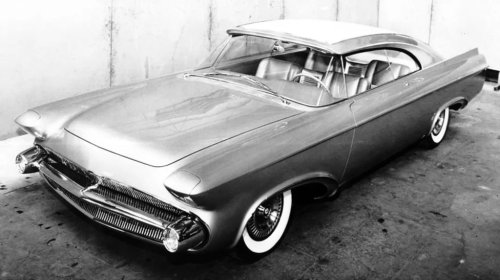
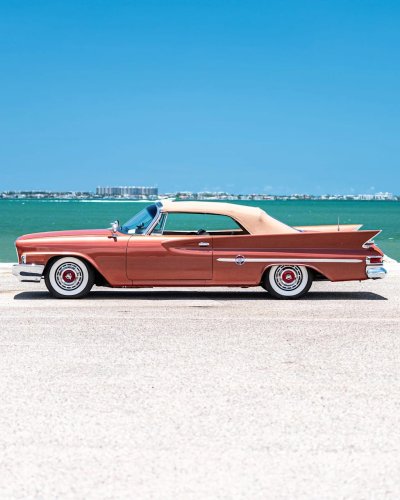
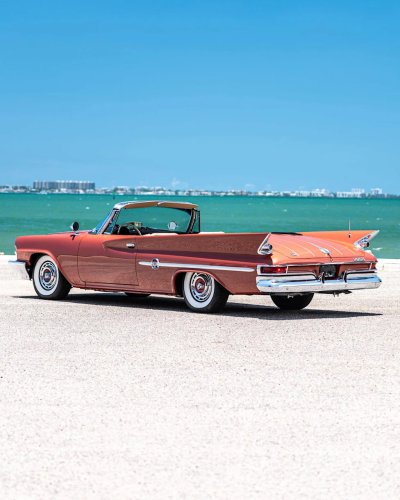
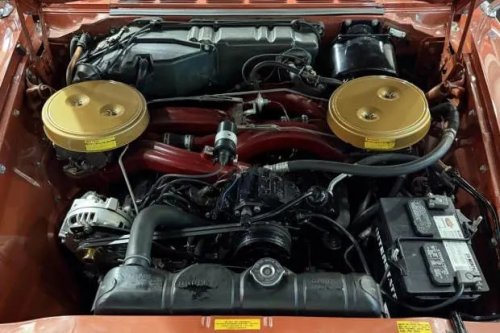
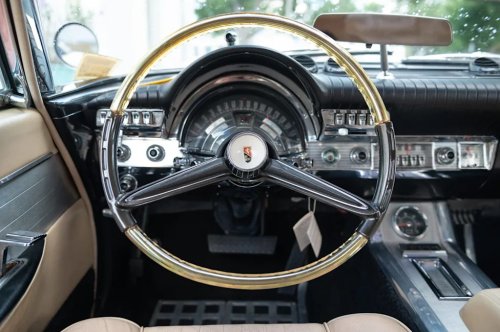
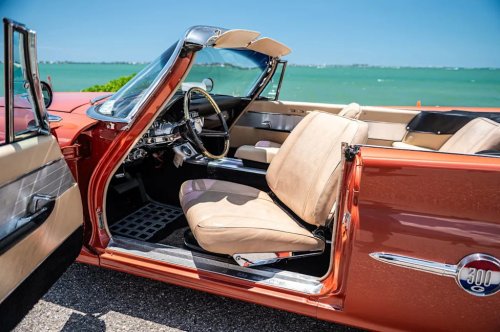
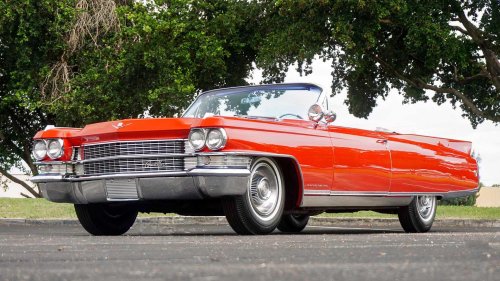
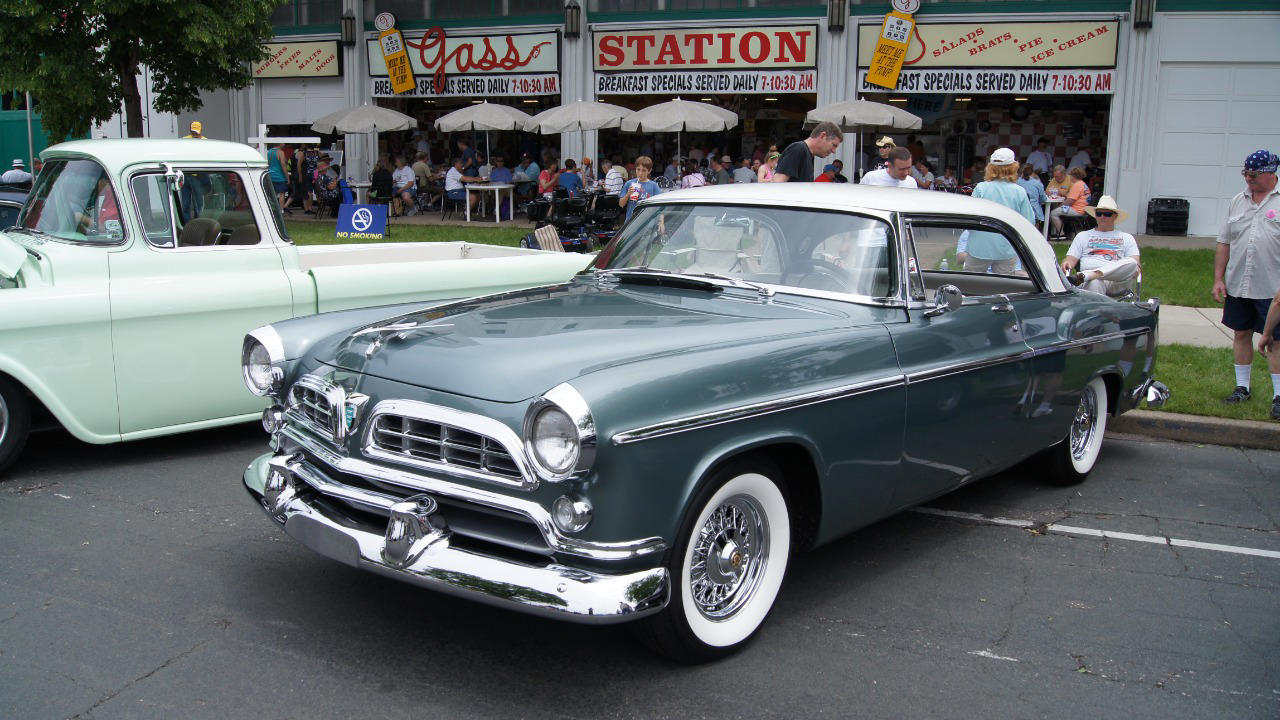
When the 1955 Chrysler Windsor focused on quiet strengthThe 1955 Chrysler Windsor arrived at a turning point for American automakers, when fins, chrome, and horsepower battles threatened to drown out more restrained virtues. While the showroom spotlight often fell on louder, faster siblings, the Windsor quietly built its appeal on composure, comfort, and an understated sense of authority. In an era obsessed with spectacle, it offered a different kind of strength, one rooted in refinement rather than raw aggression. From today’s vantage point, that balance of poise and power helps explain why the Windsor has become a favorite among enthusiasts who value subtle luxury. It embodied the new design language of the mid‑1950s yet refused to shout about its capabilities, preferring a confident whisper to a marketing scream. The quiet sibling in a performance-obsessed family Within Chrysler showrooms, the Windsor occupied a carefully judged middle ground. The company had discovered that some buyers wanted unfiltered speed, while others preferred comfort and decorum. The 1955 Chrysler C‑300, with its famous figure of 300, targeted the first group with an unapologetically performance‑oriented package. The Windsor and New Yorker, by contrast, were aimed at a more traditional luxury buyer who valued smoothness and dignity over quarter‑mile times. This positioning meant the Windsor could adopt many of the styling and engineering advances of Chrysler’s flagship models without inheriting their harsher edges. It shared the family resemblance yet signaled a different personality: relaxed, confident, and content to cruise rather than dominate a racetrack. In that sense, its strength was measured not only in horsepower but in how effortlessly it carried its occupants. From postwar solidity to jet‑age poise The Windsor name already carried weight by 1955. Earlier versions had helped define postwar American expectations of a comfortable, well‑appointed sedan. Enthusiasts still celebrate how the 1947 Chrysler Windsor blended emerging peacetime optimism with established engineering discipline, a mix that shaped the brand’s image in the years after conflict. One enthusiast account of that era describes the 1947 model as a defining moment in post‑war Chrysler Windsor design and as a benchmark for American buyers seeking modern comfort. As the early 1950s unfolded, the Windsor continued to evolve, with each iteration reflecting its time. Later commentary on the line notes how the design of the Chrysler Windsor consistently mirrored the zeitgeist, and by 1955 it had fully absorbed jet‑age influences in its proportions and detailing. The 1955 model of the car is singled out as a clear expression of that shift, with lower, sleeker lines and more daring use of chrome that still stopped short of excess. Forward Look style without the drama The 1955 model year coincided with Chrysler’s broader move into the so‑called Forward Look, guided by design chief Virgil Exner. Concept studies such as the Flight Sweep dream cars, created in collaboration with European partners like Ghia of Italy, previewed the themes that would reach production. Those showpieces pushed fins, tapered tails, and sweeping side lines to dramatic extremes. In the Windsor, that same design philosophy was translated into a more livable form. The car adopted the lower rooflines and more dynamic stance of the new Chrysler family, yet it remained visually calmer than the most flamboyant concepts. Contemporary descriptions of the Windsor’s styling often highlight its elegance rather than shock value. Later video tributes, including one that refers to the 1955 Chrysler Windsor as Underrated Luxury Classic mid‑century Elegance, reinforce the impression that this was a car designed to age gracefully. Such restraint mattered in the marketplace. While Chrysler’s overall share in the mid‑1950s did not match its earlier postwar peak of 20.9 percent, as later analysis of the period points out, the Windsor provided a stable, reassuring presence for buyers who might have been wary of more radical styling experiments. It carried the Forward Look banner without asking owners to become design radicals themselves. Inside the Windsor: comfort as a selling point If the exterior signaled modernity with restraint, the interior delivered the kind of comfort that justified Chrysler’s luxury ambitions. Period sales literature for the 1955 Chrysler Windsor Deluxe paints a picture of an owner slipping behind the wheel and experiencing a “great and abiding sense of personal pride and personal fulfillment.” The language is aspirational, yet it reflects tangible qualities: broad, well‑padded seats, generous legroom, and a dashboard that balanced ornament with clarity. Surviving brochures, such as the factory booklet preserved in period literature, emphasize quiet operation and isolation from road harshness. Chrysler engineers worked to keep noise and vibration at bay, reinforcing the sense that the Windsor’s strength lay in how little effort it required from its driver. In an age before widespread sound‑deadening sophistication, that focus on serenity set the car apart from rougher competitors. Power under control: the Spitfire V8 The Windsor’s calm demeanor did not mean a lack of power. Under the hood, the model could be specified with the Spitfire V8, a configuration that balanced respectable performance with everyday usability. Enthusiast coverage of specific cars highlights the 301 Spitfire V8 fitted to the Chrysler Windsor Deluxe Newport, a combination celebrated in auction listings that describe a 1955 example as a Chrysler Windsor Deluxe a Spitfire in both name and character. Video features of surviving cars reinforce that impression. One walkaround of a preserved 1955 Chrysler Windsor Deluxe Newport 301 Spitfire V8, hosted by a classic‑car dealer in Illinois, underscores how the Chrysler Windsor Deluxe pairs the 301 engine with smooth automatic shifting to create relaxed, confident acceleration. The Spitfire branding, echoed in multiple enthusiast sources, suggests that Chrysler wanted buyers to know there was genuine performance available, even if the car did not advertise it with racing stripes or loud exhaust notes. A driver’s experience shaped by refinement Modern presenters who spend time with these cars often remark on how cohesive the driving experience feels. In one feature, a host from Magnesium Media climbs into a 1955 Chrysler Windsor and points out details from the trunk to the cabin, describing how the car still feels solid and inviting decades later. That Magnesium Media tour pays particular attention to the way doors close with a reassuring thud and how the interior materials have held up, evidence of the quality that underpinned the model’s original pitch. Other contemporary accounts echo similar themes. Auction descriptions, enthusiast club discussions, and video drives all tend to emphasize the Windsor’s smooth ride and composed handling rather than outright speed. Where the C‑300 might tempt a driver into aggressive behavior, the Windsor encourages a more measured approach, inviting its occupants to enjoy the journey instead of rushing to the destination. Heritage and legacy in the collector world Within today’s collector community, the 1955 Chrysler Windsor occupies an intriguing niche. It is neither the headline‑grabbing performance icon nor the ultra‑rare coachbuilt special. Instead, it attracts those who appreciate how the model distilled Chrysler’s mid‑century ambitions into an approachable package. Enthusiast groups that discuss earlier cars, such as the 1947 Chrysler Windsor and subsequent variants, often trace a line of continuity from the immediate postwar models to the more adventurous 1955 design, noting how each generation balanced innovation with a familiar sense of comfort. The car’s presence at auctions, including examples documented by major houses and enthusiast outlets, confirms that interest is more than nostalgic. Listings on sites that track specific vehicles, such as a 1955 Chrysler Windsor offered through specialist auctions, highlight originality, preserved interiors, and the appeal of the Spitfire drivetrain. While values may not match the most coveted muscle cars, the Windsor’s relative affordability and usability make it an inviting entry point into 1950s luxury motoring. A different idea of strength Set against the backdrop of mid‑1950s automotive culture, the 1955 Chrysler Windsor represents a deliberate choice. Chrysler could have chased spectacle at every trim level, yet it reserved that role for models like the C‑300 and allowed the Windsor to speak more softly. Its designers and engineers pursued quietness, comfort, and dignified style, confident that some buyers would recognize strength in composure rather than in noise. More from Fast Lane Only Unboxing the WWII Jeep in a Crate 15 rare Chevys collectors are quietly buying 10 underrated V8s still worth hunting down Police notice this before you even roll window down



















 +42 others