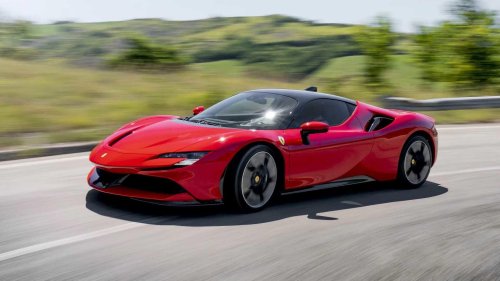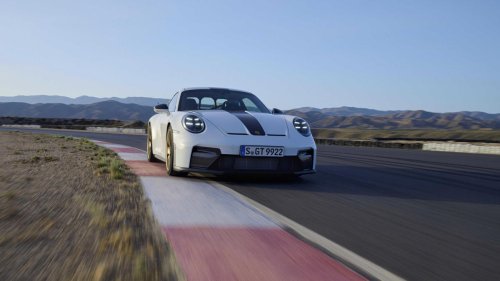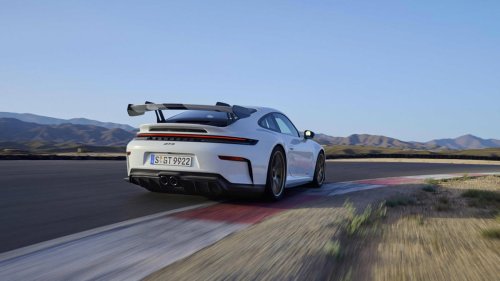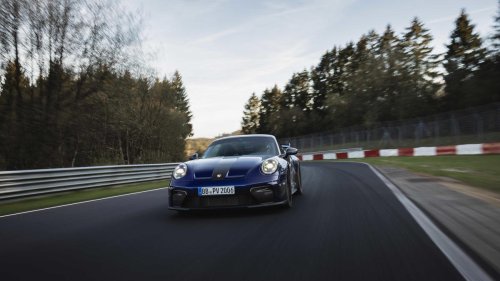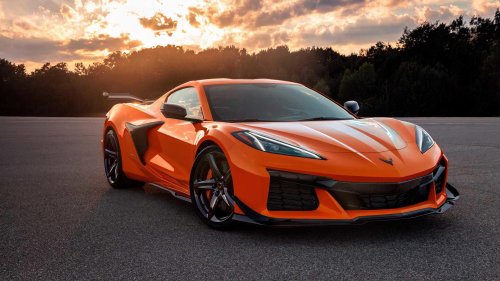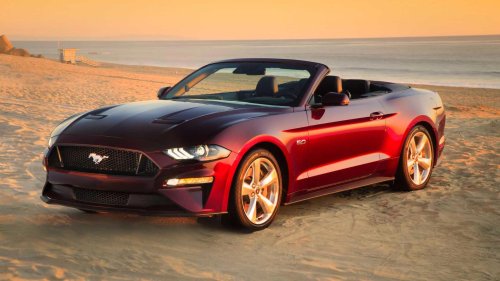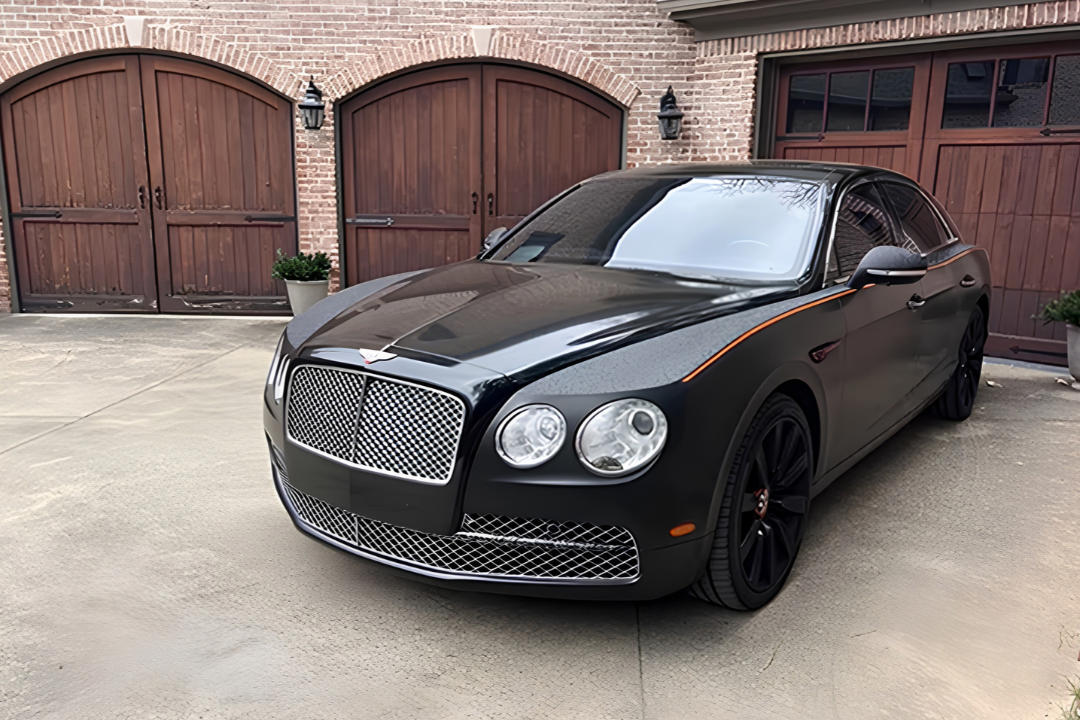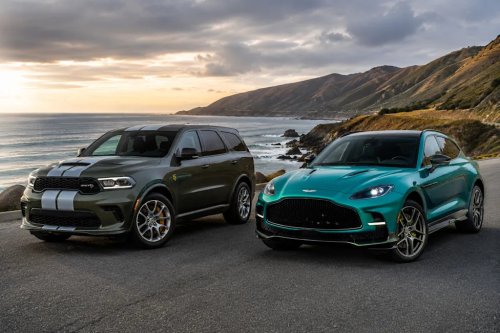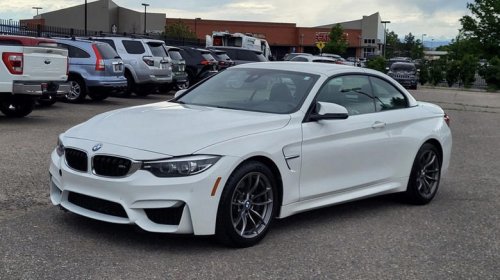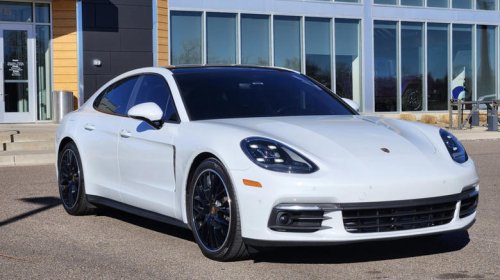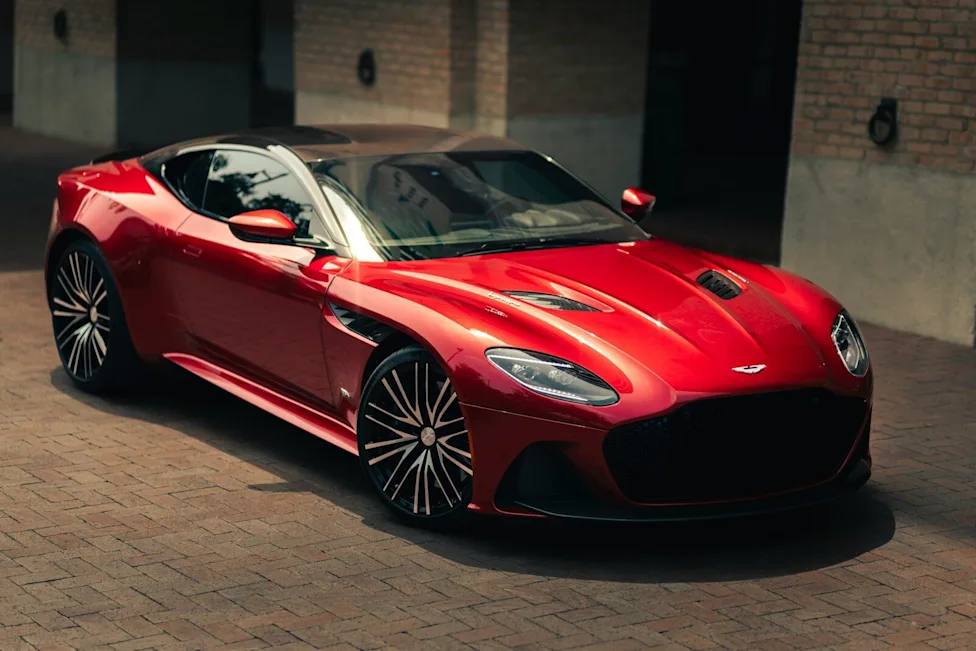
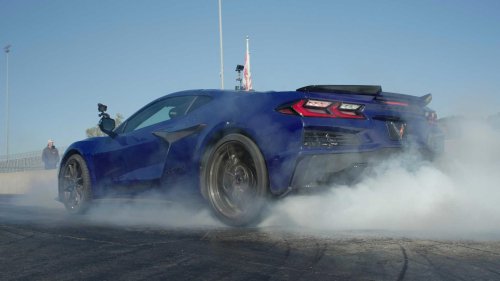
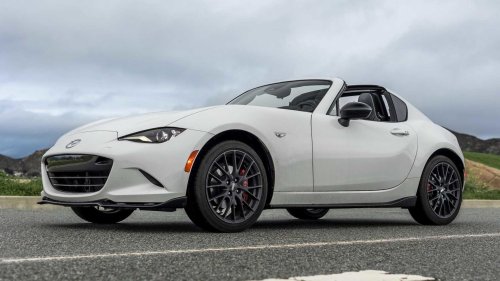
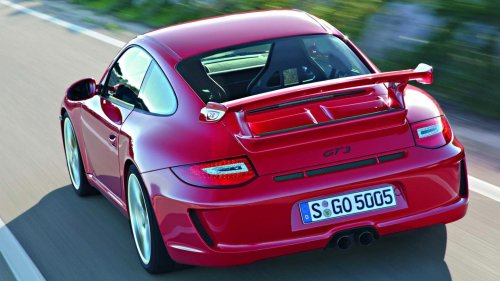
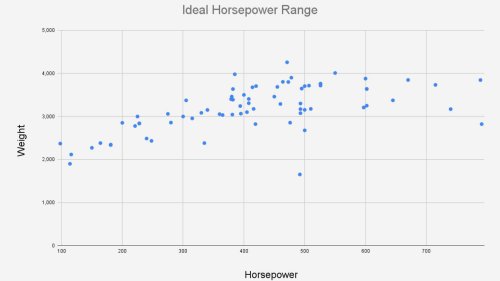
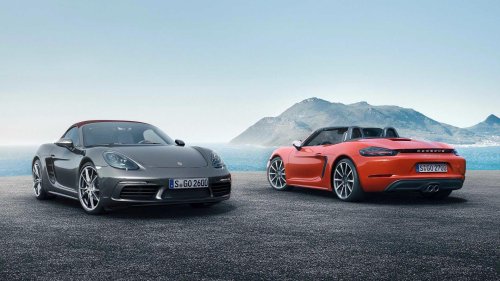



















If you want to rile up a group of car lovers, just ask this question: what is the perfect amount of horsepower for a sports car? Chances are, depending on how many people there are in the group, that's how many different answers you will get. The debate will likely go on for hours, though you may have a better chance to land on a consensus about the meaning of life. There is no "correct" answer to this question of the perfect horsepower rating for several reasons:First, a sports car might require more or less power depending on several factors such as drivetrain, engine layout, engine type, transmission type, and weight. Second, driver skill plays a huge role here, as Max Verstappen's ideal horsepower number will be much higher than a novice. And lastly, sports cars have changed so much over the decades, as evidenced by the latest Corvette ZR1X producing 1,064 horsepower. The first ZR-1 produced 375 hp, 15 fewer horses than you now get from the top Chevy Tahoe.To see if we can determine the "perfect" amount of horsepower in a sports car, we will attempt to define our three most important factors for what makes a car fun to drive on the road, not on the track. Our decision will be based on the average driver, not a racing legend. Since front-wheel-drive cars limit how much power we believe can be transmitted adequately to the road, they will be excluded in our definition of sports car. Three Important Factors Dodge Keeping Control On The Street Every driver would agree that the number one goal of enthusiastic driving – above even having fun – is avoiding a crash. Nothing hurts more than hearing the sound of metal in motion striking another object, causing it to lose control and rapidly decelerate before being violently contorted into a varying mess of a wreck. To keep a car stable on the road with all four wheels maintaining their contact patch, a number of factors are at play aside from the horsepower.For example, a mid-engine or rear-engine car has more weight over the drive axle, so these cars can typically put power down more easily than one with the engine at the front. Vehicles with their engine ahead of the driver usually require wider tires to offset their grip disadvantage, which is why a McLaren Artura's tires are 235 mm in the front and 295 mm in the rear with 690 hp, while an Aston Martin DB12 has 275 fronts and 325 rears with 671 hp.Adding additional drive wheels can make it easier to justify more power, and get quicker 0–60 mph times.Power-to-weight plays a role too, as a 600-hp sedan or SUV might be easier to control compared to a track-focused sports car with the same power output. As modern tires and traction control systems have become more advanced, the threshold for what someone might consider "dangerous" on the street has been pushed higher and higher. We Want The Fun To Last Chevrolet The C8 Corvette ZR1X and its bonkers 1.68-second 0-60 mph time are marvelous feats of engineering, but if we are talking about the "perfect" amount of horsepower for a road car, 1,250 is clearly too much. We want the fun to last, and if a car can hit 60 mph in the same time a match takes to ignite, you will likely get a speeding ticket before the enjoyment even sets in. Seeing as it takes over a second for the average driver to detect an unexpected hazard when driving, chances are you won't notice the police officer before they hand you a hefty citation.Unlike the previous category, which is far more ambiguous and subject to other details, this one will help us put an upper cap on the horsepower range based on the 0–60 time. In our CarBuzz instrumented testing, the quickest cars that run sub-three-second 0–60 mph times tend to have well over 600 hp and AWD. It's possible to post a higher time with more power if the car can't get that power down to the road, like the 824-hp Aston Martin Vanquish's 3.36-second time, but that is still rapid. Admittedly, we think modern sports cars are mostly too fast, considering 85 mph is the highest speed limit in the US, but automakers have shown no signs of ending the horsepower war. It Can't Be Too Slow Ian Wright/CarBuzz/Valnet Some enthusiasts might disagree with our stance that there should be an upper limit to define the "perfect" amount of sports car horsepower, but few will object to this next statement: there needs to be a lower limit as well. We here at CarBuzz adore the Mazda MX-5 Miata (many of us on staff have owned/still own one), but if we are trying to land on the ideal power figure for all sports cars, the Miata's 181 number would not be what we land on.Being able to take advantage of a car at full-throttle is a joyous feeling, and we appreciate that cars like the Miata and Toyota GR86/Subaru BRZ can deliver it, but even the average driver will improve over time, and they may want a car they can grow into without modification. The Miata, BRZ, and GR86 take anywhere from 5.5–6 seconds to reach 60 mph from a stop, which is about the same pace as an average luxury crossover. Perhaps these cars aren't "slow," but they form the lower threshold of what we can be willing to accept for horsepower if a car is fairly lightweight. Asking The CarBuzz Staff Porsche What They Were Told To see if the CarBuzz office could reach a group consensus on the "perfect" horsepower rating, members of our writing staff were asked to provide a list of their 10 favorite sports cars with the following parameters:These can be cars you have driven (or dream cars)They must be street legalNo front-wheel-drive cars (AWD cars must send more than 50% power to the rear)Along with the list of 10 vehicles, we asked each writer to state their ideal horsepower number for a road car. We then took the average from their list to see how far our staff got from their dream number. Here are our answers for the perfect sports car horsepower: Chosen Cars And Average Horsepower CarBuzz Most of our writing team chose to lean toward modesty, which is why the median horsepower among our idealized horsepower numbers was just 310 hp, accounting for the higher numbers from Vinkesh and I. To see if these numbers line up in the real world, we then asked each writer to contribute their 10 best sports cars that they've driven or would like to drive, and we compiled those into a chart based on their horsepower.Out of the 80 cars chosen, some clear trends emerged. The Mazda MX-5 Miata appeared seven times, tied for the most of any car, with the current ND generation model chosen by all but one writer (Chris Bruce), who favored the original NA. That honor was shared with the Porsche 911, which was also listed seven times in various forms, such as the GT3, GT2, and Carrera of several generations. Porsche was listed the most of any automaker, garnering 15 spots out of 80 (Mazda was second with nine), including the Boxster and Cayman.Ian picked the least powerful car, a 1968 MGB GT with a 1.8-liter engine coughing out just 98 hp. On the opposite end of the spectrum, my pick of the 2021 Pagani Huayra Roadster BC was the most potent with its 791-hp twin-turbocharged AMG V12. I don't necessarily covet extremely high-powered hypercars like this, and I actually prefer slow sports cars like the Miata and the MG on Ian's list. But I had the chance to drive one a few years ago, and it was epic. Would you leave it off your list? Since I was not the only writer to include a supercar or two, our team average came out to 400 horsepower, 60 hp above our "ideal" number listed above. Did We Get It Right? Porsche This experiment set out to find the "perfect" amount of horsepower for a sports car. If you asked our CarBuzz team to blindly guess based on their opinions, you'd get a car with 340 hp: not a radically high number by modern standards. Even the base Porsche 718 Boxster puts out 350 hp, while the Ford Mustang EcoBoost has 315 hp. With so few sports cars on the market, finding one with this power output is nearly impossible.That's why, rather than just toss out numbers in a subjective manner, we wanted something more objective and concrete. By aggregating our favorite sports cars, it would show us whether those blind opinions actually ring true based on the vehicles we've enjoyed driving. Every single writer on our staff underestimated, ranging from a gap of 13 to 148 hp. Perhaps this method shows that modern cars are too powerful, not that we were wrong in our guesses. So, whichever number you'd like to use, we feel confident with our selections.Perfect Horsepower Based On Writer's Opinions: 340 Perfect Horsepower Based On Our Favorite Sports Cars: 400